What Is an Aluminium Entry Door and Why Choose One?

Time:2026-10-01 Author:Liam
0%

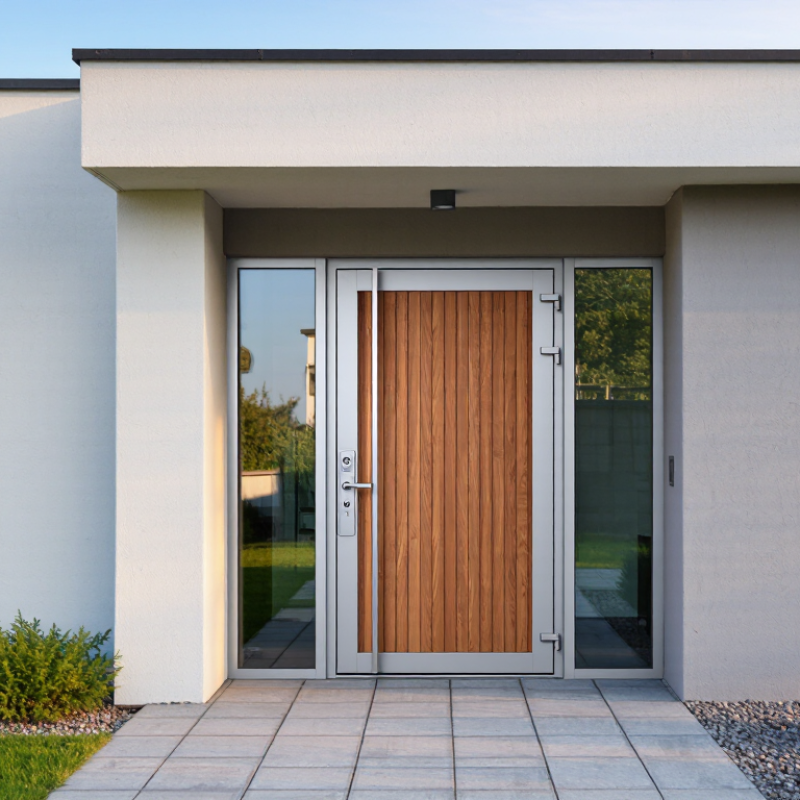
An Aluminium Entry Door is an exterior door made primarily from lightweight, strong aluminium profiles. It welcomes visitors while protecting the building from weather, noise, and unwanted access. Unlike traditional timber doors, aluminium does not rot, warp, or require frequent repainting. It also offers a clean appearance, from slim modern frames to textured finishes that resemble wood.

In real building projects, performance depends on more than the material alone. A well-designed door may include a thermal break, insulated panels, weather-resistant seals, and carefully fitted hinges. These details help reduce heat transfer around the entrance. The threshold matters too. A poorly installed threshold can allow rainwater, dust, or cold air inside. Experienced installers check the opening, surrounding walls, drainage, and door alignment before final adjustment.

Security is another practical reason to consider aluminium. Strong frames can support multi-point locks, laminated glass, and reinforced hardware. However, no door is perfect. Weak installation can reduce the benefits of excellent materials. That point is easy to overlook. Buyers should compare frame construction, glass specifications, warranty terms, and the installer’s experience, rather than choosing by appearance alone. Maintenance is usually simple, involving gentle cleaning and occasional inspection of seals and moving parts. With suitable design and professional fitting, an Aluminium Entry Door can provide a durable, attractive entrance for homes, offices, and commercial buildings. Still, local climate and daily use should guide the final choice. A coastal property, for example, may need a more suitable protective finish against salty air.
What Is an Aluminium Entry Door and Why Choose One?

What Is an Aluminium Entry Door?

An aluminium entry door is a residential or commercial entrance door made with aluminium frames, panels, or both. Aluminium is lightweight, strong, and naturally resistant to rust, making it practical for exposed entrances. Many modern doors use insulated glass, weather seals, and thermal breaks to improve comfort indoors. The thermal break matters because untreated metal can transfer outdoor heat or cold quickly.

From installation experience, aluminium doors feel stable without the heavy movement of some solid timber doors. Their slim frames can also allow more daylight through the entrance. Powder-coated or anodized surfaces usually need only simple cleaning, although scratches and poor drainage should not be ignored. An aluminium door is not perfect. Low-quality seals, incorrect measurements, or weak installation can cause drafts and water problems. That detail is easy to underestimate.

Tips: Check the frame depth, thermal break, glass specification, and drainage design before ordering. Ask for tested air, water, and wind performance where available. Measure the opening carefully, and leave installation to a qualified professional. A beautiful door can still perform poorly if the threshold is uneven. Regularly inspect hinges, seals, and surface damage, especially after harsh weather.

How Are Aluminium Entry Doors Designed and Manufactured?

An aluminium entry door begins with the opening, not a catalogue picture.

Designers measure width, height, wall thickness, swing direction, and local weather exposure. They then create a CAD drawing showing frame depth, glazing position, hinges, lock zones, and drainage paths. Good design balances security, daylight, insulation, and daily handling. It must feel solid without becoming unnecessarily heavy. Small details matter. A low threshold can improve access, but it may need careful water management.

Manufacturing starts by cutting aluminium profiles to precise lengths.

Many insulated doors use a thermal break, separating inner and outer metal with a non-conductive strip. This reduces heat transfer across the frame. Technicians machine hinge pockets, lock channels, and fixing points before assembly. Corner joints are crimped or mechanically fastened, then checked for square. Glazing is installed with setting blocks, gaskets, and measured pressure. Too much pressure can damage the glass or distort the sash. Powder coating follows cleaning and surface preparation. Colour consistency depends on controlled time, temperature, and handling.

Reliable production includes practical testing, not just attractive photographs.

Inspectors check diagonal measurements, gasket contact, lock operation, drainage, and surface damage. Air and water testing can reveal weaknesses around corners and thresholds. Installation also affects performance; a perfect door can fail if the opening is poorly prepared. From fabrication experience, rushed adjustments often create later problems. A drawing may look complete, yet site conditions can disagree. Manufacturers should record measurements, batch details, test results, and fitting changes. Maintenance access is easy to underestimate. Hinges, seals, and drainage channels need reachable inspection points over years of use.

What Features Define Aluminium Entry Door Performance?

What Is an Aluminium Entry Door and Why Choose One?

Aluminium entry door performance depends on more than a strong metal frame. Thermal breaks reduce heat transfer through the profile. They help keep indoor temperatures steadier during hot or cold weather. A low U-value is useful, but it can mislead without proper installation.

Weather seals should close evenly around the entire door leaf. Look for durable gaskets that resist compression, moisture, and temperature changes. Effective drainage channels move rainwater away from the threshold. Small details matter. A badly aligned seal can cause drafts, rattling, or water entry.

Security performance also relies on the lock, hinges, frame connections, and glass specification. Multi-point locking can improve resistance when installed correctly. The surface finish should withstand sunlight, scratches, and regular cleaning. In practical inspections, weak fittings often reduce performance before the aluminium frame does.

Installation changes everything. A skilled installer checks the opening, packers, threshold level, and perimeter sealing. Even a well-tested door may perform poorly inside a distorted wall opening. It is tempting to compare doors only by appearance or thickness. That approach misses thermal bridging, hardware quality, and long-term adjustment needs. Ask for test data, maintenance guidance, and clear warranty conditions. An honest assessment should also recognize that aluminium can feel colder than timber without an effective thermal break.

What Defines Aluminium Entry Door Performance?

Thermal performance is commonly expressed by U-value: the rate of heat transfer through a door or glazing area. A lower U-value indicates better insulation. The figures below are representative benchmarks for common entry-door configurations; actual results depend on frame design, glazing, seals, dimensions, and installation quality.

Thermally broken aluminium frames reduce heat transfer through the metal, while low-emissivity glazing and effective weather seals improve insulation and comfort. Aluminium also supports durable finishes, strong hardware fixing, and long-term resistance to corrosion when correctly specified and maintained.

Why Choose Aluminium for an Entry Door?

An aluminium entry door uses a lightweight metal frame, panels, hinges, seals, and a secure locking system. Aluminium is strong without feeling bulky, so it suits wide entrances and modern homes. Its surface resists rust, moisture, and everyday scratches better than many traditional materials. With a powder-coated finish, the colour can remain stable for years, although fading may still occur in intense sunlight.

Why choose aluminium for an entry door? The material offers reliable strength with relatively little maintenance. It does not need regular painting, and a damp cloth usually removes dust from the frame. Many well-made doors include a thermal break, which helps reduce heat transfer through the metal. Tight seals can also limit draughts and outside noise. Still, aluminium is not automatically energy efficient. A poorly designed frame or badly fitted threshold can weaken its performance.

Tips: Check the door’s thermal specifications, seal quality, and drainage details before buying. Ask an experienced installer to measure the opening carefully. Small gaps can cause cold air, water entry, or difficult locking. Consider the local climate, daily traffic, and the entrance’s exposure to sun and rain. A textured finish may hide fingerprints, but it can be harder to clean. Also, inspect hinges and seals during routine maintenance. This simple habit prevents minor problems from becoming expensive repairs.

How to Select and Maintain an Aluminium Entry Door?

An aluminium entry door has a lightweight frame made from shaped aluminium profiles. Its strength supports large glass panels and slim sightlines. Selection should begin with the opening, climate, and daily use. The U.S. Department of Energy reports that windows account for about 25–30% of residential heating and cooling energy use. A glazed entry door can create similar losses. Check the whole unit’s U-factor, air-leakage rating, and solar heat-gain coefficient. Lower U-factors usually mean better insulation. Thermal breaks, insulated cores, and compression seals also matter. Do not judge quality by frame thickness alone. Look for tested performance and installation instructions.

Tips: Choose corrosion-resistant hardware, a sloped threshold, and adjustable hinges. In wet or coastal areas, ask for suitable coating specifications. Industry guidance from AAMA 609 and 610 recommends gentle cleaning with mild soap and water. Avoid abrasive pads. Inspect seals, screws, drainage holes, and finish damage twice each year. Wipe away salt deposits sooner. A blocked drainage path can leave water near the sill, where small problems become expensive.

Maintenance is practical, not glamorous. Lubricate hinges and locks with the specified product. Replace cracked gaskets rather than adding random sealant. Check that the door closes without force. If the slab drops, adjust the hinges early. I have seen owners ignore a slight scrape for months. It often becomes a warped seal or damaged threshold. Aluminium resists rust, but it is not maintenance-free. The International Energy Agency’s Buildings 2023 report also highlights buildings’ major energy demand, making small envelope improvements worth examining carefully.

What Is an Aluminium Entry Door and Why Choose One? - How to Select and Maintain an Aluminium Entry Door?

Data Dimension Key Information Practical Selection Guidance Maintenance or Performance Note
Definition An aluminium entry door uses aluminium profiles as the main frame and sash material, usually combined with insulated panels or glass. Confirm that the frame, threshold, hardware, glazing, and weather seals are designed as one compatible door system. Check the complete assembly rather than judging performance from the metal material alone.
Material Characteristics Aluminium is lightweight, rigid, corrosion-resistant in normal architectural applications, and suitable for slim modern profiles. Choose a finish and construction appropriate for the local climate, especially in coastal or high-humidity areas. Remove salt, dirt, and standing moisture regularly to reduce surface staining and hardware wear.
Thermal Insulation Aluminium conducts heat efficiently, so insulated doors generally require a thermal break and insulated glazing or panels. Look for published whole-door U-value data, not only the U-value of the glass or panel. Lower U-values indicate better insulation. Inspect seals and the threshold for gaps, compression loss, or damage that can increase heat transfer and air leakage.
Weather Resistance Resistance to wind-driven rain and air infiltration depends on the frame, gaskets, drainage paths, threshold, and installation quality. Request tested air, water, and wind performance where local exposure is severe or building regulations require it. Keep drainage openings clear and replace cracked, flattened, or loose weather seals.
Durability Aluminium does not rot or swell like untreated wood and is resistant to many common forms of corrosion when properly finished. Review coating quality, finish suitability, hardware grade, and available warranty terms before purchase. Avoid abrasive cleaners and promptly repair scratches or coating damage according to the finish supplier's instructions.
Security Security is determined by the door leaf, frame, hinges, cylinder, lock, glazing, and the strength of the surrounding wall connection. Select multipoint locking where appropriate and verify that the complete door assembly has relevant security test evidence. Keep lock and hinge fixings tight, lubricate only as directed, and replace worn cylinders or damaged hardware.
Design and Glazing Aluminium profiles support many panel, colour, glass, sidelights, and transom configurations. Balance daylight, privacy, solar control, visual style, and glass safety requirements for the entrance location. Clean glass with a non-abrasive solution and inspect glazing gaskets for shrinkage or displacement.
Sizing and Installation Correct opening measurements, plumb alignment, adequate fixing, and proper perimeter sealing are essential to performance. Measure width, height, wall thickness, sill condition, door swing, and clearance before ordering. Have the frame checked after installation for squareness, smooth operation, even gaps, and continuous seal contact.
Cleaning Frequency Routine cleaning prevents abrasive particles and corrosive deposits from accumulating on the finish. Use clean water, a soft cloth or sponge, and a mild pH-neutral detergent; rinse thoroughly afterward. Clean at least every six months in ordinary conditions and more frequently in coastal, industrial, or heavily polluted locations.
Annual Inspection A yearly review can identify adjustment, sealing, drainage, finish, and hardware issues before they become major faults. Include the door closer, hinges, lock points, handles, threshold, gaskets, drainage holes, and perimeter sealant. Arrange professional adjustment or replacement if the door binds, drafts, leaks, drops, or no longer latches reliably.
Main Advantages Light weight, structural rigidity, low risk of rot, design flexibility, and generally modest routine-care requirements. Choose aluminium when long-term appearance, slim sightlines, and resistance to moisture-related deterioration are priorities. Performance still depends on thermal design, hardware quality, weather seals, and correct installation.

FAQS

What is an aluminium entry door?

It is an entrance door using aluminium frames, panels, or both. The material is lightweight, strong, and naturally rust-resistant. It suits homes and commercial buildings.

Why choose aluminium for an entry door?

Aluminium provides strength without a bulky feel. Slim frames can allow more daylight inside. The surface usually needs only simple cleaning. Still, appearance alone proves little.

Does an aluminium door improve indoor comfort?

It can, especially with insulated glass, tight seals, and a thermal break. A thermal break reduces heat transfer through the metal frame. Poor seals can still cause draughts.

What should buyers check before ordering?

Check frame depth, thermal performance, glass specification, seals, and drainage design. Ask for tested air, water, and wind performance. Measure the opening carefully.

How are aluminium entry doors manufactured?

Profiles are cut to measured lengths. Technicians machine hinge pockets, lock channels, and fixing points. Corners are mechanically joined and checked for square. Gaskets and setting blocks hold the glass securely.

How does a thermal break work?

It separates the inner and outer aluminium sections with a non-conductive strip. This slows heat movement through the frame. Untreated metal transfers heat or cold quickly.

Can installation problems affect door performance?

Yes. An uneven threshold can cause water entry or difficult locking. Poor measurements may create gaps around the frame. A qualified installer matters. Installation is sometimes underestimated.

How should an aluminium entry door be maintained?

Wipe the frame with a damp cloth. Inspect hinges, seals, drainage channels, and visible scratches. Check them after severe weather. Small problems matter.

Is aluminium automatically energy efficient?

No. Performance depends on the frame design, thermal break, glass, seals, and threshold. A poorly fitted door may still feel cold. I might underestimate maintenance access, but it deserves attention.

Conclusion

An Aluminium Entry Door is a modern entrance solution made from lightweight yet strong aluminium profiles, often combined with insulated panels, glass, seals, and secure locking systems. Its design and manufacturing process focuses on accurate cutting, strong frame assembly, durable surface finishing, and careful integration of hardware. These steps help create a door that is stable, weather-resistant, energy-efficient, and visually adaptable to different architectural styles.

Aluminium Entry Door performance is defined by factors such as thermal insulation, airtightness, water resistance, impact strength, security, and smooth operation. Homeowners may choose aluminium because it offers a long service life, low maintenance needs, resistance to corrosion, and a wide range of colors and finishes. When selecting one, consider the entrance size, climate, insulation requirements, glazing options, threshold design, security features, and installation quality. Regular cleaning, checking seals and hinges, and keeping drainage paths clear can help maintain its appearance and performance for many years.

Liam

Liam

Liam is a dedicated marketing professional with a profound expertise in the industry, where he excels at highlighting the unique advantages of our core products. With a keen understanding of market trends and consumer needs, Liam frequently updates our company’s professional blog, providing......