What Are the 2026 Best Aluminium Entrance Door Types?

Time:2026-10-24 Author:Henry
0%

Choosing the best Aluminium Entrance Door for 2026 requires more than comparing colours and price tags. The door must manage security, weather, insulation, accessibility, and daily wear. A sleek black frame may look impressive, yet poor threshold detailing can invite cold air and rain.

The International Energy Agency’s 2024 Global Status Report for Buildings and Construction states that buildings consume about 30% of global final energy. Its findings make thermal performance an essential design concern. The European Commission’s Energy Performance of Buildings guidance also highlights airtightness, insulation, and efficient building envelopes. These points directly affect entrance-door selection. A well-installed Aluminium Entrance Door can support stronger envelope performance, especially when its thermal break, seals, glazing, and threshold work together.

Small details matter.

Building-science expert Dr. Joseph Lstiburek is widely associated with the warning, “Water is the most destructive force on Earth.” His observation is highly relevant to entrance design. Water management often depends on slope, drainage, flashing, and installation quality. Not every premium-looking door performs equally well. That is where product testing, experienced fitting, and documented U-values become more important than showroom appearance.

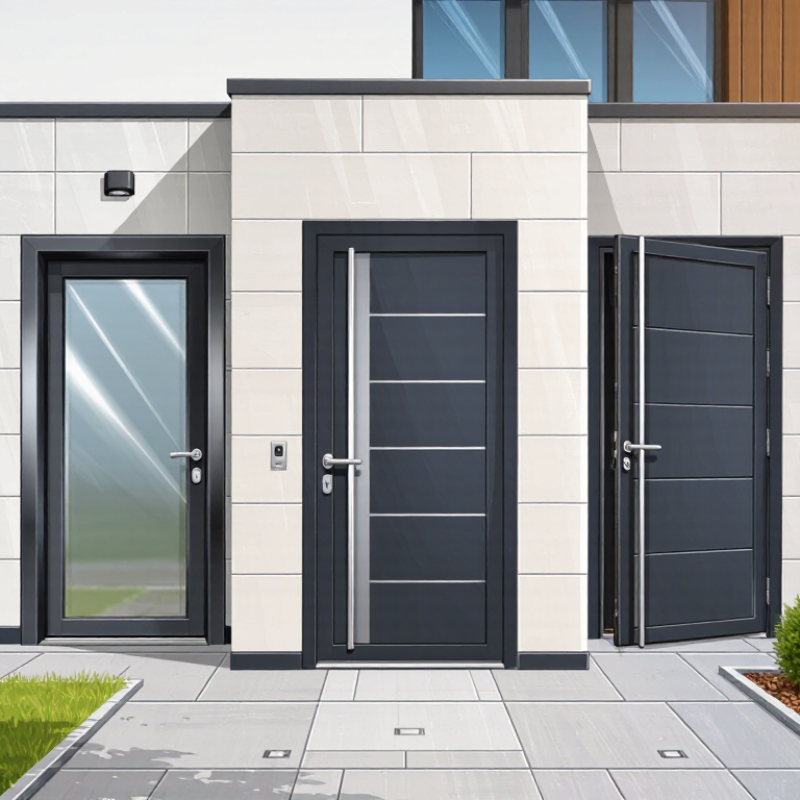
This guide examines the leading Aluminium Entrance Door types for 2026, including thermally broken panels, glazed systems, pivot designs, sliding solutions, and bespoke security doors. Some rankings remain subjective. Homeowners should still check local climate, exposure, budget, and maintenance expectations before deciding.
What Are the 2026 Best Aluminium Entrance Door Types?

Aluminium Entrance Door Types and Their Core Features

What Are the 2026 Best Aluminium Entrance Door Types?

Aluminium entrance doors now come in several practical styles. Hinged doors remain popular for compact porches and traditional entrances. They need strong hinges, accurate alignment, and a reliable multi-point locking system. Pivot doors create a wider opening and a dramatic appearance. However, they need careful structural planning and enough surrounding space. Sliding doors suit modern homes with limited swing space. Their rollers and tracks must resist dust, water, and daily wear. Folding doors offer broad access, but their many moving panels require regular adjustment.

Core features matter more than appearance alone. A thermal break reduces heat transfer through the aluminium frame. Double or triple glazing can improve comfort and reduce outside noise. Effective seals help prevent drafts around the door leaf. A low threshold supports easier access, but it still needs proper drainage. Powder-coated surfaces resist fading and scratches, although no finish stays perfect forever. In real inspections, small installation errors often cause bigger problems than the door design itself. A beautiful door can still feel wrong when it closes unevenly.

Tips: Check the wall opening before choosing a door type. Ask for tested thermal and security performance. Inspect hinges, seals, drainage channels, and threshold details. Choose glass carefully for privacy and daylight. Do not ignore maintenance access. Some stylish systems look simple, but their hardware can be surprisingly complex.

How 2026 Aluminium Entrance Door Designs Differ

What Are the 2026 Best Aluminium Entrance Door Types?

In 2026, aluminium entrance doors differ mainly through proportion, movement, insulation, and surface detail. Hinged doors remain practical for compact entrances, while pivot doors create wider, more dramatic openings. Sliding systems suit modern homes with limited swing space. However, sliding doors need carefully protected tracks and accurate installation. A small alignment error can cause annoying resistance.

Design language is also changing. Slim frames, concealed hinges, flush panels, and textured powder-coated finishes create a quieter appearance. Large glass sections bring daylight, but they can reduce privacy and increase heat gain without suitable glazing. Thermally broken aluminium frames improve indoor comfort, especially beside heated rooms. I would always check the threshold, drainage, air sealing, and hardware movement before judging appearance. A beautiful door can still perform poorly. That is an easy mistake to make.

Tips: Match the door type to daily traffic, not only the façade. For busy entrances, choose durable hinges and replaceable seals. For exposed locations, inspect water management and wind resistance. Ask for tested thermal and security data, then confirm the installation method. Do not assume a thicker frame is automatically better. Sometimes, a simpler profile works more reliably. Consider how wet shoes, bicycles, furniture, and evening lighting will affect the entrance over time.

What Are the 2026 Best Aluminium Entrance Door Types?

Typical thermal transmittance comparison of aluminium entrance door designs. Lower U-values indicate better insulation performance.

In 2026, thermally broken aluminium doors with triple glazing or insulated panels generally provide the strongest energy performance. Double-glazed systems offer a balanced combination of insulation, daylight, and cost, while non-thermally broken doors are mainly suited to unconditioned spaces. Values shown are representative design benchmarks; final performance depends on the complete door assembly, glazing, size, hardware, and installation.

Key Materials, Finishes, and Security Options

What Are the 2026 Best Aluminium Entrance Door Types?

The best aluminium entrance door depends on your home’s layout, climate, and security needs. Hinged doors remain practical for narrow porches and traditional entrances. Pivot doors create a wider opening, but they require accurate structural planning. Sliding aluminium doors suit compact entrances, although their tracks need regular cleaning.

Material quality matters more than appearance alone. Choose thermally broken aluminium to reduce cold bridges and indoor condensation. Reinforced profiles can improve stability, especially on wide or tall doors. Laminated or toughened glass adds daylight without making the entrance feel fragile. Check the frame depth, drainage channels, and installation tolerances. Small details matter.

Finishes should survive real weather. Powder-coated surfaces offer many colours and resist peeling when properly prepared. Anodised finishes provide a clean metallic appearance and strong surface protection. Wood-effect finishes feel warmer, but scratches may be more visible. No finish is maintenance-free. That is easy to forget.

Tips: Select a multi-point lock, protected cylinders, and concealed or security-rated hinges. For glazed panels, ask about laminated security glass. Smart locks can be convenient, but keep a dependable mechanical access method. Test the door before final payment; uneven gaps, stiff handles, or a loose seal may reveal poor installation. Security hardware cannot correct a badly fitted frame.

Choosing an Aluminium Entrance Door for Each Property

Choosing an aluminium entrance door depends on the property, not only on appearance. A compact urban home often suits a thermally broken hinged door. It needs less wall space and usually seals well against wind and rain. For a larger detached house, a wide pivot door can create a stronger architectural entrance. However, its weight, opening clearance, and installation quality need careful checking.

Apartments and narrow townhouses may benefit from a glazed aluminium door with slim frames. Natural light can make a dark hallway feel noticeably larger. Choose laminated or toughened glazing where appropriate, with privacy glass for street-facing rooms. For coastal properties, use corrosion-resistant finishes and inspect drainage details closely. Salt air is unforgiving. A powder-coated surface alone cannot correct poor maintenance or unsuitable hardware.

Commercial buildings, offices, and modern extensions often suit automatic sliding entrances. They support frequent movement and improve accessibility when properly designed. Still, sliding systems can require more cleaning around tracks and sensors. From installation experience, small alignment errors may cause noise, resistance, or uneven closing. Ask the installer about thermal performance, air leakage, threshold height, locking points, and maintenance access. Security is not just a thick frame. It also depends on the cylinder, hinges, glass, and surrounding wall. An attractive door can perform poorly if the opening is measured incorrectly. This part is easy to underestimate.

What Are the 2026 Best Aluminium Entrance Door Types? - Choosing an Aluminium Entrance Door for Each Property

Performance figures are indicative ranges for modern thermally broken aluminium entrance doors. Actual results depend on door size, glazing, frame design, installation quality, climate and local building regulations.
Aluminium Entrance Door Type Best-Suited Property Main Advantages Typical Thermal Performance Security Potential Weather Resistance Maintenance Level Design Options Key Consideration
Single Hinged Aluminium Door Most apartments, townhouses and standard detached homes Space-efficient, familiar operation, broad size range and generally the simplest installation Approximately 1.0–1.6 W/m²K for a complete glazed door, depending on glazing and panel specification ★★★★★
Can accept multi-point locks, reinforced hinges and laminated security glazing
Very good when fitted with continuous gaskets, a suitable threshold and correct drainage Low; periodic cleaning, gasket inspection and hardware lubrication are normally sufficient Full panel, glazed, side-light compatible, flush or decorative panel styles Choose an inward- or outward-opening configuration according to hallway space, access rules and local regulations
Double Hinged Aluminium Door Large villas, country houses and properties with wide entrance halls Creates a wide opening, improves moving access and provides a balanced architectural appearance Approximately 1.1–1.8 W/m²K for the complete door assembly ★★★★★
Requires robust meeting-stile locking, secure hinges and accurate alignment
Very good, although the central meeting area needs carefully designed seals Low to moderate; both leaves and the locking interface require periodic adjustment checks Equal or unequal leaves, matching sidelights, glass panels and large-format door panels Needs adequate clearance and a strong, accurately prepared opening to prevent operational problems
Aluminium Door with Sidelights Dark entrance corridors, modern homes and properties needing more natural light Increases daylight and visual openness without using a wider active door leaf Approximately 1.0–1.7 W/m²K, strongly influenced by the glass area and glazing type ★★★★☆
Use laminated or toughened safety glass and secure fixed-frame connections
Very good when the junction between the door frame and sidelights is correctly sealed Low; glass, seals and frame surfaces need routine cleaning and inspection Single or double sidelights, clear, frosted, textured or decorative safety glazing Glazing increases daylight but may reduce privacy and can affect solar heat gain
Aluminium Door with Fanlight Period-inspired homes, high-ceiling entrances and narrow but tall doorways Uses vertical space efficiently and introduces daylight above the entrance Approximately 1.1–1.8 W/m²K for the complete framed opening ★★★★☆
Fixed safety glazing and a reinforced frame can provide strong protection
Good to very good when the transom connection and upper drainage details are correctly installed Low; requires normal glass, seal and hardware maintenance Fixed fanlight, rectangular or arched visual designs, clear or privacy glazing Requires sufficient structural height and careful coordination between the door and transom frame
Pivot Aluminium Entrance Door Contemporary villas, architect-designed houses and statement entrances Allows large, visually continuous door leaves and distinctive modern proportions Approximately 1.2–2.0 W/m²K; very large leaves may have higher heat transfer ★★★★☆
Security depends on concealed locking, pivot hardware, leaf stability and frame design
Good when the pivot system, threshold and perimeter seals are properly engineered Moderate; pivot hardware and alignment should be checked more regularly than on a standard hinged door Large-format panels, narrow shadow gaps, flush surfaces and oversized glazed sections Needs precise installation, sufficient structural support and enough swing clearance on both sides
Sliding Aluminium Entrance Door Modern homes, accessible entrances and properties opening onto courtyards or terraces Provides a wide clear opening without requiring a large swing area Approximately 1.3–2.2 W/m²K, depending on the sliding system, panel size and weather seals ★★★★☆
Security improves with anti-lift devices, multi-point locking and laminated glass
Good; performance depends heavily on track drainage, seals and correct adjustment Moderate; tracks must be kept clean and rollers may require adjustment or replacement over time Two-panel, multi-panel, pocket-style or fixed-panel combinations with expansive glazing Track detailing and drainage are critical, particularly in exposed or high-rainfall locations
Thermally Broken Aluminium Door Cold climates, energy-efficient homes and renovated properties with insulated envelopes Reduces conductive heat transfer through the frame and helps limit internal condensation risk Approximately 0.8–1.5 W/m²K for a complete door, subject to glazing and panel selection ★★★★★
Thermal design does not replace the need for certified locks, strong hinges and secure glazing
Very good when combined with quality gaskets, an insulated threshold and professional installation Low; routine cleaning and periodic seal and hardware checks are normally adequate Compatible with hinged, pivot, sliding, glazed and solid-panel entrance designs Specify the whole-door U-value rather than relying only on the frame U-value
Low-Threshold Aluminium Entrance Door Accessible homes, multigenerational households and entrances requiring easier wheeled access Reduces the step at the threshold and supports smoother movement for wheelchairs, prams and luggage Approximately 1.1–1.8 W/m²K, depending on the threshold design and complete door specification ★★★★☆
Can provide strong protection when the low threshold is paired with suitable locks and drainage
Good, but the threshold must balance accessibility, water drainage and wind sealing Low to moderate; threshold channels and drainage paths need regular cleaning Hinged or sliding configurations with flush floor transitions and integrated weather detailing Confirm local accessibility, drainage and water-ingress requirements before selecting the threshold
Glazed Aluminium Entrance Door Contemporary properties that prioritise daylight, visibility and a lighter entrance appearance Maximises natural light and can make a compact entrance feel larger Approximately 1.0–1.8 W/m²K with double glazing; triple glazing can improve insulation where compatible ★★★★☆
Use safety-rated laminated or toughened glass and appropriate privacy solutions
Very good with correctly specified glazing beads, seals and drainage details Low; requires regular cleaning and inspection of glazing seals and hardware Clear, tinted, frosted, patterned, wired-look or privacy glazing options Consider privacy, solar control, glare and glass safety requirements before choosing the glazing
Solid Aluminium Panel Door Urban homes, north-facing entrances and properties requiring greater privacy Offers strong privacy, a substantial appearance and fewer glass-cleaning requirements Approximately 0.9–1.6 W/m²K when combined with an insulated panel and thermally broken frame ★★★★★
Solid panels can be paired with reinforced locks, security hinges and concealed fixings
Very good when panel joints, gaskets and the threshold are properly sealed Low; powder-coated or anodised surfaces generally require only non-abrasive cleaning Plain, grooved, ribbed, recessed, flush or mixed-material visual designs Darker finishes can absorb more solar heat, especially on south- or west-facing elevations
Selection priority for 2026: For most properties, a thermally broken aluminium door with certified security hardware, low-emissivity safety glazing where required, durable powder-coated or anodised finishes, and professional installation provides the best balance of energy efficiency, security, durability and design flexibility.

Installation, Maintenance, and Long-Term Performance

What Are the 2026 Best Aluminium Entrance Door Types?

For 2026, the strongest aluminium entrance door types include thermally broken hinged, pivot, and sliding designs. Hinged doors suit compact porches and frequent daily use. Pivot doors create wider openings, but their hinges need accurate floor support. Sliding doors save space, although their tracks require careful cleaning.

Installation determines much of the door’s future performance. The opening should be square, dry, and strong enough for the frame. Installers must check the threshold level with a spirit level. Poor alignment can cause rubbing, air leakage, or uneven locking. Thermal breaks reduce heat transfer through the frame. However, they cannot correct poor wall insulation or badly fitted glass. Small errors matter.

Maintenance is simple, but it should not be ignored. Wash aluminium surfaces with mild soap and clean water every few months. Coastal properties need more frequent rinsing because salt can dull the finish and attack fittings. Keep drainage channels clear of leaves and grit. Inspect seals annually. Replace cracked or flattened gaskets promptly. Lubricate hinges and locks only with suitable products.

Long-term performance also depends on daily use. Do not force a stiff handle. Do not hang heavy items from the door. A well-made frame may remain stable for many years, but adjustment can still become necessary. In practice, perfection is rare. Even a professionally installed door may need hinge tuning after seasonal movement. That small correction often prevents larger repair costs.

FAQS

Which aluminium entrance door type suits a compact home?

A thermally broken hinged door usually fits compact porches and narrow entrances. It needs less swing space than larger systems. Strong hinges and accurate alignment matter. Small errors matter.

When is a pivot door a practical choice?

Pivot doors suit larger homes with enough opening clearance and structural support. They create a wide, dramatic entrance. Their weight requires careful floor planning. The appearance may impress, but installation can be demanding.

Are sliding aluminium doors suitable for narrow spaces?

Yes. Sliding doors avoid the swing area needed by hinged doors. They work well in narrow townhouses, apartments, and modern extensions. Clean tracks regularly. Dust can create noise, resistance, or uneven closing.

What features improve comfort and energy performance?

A thermal break reduces heat transfer through the aluminium frame. Double or triple glazing can improve comfort and reduce outside noise. Effective seals limit drafts. These features cannot fix poor wall insulation or badly fitted glass.

How should glass be selected for an entrance door?

Choose glazing according to privacy, daylight, and safety needs. Street-facing rooms may benefit from privacy glass. Laminated or toughened glazing can be appropriate where specified. More daylight can make a dark hallway feel larger.

What should be checked before installation?

Check that the wall opening is square, dry, and structurally strong. Measure threshold height and confirm drainage paths. Inspect hinges, seals, locking points, and maintenance access. A beautiful door can still close badly.

How should aluminium entrance doors be maintained?

Wash surfaces with mild soap and clean water every few months. Rinse coastal doors more often because salt attacks finishes and fittings. Clear leaves and grit from drainage channels. Inspect seals annually. Do not force a stiff handle.

How can long-term performance be preserved?

Lubricate hinges and locks with suitable products. Avoid hanging heavy items from the door. Seasonal movement may require hinge adjustment. Perfection is unlikely. A small correction can prevent larger repair costs.

Conclusion

Choosing the best Aluminium Entrance Door in 2026 involves balancing design, performance, security, and long-term value. Popular types include single, double, sliding, pivot, and glazed entrance doors, each offering different benefits for space, accessibility, natural light, and architectural style. Modern designs focus on clean profiles, larger glass areas, improved thermal insulation, and smart-looking finishes that suit both contemporary and traditional properties.

Material quality, powder-coated or anodized finishes, multi-point locking systems, reinforced frames, and energy-efficient glazing all contribute to a door’s durability and security. The right choice should reflect the property’s layout, climate, usage needs, and overall appearance. Professional installation helps ensure accurate alignment, weather resistance, and reliable operation, while routine cleaning, hardware checks, and finish care can extend service life. With suitable specifications and proper maintenance, an Aluminium Entrance Door can provide lasting protection, comfort, and visual appeal for residential or commercial buildings.

Henry

Henry

Henry is a dedicated marketing professional with a profound expertise in the company's offerings. With years of experience in the industry, he possesses an impressive understanding of the market dynamics and consumer behaviors that drive success. Henry is committed to sharing his insights through......