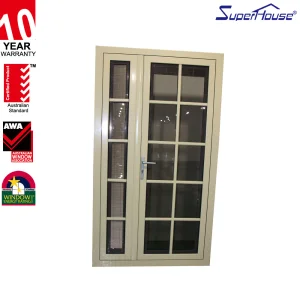
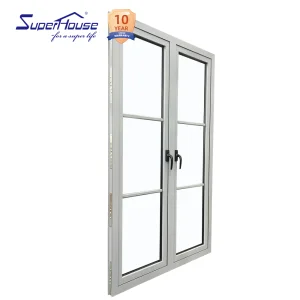
Explore our structural-grade, hurricane-rated, and thermally broken casement windows engineered for extreme climate resistance and modern architectural design aesthetics.
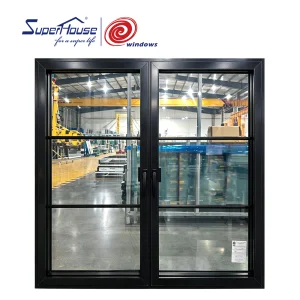
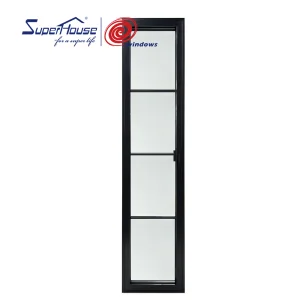
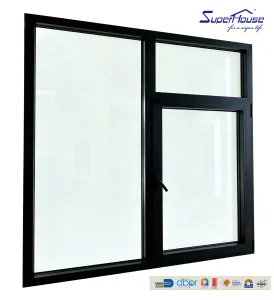
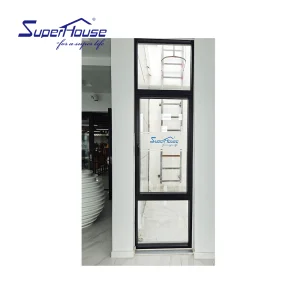
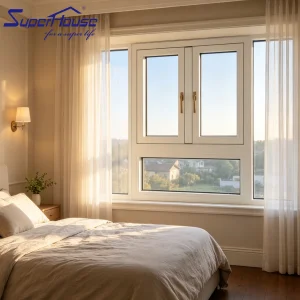
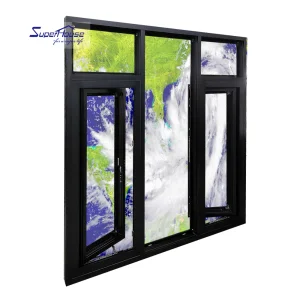
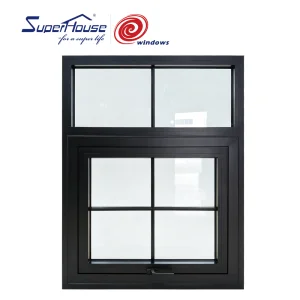
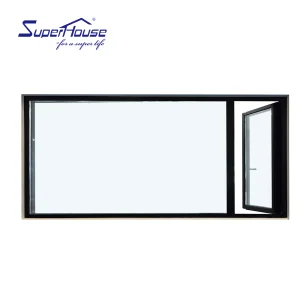
The global architectural envelope industry has undergone a radical transformation. As modern building codes across North America, Europe, and Australia demand hyper-stringent energy compliance, structural integrity, and acoustic dampening, aluminum casement windows have emerged as the paramount architectural fenestration choice for high-tier residential developments and commercial infrastructure.
Unlike sliding window systems, which fundamentally rely on brush seals that degrade over operational lifespans, casement windows utilize compression gasket seals around their entire perimeter. When closed, the sash is compressed tightly against the frame by multi-point locking hardware, creating an impermeable barrier against air infiltration, water ingress, and structural wind pressure.
In North America—specifically Florida coastal regions and California urban sectors—demand is heavily dictated by severe weather resilience (Miami-Dade NOA certifications) and strict energy compliance (California Title 24). Developers require extruded 6063-T5/T6 aluminum profiles with high structural moment of inertia capable of surviving sustained category-5 hurricane winds.
Across Western Europe, fenestration standards prioritize extreme thermal isolation to achieve Passive House performance (U-values below 0.8 W/m²K). Advanced multi-chambered polyamide thermal breaks (PA66GF25 with 25% glass fiber reinforcement) combined with triple-glazed Low-E gas units dominate both retrofit and new construction sectors.
Australia and New Zealand mandate rigorous testing under AS2047 and AS1288 standards. Fenestration systems installed along coastal regions must withstand high water pressure differentials (up to 600 Pa) and intensive UV degradation, driving the adoption of high-micron powder coating and fluorocarbon PVDF surface finishes.
The modern casement window is no longer a simple static opening; it is a complex, engineered micro-system balancing thermodynamics, structural mechanics, and optical clarity. Modern architectural trends emphasize four core technological breakthroughs:
To conquer aluminum’s high natural thermal conductivity (approx. 160 W/mK), advanced extrusion profiles incorporate high-precision PA66GF25 thermal struts. These non-conductive barriers separate the exterior and interior aluminum extrusions, reducing frame heat transfer by over 70% and preventing internal condensation in extreme climates.
Integrating SentryGlas® (SGP) or Polyvinyl Butyral (PVB) interlayers between double-tempered glass panes allows casement windows to resist severe missile impacts during hurricanes. Even if shattered, the glass remains structural within the aluminum sash matrix, protecting building interiors from catastrophic atmospheric pressure drops.
Architectural demands favor maximum natural daylighting and ultra-slim frame profiles. Engineering innovations in high-tensile 6063-T6 alloy extrusion allow casement sashes to reach heights exceeding 3,000 mm while maintaining deflection resistance under severe wind loads without visible heavy structural mullions.
Modern casement systems employ German-engineered heavy-duty hardware (such as Siegenia, Hoppe, or Sobinco). Heavy friction hinges support sash weights up to 180 kg, while multi-point locking points around the sash frame provide superior anti-burglary protection (PAS 24 / RC2 standards) and continuous seal force.
Fenestration design must precisely align with regional climate stresses and statutory building codes. Below is an engineering analysis of customized aluminum casement window applications across key global markets:
| Target Market & Region | Regulatory Certification Standards | Critical Performance Requirement | Recommended Window Configuration |
|---|---|---|---|
| USA: Florida Coastal (Miami-Dade / Broward) | Miami-Dade NOA, Florida Product Approval (FPA), NFRC | Large Missile Impact Resistance (+/- 70 PSF Design Pressure) | Thermally Broken 6063-T6 Aluminum + SGP Laminated Double Glazed Low-E + Stainless Steel 316 Hardware. |
| USA: California & West Coast | California Title 24 Energy Code, NFRC Certified | Ultra-low U-factor (≤ 0.24 Btu/h·ft²·°F) & SHGC control | Multi-Chambered Thermal Break + Double/Triple Glazed Argon-filled Warm Edge Spacer Low-E glass. |
| Australia & New Zealand | AS2047, AS1288, WERS (Window Energy Rating Scheme) | Water Penetration Resistance (450-600 Pa) & High Structural Loading | Heavy-duty Outswing Casement + Stainless Steel Flyscreen / Retractable Mesh + Interlocking Weatherstrip Gaskets. |
| Western Europe (UK, Germany, France) | CE Mark, EN 14351-1, Passive House Institute Standard | Thermal Insulation (U-value ≤ 0.8 W/m²K), Acoustic Reduction (≥ 42 dB) | Triple-Glazed Low-E Laminated Glass + 34mm Polyamide Struts + Concealed European Groove Tilt-Turn / Casement Hardware. |
Founded in 2007, Luxfront Architectural Doors Ltd. is a modern high-end door enterprise utilizing a state-of-the-art 26,000 m² production facility. Backed by 17 years of technical manufacturing heritage and 7 years of international trade operations, the firm achieves $21 million in annual export revenue. Luxfront caters predominantly to North America, Western Europe, and Australia, serving boutique housing developers, luxury home builders, and architectural design agencies.
Working alongside 720 specialized raw material supply partners, quality assurance remains central to operations. A dedicated team of 32 QA inspectors oversees full-process sampling, CMM dimensional measurements, and weather-seal performance evaluations. Driven by market-leading architectural innovation, Luxfront's 45 R&D engineers released 110 original door designs last season. Complete custom options are available, covering large-format pivot door structures, concealed hinges, integrated LED ambient lighting, and premium wood-veneer aluminum finishes.
32 dedicated inspectors managing micro-gauge profile tolerances, anodizing thickness checks, EPDM gasket compressibility tests, and pressurized water chamber simulations.
45 structural engineers capable of executing custom BIM/AutoCAD store-front schematics, thermal break customization, and bespoke hardware integration within 72 hours.
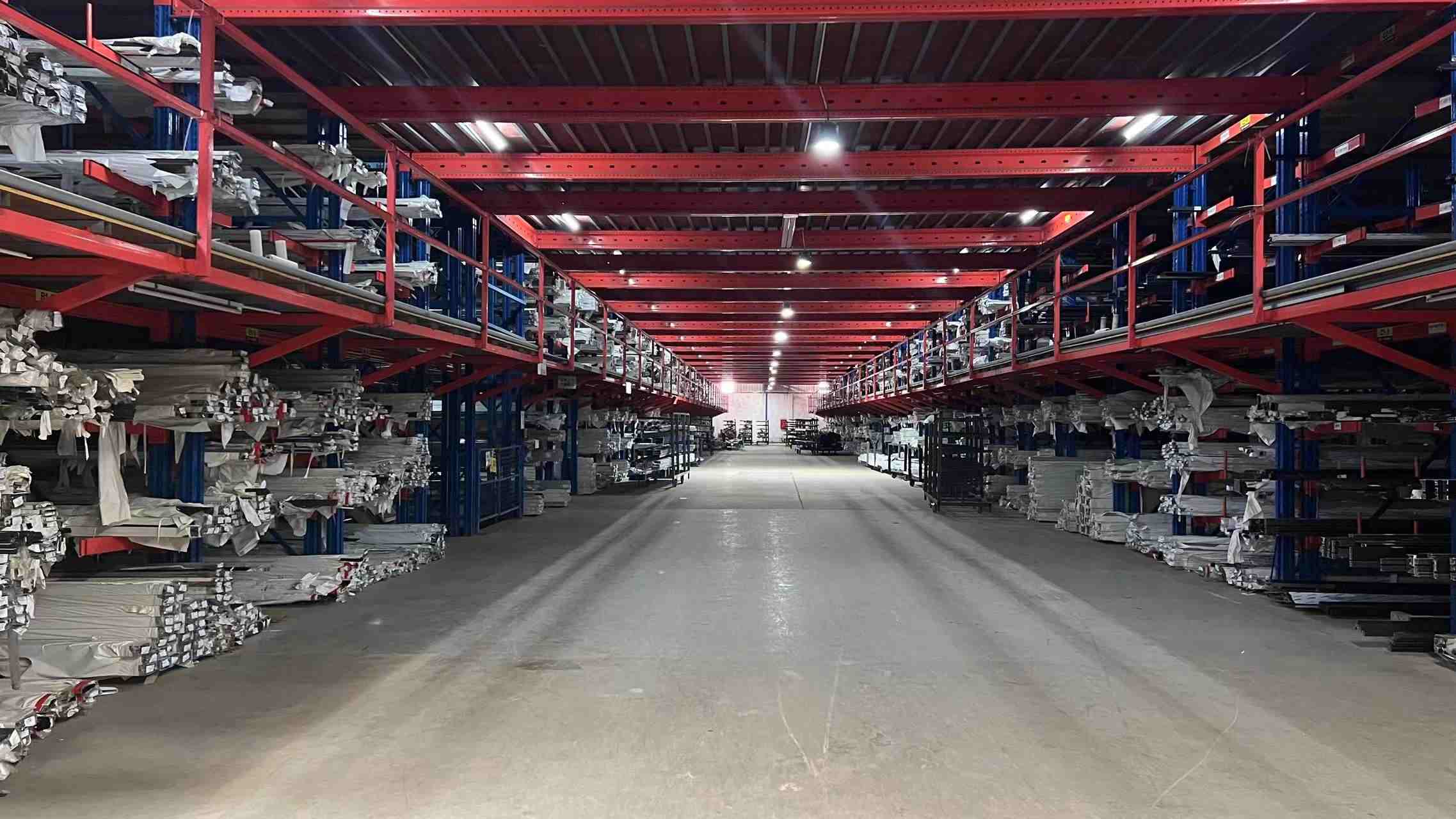
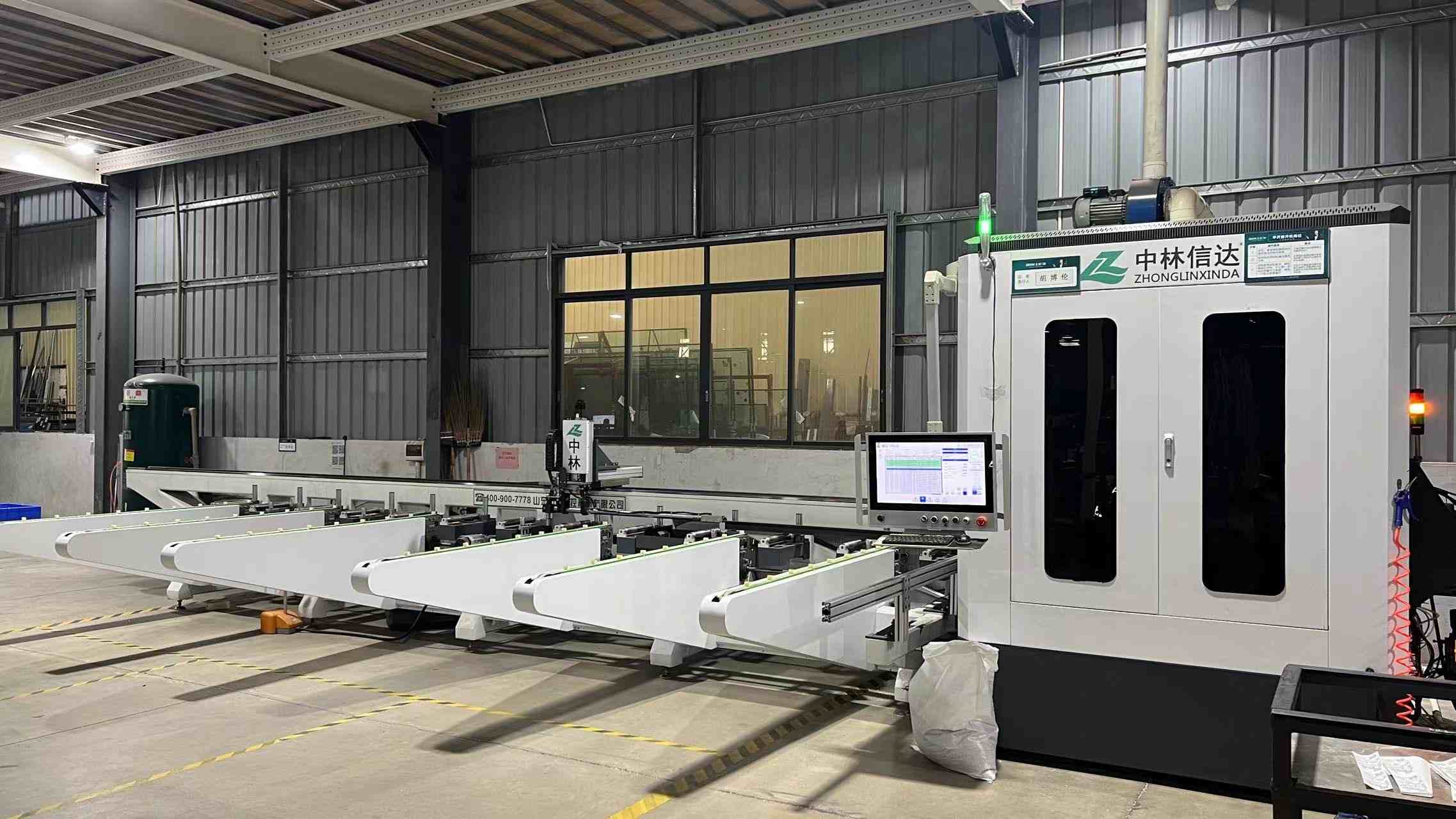
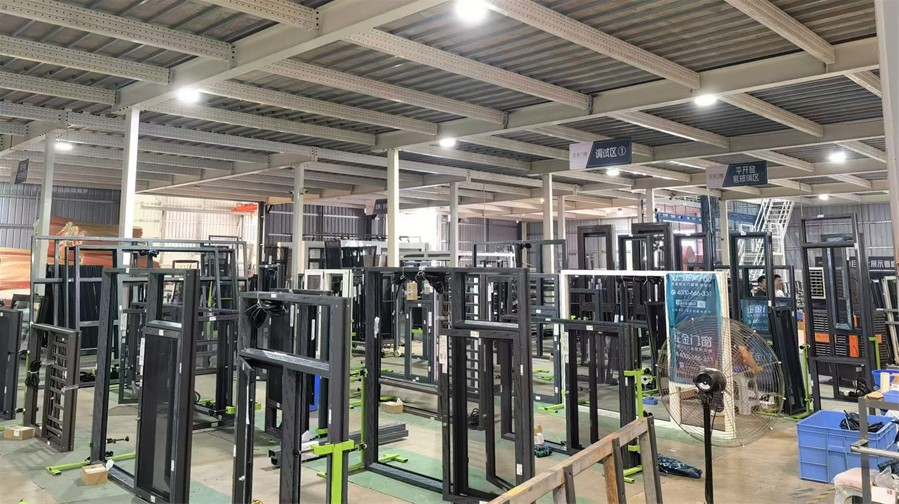
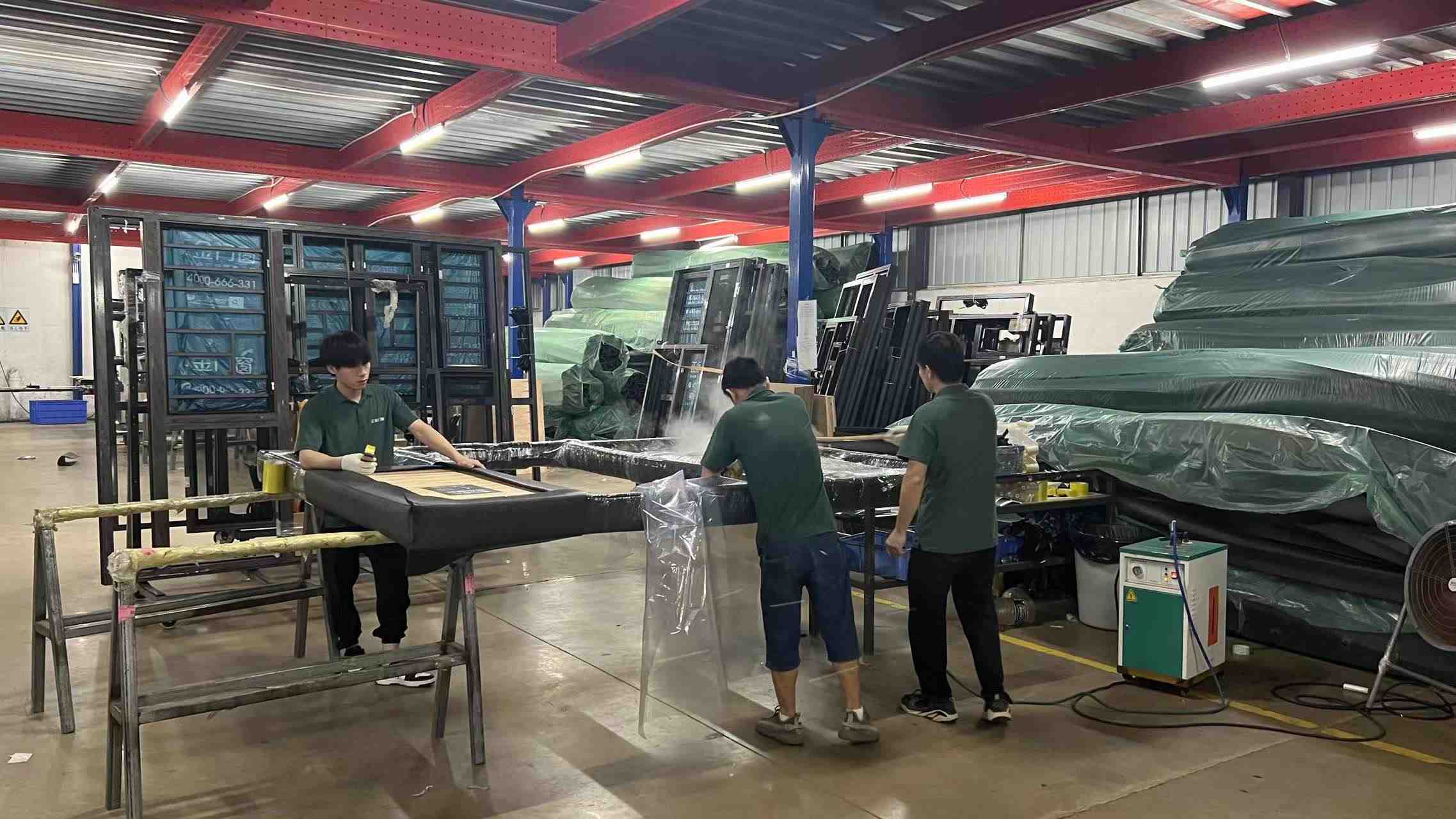
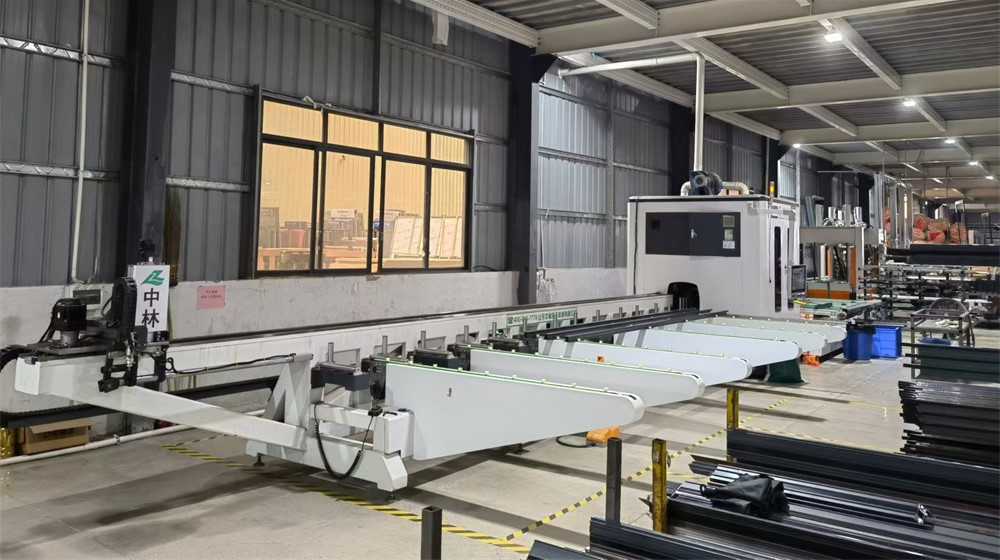
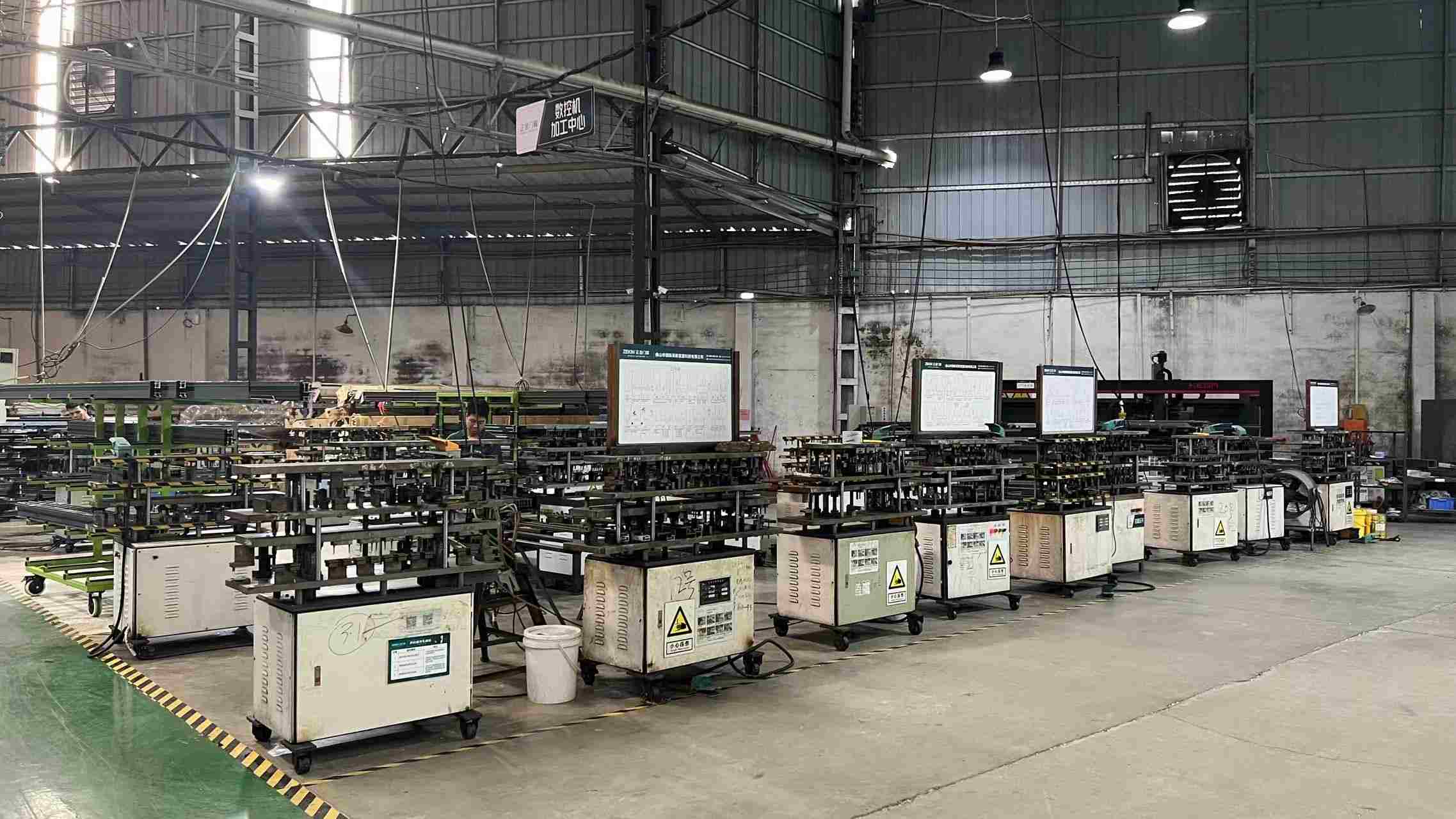
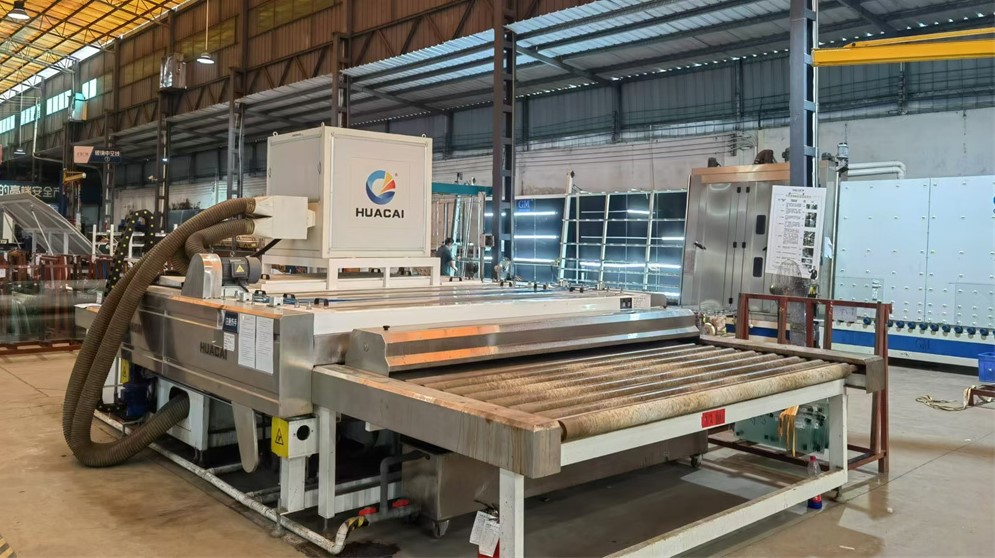
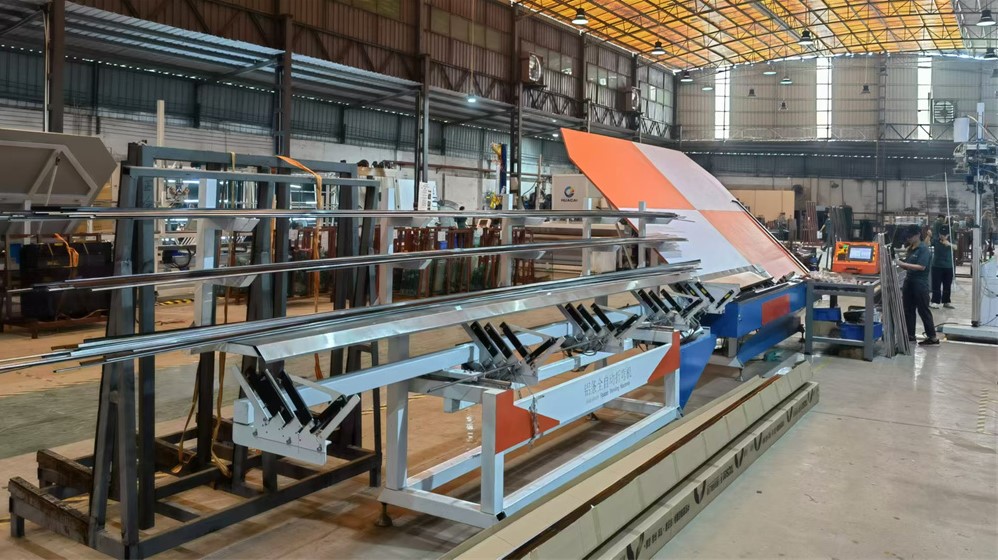
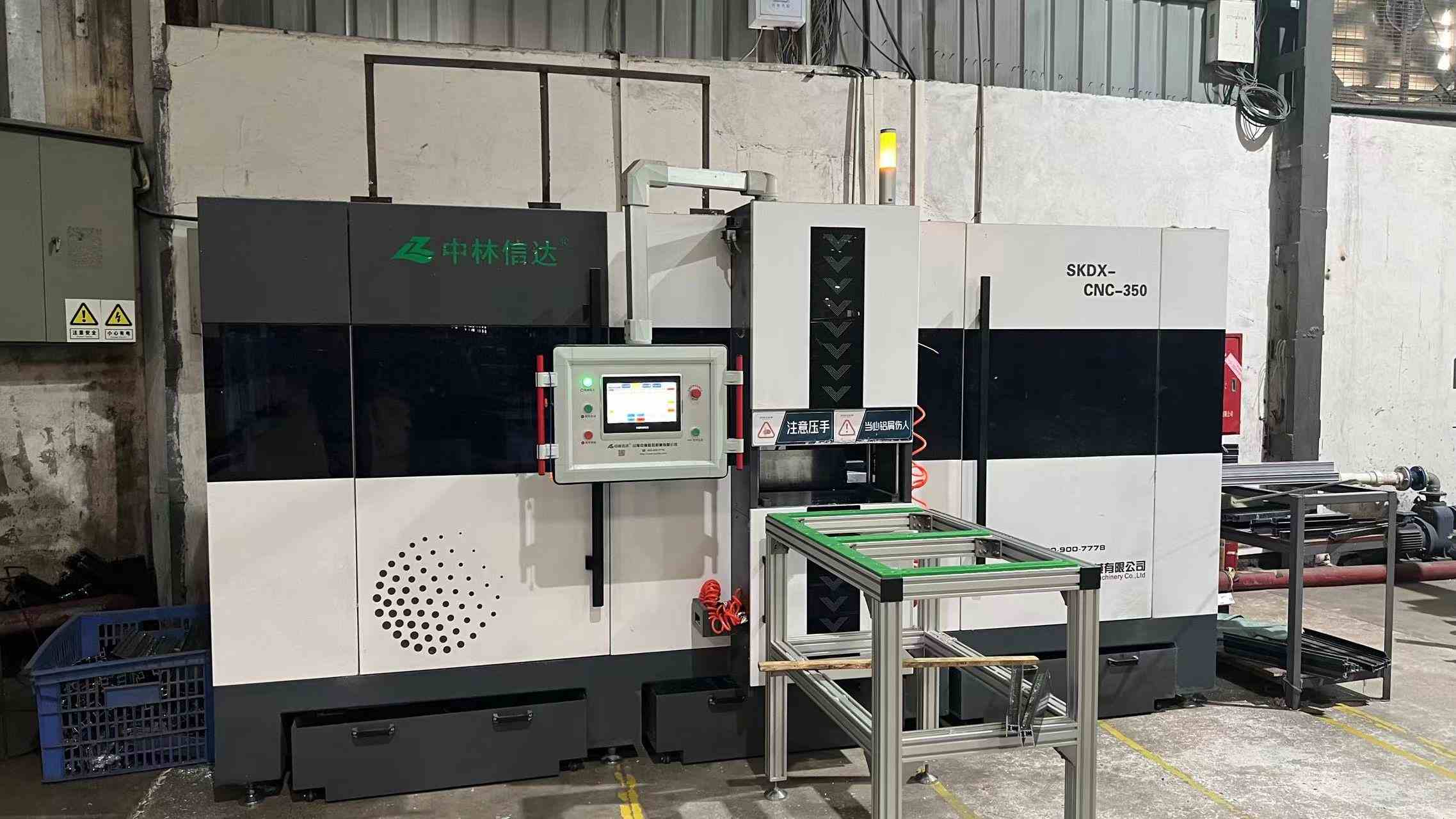
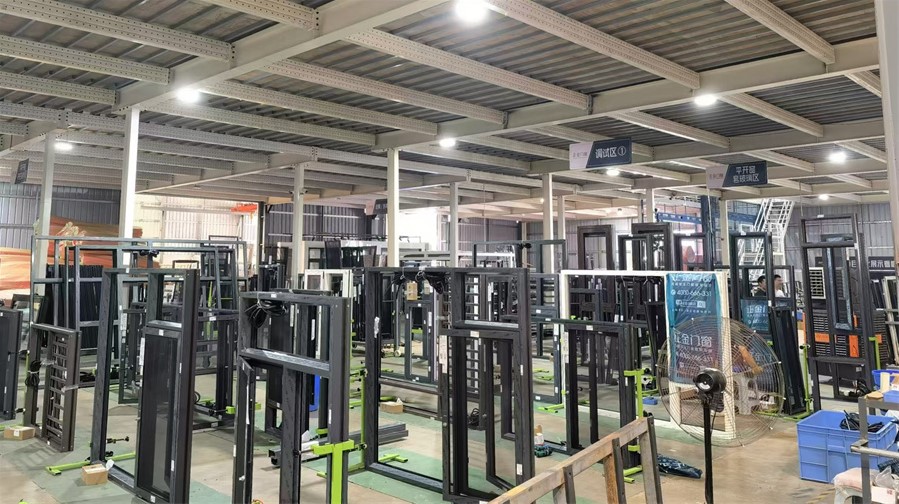
Every Luxfront aluminum casement window undergoes rigorous multi-stage fabrication inside our 26,000 m² digitalized smart workshop. Below is our complete production workflow and specialized machinery fleet:
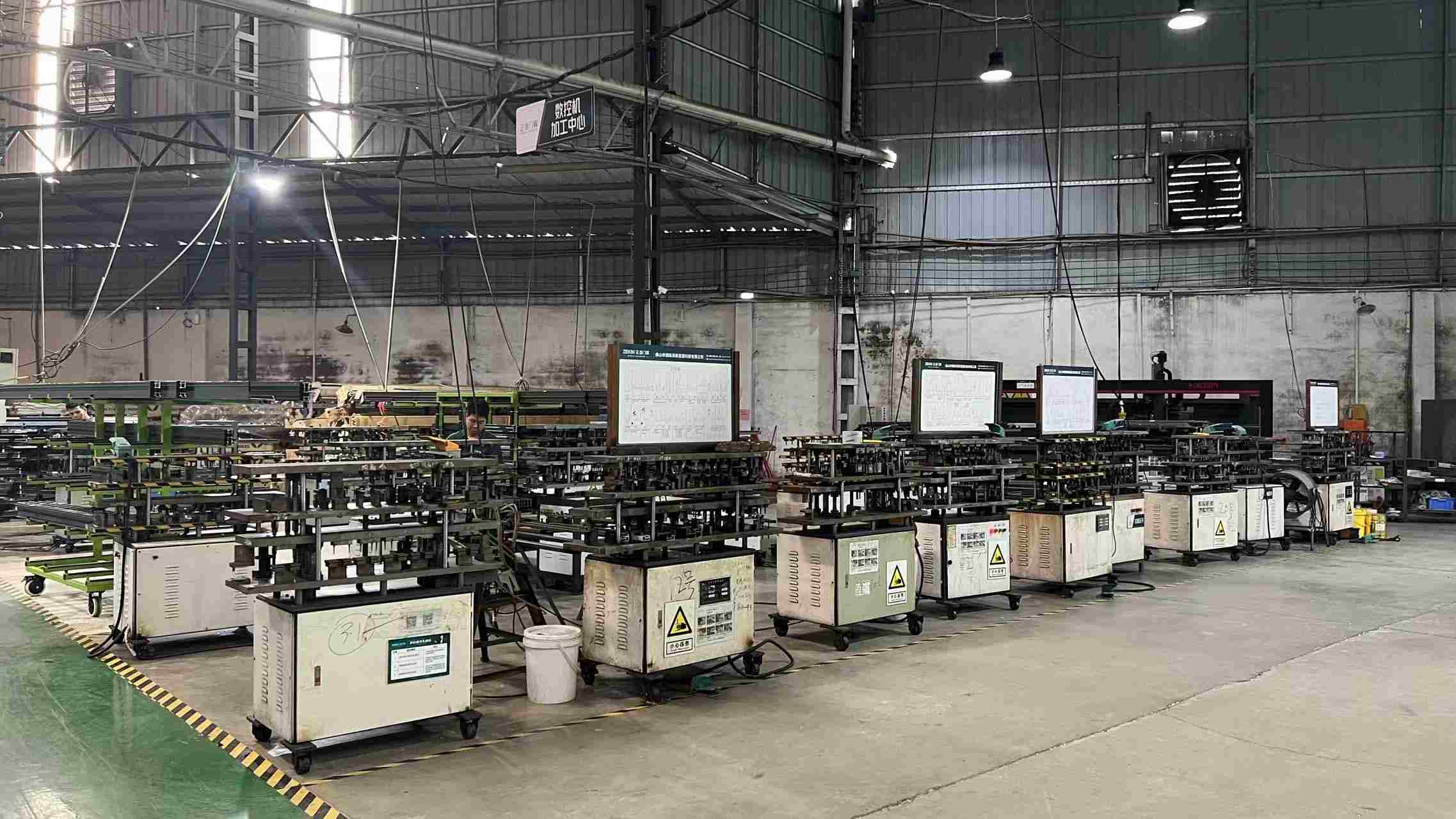
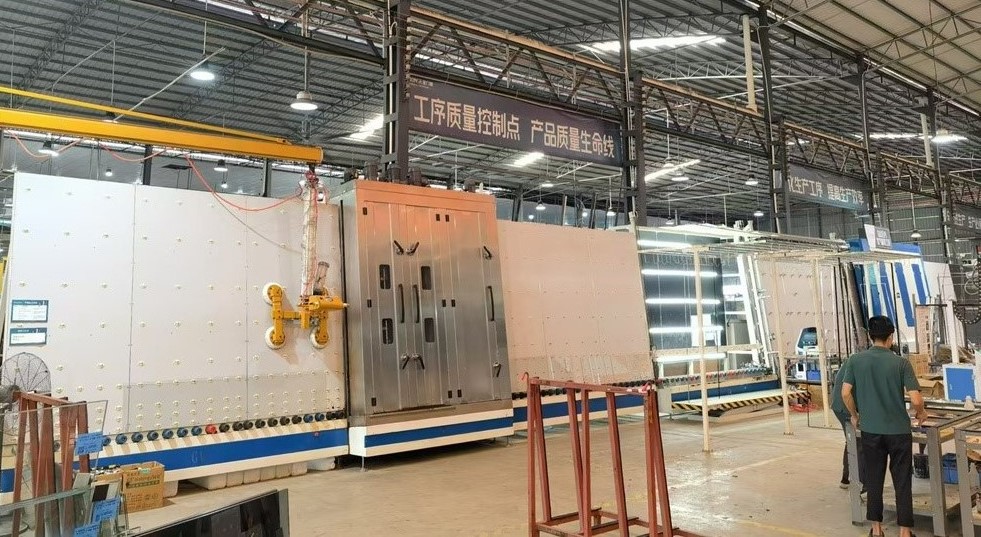
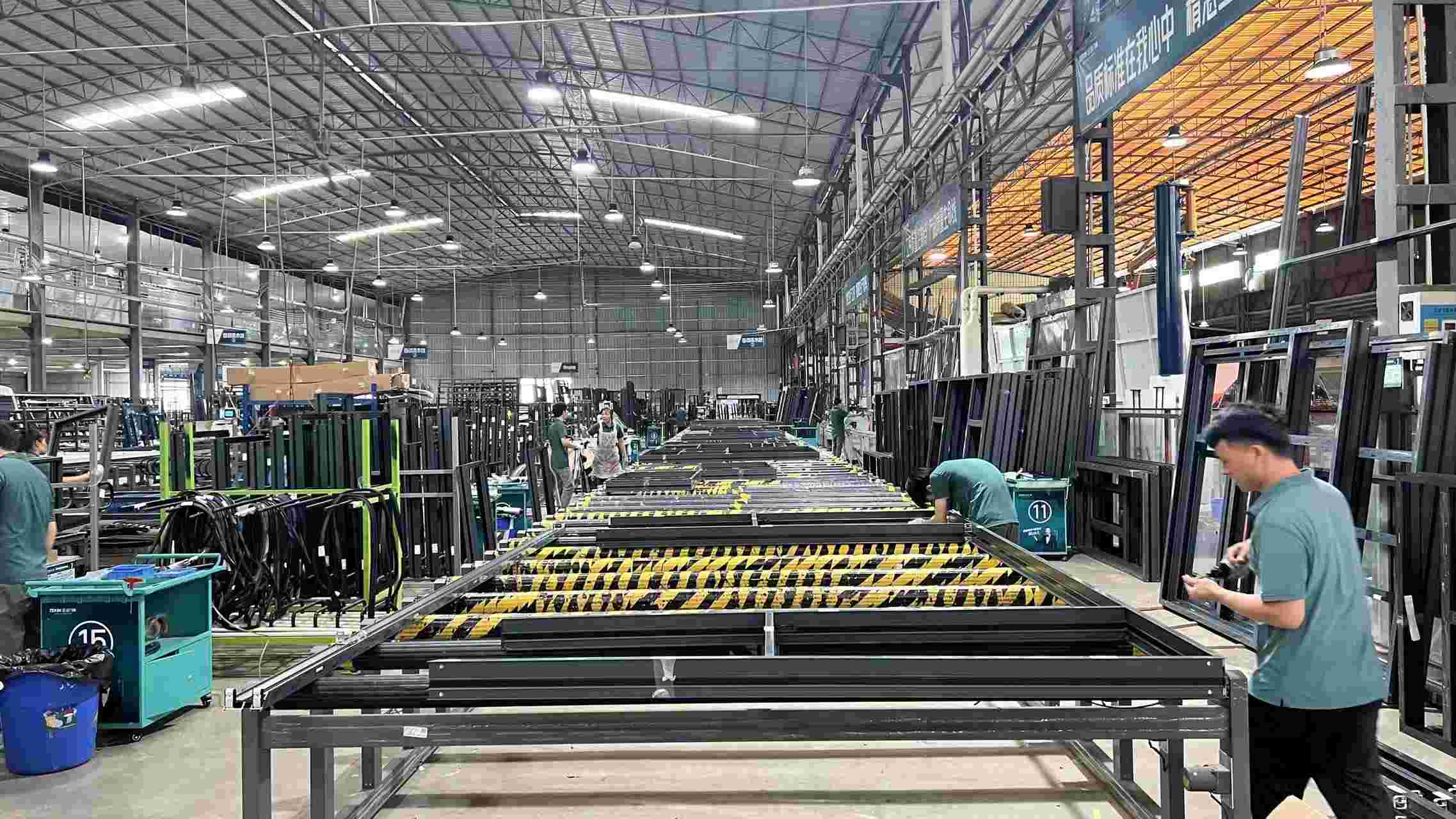
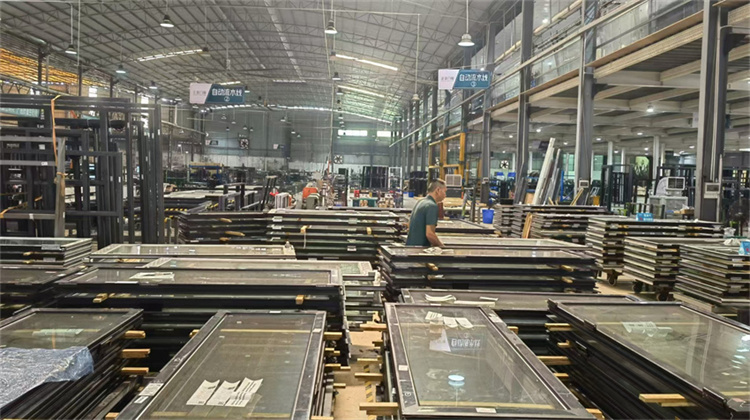
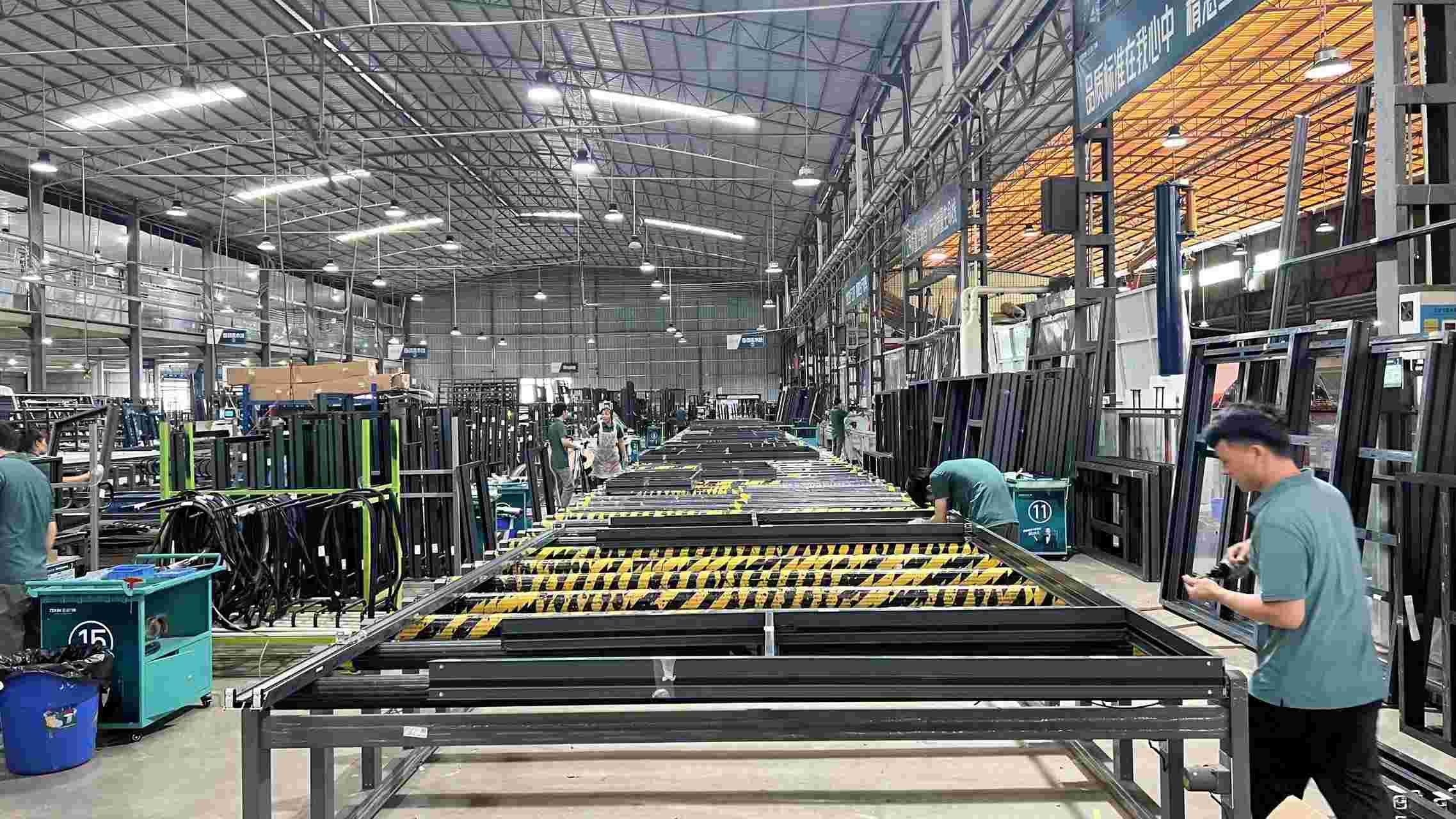
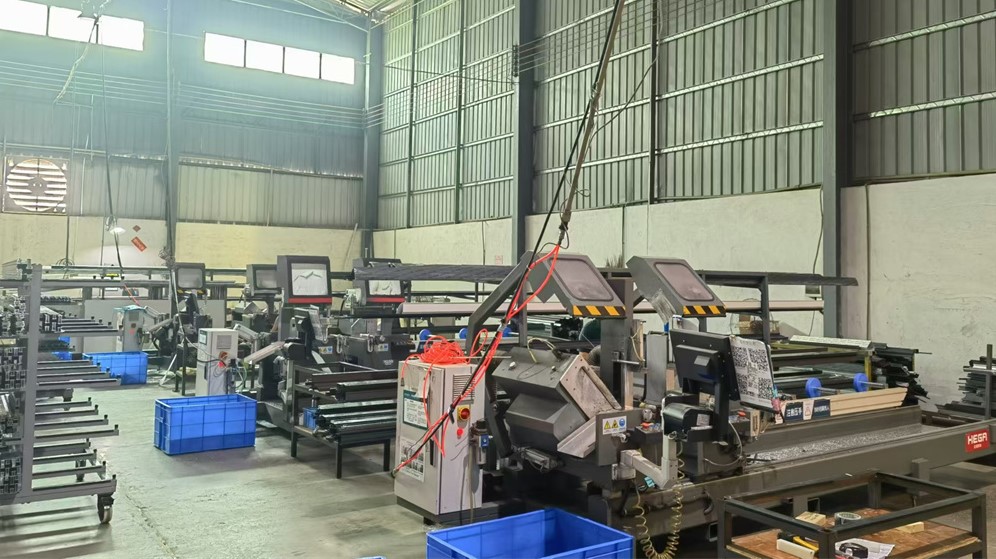
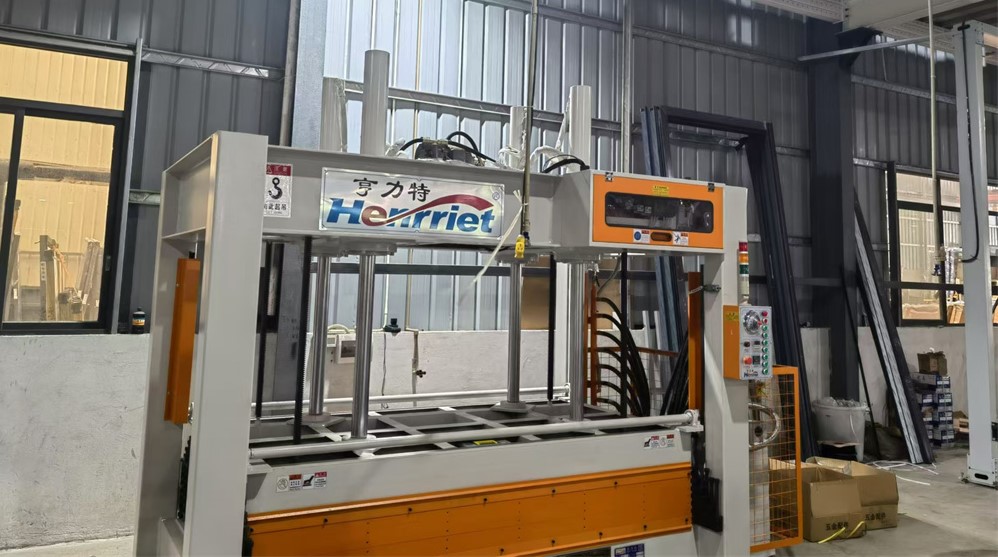
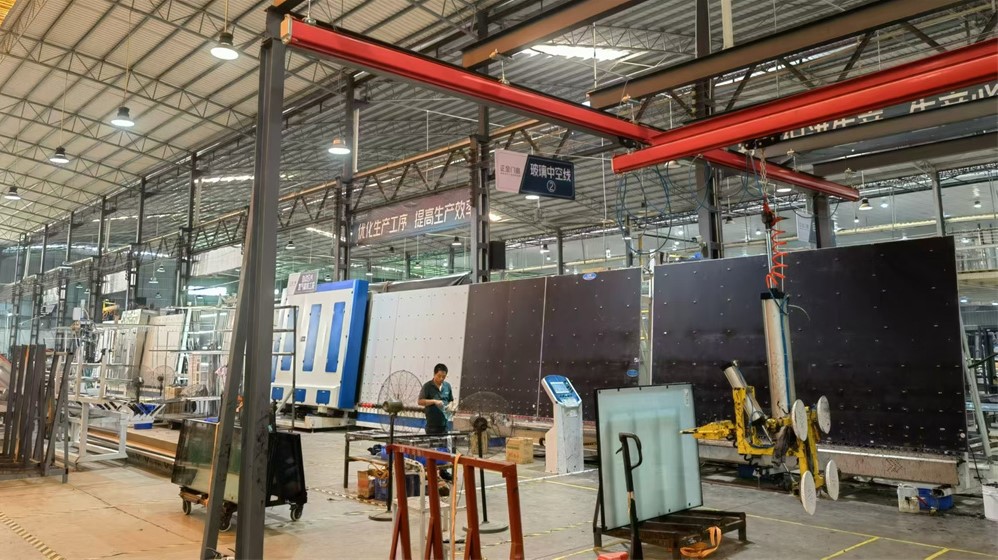
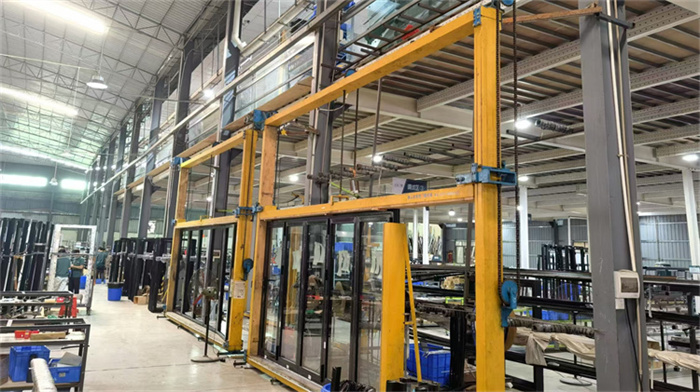
The next decade of fenestration engineering will be defined by decarbonization, smart building automation, and high-performance material integration. As carbon neutral policies tighten globally, Luxfront is driving research into three critical technological pillars:
Replacing standard gas-filled IGUs with Vacuum Insulated Glass will enable window sashes to achieve center-of-glass U-values as low as 0.40 W/m²K within ultra-thin profile envelopes, matching solid insulated wall U-values while reducing sash weight.
Building-Integrated Photovoltaics (BIPV) are transforming casement spandrels and glass panels into dynamic clean energy generators. Micro-thin solar film layers absorb solar energy without compromising visual transparency or light transmission.
Shifting primary billet sourcing toward hydro-powered and recycled aluminum alloys significantly reduces embodied carbon emissions (targeting under 2.0 kg CO2e per kg of extruded aluminum), fulfilling global ESG metrics for green building certifications (LEED v4 / BREEAM).
Key technical insights for architects, structural engineers, and commercial procurement managers:
Casement windows provide significantly higher structural rigidity and weather sealing compared to sliding systems. By using continuous compression gaskets pushed firmly by multi-point lock hardware, casement designs achieve higher air tightness and water infiltration resistance. Compared to vinyl (uPVC), 6063-T5/T6 aluminum structural frames offer vastly superior tensile strength, enabling ultra-slim sightlines, larger daylight openings, and a lifespan exceeding 30+ years without thermal warping or UV embrittlement.
Miami-Dade NOA (Notice of Acceptance) represents the absolute gold standard in hurricane impact resistance worldwide. Windows certified under Miami-Dade undergo extreme cyclic wind pressure loading (+/- 70 to 100 PSF) and large missile impact testing (firing a 9-lb 2x4 timber at 50 ft/s directly at the glass pane). Products with NOA approval are guaranteed to maintain structural integrity during severe category-5 hurricane landfall.
Aluminum is a natural thermal conductor. A thermal break involves inserting a low-conductive polyamide strip (PA66GF25 reinforced with glass fiber) between the inner and outer extruded aluminum profiles. This mechanical isolation breaks the thermal bridge, drastically reducing heat transfer, lowering overall window U-values to comply with energy standards like California Title 24, and eliminating internal frame condensation.
Luxfront offers comprehensive OEM/ODM customization: custom profile extrusions up to 3,500mm sash heights, specialized surface finishes (AAMA 2605 powder coating, anodizing, PVDF, wood grain transfers), customized glass stack-ups (triple low-E, acoustic laminated, smart electrochromic), concealed motorization for smart home systems, and tailor-made stainless steel insect flyscreens.
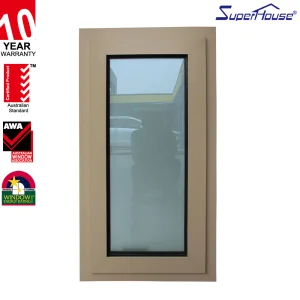
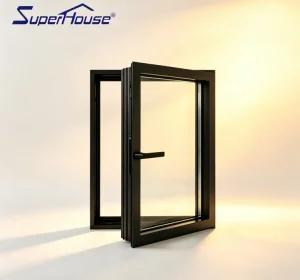
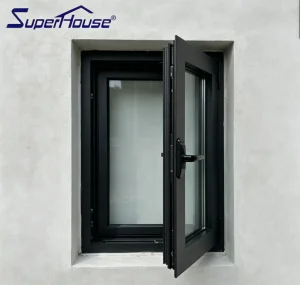
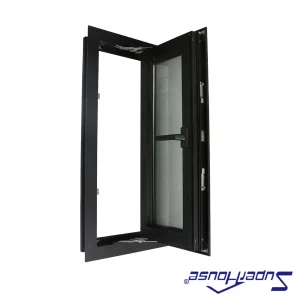
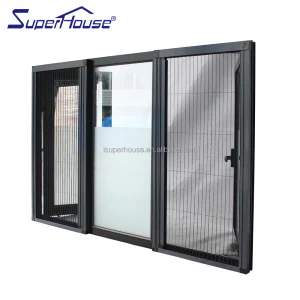
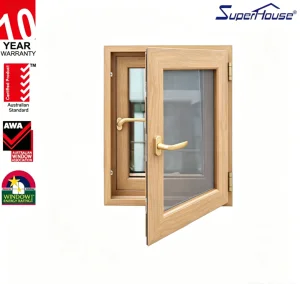
Discover our comprehensive collection of AS2047, NFRC, and Title 24 certified aluminum casement window and door systems:
 Luxfront