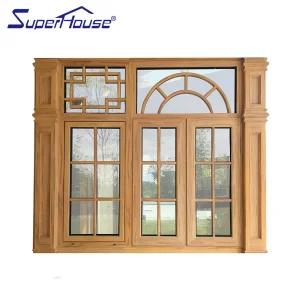
Explore our baseline certified inventory engineered specifically to satisfy extreme structural wind loads, stringent low-SHGC requirements, and high thermal resistance standards for US and Canadian markets.
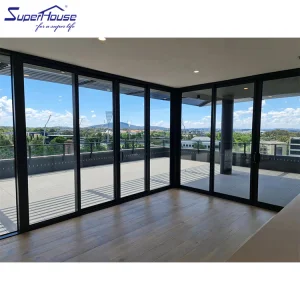
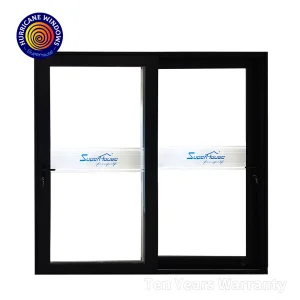
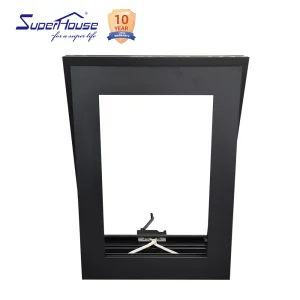
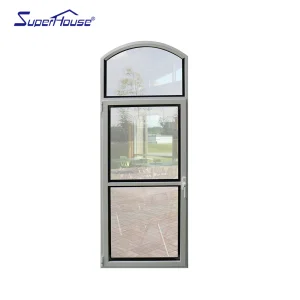
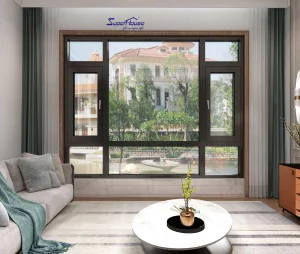
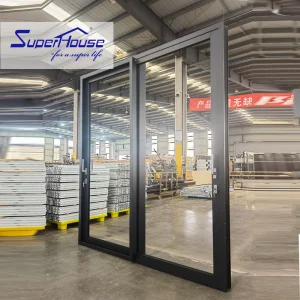
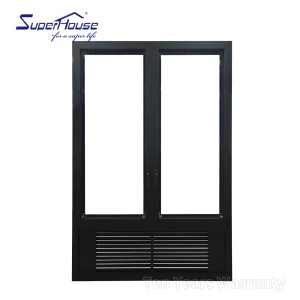
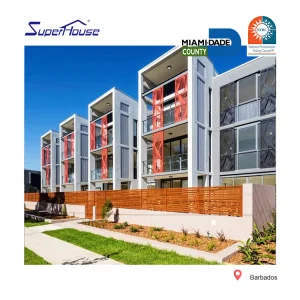
In modern sustainable architecture, fenestration systems (doors, windows, curtain walls) act as critical envelope components dictating building energy efficiency, occupant thermal comfort, and structural integrity under severe environmental stress. Across North America, regulatory mandates have shifted from passive thermal metrics to rigorous dynamic building code compliance. Navigating this ecosystem requires an acute technical understanding of three dominant frameworks: USA NFRC (National Fenestration Rating Council) ratings, California Title 24 Building Energy Efficiency Standards, and Canada’s harsh sub-zero insulation requirements governed by Energy Star Canada and NBC (National Building Code).
For global real estate developers, architectural specifiers, and EPC (Engineering, Procurement, and Construction) contractors, sourcing fenestration components involves managing trade-offs between thermal efficiency (U-Factor), Solar Heat Gain Coefficient (SHGC), structural design pressure (DP), and manufacturing budget constraints. Advanced Chinese manufacturing ecosystems have evolved to deliver fully certified, high-precision thermal-break aluminum and multi-pane glazing units that meet or exceed these North American mandates while offering substantial capital expenditure (CapEx) savings.
Provides independently certified energy performance ratings across 4 key metrics: Whole-window U-Factor, Solar Heat Gain Coefficient (SHGC), Visible Transmittance (VT), and Air Leakage (AL). NFRC certification ensures baseline eligibility for US federal tax credits and municipal code compliance.
Strictly enforces micro-climatic energy budgets across California's 16 climate zones. Demands extremely low SHGC values (typically ≤0.23 in cooling-dominated zones) combined with high Visible Transmittance to minimize HVAC compressor loads while maintaining internal daylighting.
Engineered for extreme thermal gradients (up to ΔT = 50°C). Focuses heavily on achieving whole-window U-Factors ≤ 0.14 - 0.20 Btu/h·ft²·°F (0.8 - 1.1 W/m²K), utilizing multi-chambered thermal breaks, triple-pane low-E glass, and warm-edge spacer integration.
High-performance architectural windows and doors are complex engineering assemblies designed to manage conductive, convective, and radiative heat transfer while maintaining structural resilience under wind shear and seismic action. Achieving NFRC compliance and Title 24 efficiency requires multi-layered system engineering.
Standard uninsulated aluminum extrusions possess a thermal conductivity ($\lambda$) of approximately $160 \text{ W/m}\cdot\text{K}$, converting window frames into thermal highways that transfer interior heat to the cold exterior (or vice-versa). To neutralize thermal bridging, our engineering specifications utilize Polyamide 66 reinforced with 25% short glass fiber (PA66 GF25) thermal barrier strips ($\lambda \approx 0.3 \text{ W/m}\cdot\text{K}$). These multi-chambered structural struts physically isolate the interior and exterior aluminum profiles, reducing frame conductive heat transfer by over 85%.
| Performance Metric | Standard Aluminum Frame | PA66 GF25 Thermal Break | Title 24 Compliance Threshold | Canadian Zone 3 Ideal Target |
|---|---|---|---|---|
| U-Factor (Btu/h·ft²·°F) | 1.10 - 1.30 | 0.22 - 0.32 | ≤ 0.30 (Prescriptive) | ≤ 0.18 (High Efficiency) |
| SHGC (Solar Heat Gain) | 0.65 - 0.80 | 0.18 - 0.35 (Low-E dependent) | ≤ 0.23 (CZ 1-15) | 0.30 - 0.50 (Passive Solar) |
| Air Leakage (cfm/ft²) | > 0.30 | ≤ 0.04 | ≤ 0.30 | ≤ 0.10 |
| Condensation Resistance (CR) | 15 - 25 | 55 - 72 | N/A (Recommended >50) | > 65 (Extreme Cold) |
Radiative heat transfer is controlled through magnetron sputter vacuum deposition (MSVD) double and triple-silver Low-E glass coatings. In hot climates (such as California and the US Sun Belt), Low-E coatings placed on surface #2 reflect long-wave infrared thermal radiation before it penetrates the interior space. In northern climates (Canada), Low-E coatings placed on surface #3 retain internal radiant heat while permitting high passive solar heat gain. Inert gas infills—specifically 90% Argon ($\text{Ar}$) or Krypton ($\text{Kr}$) gas sealed between warm-edge TPS (Thermo Plastic Spacer) systems—further attenuate convective gas flow inside the insulated glass unit (IGU).
Historically, sourcing imported fenestration components raised compliance and structural concerns among North American buyers. However, over the past decade, premier Chinese fenestration manufacturers have re-engineered supply chains around fully automated German CNC machining centers, automated robotic insulating glass lines, and standardized testing facilities identical to USA AAMA/WDMA/CSA laboratories.
By leveraging fully integrated local supply chains—ranging from raw 6063-T6 aluminum extrusion plants to high-capacity float glass foundries—Chinese manufacturing hubs can provide completely certified NFRC and Title 24 custom window configurations at a fraction of Western production lead times and costs. This enables developers to deploy commercial-grade hurricane impact curtain walls, folding patio doors, and thermal-break casements within tight budget constraints.
Founded in 2007, Luxfront Architectural Doors Ltd. is a modern high-end door enterprise utilizing a 26,000 m² production facility. Backed by 17 years of technical manufacturing heritage and 7 years of international trade operations, the firm achieves $21 million in annual export revenue. Luxfront caters predominantly to North America, Western Europe, and Australia, serving boutique housing developers, luxury home builders, and architectural design agencies.
Working alongside 720 specialized raw material supply partners, quality assurance remains central to operations. A dedicated team of 32 QA inspectors oversees full-process sampling, CMM dimensional measurements, and weather-seal performance evaluations. Driven by market-leading architectural innovation, Luxfront's 45 R&D engineers released 110 original door designs last season. Complete custom options are available, covering large-format pivot door structures, concealed hinges, integrated LED ambient lighting, and premium wood-veneer aluminum finishes.
Every stage of production—from raw architectural extrusion inspection to automated sealant application—follows rigorous ISO 9001 and AAMA standard procedures to ensure frame integrity and airtight thermal sealing.
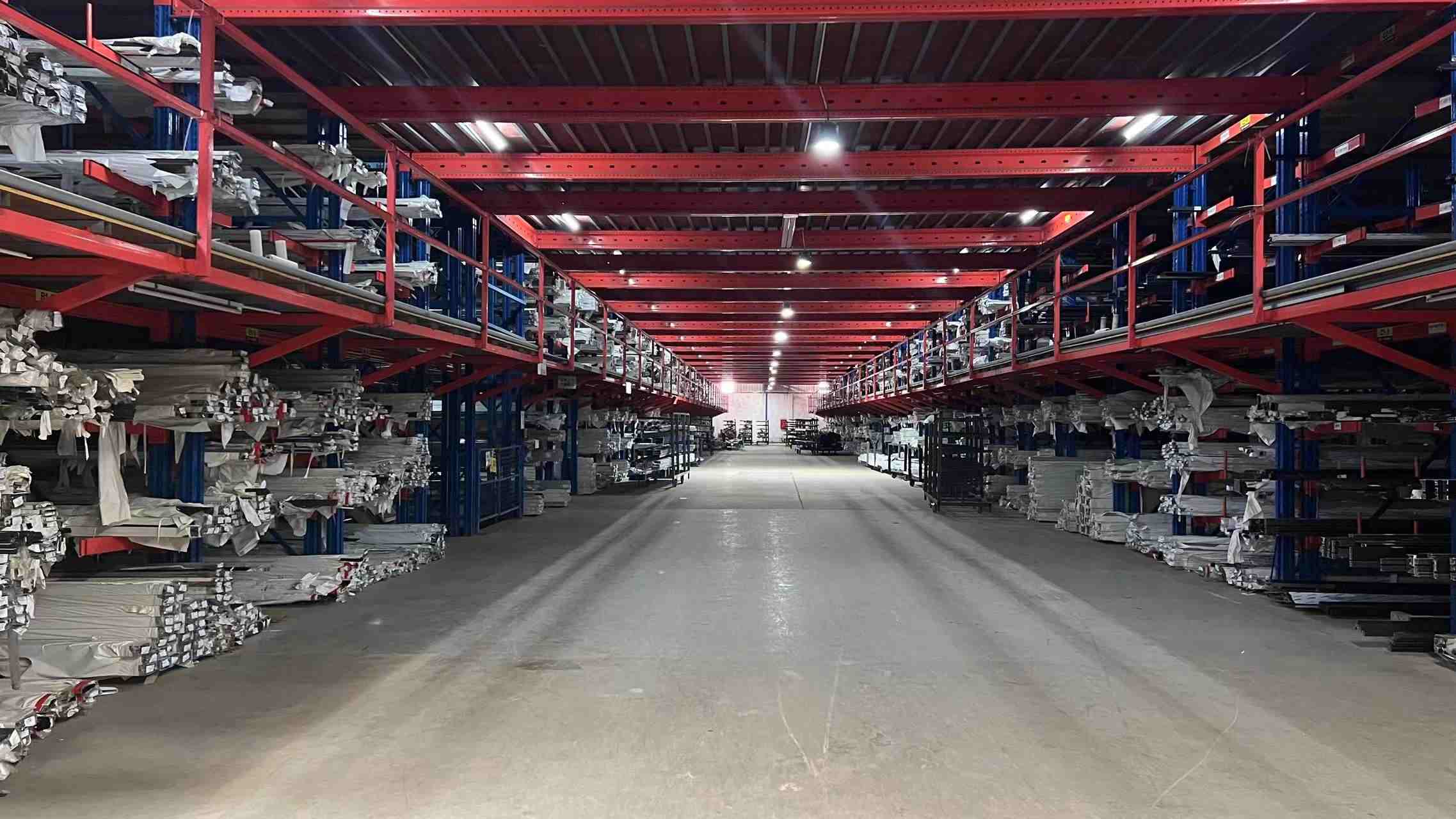
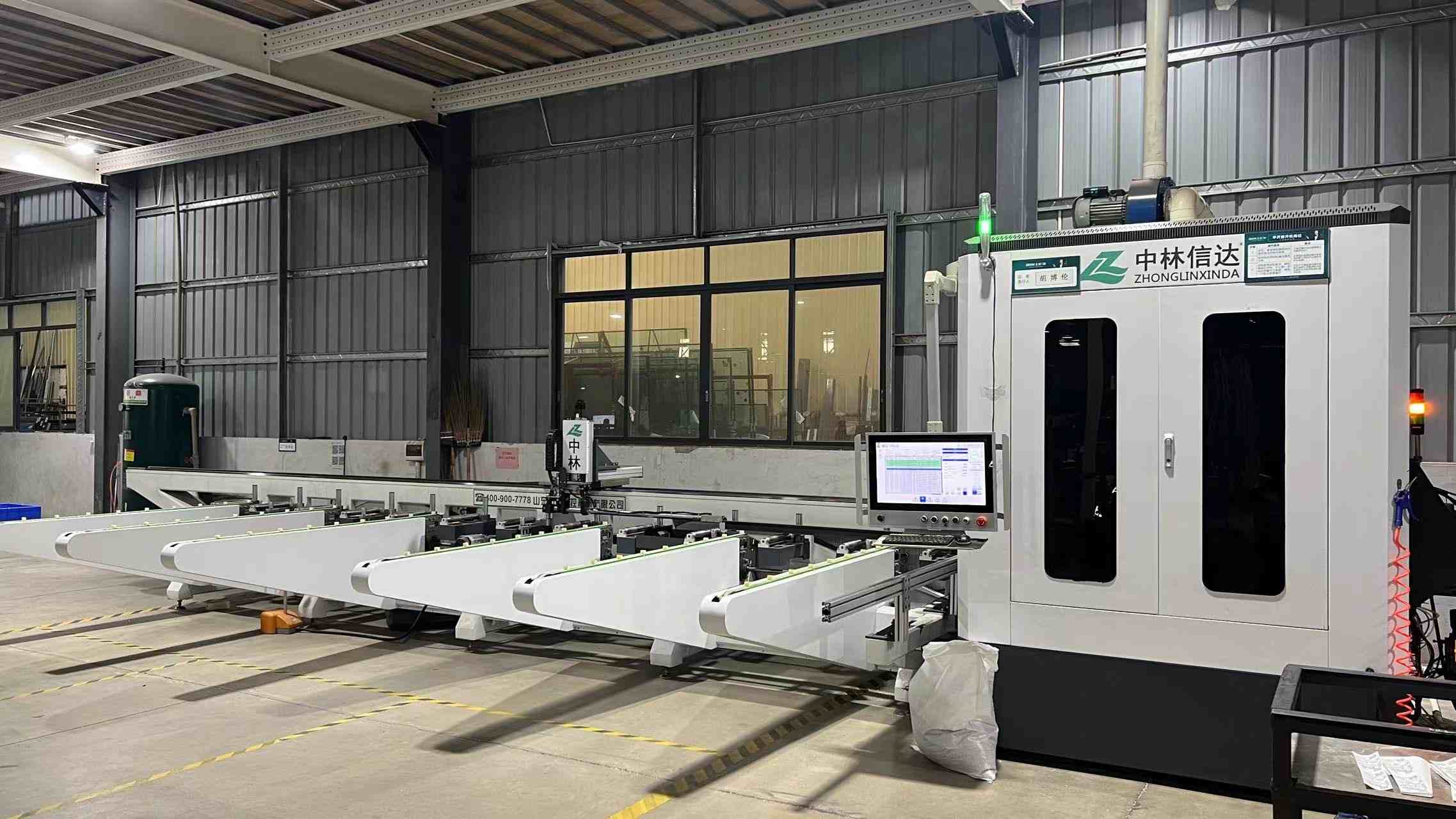
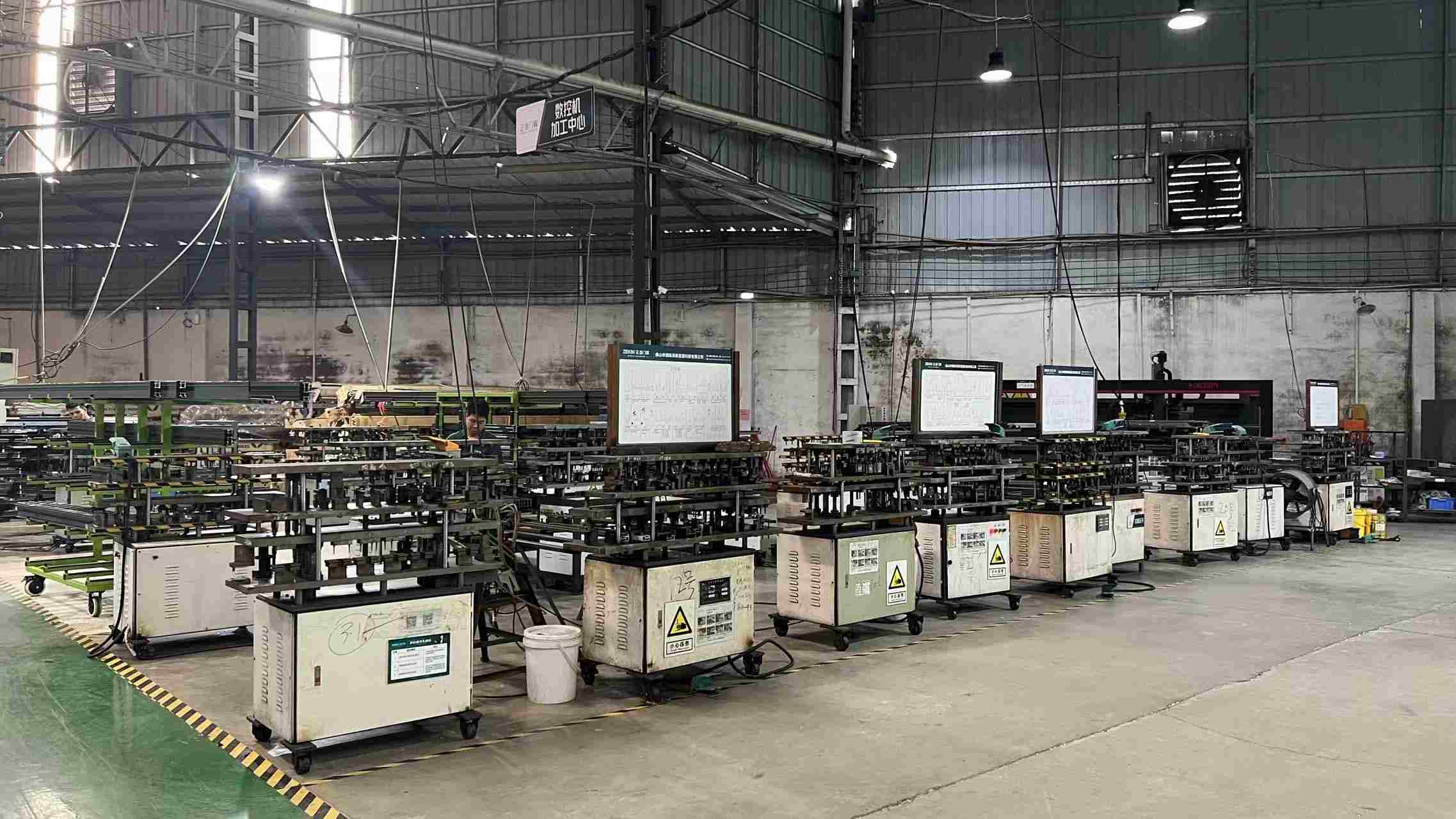
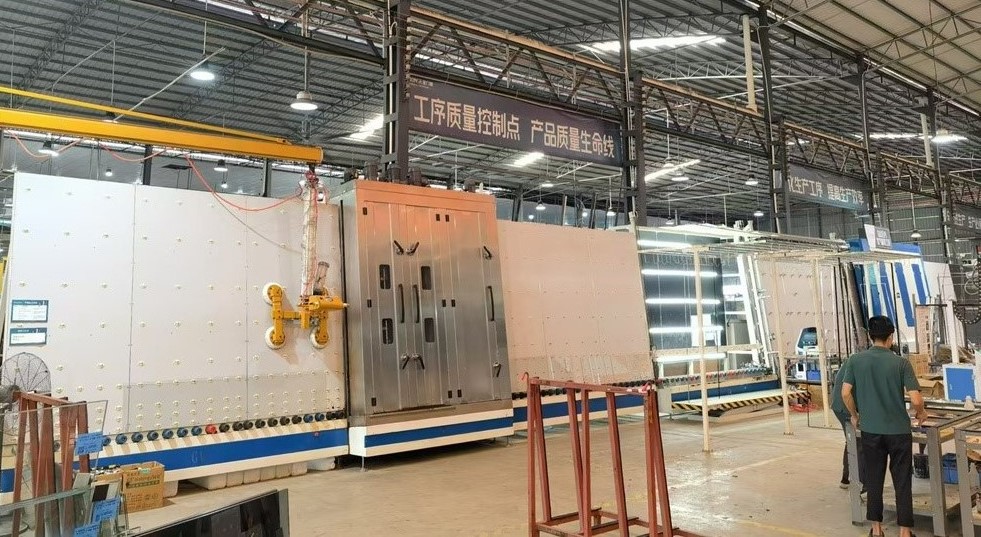
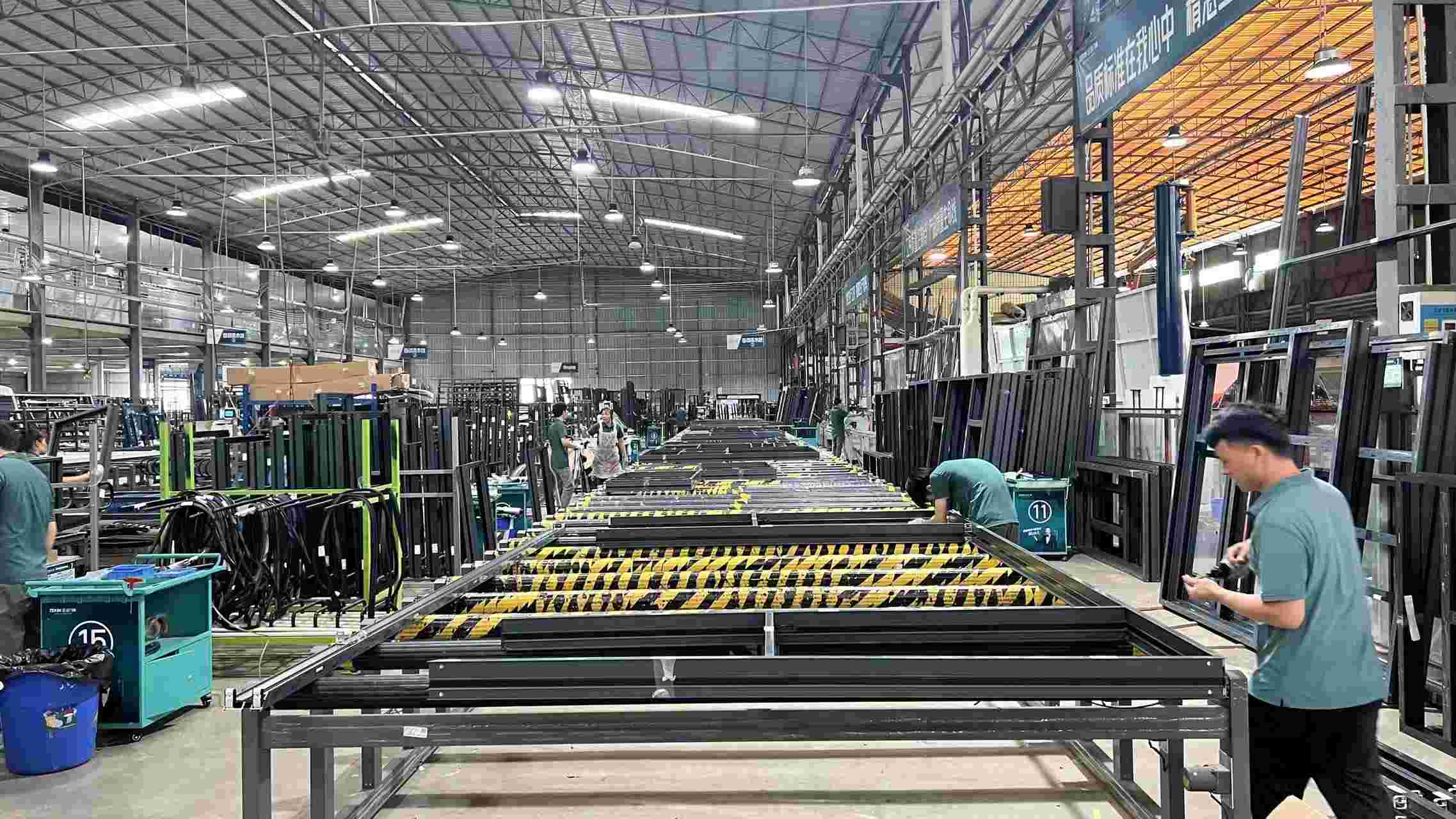
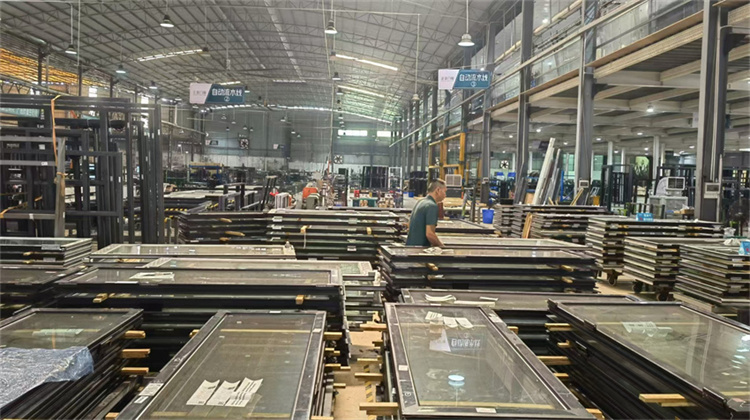
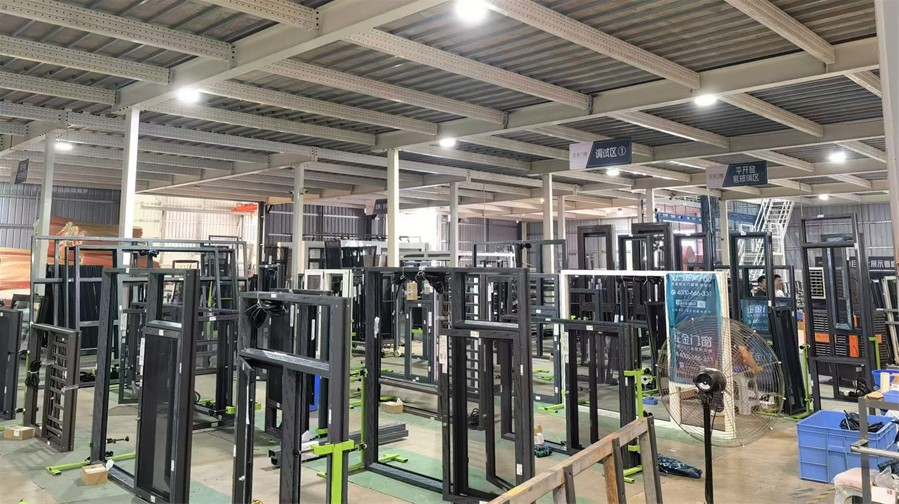
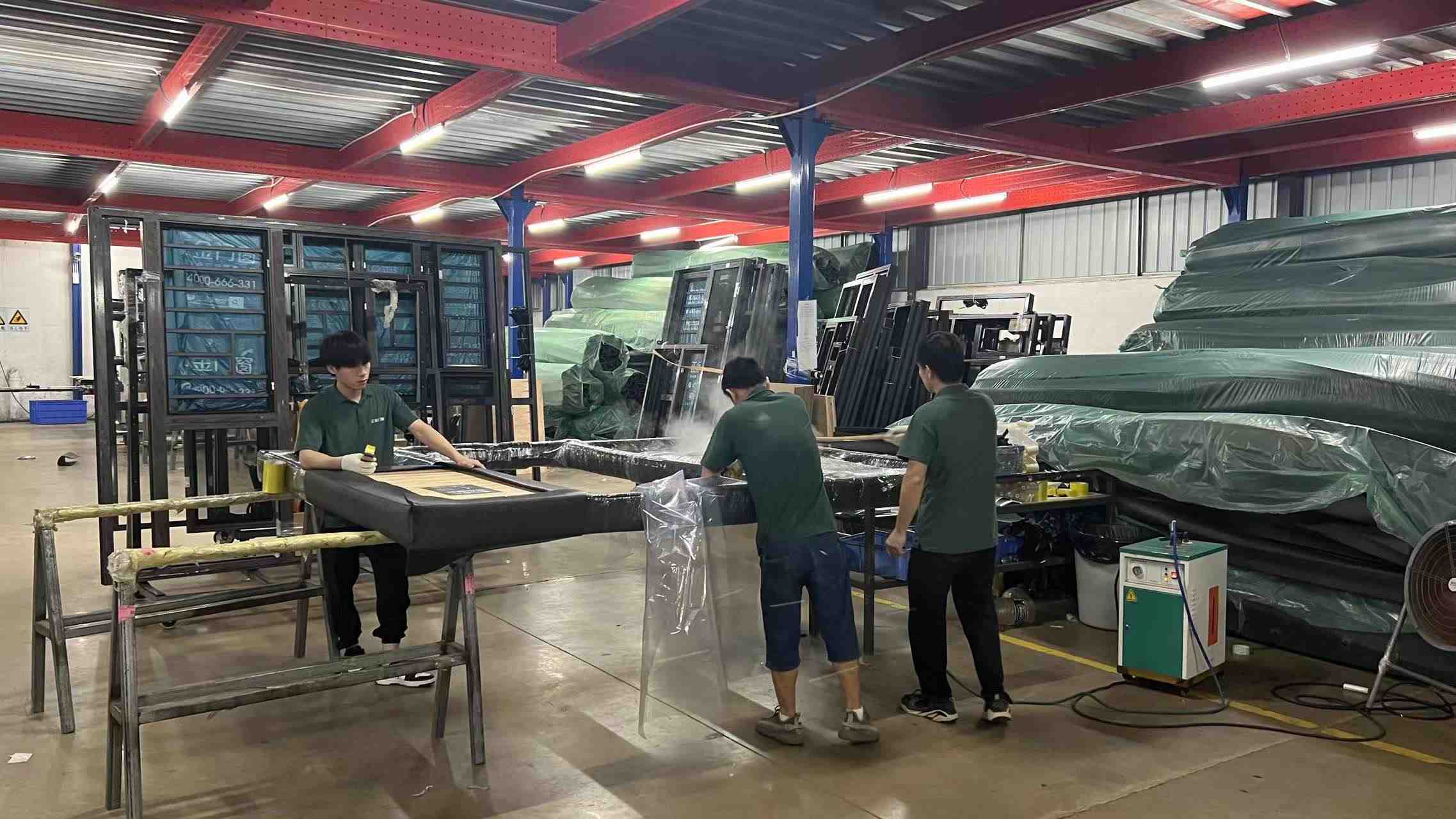
Our facility operates state-of-the-art machinery engineered for extreme accuracy, achieving fabrication tolerances within ±0.2mm across profile lengths and corner miters.
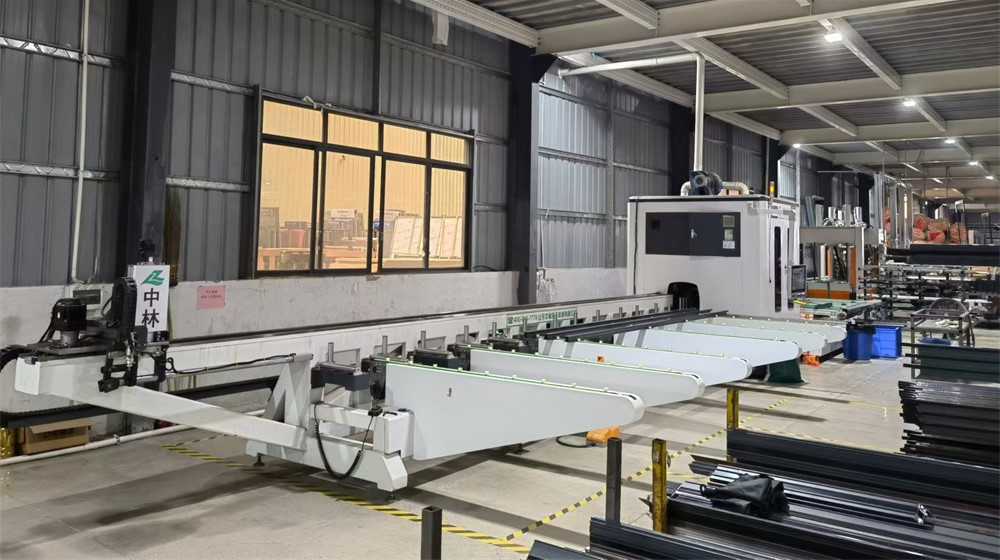
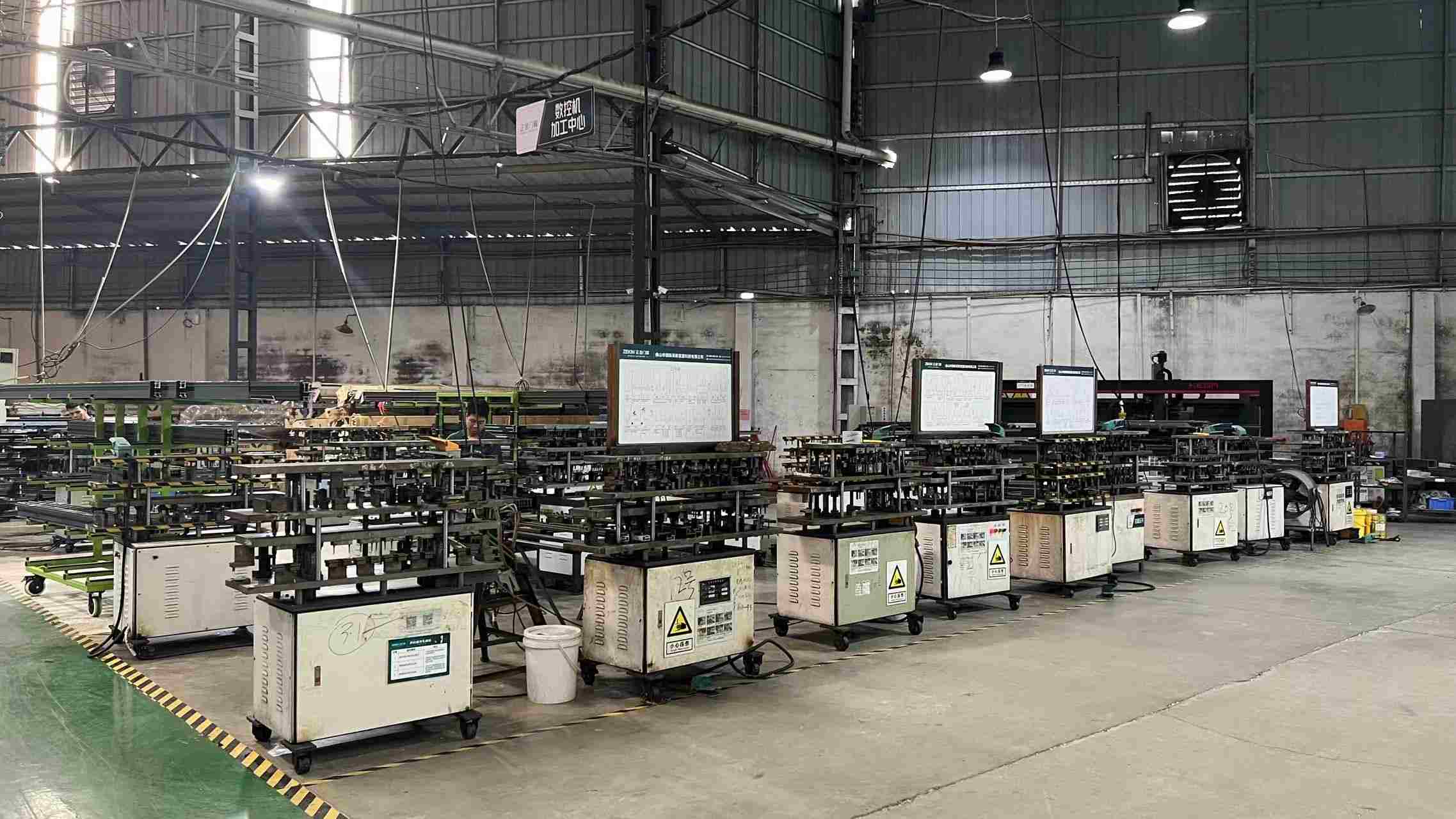
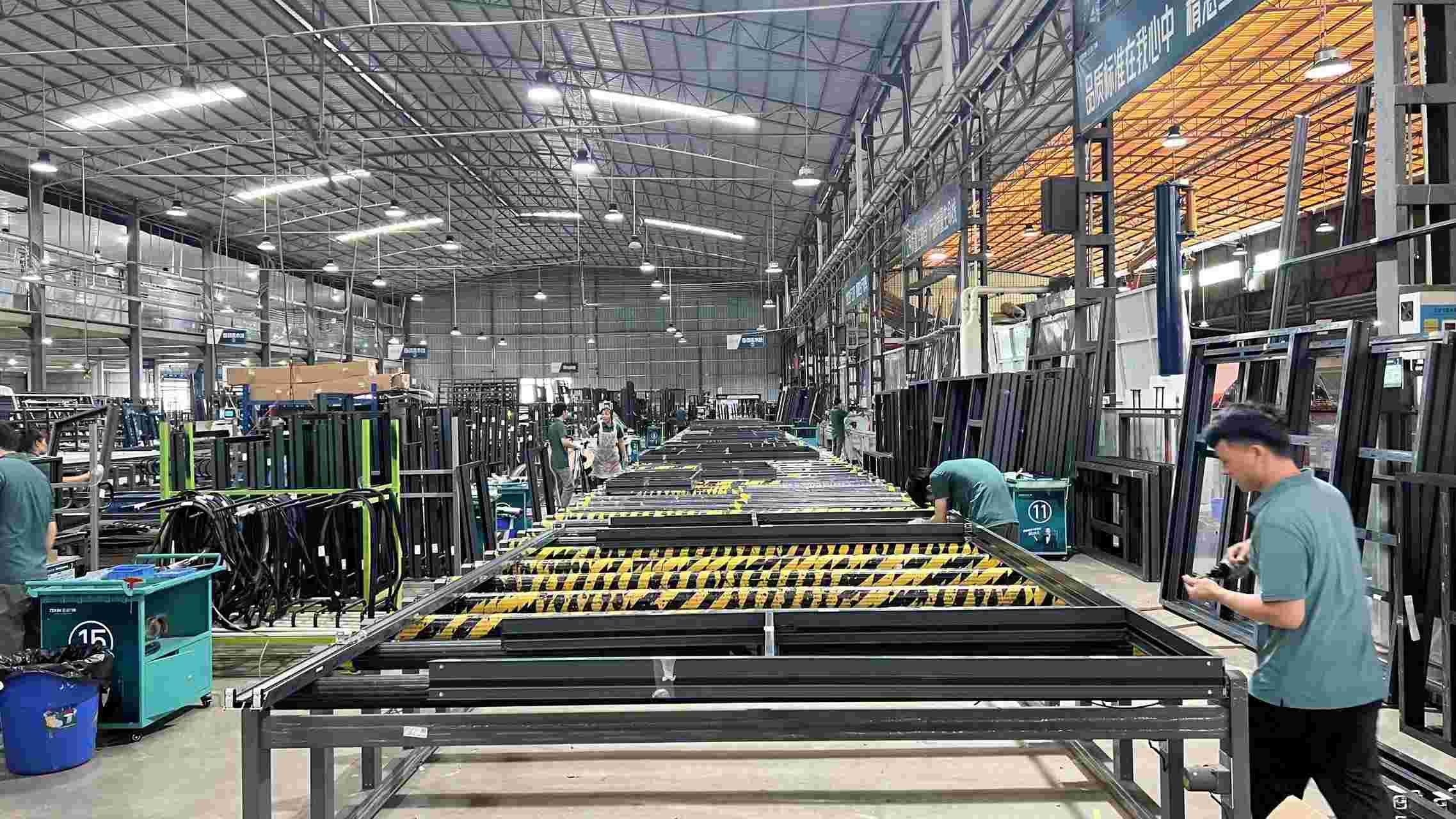
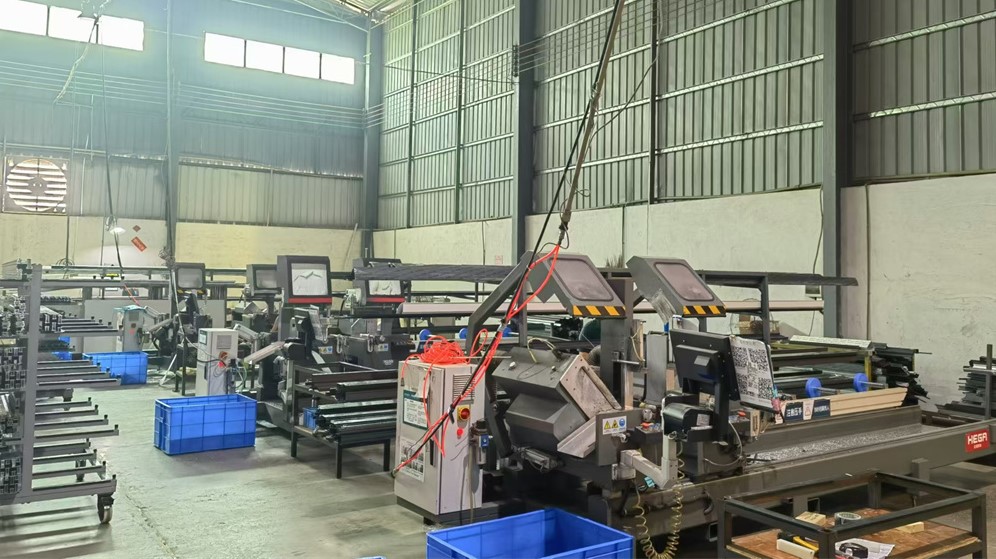
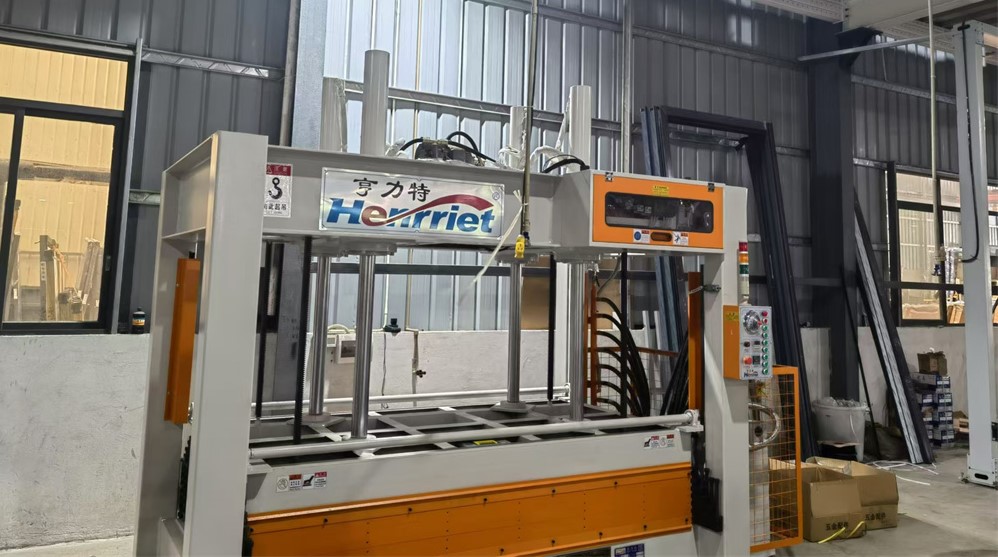
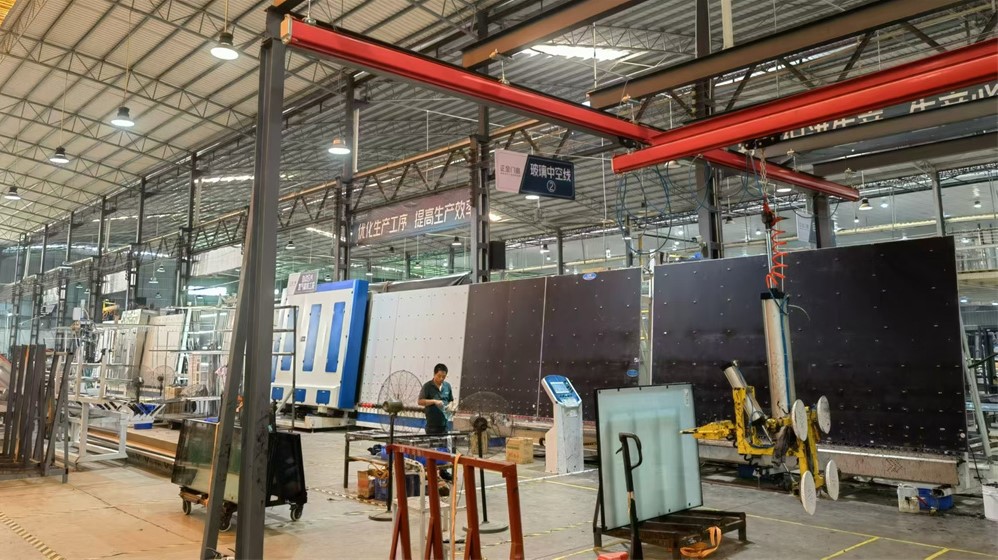
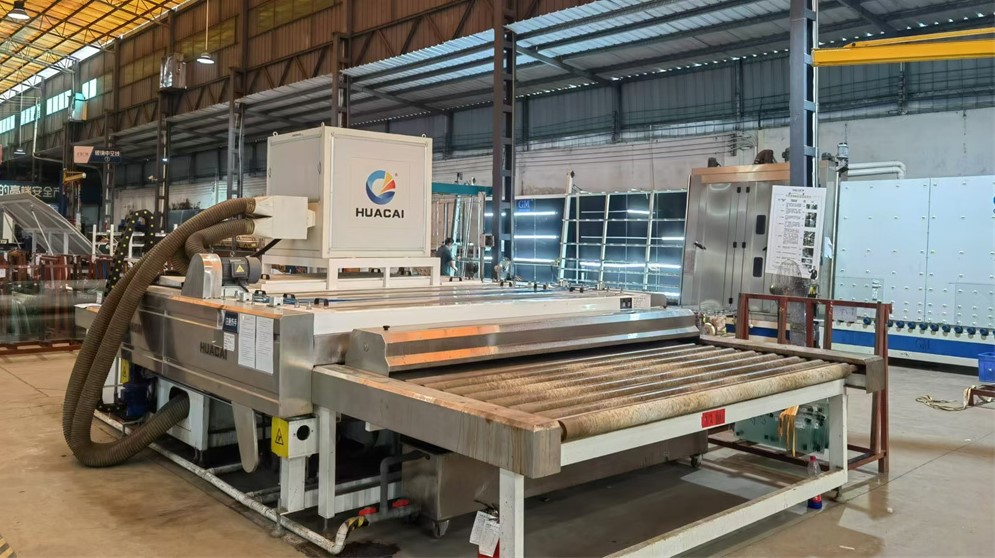
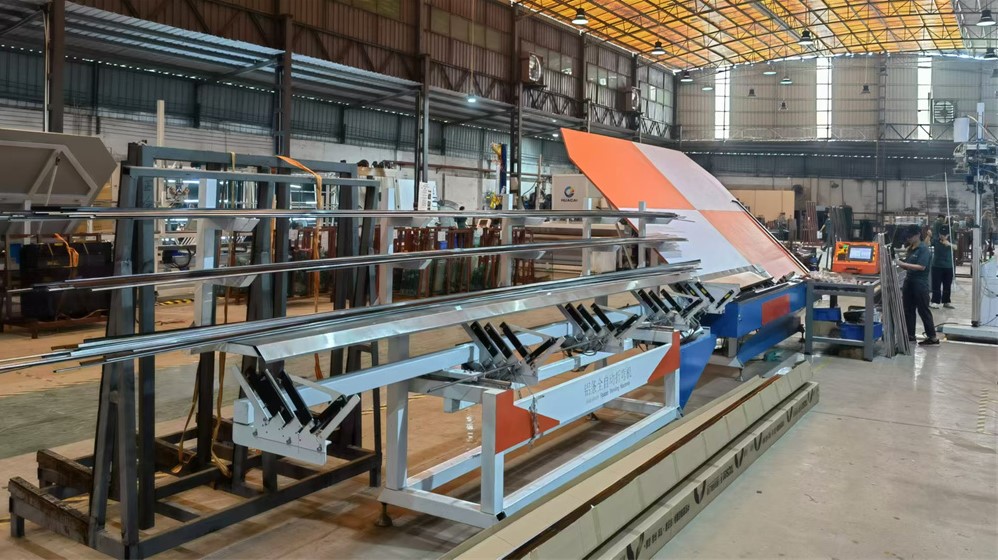
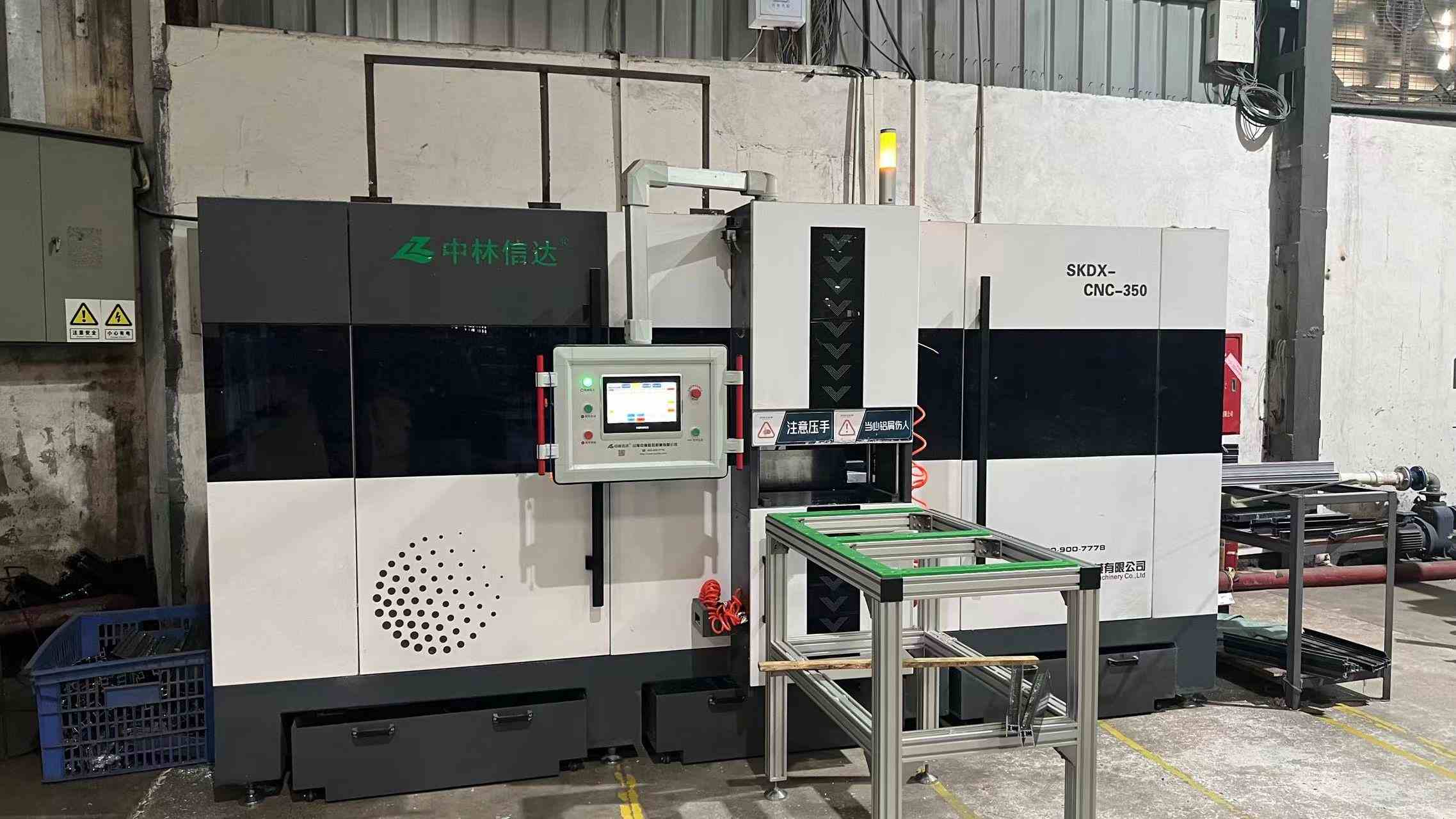
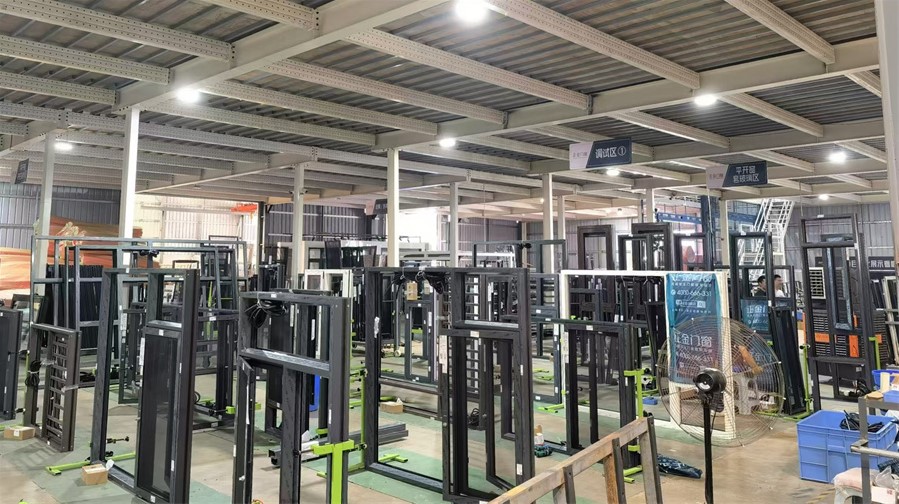
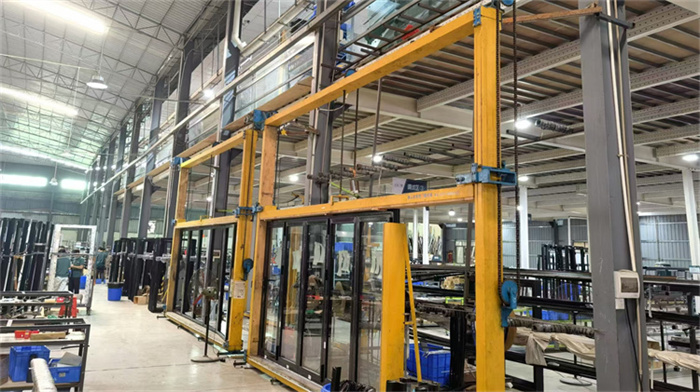
Prior to packaging, 100% of finished assemblies undergo functional frame debugging to verify smooth sash movement, multi-point lock alignment, and complete perimeter gasket compression.
North America features diverse environmental conditions—ranging from high-velocity wind-borne debris zones in coastal Florida to ultra-cold, snow-heavy environments in Alberta and Ontario. Architectural fenestration must be tailored to these micro-climates.
Engineering Focus: Miami-Dade NOA (Notice of Acceptance) compliance. Assemblies require heavy-gauge 6063-T6 aluminum, multi-laminated impact glass (e.g., 6mm Tempered + 1.52mm PVB/SGP + 6mm Tempered), and structural silicone glazing to resist cyclic pressure up to +70/-70 PSF.
Engineering Focus: Solar Heat Gain control without sacrificing visible light. Requires spectrally selective triple-silver Low-E coatings ($SHGC \le 0.22$, $VT \ge 0.55$) paired with warm-edge spacers to keep cooling loads low under intense irradiance.
Engineering Focus: Extreme insulation & condensation avoidance. Incorporates 34mm wide multi-cavity polyamide thermal breaks, triple-pane argon IGUs with warm edge spacers, yielding U-factors below 0.16 Btu/h·ft²·°F and CR index >68.
Direct sourcing of windows and doors from Chinese manufacturing plants requires structured QA/QC protocols, regulatory documentation, and logistical planning to ensure seamless site delivery and municipal sign-offs in the US and Canada.
As zero-net-energy (ZNE) mandates become law across North America, fenestration technology is evolving rapidly. Key developments transforming the global window manufacturing ecosystem include:
Eliminates convective gas gaps by creating a 0.1mm micro-vacuum chamber between glass panes, achieving insulating values equivalent to solid walls ($U \le 0.06 \text{ Btu/h}\cdot\text{ft}^2\cdot^\circ\text{F}$) in slim profiles.
Dynamically alters glass tint in response to real-time sun angles or building management system signals, reducing peak electrical HVAC demand by up to 30%.
Transitioning from petroleum-based polyamides to bio-recycled polymer struts, helping lower embodied carbon footprints for LEED Platinum projects.
Automated machine vision systems inspecting corner weld seals, structural silicone bead integrity, and anodized surface finishes at sub-millimeter scales.
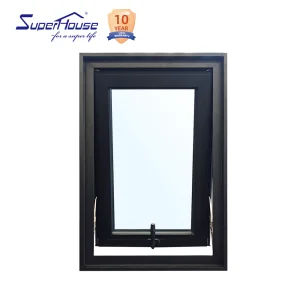
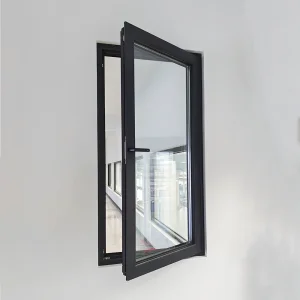
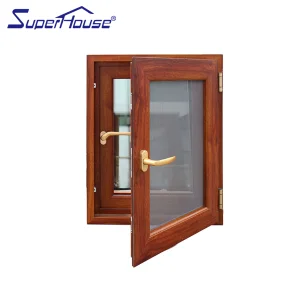
Review our high-efficiency window and door series suited for custom architectural projects, luxury residential estates, and commercial building envelopes.

 Luxfront