Global Architectural Whitepaper on Ultra-Low U-Value Thermal Break Aluminum Windows, Structural Window Walls, and High-Performance Passivhaus Doors for Net-Zero Commercial & Residential Developments.
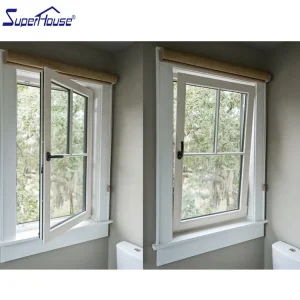
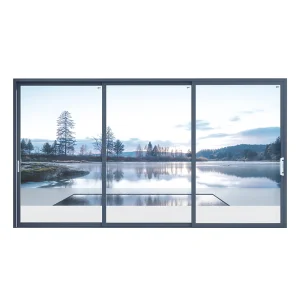
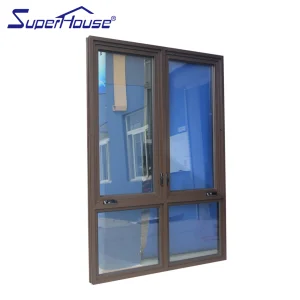
Explore our primary certified export configurations engineered for extreme energy conservation, high thermal resistance, structural durability, and strict climate envelope integrity.
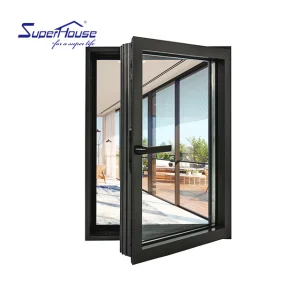
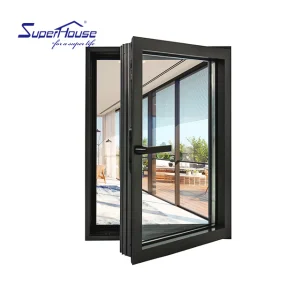
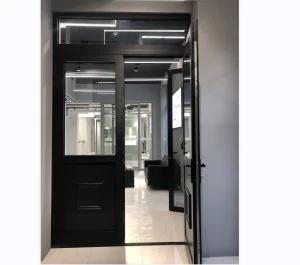
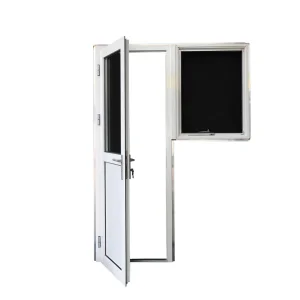
The global construction industry is undergoing a paradigm shift toward decarbonization, net-zero emissions, and strict operational energy efficiency. At the nexus of this revolution are Passive House Windoors (Windows & Doors). Engineered to satisfy the rigorous metrics codified by the Passivhaus Institut (PHI) in Darmstadt, Germany, as well as North American NFRC and Energy Star standards, these advanced building envelope components are no longer niche architectural concepts—they are mandatory operational assets for tier-one developers worldwide.
Passive House fenestration systems require an overall operational thermal transmittance coefficient (U-value) of ≤ 0.80 W/(m²K) for cold-temperate climates, alongside strict solar heat gain coefficients (SHGC) tailored to micro-climatic exposure. Achieving these metrics demands total mitigation of thermal bridging through structural multi-cavity polyamide (PA66 GF25) thermal breaks, multi-pane insulating glass units (IGUs) filled with 90%+ Argon or Krypton gas, and triple-seal continuous EPDM gaskets. As global building codes—such as California’s Title 24, the European Union's Energy Performance of Buildings Directive (EPBD), and Australia’s NCC AS2047—tighten thermal envelope regulations, qualified exporters of Passive House windoors have become critical operational partners for modern architectural firms.
Founded in 2007, Luxfront Architectural Doors Ltd. is a modern high-end door and window manufacturing enterprise utilizing an expansive 26,000 m² modern production facility. Backed by 17 years of technical manufacturing heritage and 7 years of specialized international trade operations, the firm achieves over $21 million in annual export revenue. Luxfront caters predominantly to high-compliance markets across North America, Western Europe, and Australia, serving boutique housing developers, luxury custom home builders, structural engineering contractors, and premier architectural design agencies.
Working alongside 720 specialized raw material supply partners, comprehensive quality assurance remains central to Luxfront’s enterprise operations. A dedicated team of 32 QA inspectors oversees full-process sampling, Coordinate Measuring Machine (CMM) dimensional precision measurements, structural deflection testing, and air-water-wind weather-seal performance evaluations. Driven by market-leading architectural innovation, Luxfront's 45 specialized R&D engineers released 110 original door and window structural designs last season alone. Complete engineering custom options are available to commercial buyers, covering large-format pivot door structures, concealed multi-axis hardware hinges, integrated smart LED ambient lighting, and premium wood-veneer fused aluminum finishes.
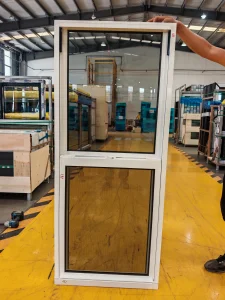
Every Passive House window and architectural entry door undergoes rigorous automated and manual QC checks across our 8-stage manufacturing line.
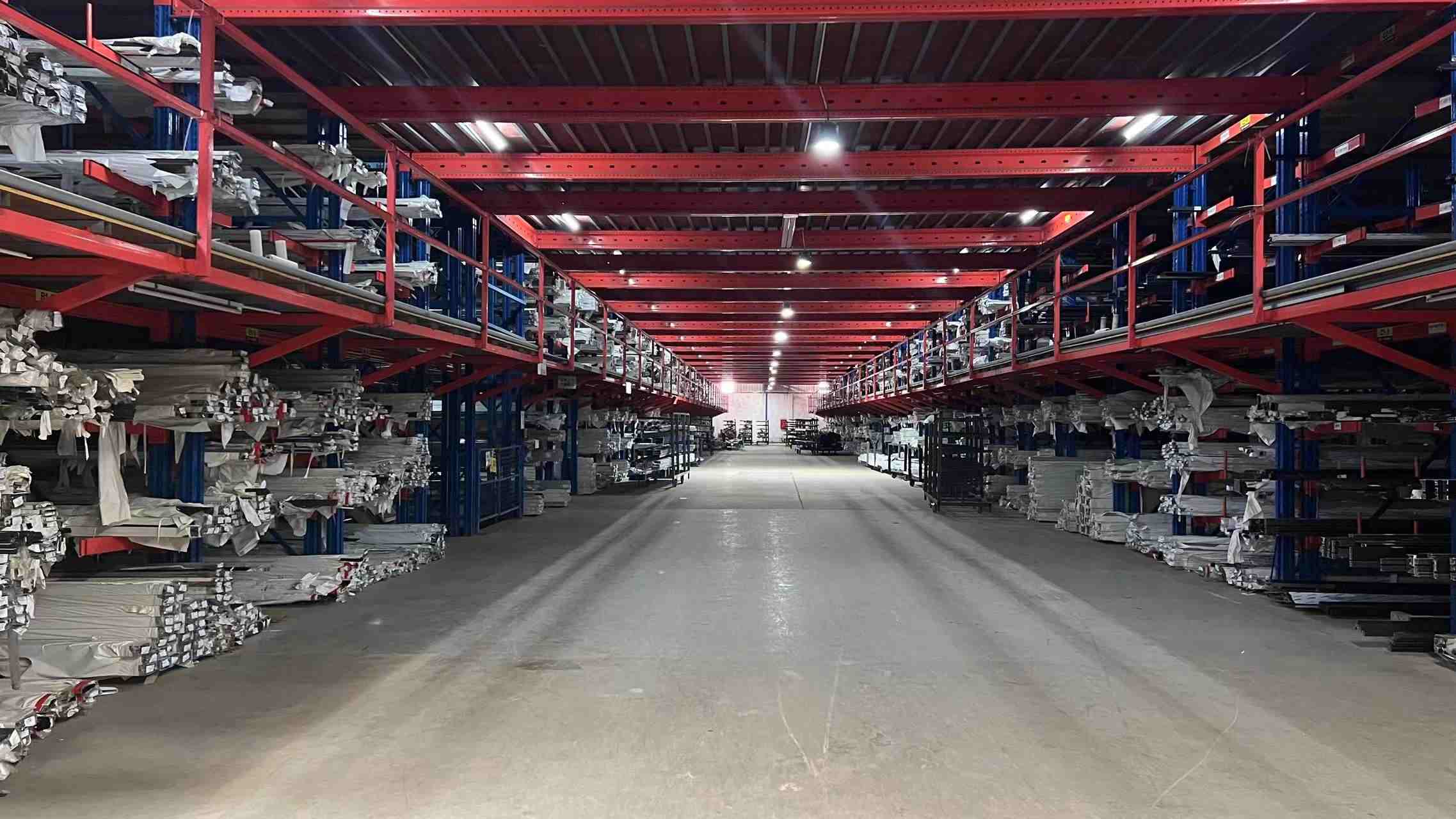
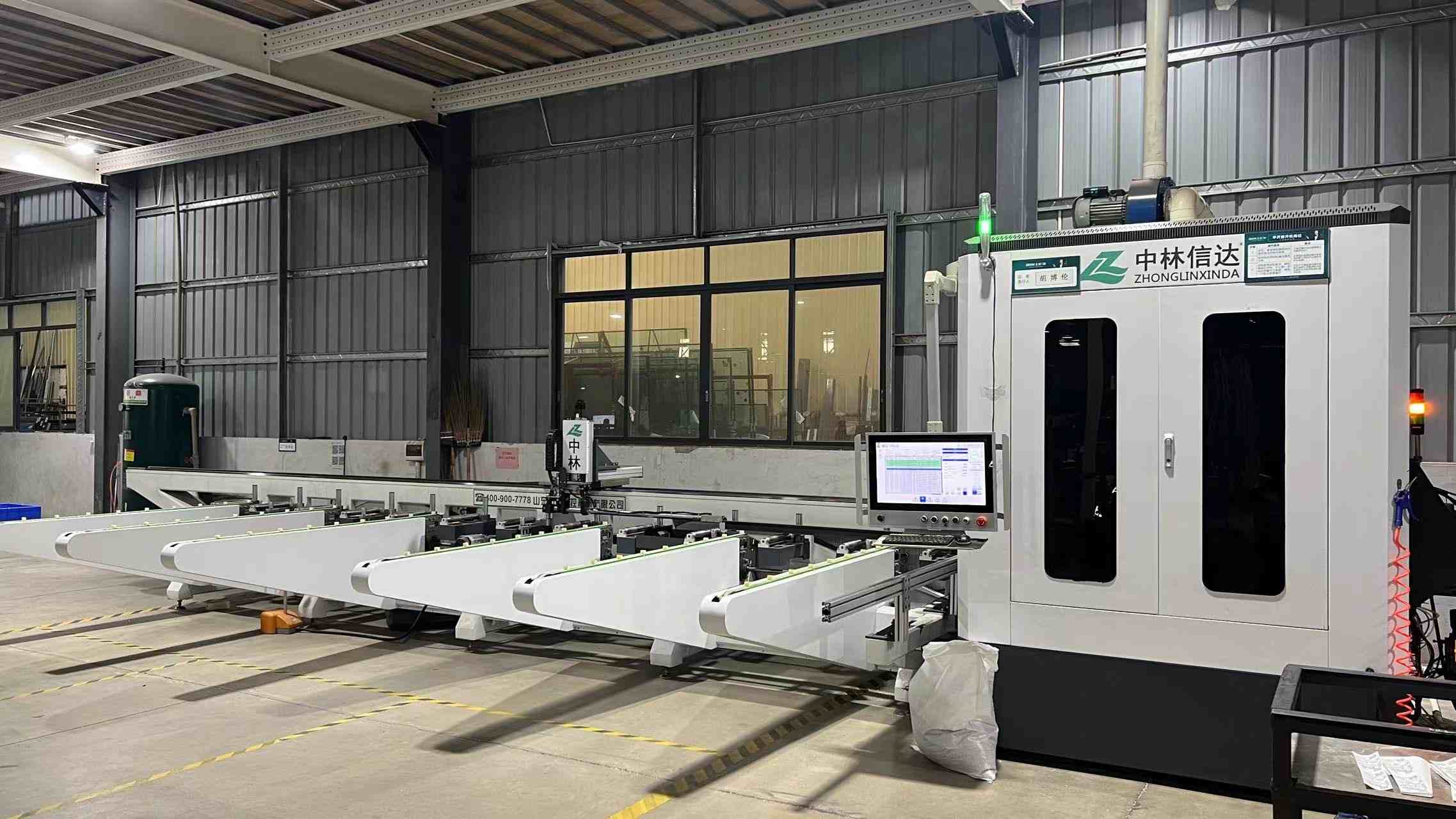
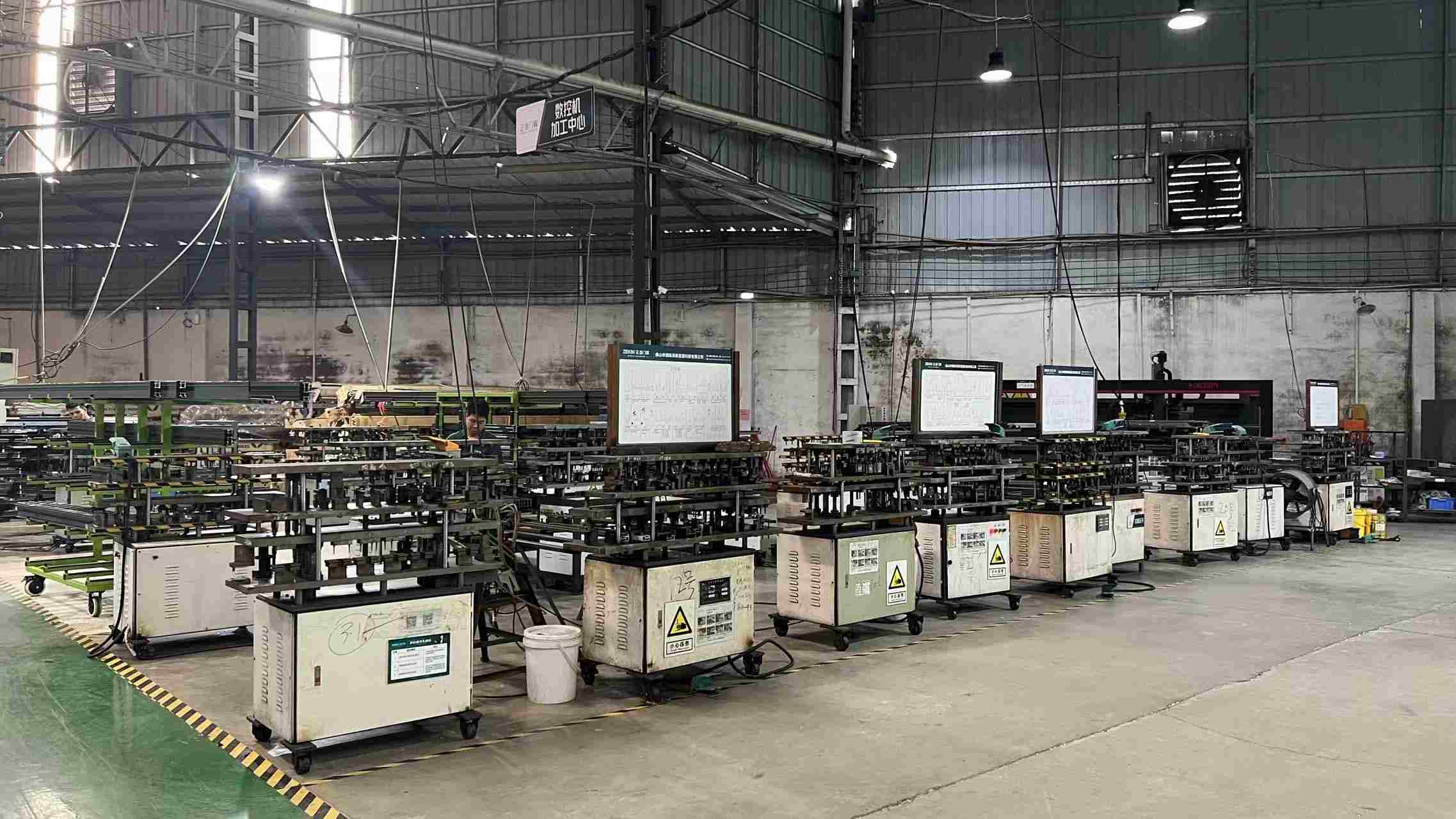
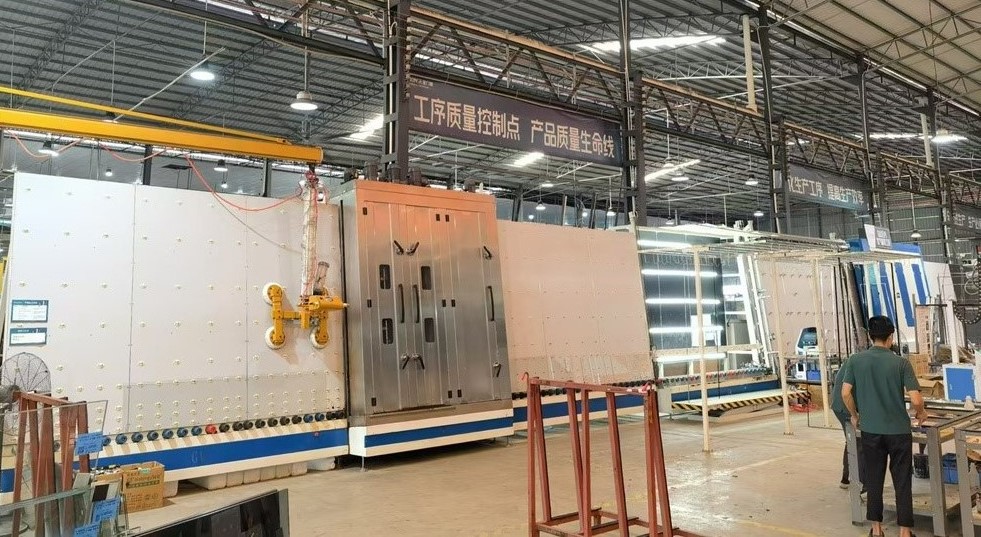
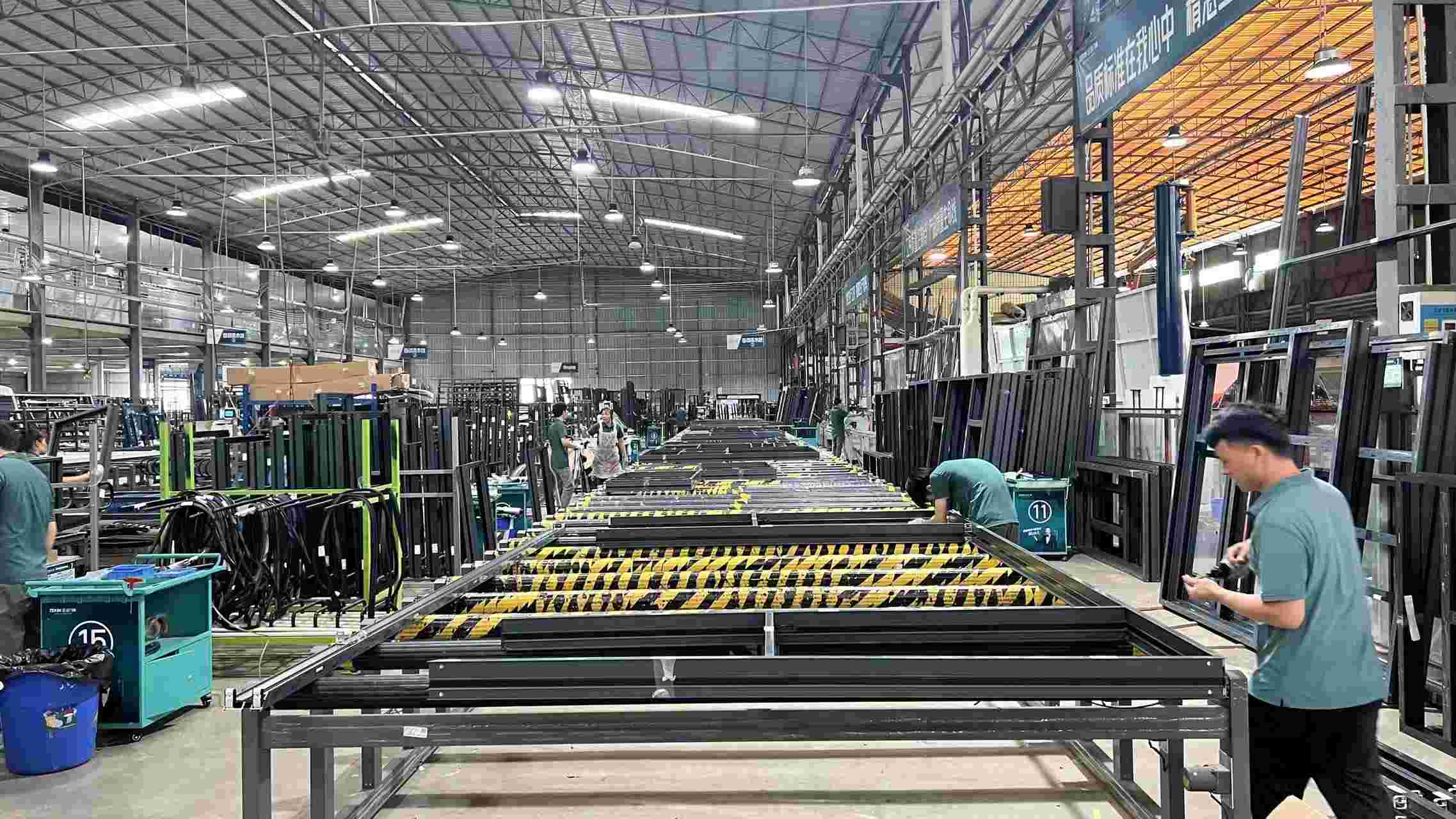
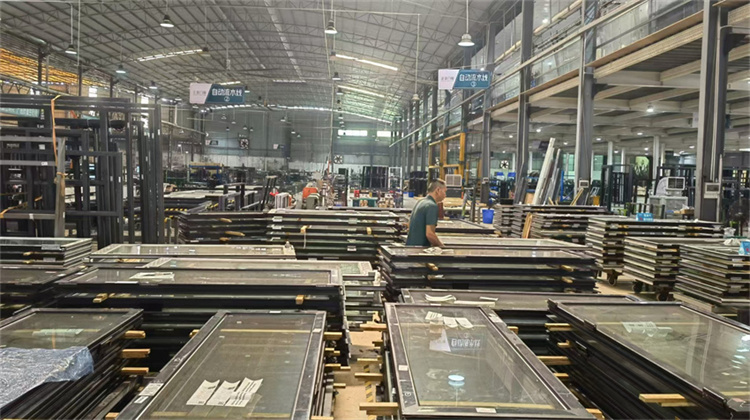
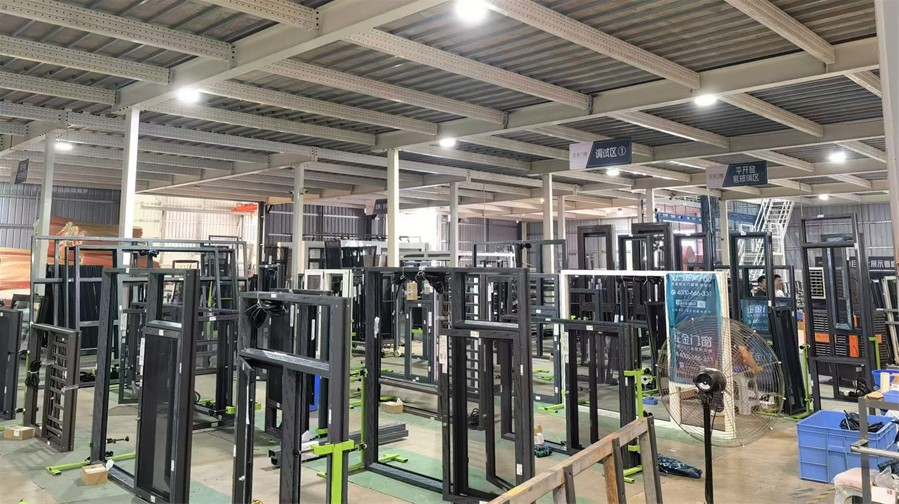
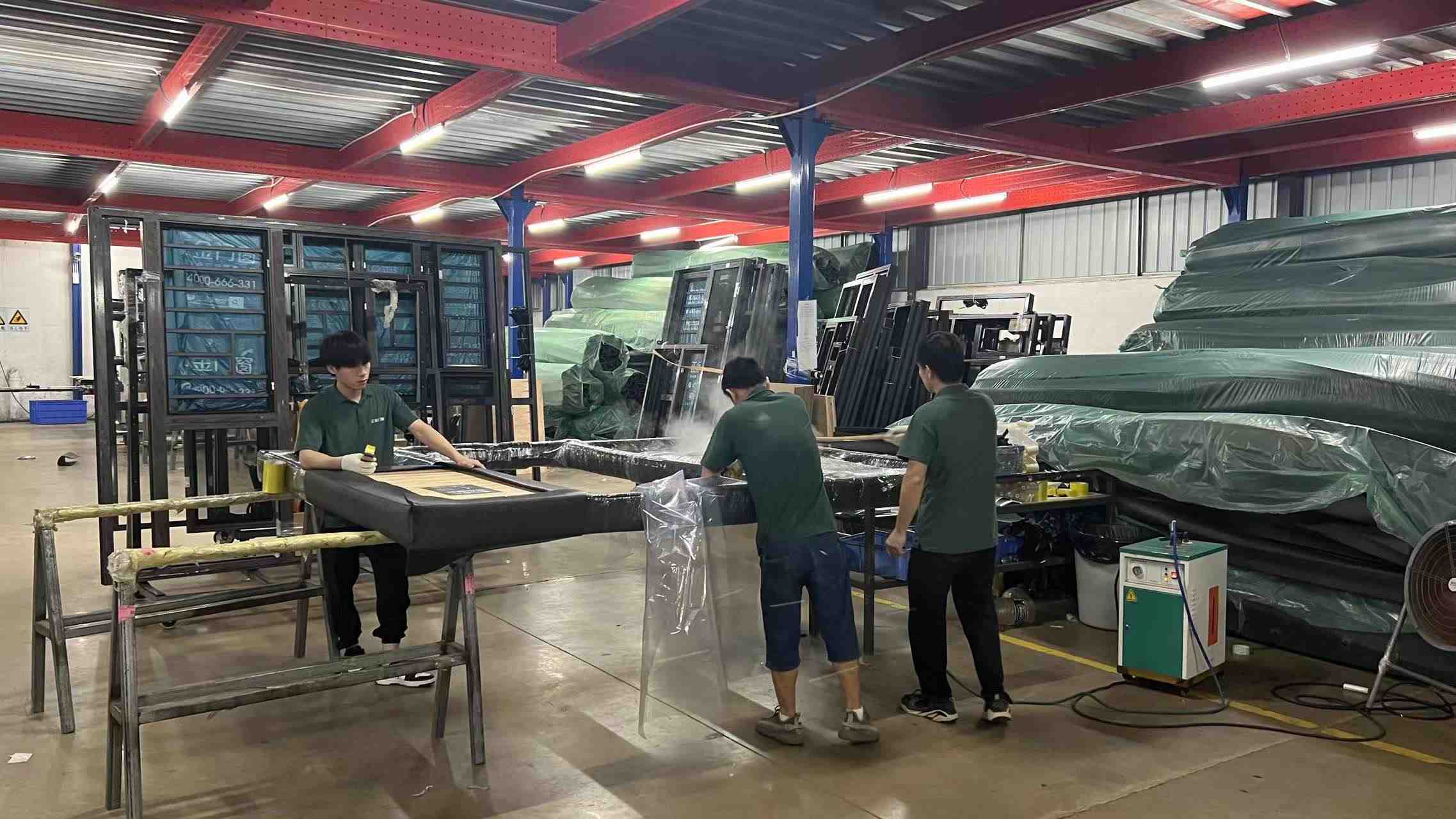
High-precision digital equipment ensures strict micron-level tolerances across thermal breaks, glass sealant application, and aluminum profile milling.
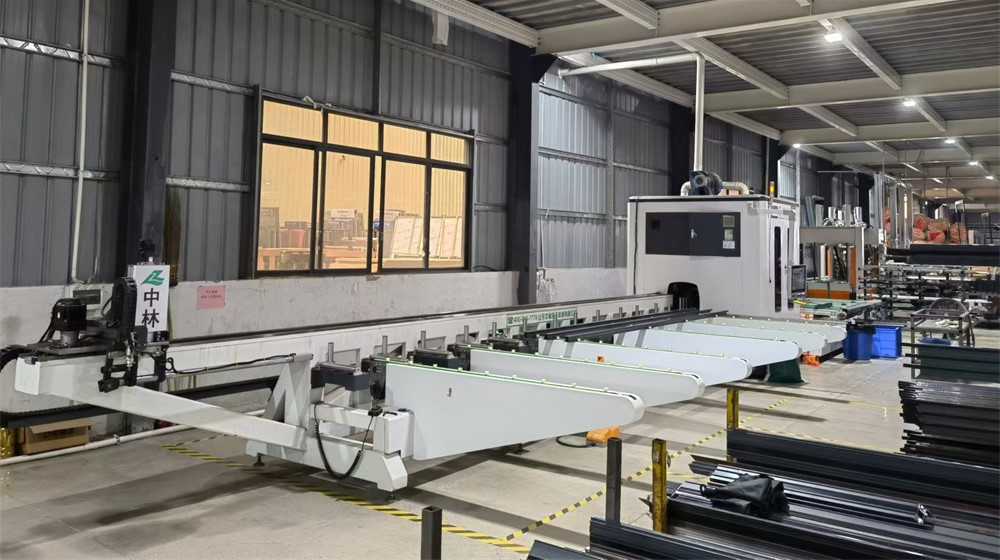
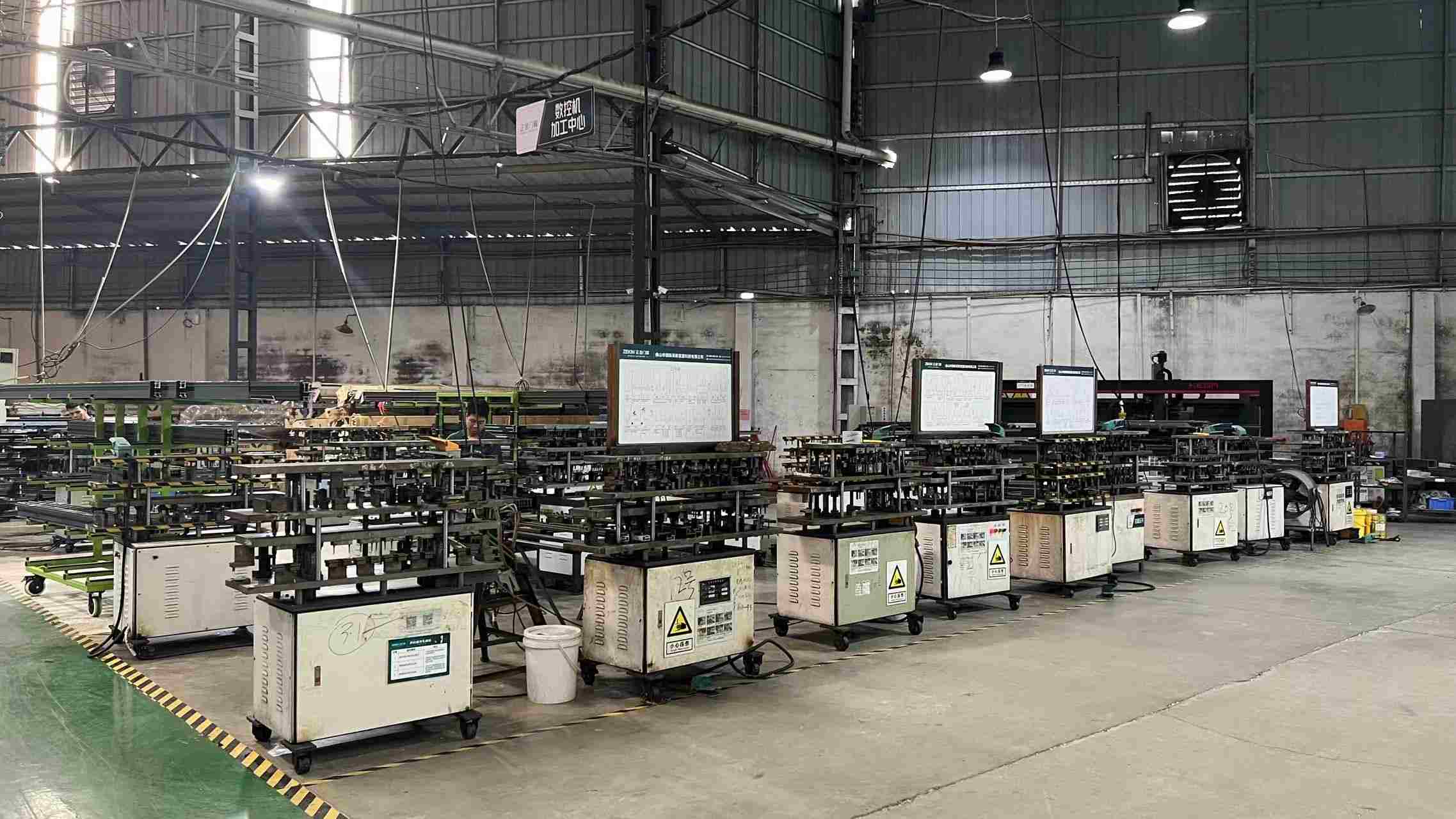
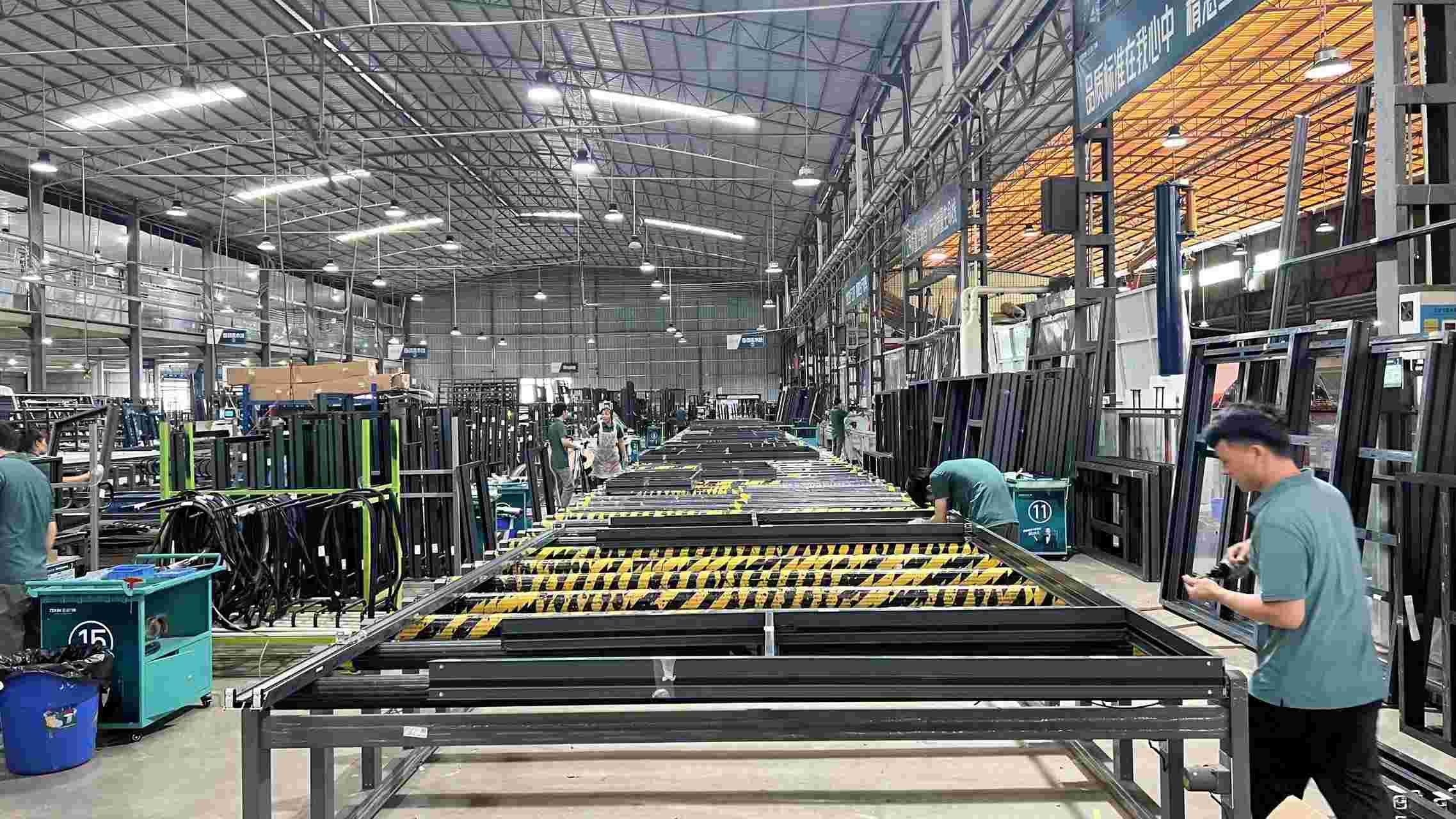
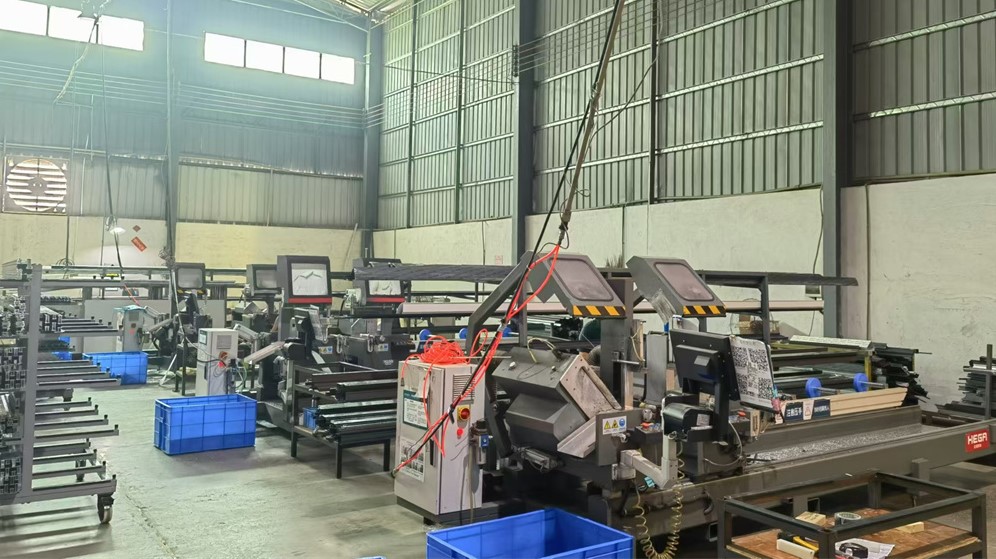
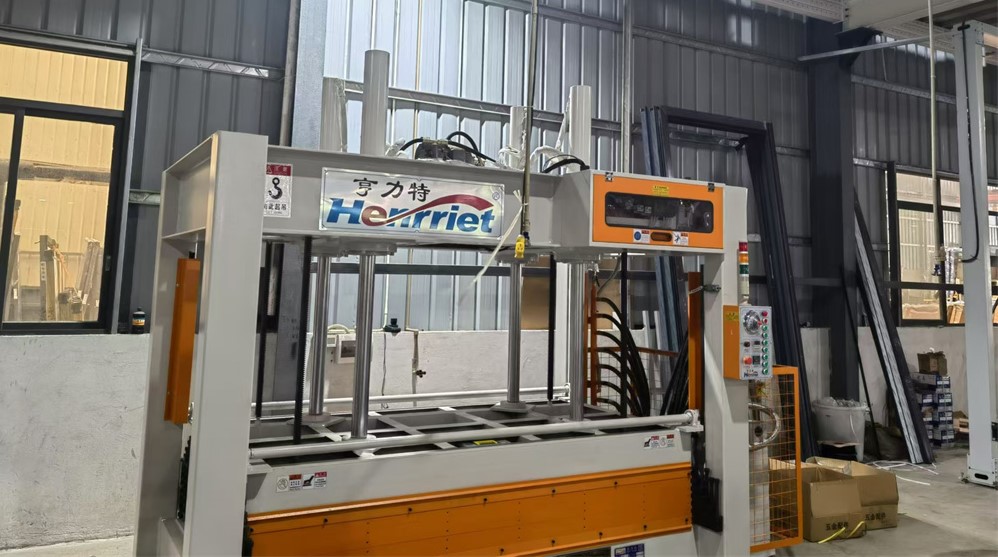
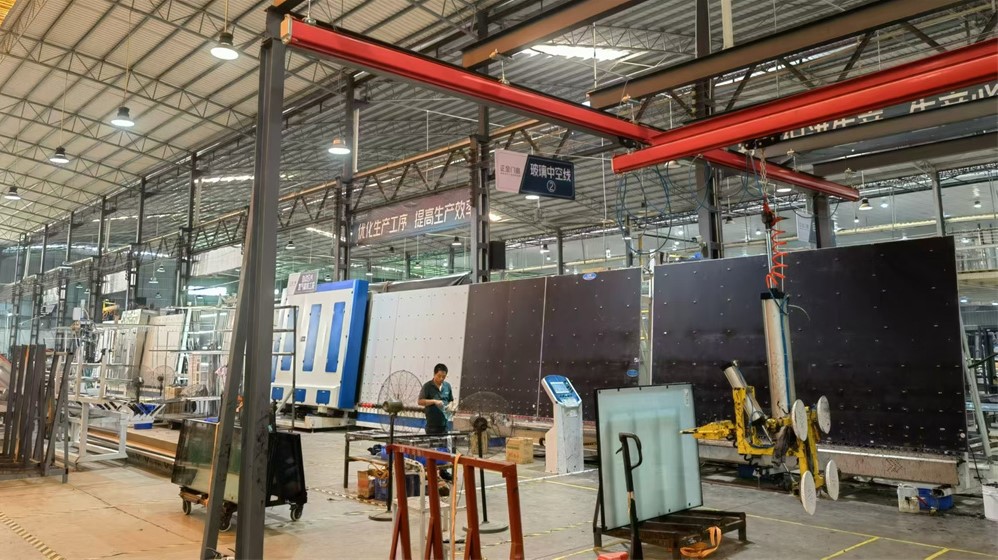
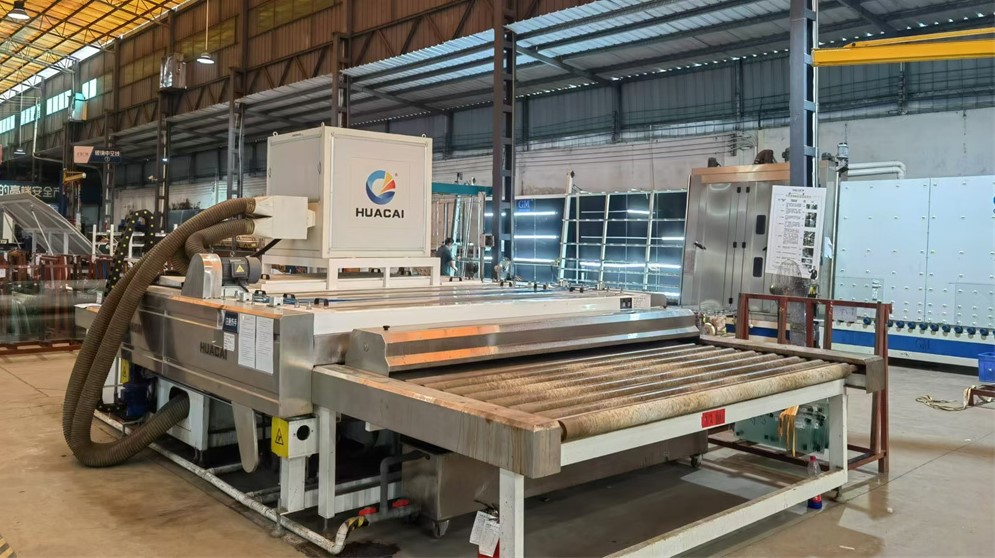
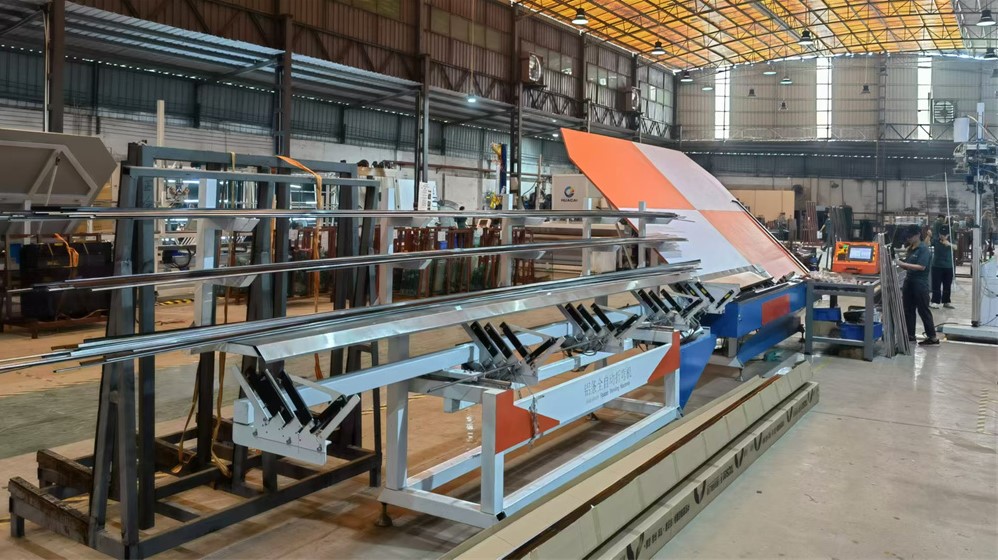
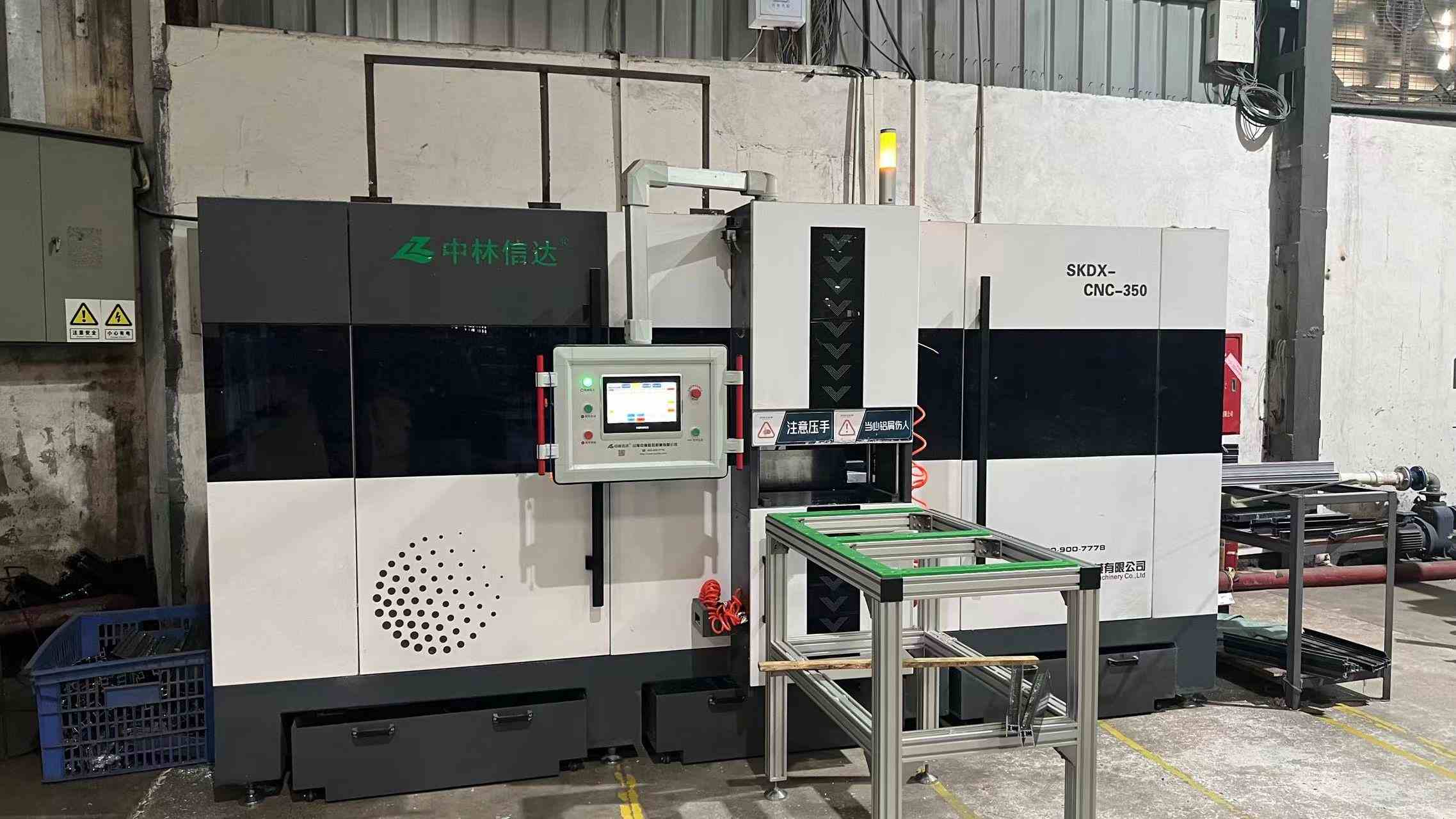
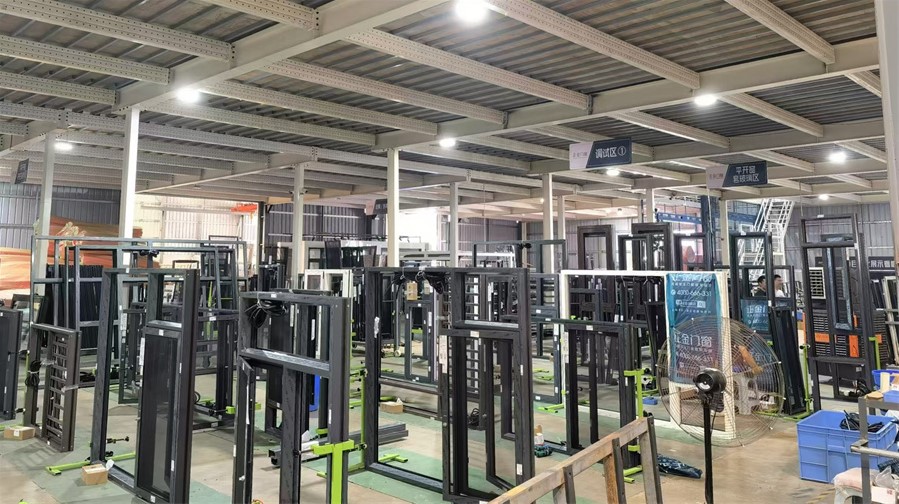
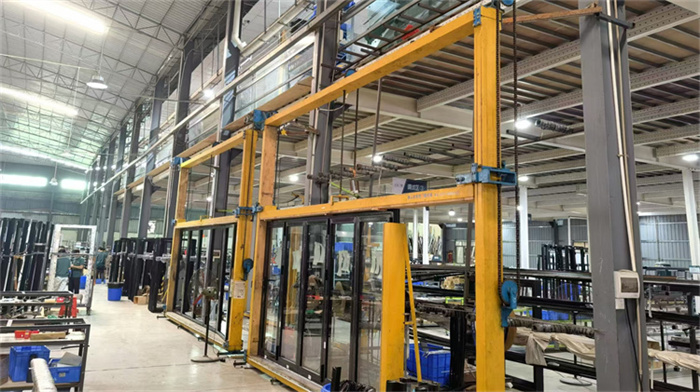
The global demand for Passive House windoors has surged, yet domestic European and North American manufacturers often face capacity bottlenecks and exorbitant labor premiums. Partnering with premier Chinese exporters like Luxfront provides international developers with a decisive competitive advantage: **unrivaled cost-efficiency coupled with hyper-strict engineering precision**.
China's fenestration supply chain ecosystem integrates raw aluminum refining, high-precision extrusion processing, advanced polyamide thermal break strip manufacturing, and automated triple-pane IGU assembly within localized industrial clusters. By utilizing automated CNC double-head sawing machines, robotic sealing lines, and digital laser milling, Luxfront eliminates human error while reducing lead times by up to 40% compared to Western counterparts.
Passive House window and door systems are not one-size-fits-all products; they must be tailored precisely to local climatic stresses and statutory building certifications:
The Passive House industry is accelerating into next-generation smart envelopes. Key technological vectors include:
Vacuum Insulated Glass (VIG) Hybridization: Integrating ultra-thin vacuum glass into multi-pane units allows for unprecedented thermal insulation (U-values below 0.40 W/m²K) at a fraction of the structural profile depth and weight.
Building-Integrated Photovoltaics (BIPV): Photovoltaic transparent glass units embedded within Passive House spandrel zones enable exterior window walls to generate clean solar power while actively shielding interior spaces from excessive solar heat gain.
Aerogel Thermal Break Infill: Beyond traditional polyamide (PA66 GF25) strips, leading exporters are infilling aluminum multi-cavity extrusion chambers with hydrophobic silica aerogel insulation, creating absolute thermal cutoffs in extreme environments.
Sourcing large-scale Passive House windows and doors for commercial multi-family developments or luxury villa clusters requires strict risk management protocols. Procurement officers and developers should mandate the following verification milestones prior to contract sign-off:
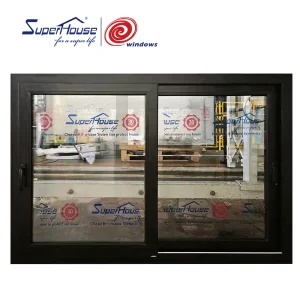
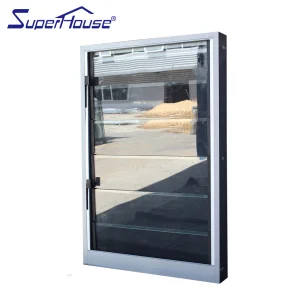
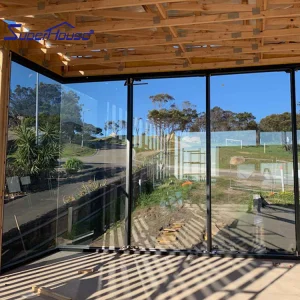
Explore our extended portfolio of thermal break sliding windows, tilt-and-turn configurations, hurricane impact glass systems, and high-security entrance doors.
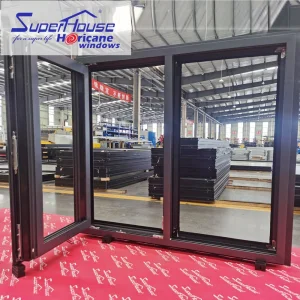
Expert technical insights regarding Passive House window and door exporter credentials, structural thermal physics, certification requirements, and ordering logistics.
 Luxfront