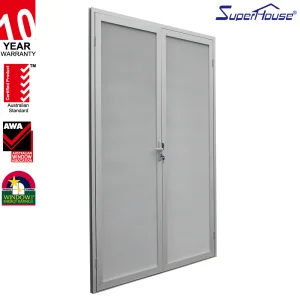
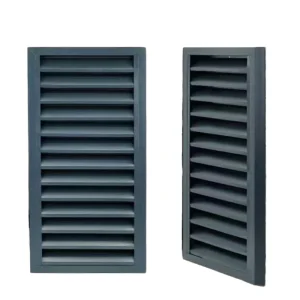
Engineered to meet stringent Florida Building Code Notice of Acceptance (NOA) and Miami-Dade HVHZ requirements.
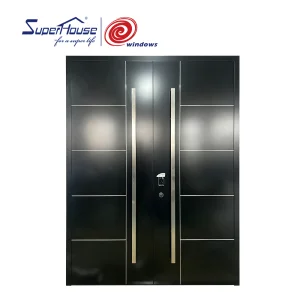
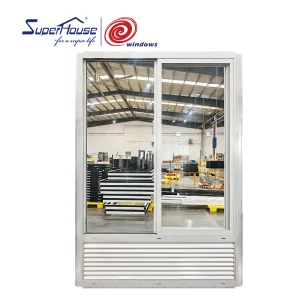
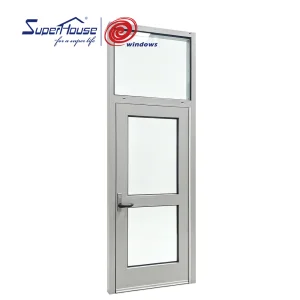
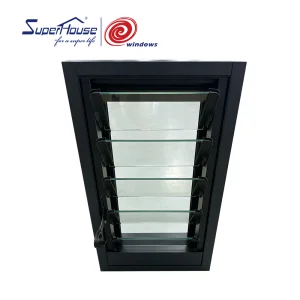
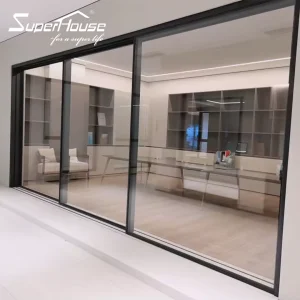
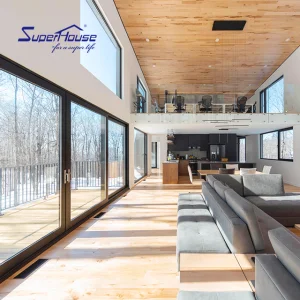
Building within Florida’s coastal jurisdictions—particularly High-Velocity Hurricane Zones (HVHZ) such as Miami-Dade and Broward counties—demands strict compliance with structural fenestration design. The Florida Building Code (FBC) enforces rigorous structural integrity and impact-resistance parameters. Central to this regulatory matrix is the Notice of Acceptance (NOA), issued by Miami-Dade County's Department of Regulatory and Economic Resources. The NOA serves as the definitive certification verifying that a window or door assembly can withstand catastrophic atmospheric forces, cyclic wind pressure fatigue, and high-velocity windborne debris impact.
When a tropical cyclone makes landfall, structural damage often initiates with envelope breach. Once windward fenestration fails, pressurized air rushes into the interior structure, resulting in massive upward force on roof trusses and outward pressure on lateral walls. To prevent internal pressurization, hurricane impact windows and doors are designed around two engineering lines of defense: structural aluminum alloy framing and laminated impact glass units (IGUs).
Technical Information Gain Note: Florida NOA certification requires passing TAS 201 (Large and Small Missile Impact Test), TAS 202 (Criteria for Testing Impact and Non Impact Resistant Building Products), and TAS 203 (Criteria for Testing Products Subjected to Cyclic Wind Pressure Loading). Systems tested under these protocols must maintain envelope seal without structural degradation under positive and negative pressures exceeding +100/-100 PSF (Pounds per Square Foot).
The structural capacity of an impact fenestration assembly depends heavily on aluminum profile engineering. Utilizing extruded 6063-T6 aluminum profiles with optimized wall thicknesses (often exceeding 2.5mm to 3.0mm in load-bearing channels), manufacturers construct frames capable of resisting severe deflection under wind loads surpassing 170 mph (76 m/s). Furthermore, structural silicone adhesives (such as Dow Corning 995) bond the glass pane directly to the aluminum sash pocket, creating an integrated composite structure that transfers shear stress across the entire system perimeter during severe impact events.
The North American architectural market has experienced significant demand shifts due to rising domestic construction costs, extended domestic factory lead times, and increased frequency of severe weather events along the Atlantic and Gulf Coasts. Florida developers, general contractors, and luxury homebuilders are turning to specialized international manufacturing partners capable of delivering fully certified, custom-engineered NOA impact solutions at scale.
Chinese advanced manufacturing hubs have evolved to meet this global demand through deep integration of supply chains, advanced CNC machinery, and standardized quality assurance protocols. By combining precise extrusion die technology, automated double-head cutting saws, continuous thermal break assembly lines, and automated lamination units, Chinese OEM operations offer substantial advantages:
Founded in 2007, Luxfront Architectural Doors Ltd. is a modern high-end door enterprise utilizing a 26,000 m² production facility. Backed by 17 years of technical manufacturing heritage and 7 years of international trade operations, the firm achieves $21 million in annual export revenue. Luxfront caters predominantly to North America, Western Europe, and Australia, serving boutique housing developers, luxury home builders, and architectural design agencies.
Working alongside 720 specialized raw material supply partners, quality assurance remains central to operations. A dedicated team of 32 QA inspectors oversees full-process sampling, CMM dimensional measurements, and weather-seal performance evaluations. Driven by market-leading architectural innovation, Luxfront's 45 R&D engineers released 110 original door designs last season. Complete custom options are available, covering large-format pivot door structures, concealed hinges, integrated LED ambient lighting, and premium wood-veneer aluminum finishes.
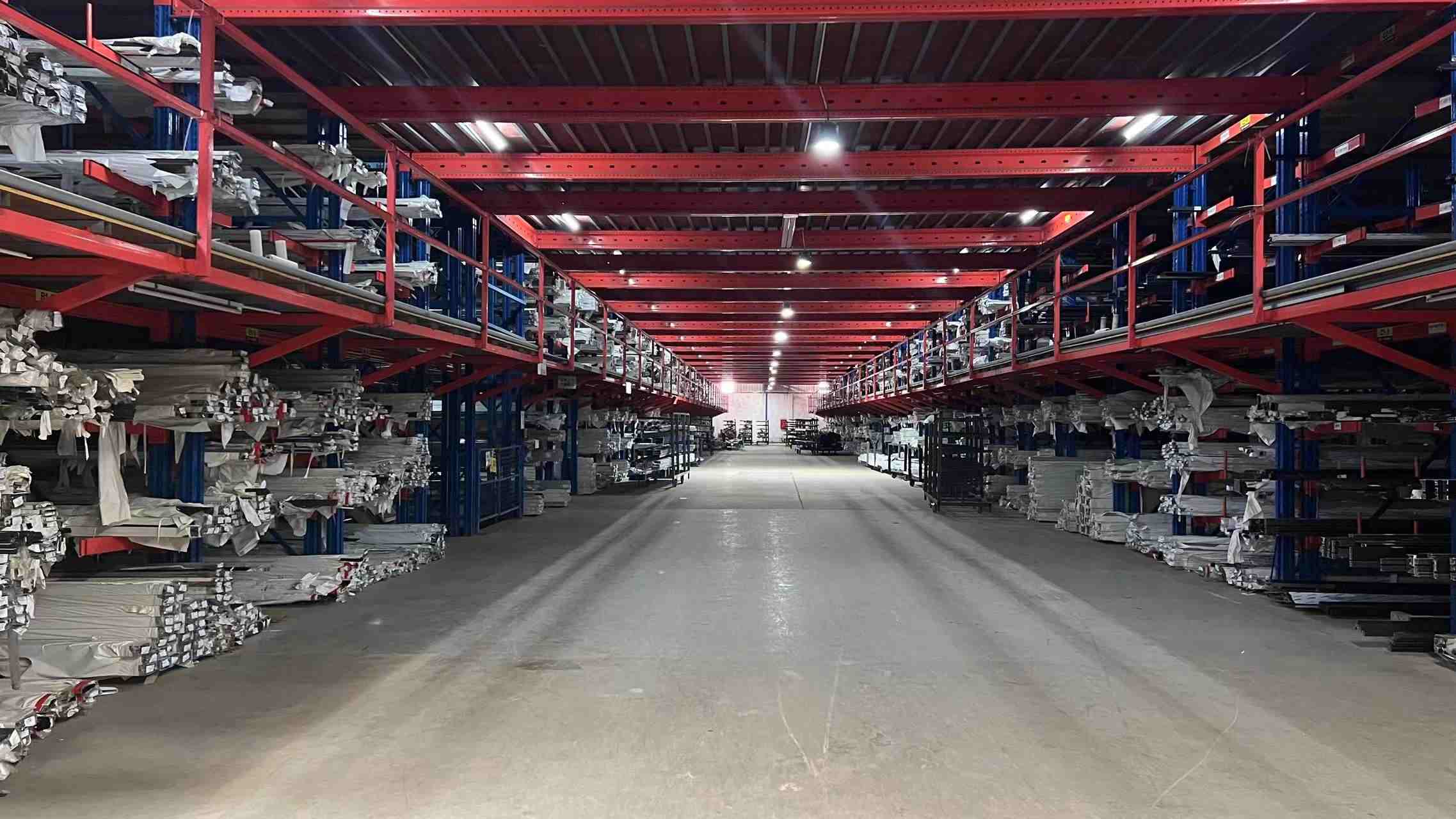 Raw Materials
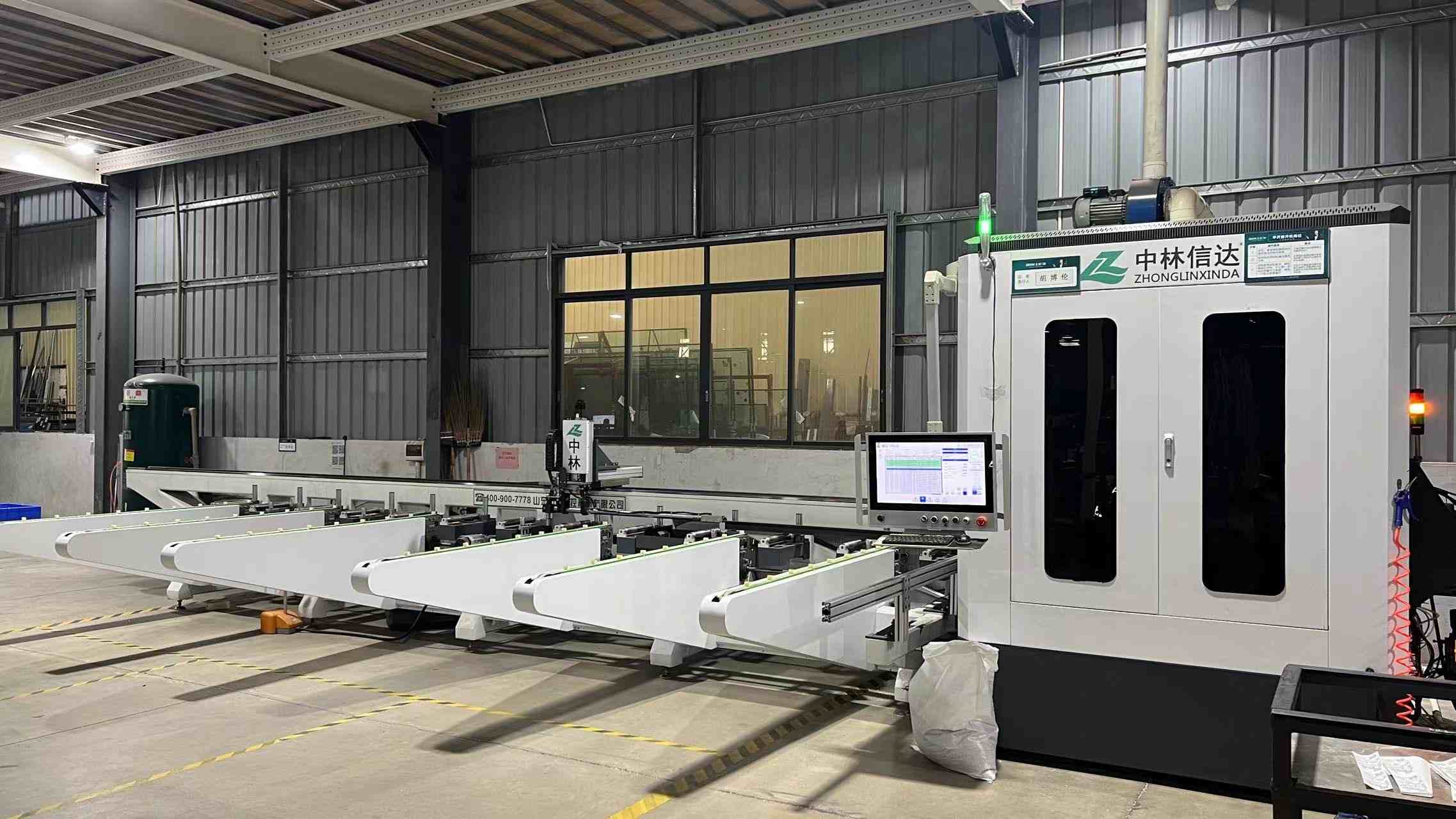 Cutting
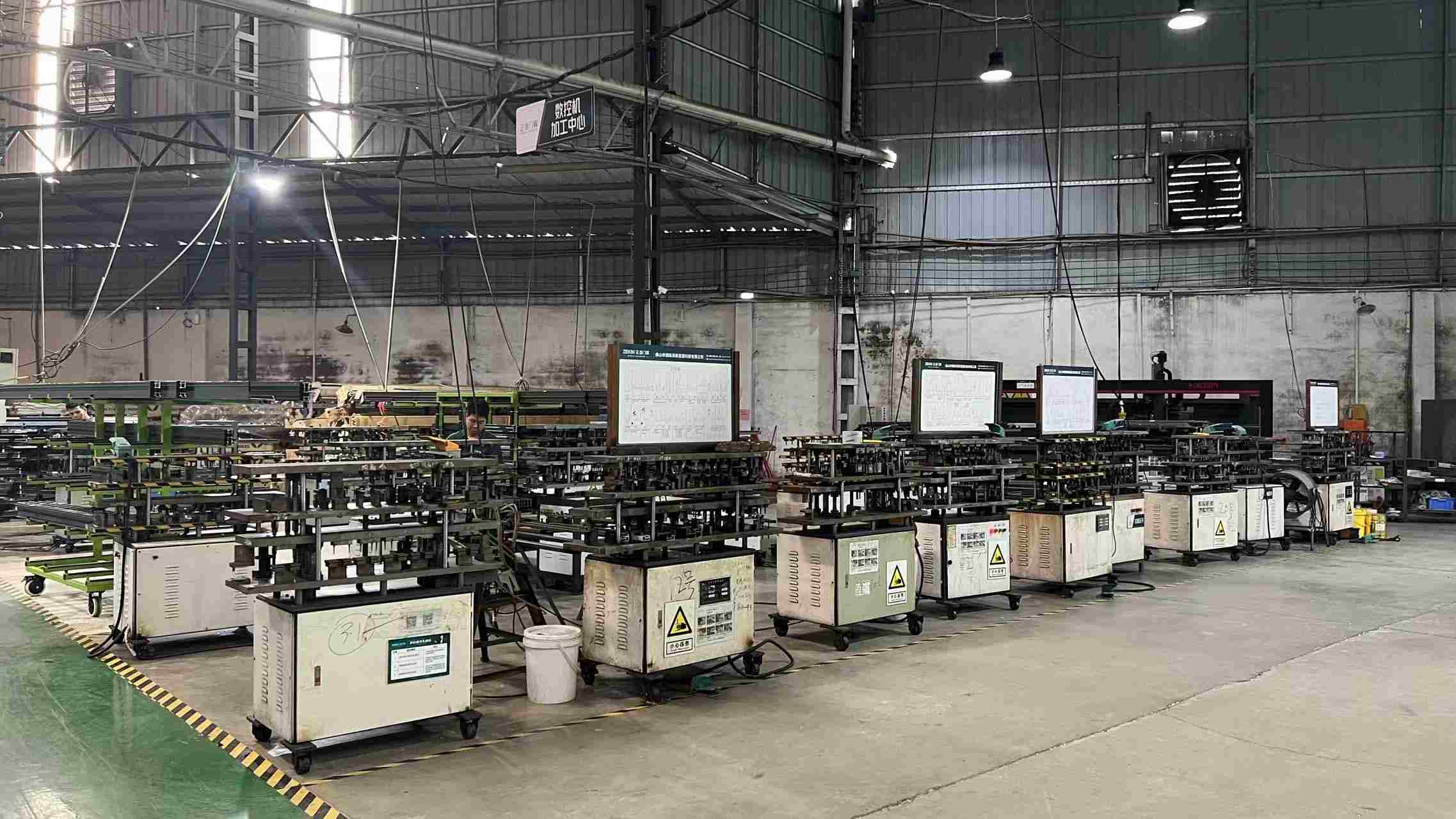 Punching
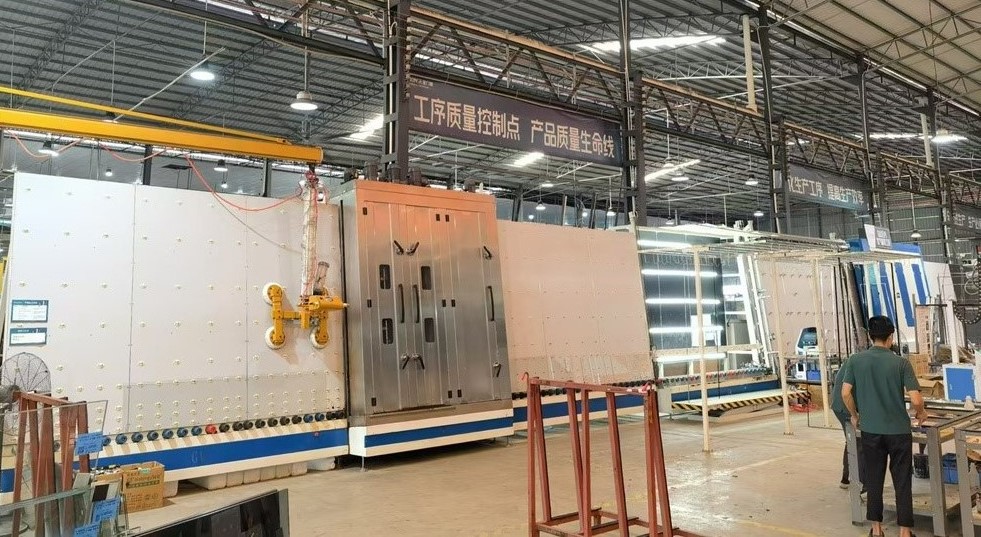 Hollow Processing
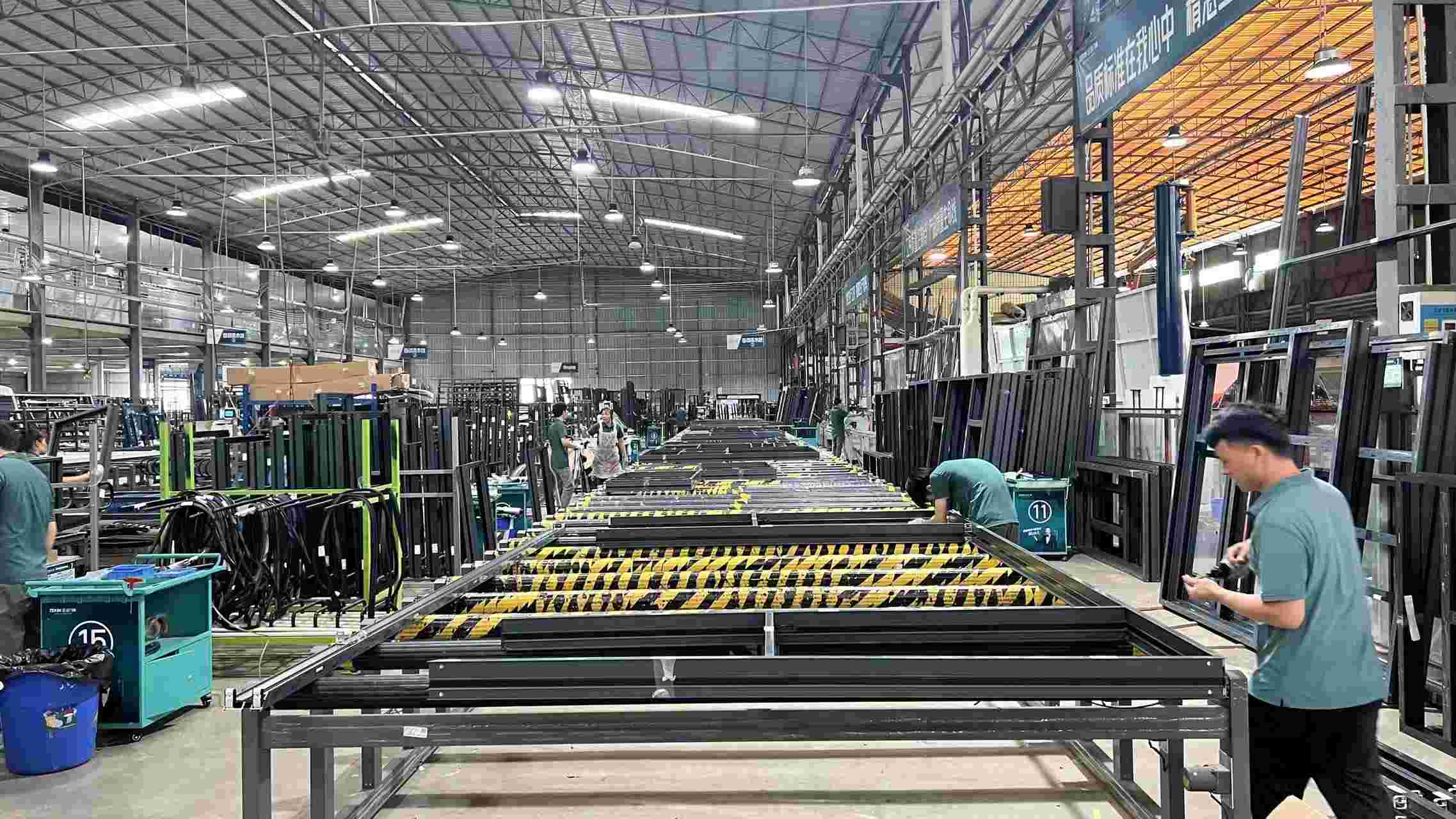 Gluing
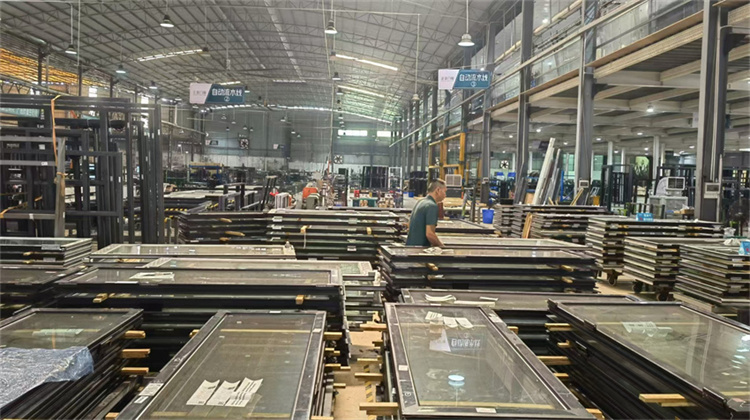 Assmebly
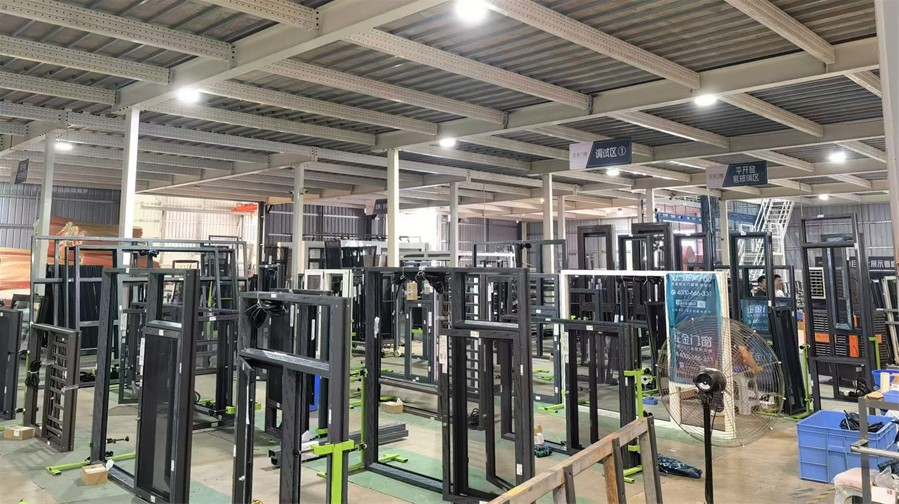 Debugging
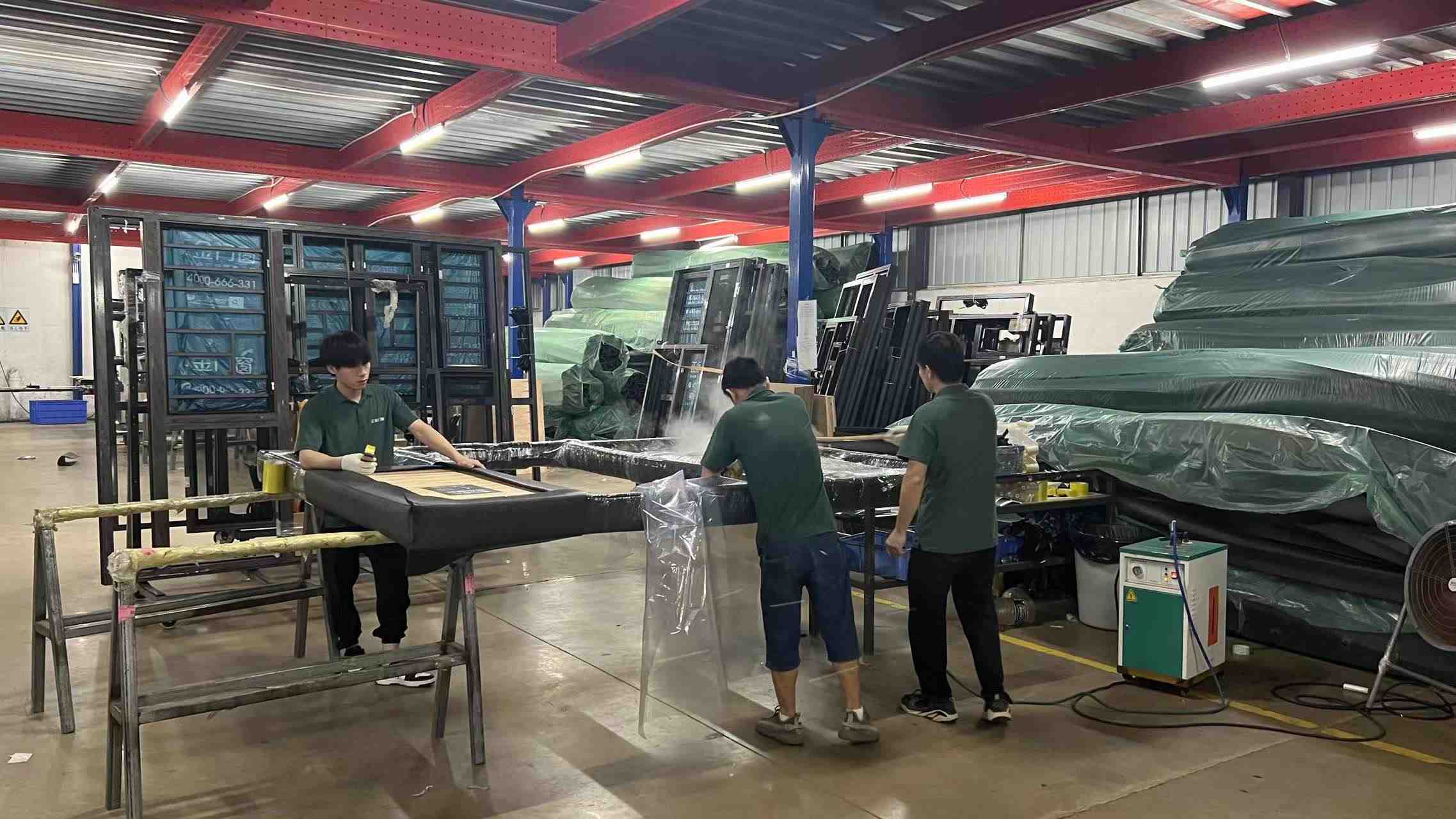 Packing
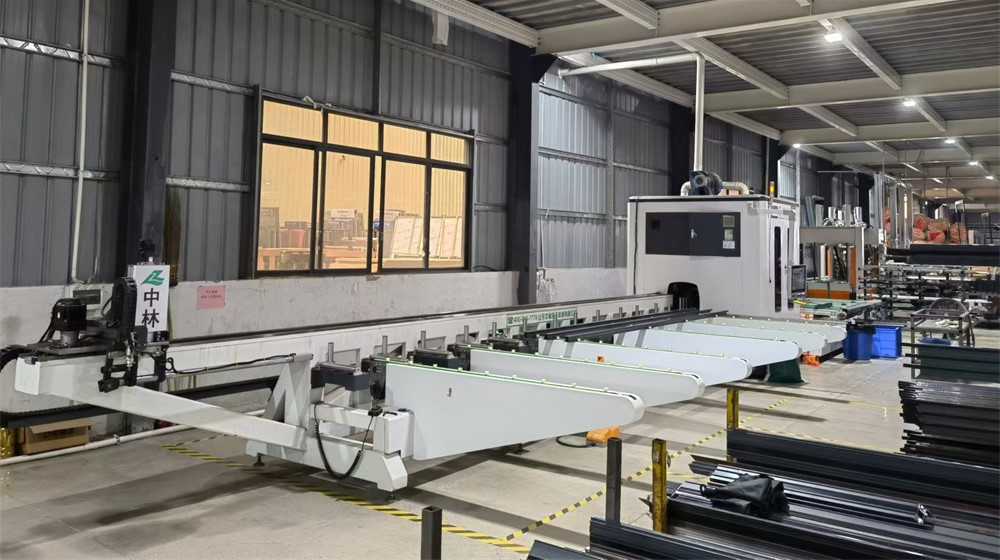 Laser Cutting Machine
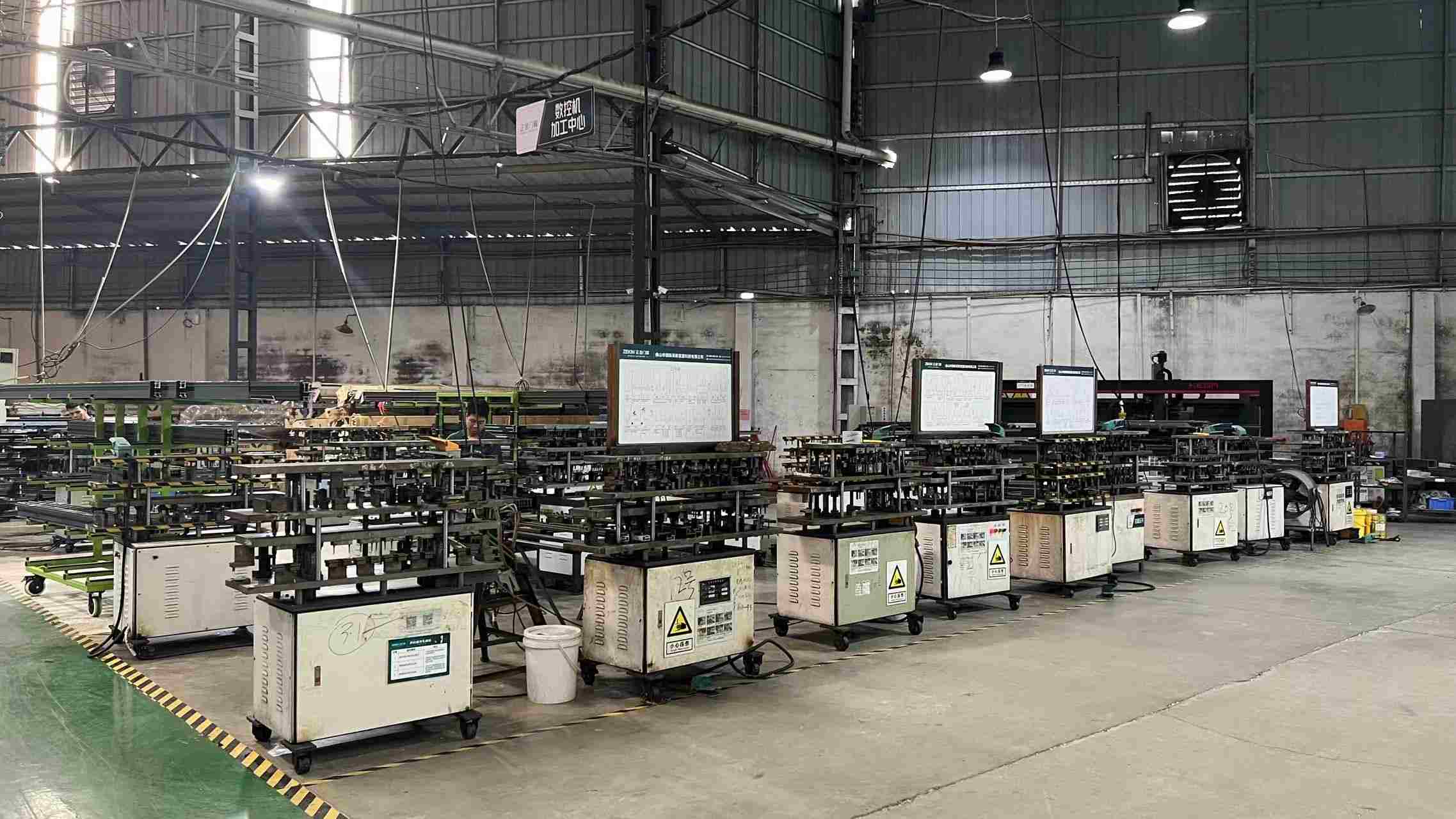 Punching Machine
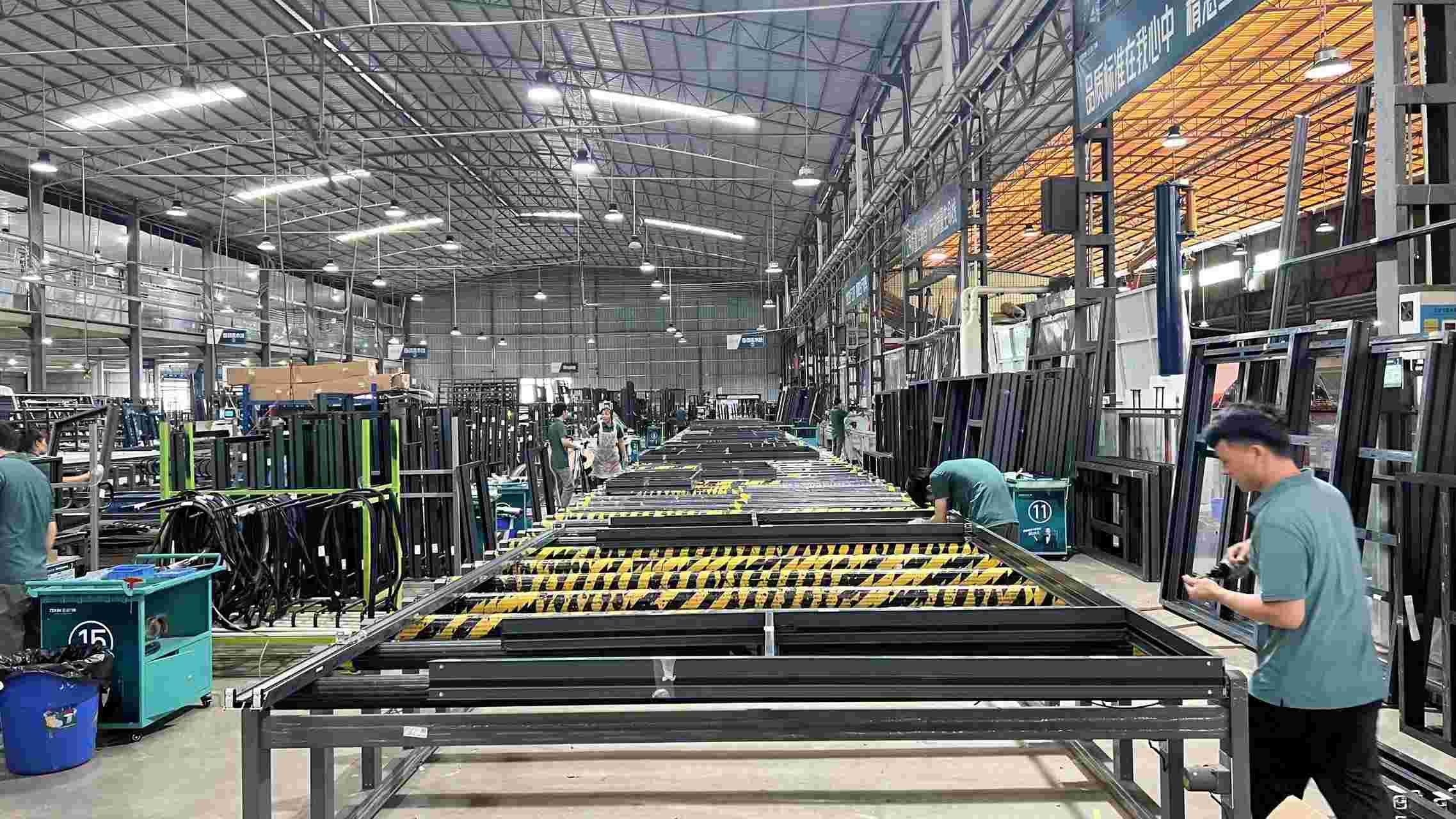 Assembly Line
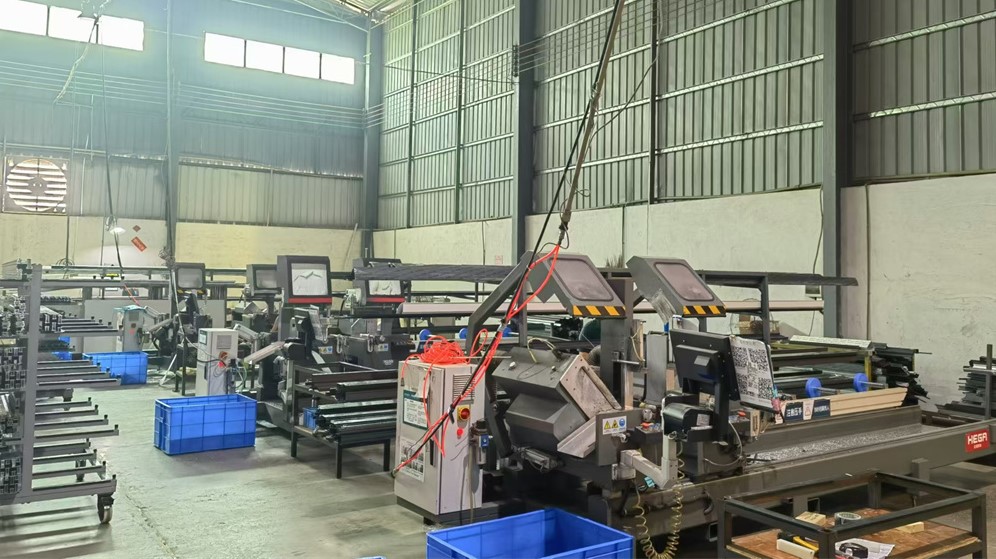 Double Head Sawing Machine
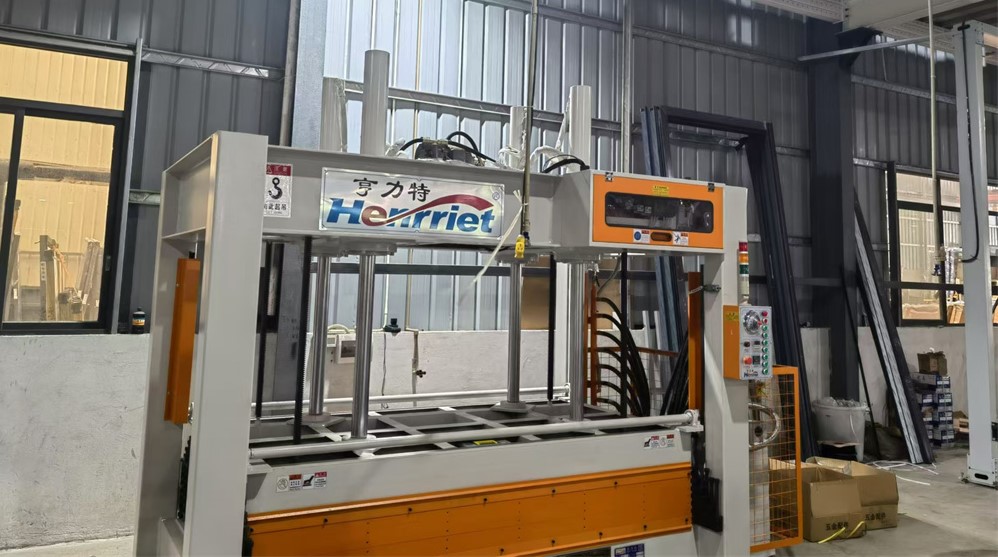 Pressing Machine
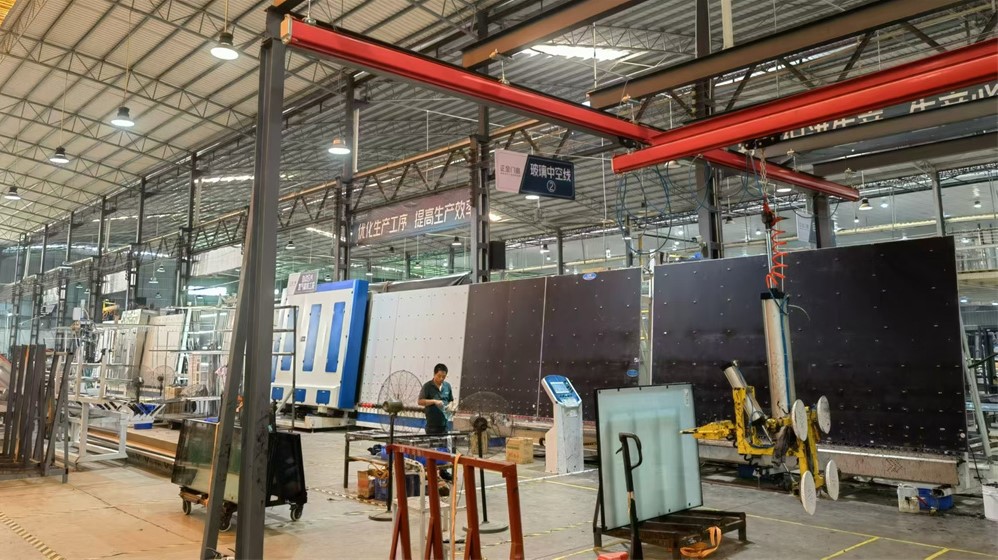 Hollow Line
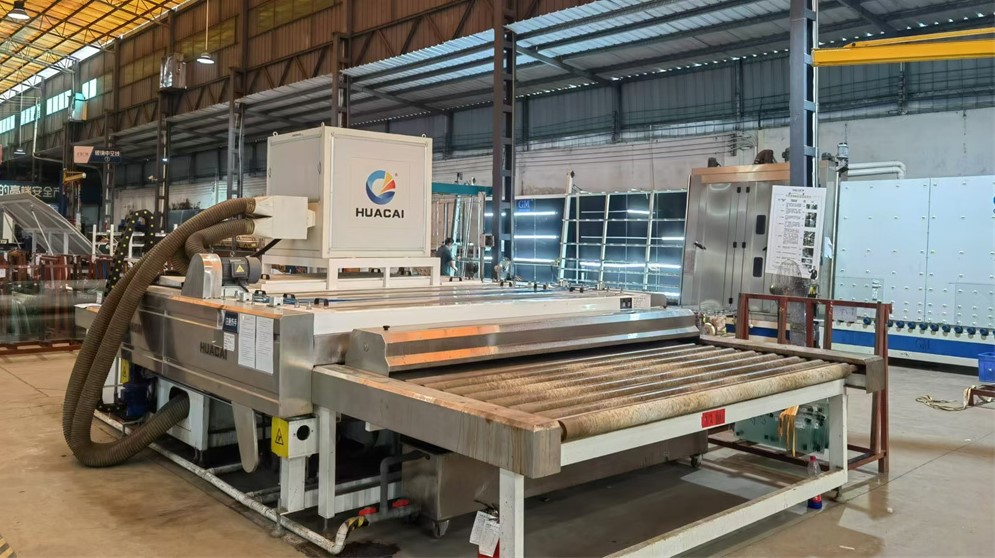 Glass Cleaning Machine
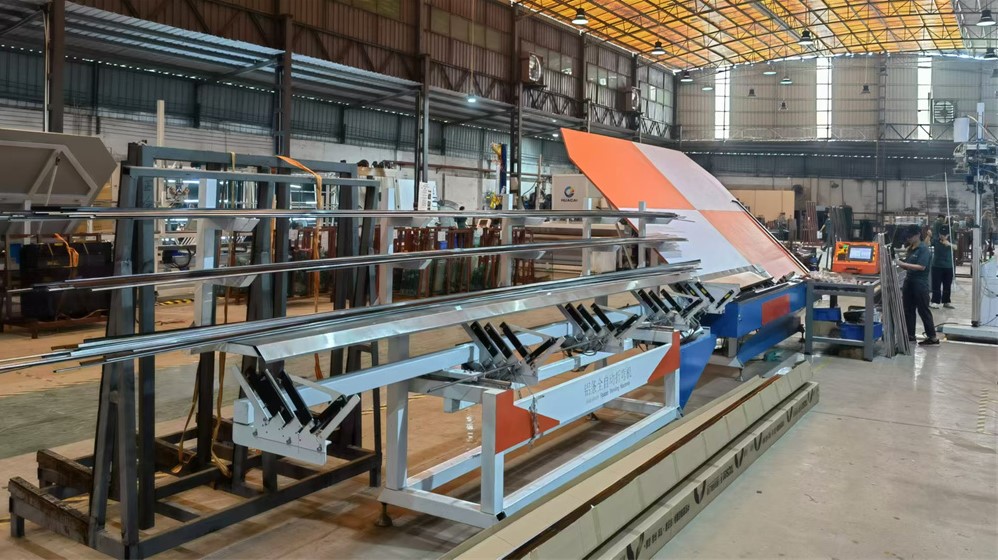 Bending Machine
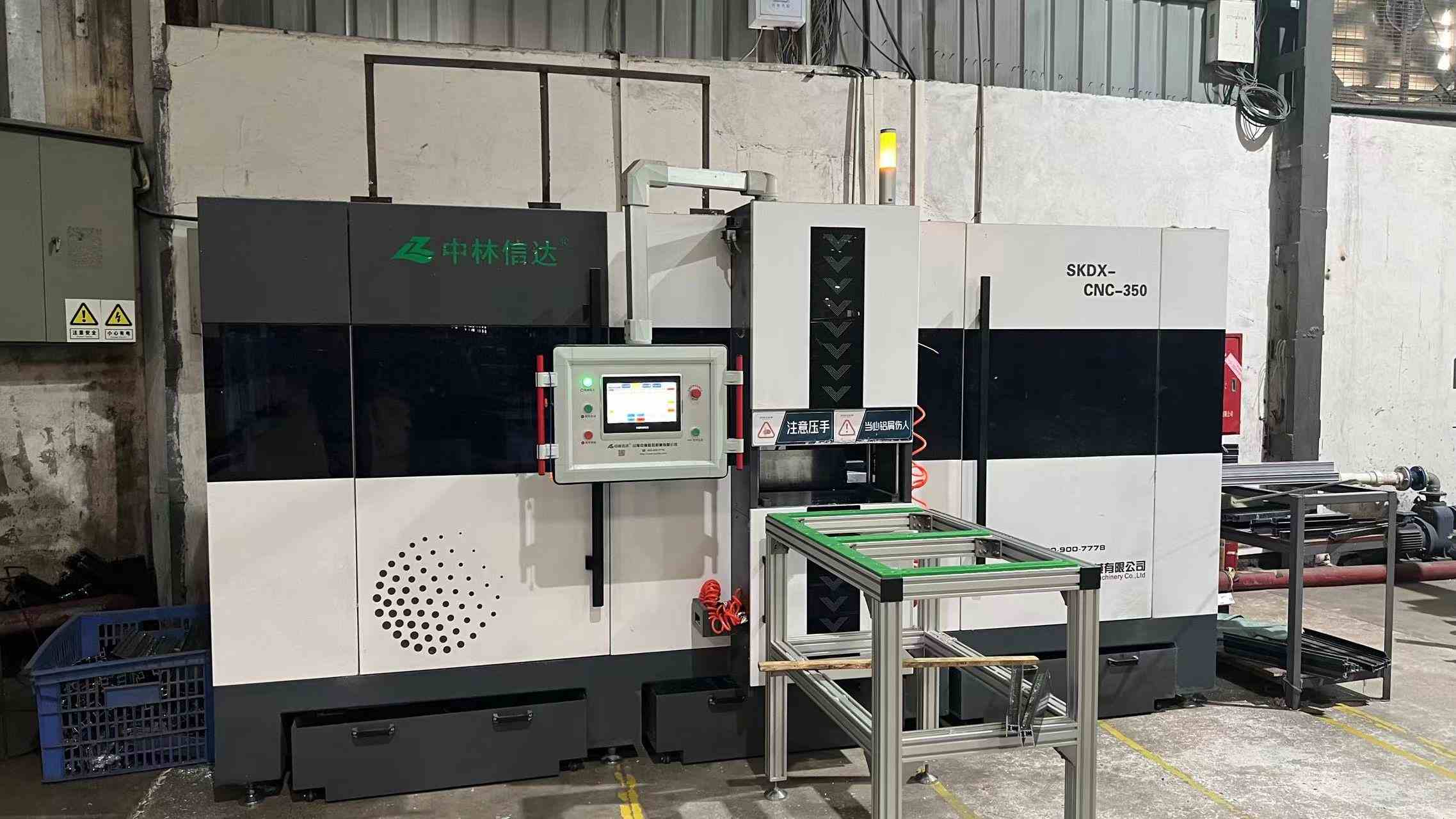 Automatic End Milling Machine
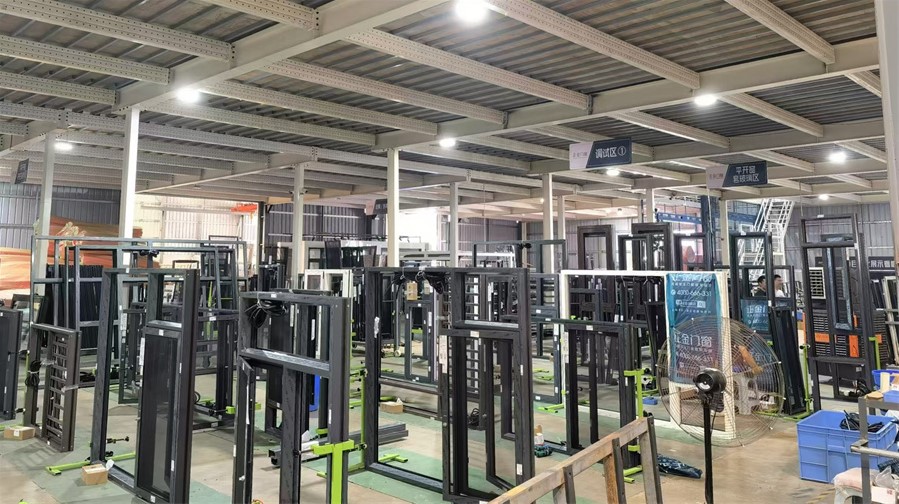 Debugging
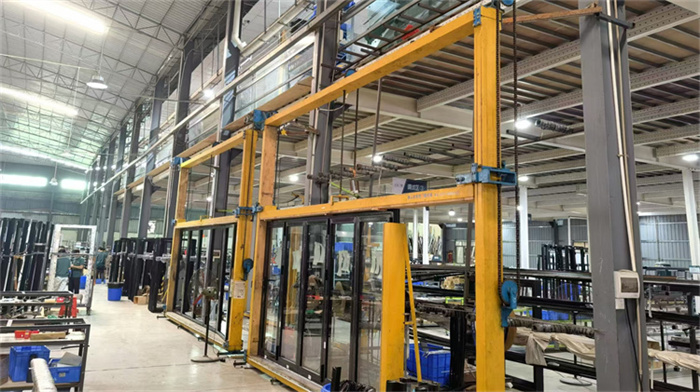 Debugging Frame
Florida’s climate varies from subtropical in North Florida to fully tropical in the Florida Keys. Each geographic zone presents distinct engineering challenges that influence fenestration selection:
Miami-Dade & Broward Counties (HVHZ Zones): Projects situated within these jurisdictions demand mandatory Miami-Dade NOA approval or Florida Product Approval with explicit HVHZ rating. Buildings facing direct coastal exposures require SentryGlas® (SGP) interlayers within their laminated glass make-ups. SGP interlayers are five times tougher and up to 100 times stiffer than standard PVB interlayers, remaining intact even if both glass plies shatter under severe debris impact.
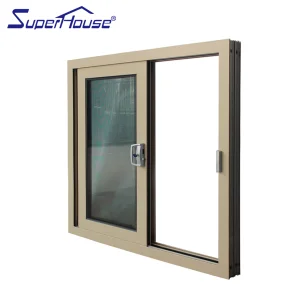
Palm Beach & Coastal Gold Coast Villas: Architectural trends in luxury oceanfront estates favor large floor-to-ceiling glass expanses, multi-track pocketing sliding doors, and ultra-slim sightlines. These applications utilize heavy-duty thermal break aluminum extrusions integrated with multi-point locking hardware cast from 316-grade stainless steel to resist salt spray corrosion.
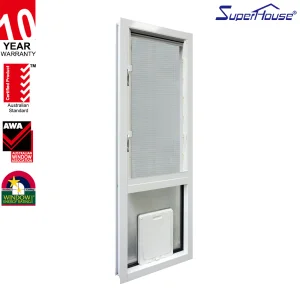
Commercial Hospitality & Mid-Rise Urban Developments: Hotels and commercial apartments along Florida urban corridors require integrated PTAC (Package Terminal Air Conditioner) louvers, motorized ventilation vents, and egress compliance. NOA-approved commercial fixed picture windows and heavy-duty storefront doors streamline structural inspections while meeting commercial thermal energy performance standards.
The impact fenestration industry is undergoing rapid technological advancements driven by stringent building energy codes, modern architectural aesthetics, and smart home integration requirements:
1. Thermal Break Optimization & Energy Efficiency: Historically, hurricane impact windows focused solely on structural loading, often sacrificing thermal performance. Modern systems incorporate Polyamide (PA66) thermal barrier strips within extruded aluminum profiles. This dual-cavity thermal separation blocks solar heat gain, drastically reducing U-factors and Solar Heat Gain Coefficients (SHGC) to meet Florida Energy Conservation Code mandates.
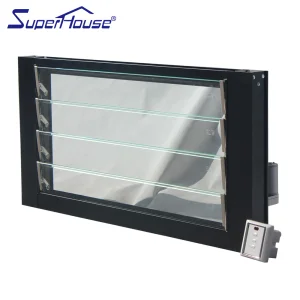
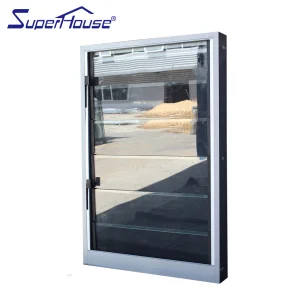
2. Smart Home Automation & Motorized Actuation: Luxury coastal residences increasingly specify motorized glass louver windows and high-load sliding stacker doors linked to home automation networks. In severe weather warnings, automated systems seal all sashes, engage multi-point motorized deadbolts, and configure passive ventilation louvers without manual intervention.
3. Advanced Surface Finishing & Marine-Grade Coatings: Exposure to saline coastal fog triggers rapid galvanic corrosion on standard aluminum finishes. Advanced manufacturing now standardizes on Fluorocarbon Kynar 500 / PVDF powder coatings exceeding AAMA 2605 specifications, guaranteeing color retention and film integrity under extreme UV exposure and coastal atmospheric conditions.
For US-based architects, importers, and general contractors sourcing certified windows directly from international manufacturers, adhering to a systematic procurement protocol is critical:
Step 1: Verification of Engineering Calculations: Ensure the manufacturer provides signed and sealed engineering calculation packages by a registered Florida Professional Engineer (P.E.). Design Pressures (DP) must equal or exceed local wind load calculations derived from ASCE 7-22 specifications based on building height, risk category, and exposure category.
Step 2: Glass Make-Up Verification: Confirm that glass units specify exact heat-strengthened or fully tempered glass plies combined with certified interlayers (e.g., Kuraray SentryGlas® or Vanceva color interlayers). Low-E coatings (such as double or triple silver Low-E) should be applied to surface #2 or #3 to optimize solar performance.
Step 3: Hardware & Fastener Metallurgy: Specify 316-grade stainless steel for exposed fasteners, hinges, operating arms, and rollers. Standard 304-grade steel exhibits premature oxidation when installed within 3,000 feet of ocean shorelines.
Step 4: Logistics & Container Packaging Standards: Ocean transit requires wooden crate packaging with moisture-absorbent desiccant packs, corner edge protectors, and vacuum-sealed plastic wrapping to prevent thermal shock and sea-water condensation damage during transit.
Expert insights regarding Florida NOA compliance, engineering standards, and international sourcing logistics.
Explore our complete architectural line of hurricane-rated sliding doors, fixed picture windows, and specialized louvers.
 Luxfront