A Luxury Aluminum Entry Door can make a modern home feel composed before anyone steps inside. Its slim frame can open a broad view, while a matte bronze, black, or brushed finish adds a clear focal point. But appearance is only part of the decision. A handsome door that sticks, leaks air, or feels flimsy is not a luxury in daily use.
Architect Juhani Pallasmaa wrote, “The door handle is the handshake of the building.” That idea suits entry doors: small details shape the first impression. The seven options in this guide are considered through practical criteria, including frame design, glazing, hardware, weather sealing, thermal performance, and installation support. Product specifications matter. So does the quality of the installer; even a well-made slab can disappoint when poorly fitted.
Some trade-offs are easy to miss. Large glass panels bring daylight, but privacy and heat control deserve attention. Dark finishes look crisp, yet may show dust or marks more readily. And “luxury” on a product page does not prove lasting performance. Check tested ratings, warranty terms, finish care, and available sizes before comparing prices. A slight imperfection in the design may even feel more welcoming than a flawless, overly severe façade. The right choice should suit the home, the climate, and the way its entrance is used—not just the photograph.
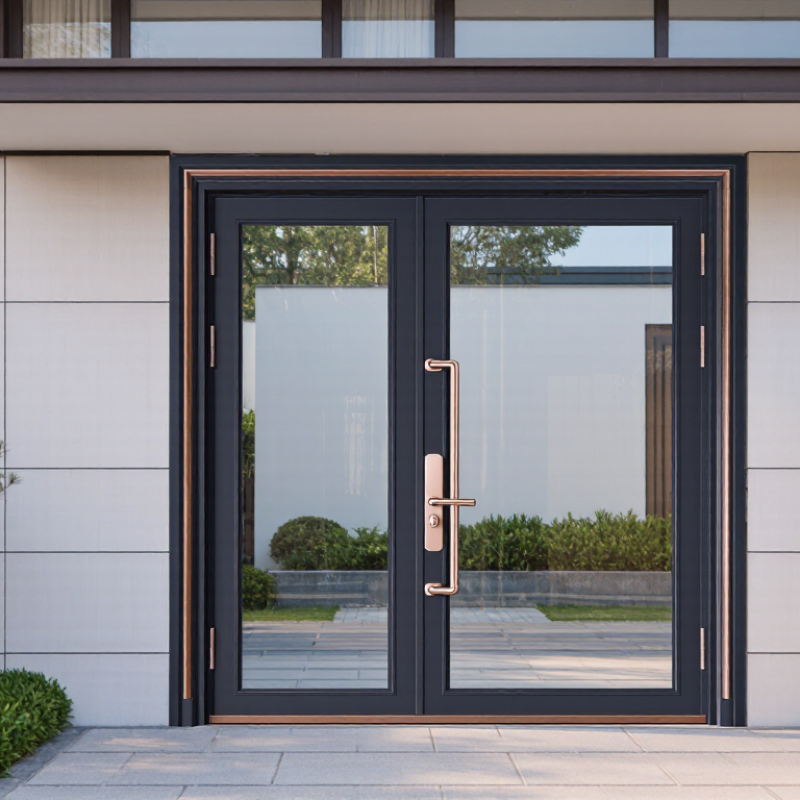
What Defines a Luxury Aluminum Entry Door
What Defines a Luxury Aluminum Entry Door
A luxury aluminum entry door is defined by how its parts work together, not by a dramatic finish alone. The frame should feel rigid, with clean, even joints and no visible distortion. A thermal break within the aluminum helps limit heat transfer between the outdoor and indoor faces. Quality weather seals also matter. They should compress evenly when the door closes, without making the handle difficult to operate.
Look closely at the threshold, hinges, lock, and glazing. These details face daily use and changing weather. A flush threshold can create a neat transition, but drainage and water protection still need careful planning. Large glass panels bring daylight into a foyer; well-specified glazing can also improve insulation and reduce glare. Hardware should move smoothly and feel secure, not merely look substantial. Small differences show.
Installation is part of the door’s performance. Even a carefully selected unit can leak air if the opening is out of square or the perimeter seal is poorly finished. That detail is easy to miss. Ask how the frame will be anchored, insulated, and sealed to the surrounding wall. Also consider maintenance: dark finishes may show dust, while textured surfaces can be harder to clean. Luxury is partly precision, but it is also a set of practical choices that suit the home.
How Aluminum Door Construction Shapes Strength and Performance
A luxury aluminum entry door depends on more than a thick-looking frame. Strength comes from the alloy, frame profile, corner joints, and the way hardware anchors into reinforced sections. A broad stile can look reassuring without proving much. That detail is easy to overlook. Ask for structural test results for the complete door assembly, not just the aluminum profile.
ASTM E330/E330M measures how a door assembly withstands uniform pressure, while the NAFS standard evaluates air leakage, water resistance, and structural performance. These tests help compare documented performance rather than showroom impressions. Thermal performance needs its own check: the National Fenestration Rating Council (NFRC) reports numeric U-factor and solar heat gain coefficient (SHGC) values for certified products. A thermal break separates the frame’s exterior and interior aluminum, reducing heat transfer through this naturally conductive metal. The glass, seals, and threshold still matter; a strong frame cannot compensate for a poor installation.
Tips: Request the door’s tested size, performance ratings, and NFRC data. Check that the report matches the configuration you plan to buy. At the showroom, inspect the threshold and closing action. A slight wobble may be fixable, but it is worth questioning.
Design Features That Suit Modern Homes
Modern homes often pair clean lines with warm, tactile materials. A luxury aluminum entry door can support that balance through slim frames, broad glass panels, and restrained hardware. Matte black, soft bronze, or muted gray finishes sit comfortably beside concrete, pale stone, and timber. The right choice depends on the home’s proportions, not just the finish. A very wide panel can feel imposing on a narrow façade.
Look closely at details that affect daily use. Thermal breaks help limit heat transfer through the frame, while quality weatherstripping reduces drafts and outside noise. If the door includes glazing, consider its orientation: clear glass brings daylight into a shaded hallway, but may reduce privacy near a busy street. Textured or partially obscured glass can soften that trade-off. Check the threshold, too. A sleek, low profile looks seamless, yet it must still manage rain and suit the entry’s accessibility needs. Small details matter.
Tips: Ask for finish samples beside your exterior materials, and view them in daylight. Confirm the frame depth, lock placement, and opening direction before ordering. Even a beautiful door can feel awkward when its handle meets a wall or its swing crowds a small foyer. That is easy to overlook.
Seven Luxury Aluminum Entry Door Styles to Compare
Seven luxury aluminum entry-door styles offer different balances of light, privacy, and visual weight. Slim-frame glass doors suit modern façades, especially where daylight reaches a shaded hall. Check the glazing specification and frame depth; narrow profiles still need robust construction. Frosted or textured glass softens views from the street.
Pivot doors make a striking entrance and can accommodate a wider slab, but their swing needs clear floor space. Flush-panel doors create a quieter, minimal look, while double doors bring symmetry to broad entrances. One common oversight: measuring only the opening, not the hardware clearance. That detail matters. Wood-look aluminum adds warmth without a timber surface, though samples should be viewed outdoors, where color can shift.
Geometric or sculpted panels add texture through clean lines and shallow relief. Aluminum doors with sidelights or a transom bring in more daylight, but may reduce privacy unless the glass is treated. Compare thermal breaks, weather seals, threshold design, and finish quality, not appearance alone. A beautiful door can still feel cold near the frame if installation is poor. Ask how the assembly handles local rain and temperature changes, then check that the chosen style fits the entry’s scale.
How to Choose the Right Door for Your Home
Choosing a luxury aluminum entry door starts with climate, not finish. In a cold region, compare the door’s U-factor; lower values indicate better insulation. For sunny exposures, check the solar heat gain coefficient on glazed sections. The National Fenestration Rating Council (NFRC) provides standardized ratings for these measures, making product comparisons more reliable than showroom claims. Look for a current NFRC label or certified listing.
Glass changes the feel of an entry. A narrow side panel can brighten a dim hallway, while clear glazing may reduce privacy at night. The U.S. Department of Energy’s Energy Saver guidance estimates that windows account for about 25–30% of residential heating and cooling energy use. That figure is not specific to doors, but it shows why glazing choices deserve attention. Ask for the tested whole-door performance, not just the glass rating.
Then check the details you will touch every day: threshold height, handle reach, lock operation, and weather seals. A thermal break helps limit heat transfer through aluminum, but installation still matters. Request documented air, water, and structural performance ratings suited to your exposure. A beautiful oversized pivot door can feel awkward in a narrow entry. It happens. Stand in the opening, measure the swing, and consider how rain reaches the threshold before settling on a design.
Choosing Glazing for a Luxury Aluminum Entry Door
Lower U-factor means less heat transfer through the glass. These approximate center-of-glass values are for comparing glazing options; the complete door’s performance also depends on its frame, thermal break, spacers, and installation. Check the tested whole-door U-factor when comparing products.
Conclusion
A Luxury Aluminum Entry Door combines a refined appearance with the strength and practical performance needed for everyday use. Its quality depends not only on its finish, but also on its frame, panel construction, hardware, weather seals, and glazing options. Thoughtful construction can help a door feel solid, operate smoothly, and stand up to changing weather while supporting comfort and security at home.
Modern homes can pair aluminum doors with clean lines, broad glass panels, understated details, or more sculptural designs. Comparing seven styles helps homeowners consider differences in proportions, privacy, natural light, and visual impact. The right choice should complement the architecture and fit the entryway, while also matching priorities such as insulation, maintenance, durability, and budget. By weighing both appearance and performance, homeowners can select a door that makes a welcoming first impression and works well for years to come.

 Luxfront