Choosing the best Modern Aluminum Entry Door for 2026 is not just about finding a striking finish. The right choice should suit your home’s climate, entryway, and daily use. Aluminum frames offer a clean, contemporary look and can support broad glass panels, but performance depends on more than appearance. Look closely at the complete door system, including thermal breaks, weather seals, glazing, hardware, and installation details.
Small details matter. A well-designed thermal break can help limit heat transfer through the frame, while quality seals help reduce drafts and moisture entry. Compare published performance specifications rather than relying on showroom displays or broad marketing claims. Also check whether the finish, glass type, and locking hardware match your practical needs. A large glass panel may brighten a shaded hall, yet it can raise privacy or heat-control questions. There is no perfect door for every home.
This guide explores how to compare modern aluminum entry doors, what features deserve attention, and which trade-offs are worth considering in 2026. It treats durability and efficiency as matters to verify, not promises to accept at face value. Installation quality matters, too. Even a premium door may underperform if it is poorly fitted. Use the recommendations as a starting point, then confirm dimensions, product documentation, warranty terms, and climate suitability with a qualified supplier or installer.
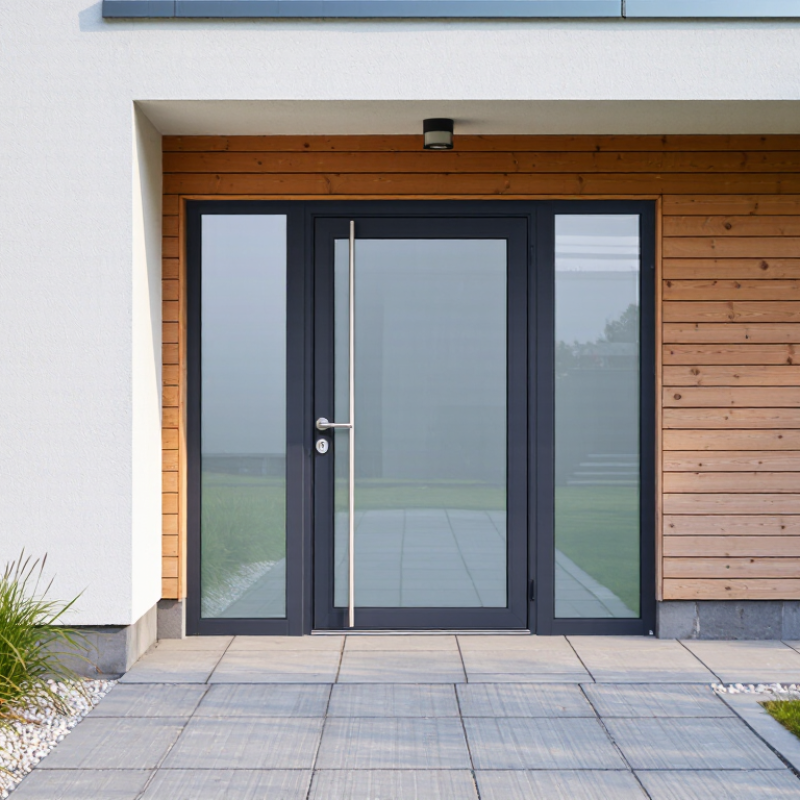
How to Define the Best Modern Aluminum Entry Door for 2026
Defining the best modern aluminum entry door for 2026 starts with the opening, not a showroom photo. Measure the frame, wall depth, and threshold before comparing styles. A slim profile looks clean, but it must still resist bending and support the chosen glass. Ask for tested air, water, and structural performance, plus thermal-break details suited to your climate. Numbers matter.
Consider how the door will feel and function every day. A well-adjusted multipoint lock, sturdy hinges, and a low-effort handle can matter more than an oversized glass panel. For privacy, compare clear, frosted, or textured glazing in the actual light near your entrance. Finishes should suit local exposure; dark surfaces can become noticeably hot in direct sun. I once thought the narrowest frame was always the most refined choice. It isn’t, if the hardware feels flimsy or the door rattles in wind.
Installation deserves equal attention. Even a high-performing door can leak air when the opening is out of square or the perimeter seal is poorly fitted. Ask who verifies measurements, seals the threshold, and adjusts the door after installation. Review the warranty terms and maintenance instructions, too. The best choice is the one whose tested performance, usable details, and installation plan fit your home—not simply the one with the sharpest profile.
A strong modern aluminum entry door balances verified thermal performance and airtightness with security, weather resistance, durability, and design. The percentages are suggested decision weights—not measured product ratings or a certification. Compare documented performance for your climate and local building requirements.
Which Aluminum Door Materials and Construction Features Matter Most
What Is the Best Modern Aluminum Entry Door for 2026?
A dependable aluminum entry door starts with the frame, not its color. Look for sturdy, corrosion-resistant aluminum profiles with enough depth to support the door’s size and hardware. Thicker metal is not automatically better; design, reinforcement, and installation all affect how the door performs. Details matter.
Thermal breaks are important in climates with hot summers or cold winters. These insulating barriers separate the inner and outer parts of the frame, helping reduce heat transfer and uncomfortable cold spots. A well-fitted door also needs continuous weather seals and a threshold that manages water. Poor drainage can undermine otherwise good materials. Glazing, if included, should be specified for safety, insulation, and the amount of daylight the entry needs.
The surface finish should suit the home’s exposure. A durable coating can help resist fading and wear, but harsh sun, coastal air, and frequent cleaning may influence long-term appearance. Check that hinges, locks, and handles are rated for a heavy exterior door, and ask how they can be adjusted or replaced. I’m not fully convinced that the sleekest, narrowest frame is always the best choice; it can limit strength or insulation if poorly engineered. Request clear specifications, including frame construction, thermal-break details, finish care, and warranty terms. Installation matters just as much.
How Design, Security, and Energy Efficiency Compare
Choosing a modern aluminum entry door in 2026 means weighing appearance against everyday performance. Aluminum allows slim frames and broad glass panels, bringing daylight into an entryway. Yet a narrow profile alone says little about comfort. Look for a thermally broken frame, durable weatherstripping, and insulated glazing suited to your climate. On a cold morning, a poorly sealed threshold can matter more than a stylish handle. Small details count. Looks can mislead. A catalog can make every door seem airtight; real openings and installations are rarely so simple.
Security depends on the complete assembly, not just the lock. A multipoint locking system can engage the frame at several points, while reinforced strike areas and properly anchored hinges help resist forced movement. Ask how the door is secured to the wall, and check that the glass is appropriate for its location. Energy performance also varies with glass type, frame design, and sun exposure. In sunny climates, solar heat gain may be as important as insulation. Request verified performance figures, such as U-factor, and compare like with like. Ratings help, but they cannot reveal every draft or fitting flaw. Installation quality deserves close attention, too.
What Door Styles and Configurations Suit Different Homes
A modern aluminum entry door should match the home’s proportions, light, and daily traffic—not just its facade. For a narrow townhouse, a single flush door with a slim vertical glass panel keeps the entrance clean without crowding the porch. A wider suburban opening may suit a pair of doors or a single door with sidelights. Check swing clearance against steps, furniture, and nearby walls. Small detail, big difference.
For a shaded entrance, larger glazed sections can brighten a dim hall, while privacy glass limits direct views inside. In hot, sunny locations, ask for the door’s NFRC-rated U-factor and solar heat gain coefficient; these figures help compare thermal performance. AAMA installation guidance also emphasizes properly sealed openings, since even a well-rated door can underperform when flashing or weatherstripping is poorly fitted. The frame finish matters, too: dark aluminum can look striking, but may show dust and water marks more readily.
Budget and resale expectations deserve a reality check. Remodeling magazine’s 2024 Cost vs. Value report estimated a 188.1% cost recoup for a steel entry-door replacement in its national averages. That is not an aluminum-door forecast or a guarantee; local prices and project details vary. Still, it suggests that a carefully chosen entry can influence perceived value. I would not oversize glass just to chase curb appeal. A quieter design often ages better.
How to Choose an Aluminum Entry Door for Your Needs
Choosing an aluminum entry door starts with your climate, exposure, and daily use.
A west-facing entrance may need stronger solar control, while a shaded, windy porch makes airtight seals especially important. Check the full door assembly’s U-factor, air-leakage rating, and glazing details, not just the frame material. A thermal break separates interior and exterior aluminum, helping limit heat transfer.
Small detail.
The U.S. Department of Energy’s Energy Saver guidance estimates that
heat gain and loss through windows accounts for 25–30% of residential heating and cooling energy use.
That figure concerns windows, not doors, but it shows why glazed panels deserve careful attention.
Match the door’s size and configuration to your entryway, then confirm that hinges, locks, and thresholds suit frequent use. Look for tested performance documentation, such as ratings based on recognized fenestration standards, and ask how installation affects sealing and drainage. A beautiful finish can distract from weak weatherstripping.
Easy mistake.
Compare warranties for finish, hardware, and insulated glass separately; coverage can differ. In coastal or harsh-weather settings, ask about corrosion-resistant finishes and maintenance needs. Aluminum is durable, but it is not maintenance-free. I would weigh comfort and service access alongside appearance, even if that makes the choice less exciting.
A well-fitted, plain door may serve better than a striking model with poor sealing.
Conclusion
Choosing the best Modern Aluminum Entry Door for 2026 means balancing durable construction, thoughtful design, dependable security, and energy efficiency. Look for a strong aluminum frame, quality finishes, well-fitted weather seals, and glazing options suited to your climate and privacy needs. Insulation and thermal performance matter too, helping keep indoor temperatures comfortable while reducing drafts.
The right style depends on your home’s architecture and how you use the entrance. A single door may suit a compact entry, while a wider opening could benefit from sidelights or a double-door configuration. Consider panel designs, glass placement, hardware, maintenance needs, and available space before deciding. By comparing these practical features with your aesthetic preferences and budget, you can select an aluminum entry door that complements your home and performs reliably over time.

 Luxfront