Why Choose an Aluminum Exterior Door?

Time:2026-11-21 Author:Sophia
0%

An Aluminum Exterior Door can give a home a crisp, modern entrance without demanding much visual attention. Its slim frame can make room for wider glass panels, bringing daylight into a dim hallway. The surface also resists routine moisture better than many untreated materials, though the finish and installation still matter. It is a practical choice, not a perfect one.

Industrial designer Dieter Rams offered a useful principle: “Good design is as little design as possible.” He was speaking about product design broadly, not aluminum doors specifically. Applied here, that principle means looking beyond a clean finish. Check for a thermal break, sound weather seals, secure hardware, and glazing suited to your climate. Aluminum conducts heat, so an unbroken frame may feel cold and perform poorly in some conditions. Small details count. A poorly adjusted threshold can let in drafts, while a quality coating helps the frame keep its appearance. I would not choose by color alone. Compare the product specifications, installation method, and warranty, then consider the look. The right door should open smoothly, close with a firm click, and feel solid under your hand. That last test is simple, but it is easy to overlook when choosing from a catalogue.
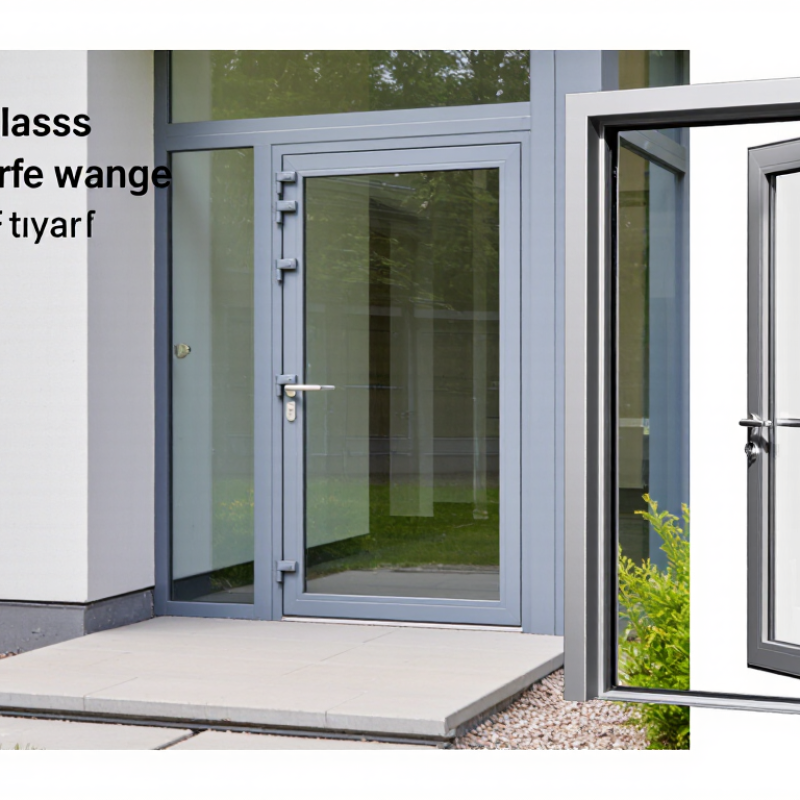
Why Choose an Aluminum Exterior Door?

What Is an Aluminum Exterior Door?

An aluminum exterior door is a door assembly designed for an outside entrance, typically built with an aluminum frame and one or more panels. It may include glass, insulated cores, weatherstripping, and a thermal break—a barrier that reduces heat transfer through the frame. Aluminum is light but rigid, so the frame can support broad glass panels without looking bulky. The exact insulation performance depends on the whole assembly, not the metal alone.

That distinction matters. A door with a strong frame can still feel drafty if its seals are poorly fitted or its threshold is uneven. The International Aluminium Institute reports that recycling aluminum requires about 95% less energy than producing primary aluminum. Recycled content may therefore reduce production impacts, though figures vary by material and manufacturing process. It is a useful detail, not a guarantee of a lower-impact product.

Tip: Check the door’s tested whole-unit thermal rating, not just the frame material. Look for a thermal break, continuous weatherstripping, and a snug threshold. Ask how the rating changes with the chosen glass or panel. A small installation gap can undo careful product selection. Real homes are rarely perfectly square.

How Aluminum Exterior Doors Are Made

How an aluminum exterior door is made begins with an alloy billet, heated until it can pass through a shaped steel die. The resulting profiles form the frame and door stiles. Precise cutting follows. At the workshop, technicians machine hinge pockets, lock openings, and drainage paths; small errors here can leave a door rubbing or letting water collect. It happens. Corner joints are then crimped or mechanically fastened, and a thermal break is added to separate the frame’s inner and outer aluminum surfaces. This barrier helps limit heat transfer, though performance still depends on glazing, seals, and installation.

The assembled frame is finished with powder coating or anodizing, then fitted with glass, weather seals, and hardware. Each door should be checked for dimensions, smooth operation, and air or water leakage.

The International Aluminium Institute reports that recycling aluminum uses about 5% of the energy required to make primary aluminum. The Aluminum Association also reports that roughly 75% of all aluminum ever produced remains in use.

These figures describe the material, not the energy footprint of a finished door. That distinction matters. A durable, recyclable frame can still perform poorly if its thermal break is weak or its seals are badly fitted.

Key Performance Benefits of Aluminum Doors

Why Choose an Aluminum Exterior Door?

Key Performance Benefits of Aluminum Doors

An aluminum exterior door earns its value through a rigid frame, slim sightlines, and dependable everyday operation. Its strength can support broad glass panels without bulky profiles, bringing more daylight into an entry.

More daylight.

A narrow frame leaves more room for glazing, but it does not automatically make a doorway energy efficient. Aluminum conducts heat readily, so thermal breaks and well-sealed thresholds matter.

The International Energy Agency’s Buildings 2023 report says buildings used about 30% of global final energy in 2022. That figure covers whole buildings, not doors; still, it shows why envelope details deserve attention.

Compare whole-door NFRC ratings, especially U-factor and solar heat gain coefficient, rather than judging by frame material alone.

Not automatic.

Ask for tested air-leakage performance, too, and inspect corner joints, weatherstripping, and the sill. A well-fitted door should close evenly, without a cold draft at ankle height. Aluminum frames can maintain alignment through frequent use, yet coastal salt and poor drainage can still challenge finishes.

That trade-off is easy to overlook.

Available Styles, Finishes, and Design Options

Aluminum exterior doors offer a clean frame for many architectural styles, from flat-panel modern homes to traditional entrances with divided glass. Their slim profiles can bring more daylight into a hallway without making the doorway feel heavy. The right proportions matter. A narrow sidelight, for example, can brighten a dark entry while preserving wall space.

Style choices include single or double doors, glazed panels, sidelights, and transoms. Clear glass gives a view outdoors, while frosted or textured glass softens visibility near a street-facing entrance. Consider how the door swings and where furniture sits inside. A beautiful layout can be awkward in daily use. Small detail, big effect.

Finishes range from matte black and white to bronze, gray, and wood-look coatings. Compare physical samples in morning and evening light; screens rarely show color accurately. For exposed locations, ask about coating durability, drainage, and thermal breaks, which help limit heat transfer through the frame. Hardware also changes the character: a long pull handle feels contemporary, while a compact lever suits a quieter design. Not every finish ages the same way, so local weather and maintenance needs deserve a closer look.

Why Choose an Aluminum Exterior Door? - Available Styles, Finishes, and Design Options

Design dimension Available options Practical considerations
Door style Single entry doors, double doors, sliding doors, and pivot-style doors. The suitable style depends on the opening size, available clearance, threshold design, and local building requirements.
Panel configuration Solid panels, partially glazed panels, full-height glazing, or combinations of solid and glazed sections. More glazing can admit more daylight; privacy, heat gain, and the glass specification should be considered.
Frame appearance Slim or more substantial frame profiles, with square or other compatible edge details. Aluminum’s strength can allow relatively narrow profiles, although dimensions vary with the door system and structural needs.
Color and finish Powder-coated colors, anodized finishes, and selected textured or metallic-effect finishes. Finish availability varies. Choose a coating suitable for the exposure conditions and follow the manufacturer’s cleaning guidance.
Color arrangement A consistent color throughout, or different interior and exterior colors where the system supports it. Confirm whether two-sided color selection is available and how the frame and door leaf will be finished.
Thermal performance Insulated door cores, weather seals, and thermally broken frame options may be available. Aluminum conducts heat readily; a thermal break helps reduce heat transfer. Overall performance depends on the complete door, glazing, seals, and installation.
Glazing choices Clear, obscure, tinted, or patterned glass; insulated glazing and safety glass may be specified where appropriate. Check applicable safety-glazing rules, especially for glass near doors, and choose glazing based on privacy and climate needs.
Hardware and access Lever or pull handles, hinges, multipoint locking options, and compatible electronic access hardware. Hardware compatibility depends on the door construction. Security also depends on the lock, frame, glazing, and installation.
Care and durability Aluminum is dimensionally stable and does not rot; coated or anodized surfaces are available to help protect the metal. Clean periodically with mild, non-abrasive products. In coastal or harsh environments, select a suitable finish and maintain it as directed.

Factors to Consider When Choosing an Aluminum Door

Why Choose an Aluminum Exterior Door?
Factors to Consider When Choosing an Aluminum Door

Aluminum doors offer slim frames, durable surfaces, and design flexibility. But the material alone does not determine comfort. Check whether the frame includes a thermal break, which separates interior and exterior metal to reduce heat transfer. Also compare the door’s whole-assembly U-factor, not just the frame specification. The U.S. Department of Energy’s Energy Saver guidance estimates that heat gain and loss through windows account for about 25–30% of residential heating and cooling energy use. That figure is not door-specific, but it shows why insulated glazing, seals, and installation deserve attention.

Consider your climate, exposure, and daily use. A west-facing entrance may need glazing that limits unwanted solar heat, while a sheltered entry may prioritize daylight. Check the threshold and weatherstripping closely. Small gaps matter. Ask for documented performance ratings, including air leakage and water resistance, and confirm they apply to the complete door assembly. A durable powder-coated finish can reduce upkeep, though scratches still need attention. Security also depends on the lock, hinges, frame anchoring, and fit—not simply the metal. A low price can look convincing, but it says little about long-term performance. Measure carefully, and review the installation details before choosing.

Why Choose an Aluminum Exterior Door?

A key factor to consider is thermal conductivity: how readily a material transfers heat.

Aluminum is strong and lightweight, but its high thermal conductivity means heat can pass through it readily. For exterior doors, look for a thermally broken frame and compare the whole door’s rated energy performance. Values shown are approximate bulk-material figures; actual values vary by alloy and material.

FAQS

What is an aluminum exterior door?

It is an outside door assembly with an aluminum frame and one or more panels. It may include glass, insulation, weatherstripping, and a thermal break.

Does an aluminum frame keep a home warm?

Not by itself. Aluminum conducts heat, so thermal breaks, good seals, and an even threshold matter. Check the tested rating for the complete door.

What should I check before buying one?

Compare the whole-door U-factor and solar heat gain coefficient. Ask about air leakage, too. A small gap at the sill can cause a noticeable draft.

Can aluminum doors have large glass panels?

Yes. Their rigid frames can support broad glazing with relatively slim profiles. More daylight. Glass choice still affects the door’s overall thermal performance.

What styles and glass options are available?

Options include single or double doors, sidelights, transoms, and divided glass. Clear glass offers a view; frosted or textured glass softens visibility.

How should I choose a finish?

Compare physical samples in morning and evening light. Screens can misrepresent color. Ask how the coating handles your local weather and what care it needs.

Are aluminum doors suitable for coastal areas?

They can be, but salt and poor drainage may challenge the finish. Ask about coating durability, drainage details, and maintenance for exposed locations.

Does recycled aluminum always mean a lower-impact door?

Recycling aluminum uses about 95% less energy than producing primary aluminum. Still, recycled content alone does not guarantee a lower-impact product. The full manufacturing process matters.

Conclusion

An Aluminum Exterior Door is an entry door made primarily from aluminum, a lightweight metal valued for its strength and resistance to rust. It is typically formed by shaping aluminum profiles, assembling them into a frame, and adding panels, glazing, seals, and hardware. Thermal breaks and insulated cores may also be included to help limit heat transfer and improve comfort.

These doors can offer durability, low maintenance, and reliable performance in changing weather. They come in a range of styles, colors, surface finishes, and glazing options, making it possible to suit different architectural designs. When choosing one, consider the door’s insulation and weather-sealing, security features, size, opening style, finish, maintenance needs, and compatibility with the building. Balancing appearance, performance, and budget helps ensure the door meets both practical requirements and design preferences.

Sophia

Sophia

Sophia is a dedicated marketing professional with an exceptional depth of knowledge about her company's products and services. With a keen understanding of market trends and customer needs, she crafts insightful blog posts that not only inform but also engage readers, enriching the company’s online......