Engineered for global compliance, extreme durability, and modern minimalist design aesthetics.
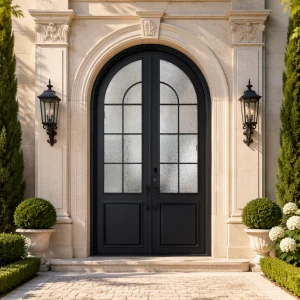
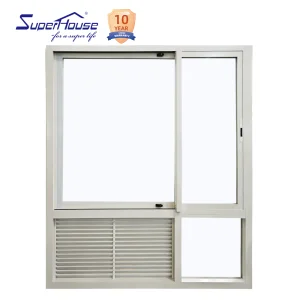
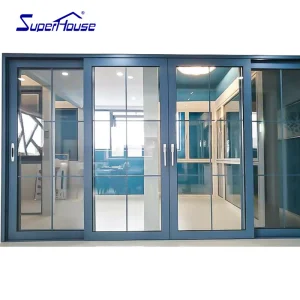
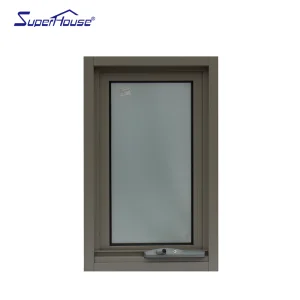
How Modern Architectural Specifications Drive the Need for Certified OEM Manufacturing Partnerships
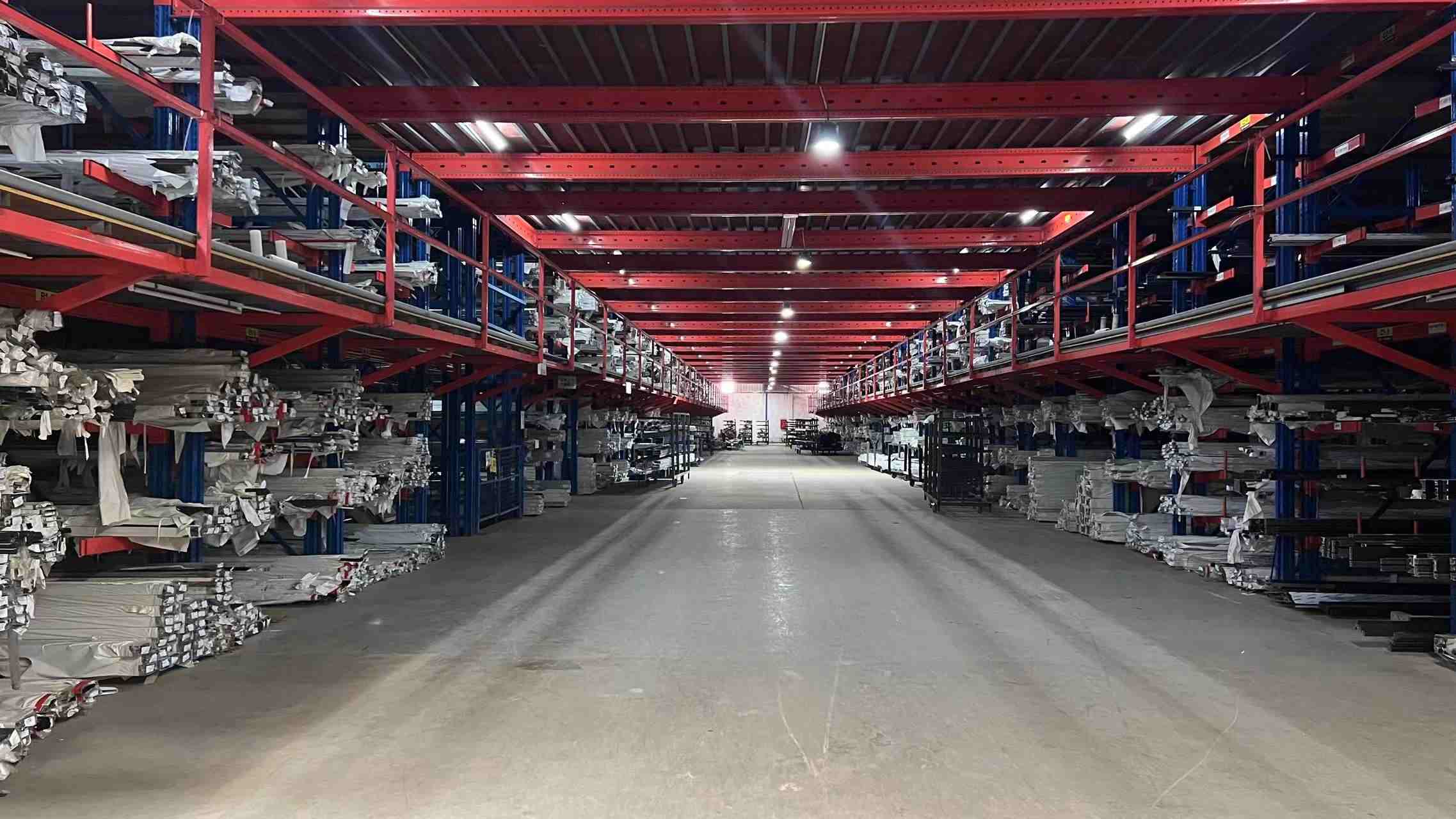
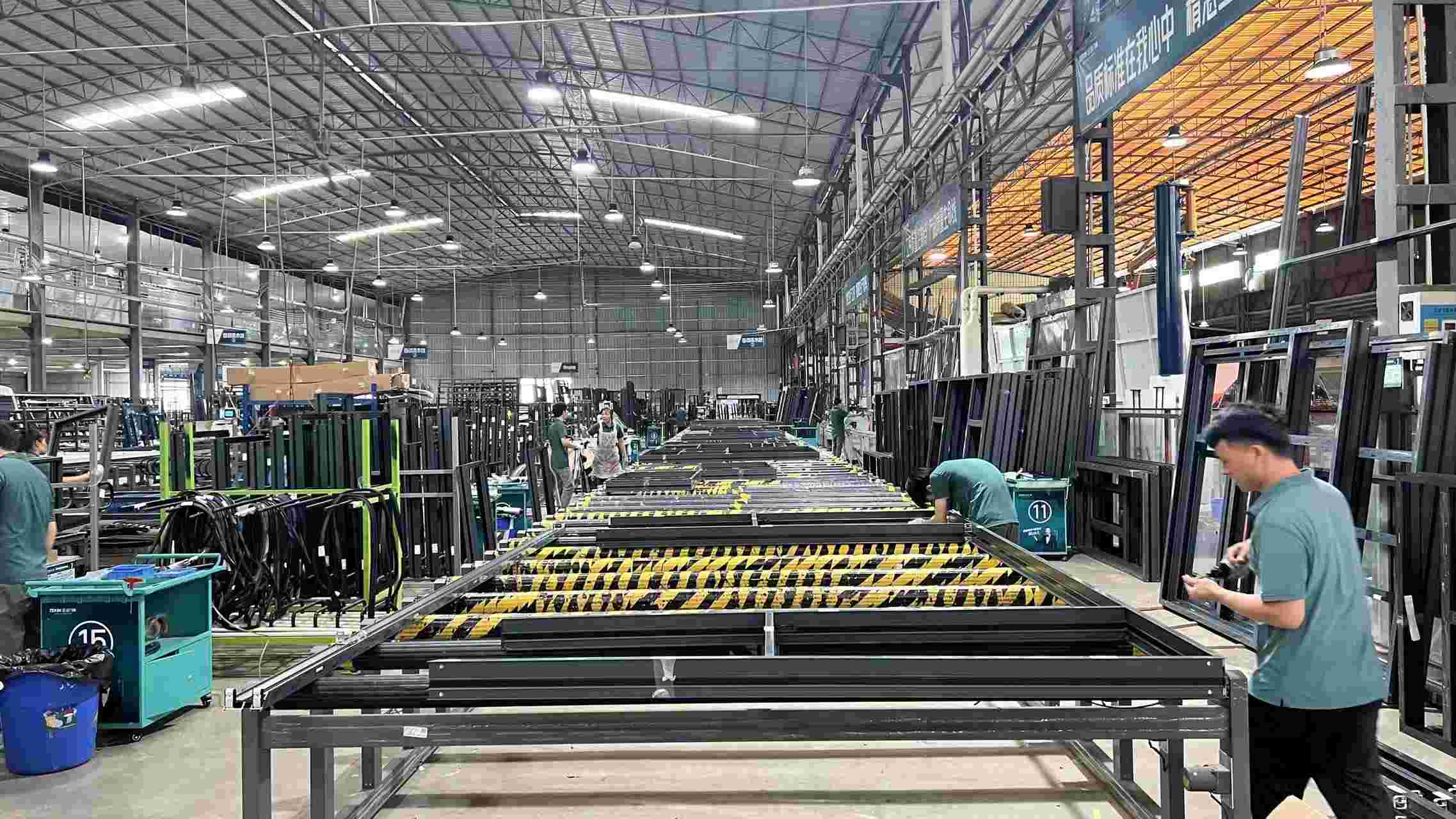
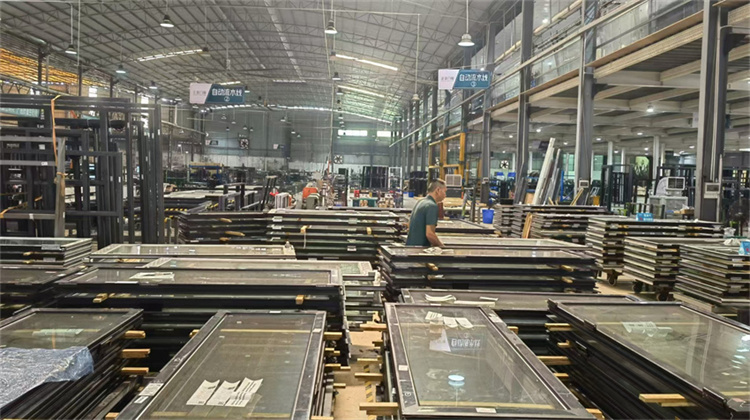
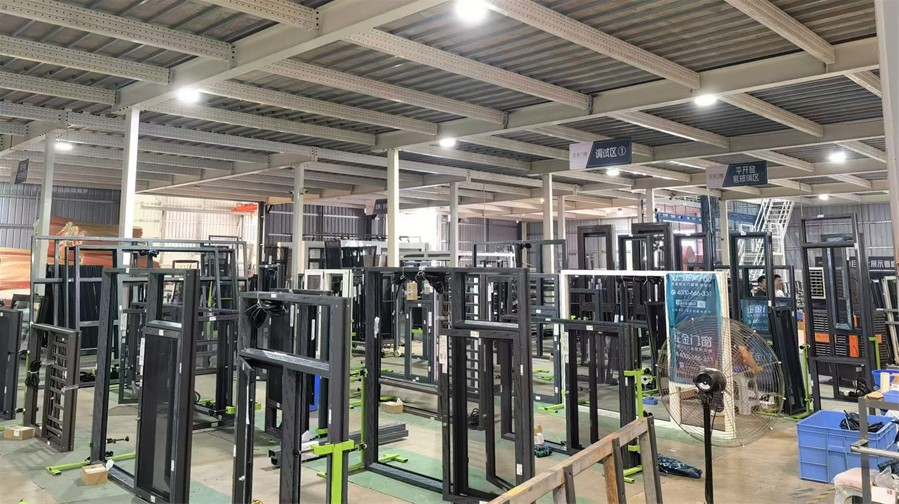
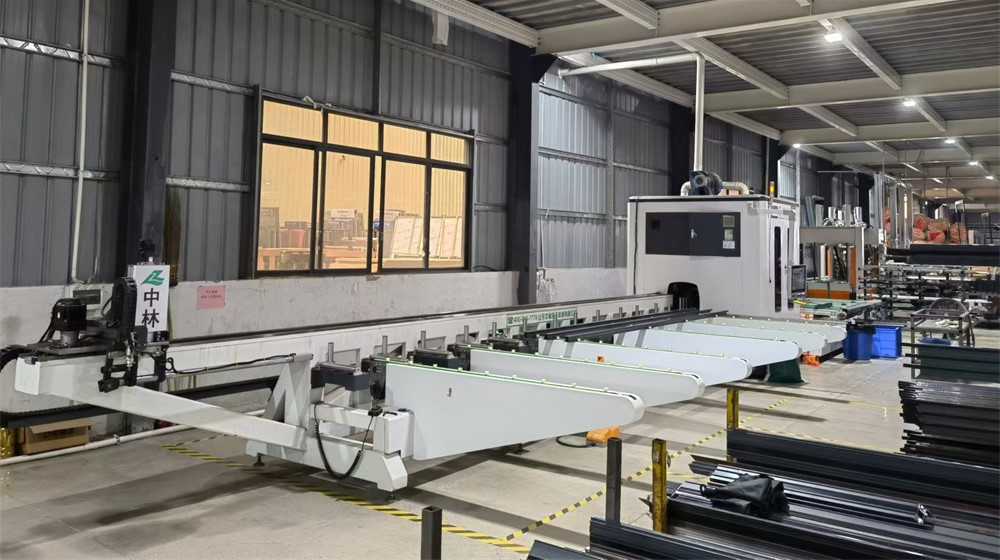
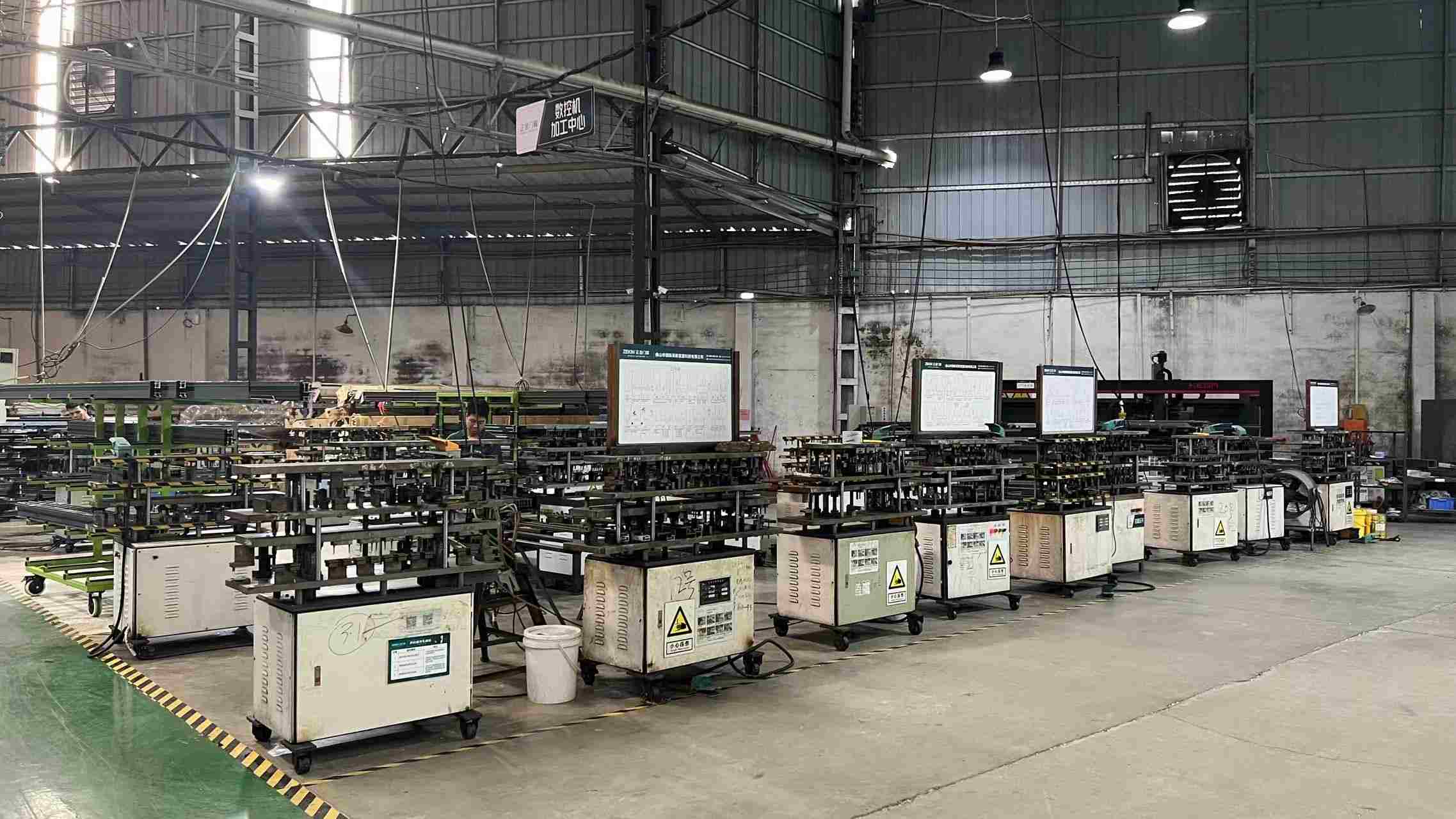
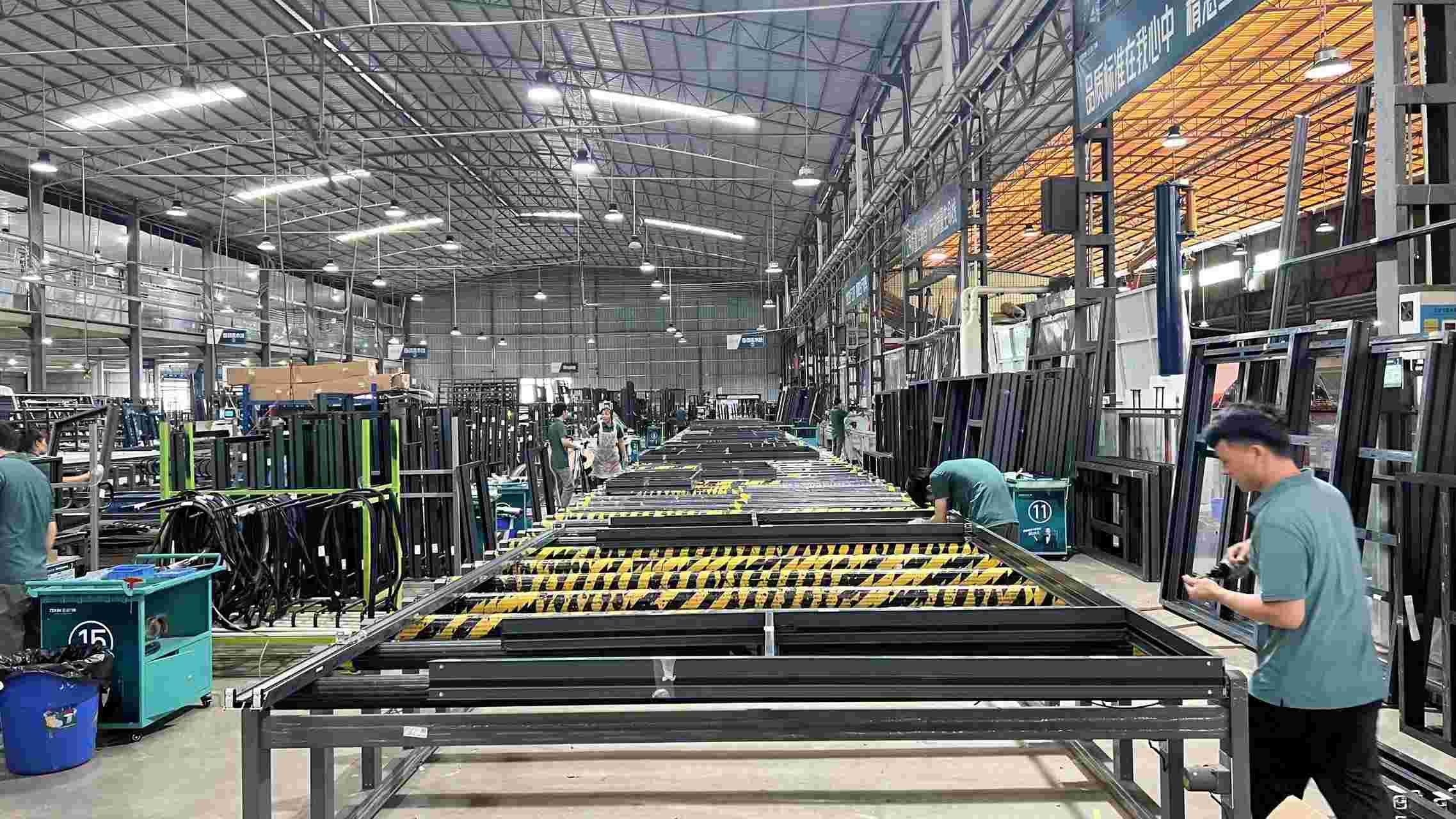
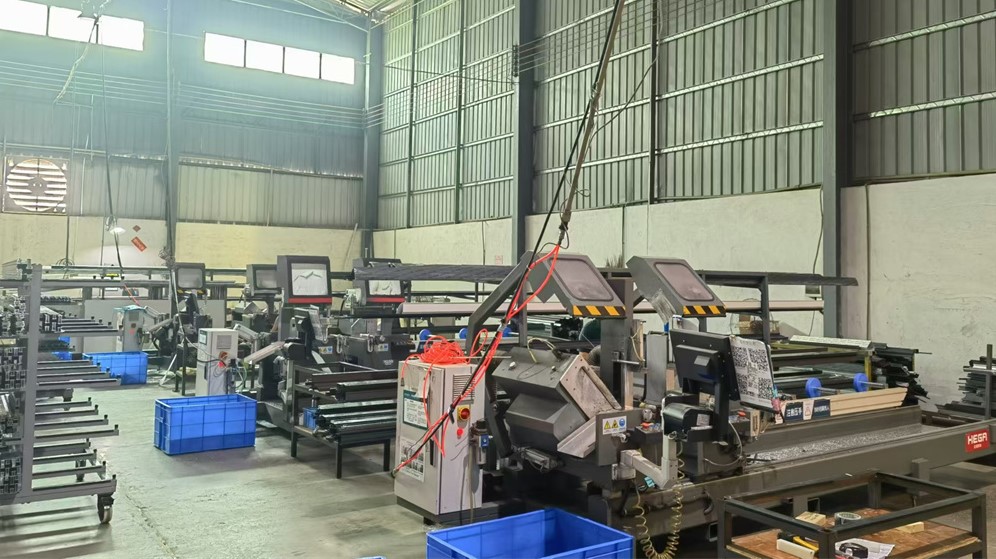
Founded in 2007, Luxfront Architectural Doors Ltd. is a modern high-end door enterprise utilizing a 26,000 m² production facility. Backed by 17 years of technical manufacturing heritage and 7 years of international trade operations, the firm achieves $21 million in annual export revenue. Luxfront caters predominantly to North America, Western Europe, and Australia, serving boutique housing developers, luxury home builders, and architectural design agencies.
Working alongside 720 specialized raw material supply partners, quality assurance remains central to operations. A dedicated team of 32 QA inspectors oversees full-process sampling, CMM dimensional measurements, and weather-seal performance evaluations. Driven by market-leading architectural innovation, Luxfront's 45 R&D engineers released 110 original door designs last season. Complete custom options are available, covering large-format pivot door structures, concealed hinges, integrated LED ambient lighting, and premium wood-veneer aluminum finishes.
In contemporary architectural design, a front entry system is no longer viewed merely as a passive barrier. It represents a complex micro-structural barrier tasked with optimizing thermal performance (U-factors below 1.0 W/m²K), securing structural resistance against extreme wind-loads, and offering flawless acoustic isolation. Obtaining genuine CE Certification under standard standard EN 14351-1 is mandatory for entry into European Union member states and acts as a global mark of compliance across premium worldwide markets.
CE Certification ensures that every designer front door manufactured at scale undergoes rigorous initial type testing (ITT) and operates within a audited Factory Production Control (FPC) system. Key performance indicators evaluated include Air Permeability (EN 12207), Watertightness (EN 12208), Resistance to Wind Load (EN 12210), and Load-bearing Capacity of Safety Devices. Partnering with a CE-certified factory mitigates structural liability for real estate developers and procurement groups while expediting municipal building code approvals.
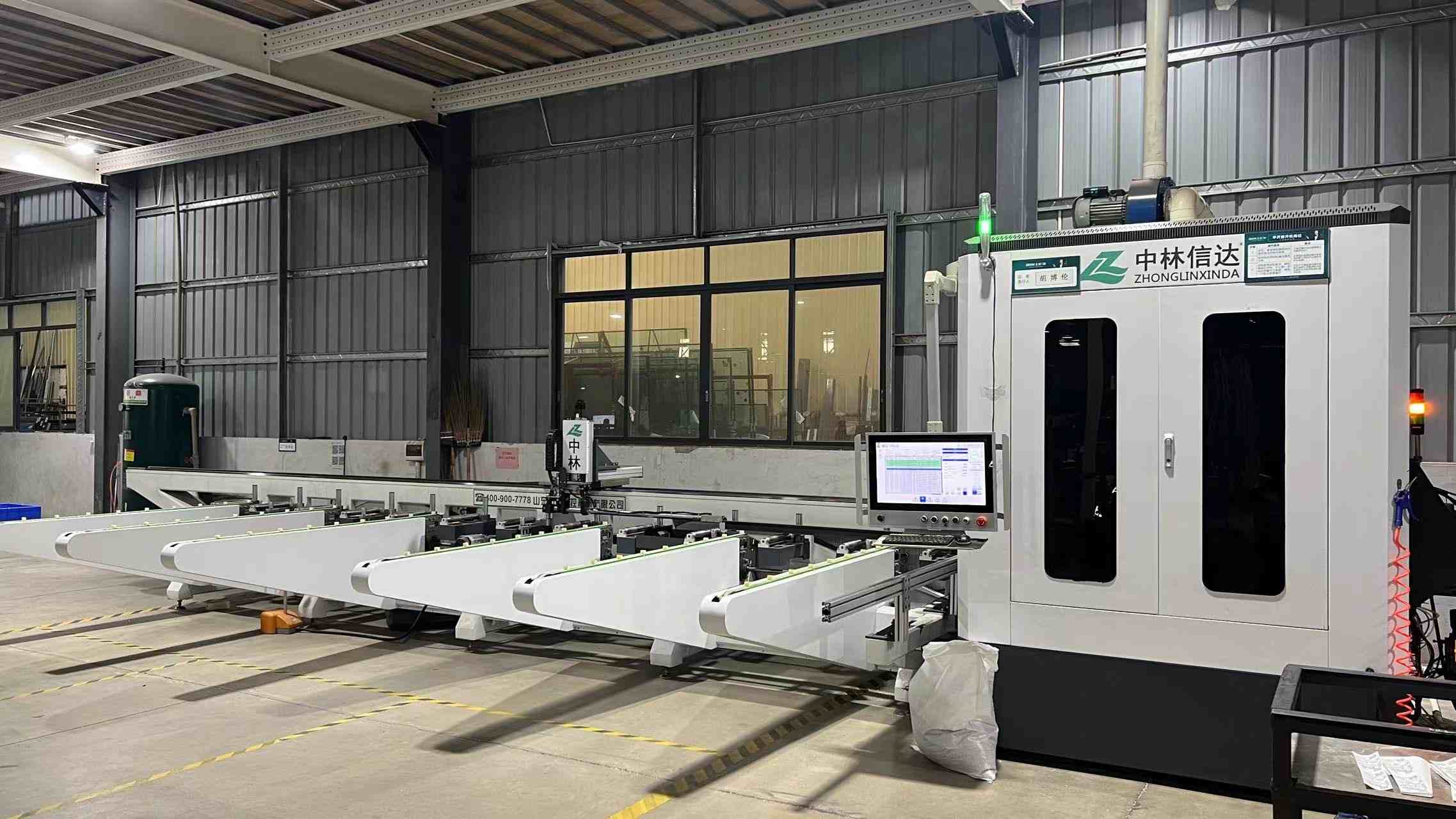
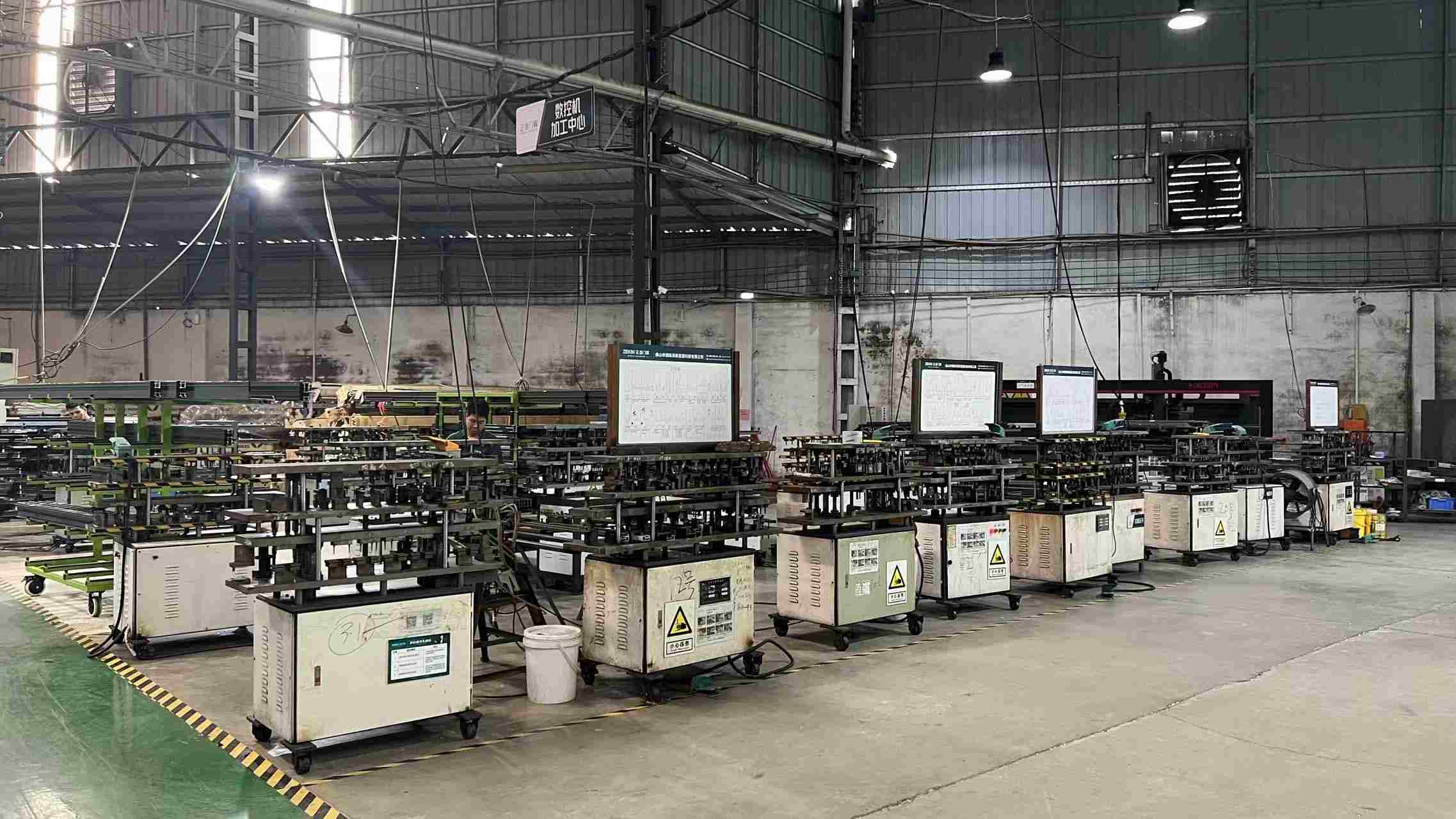
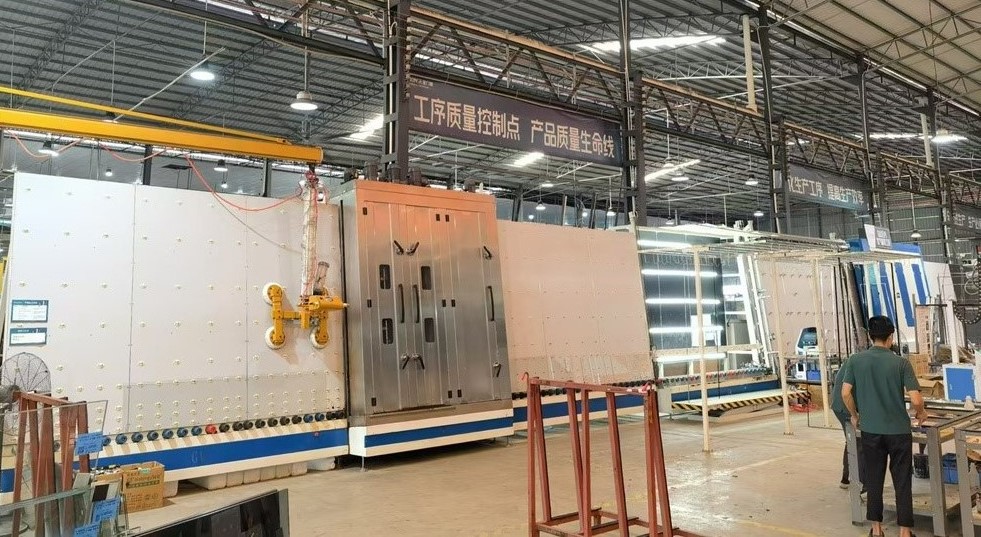
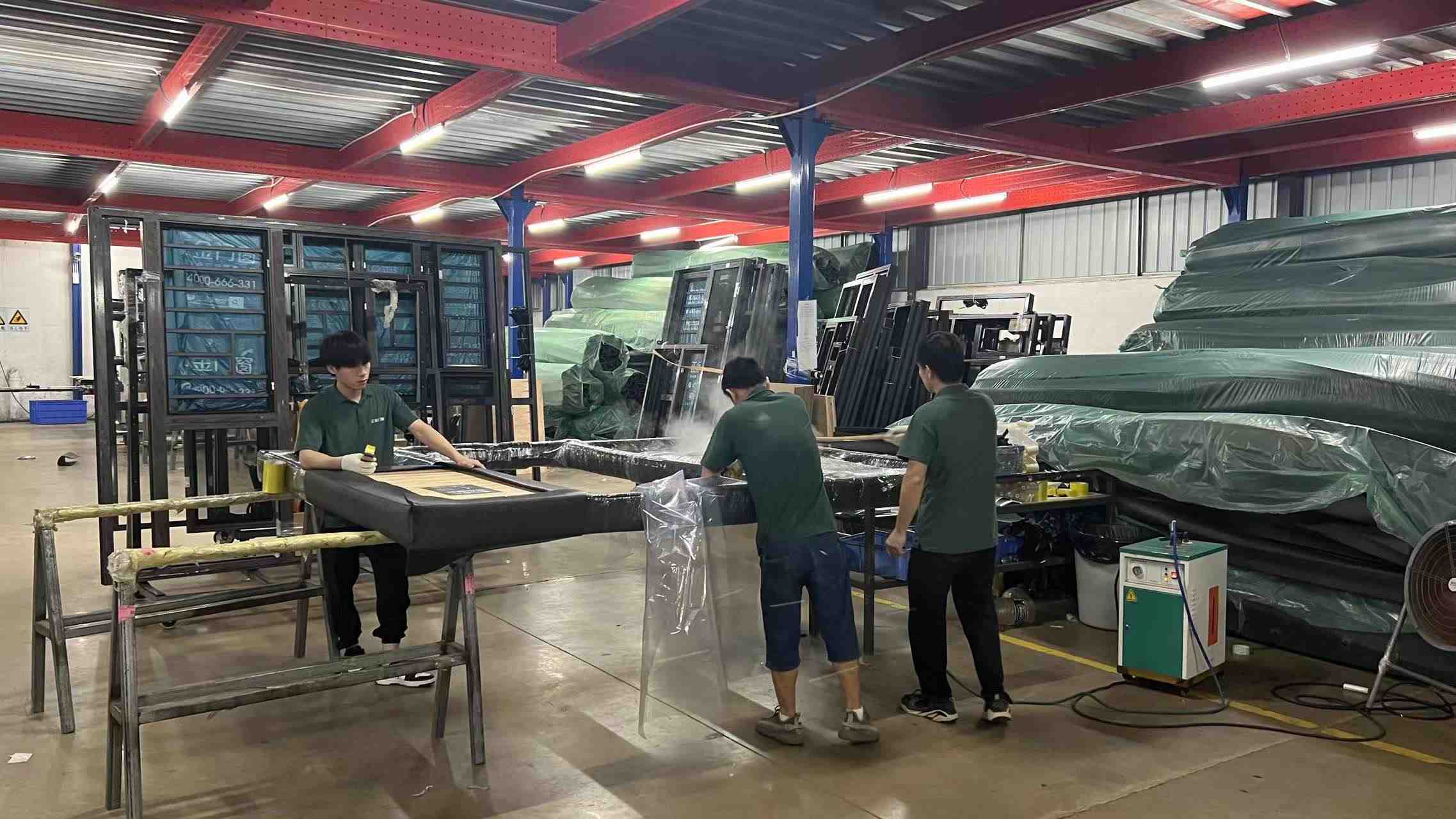
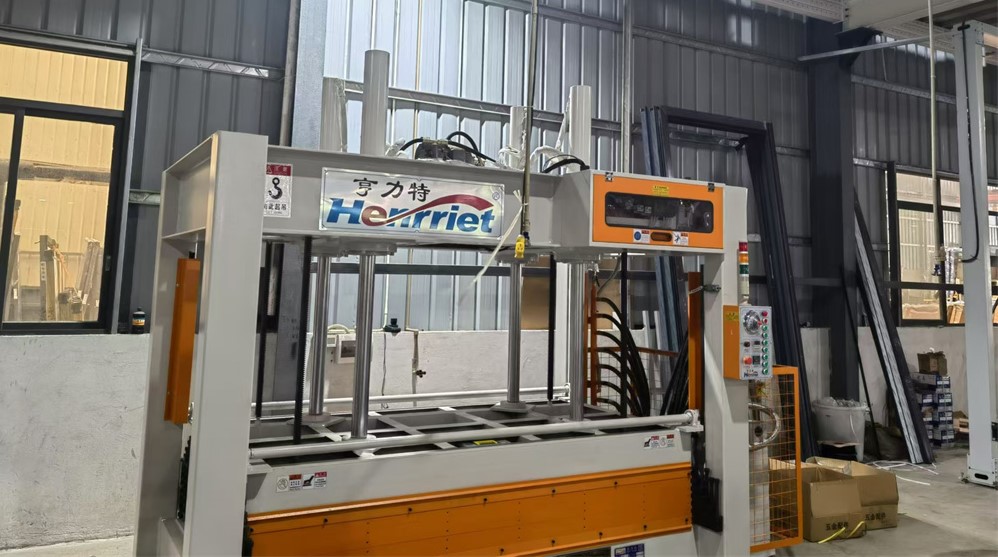
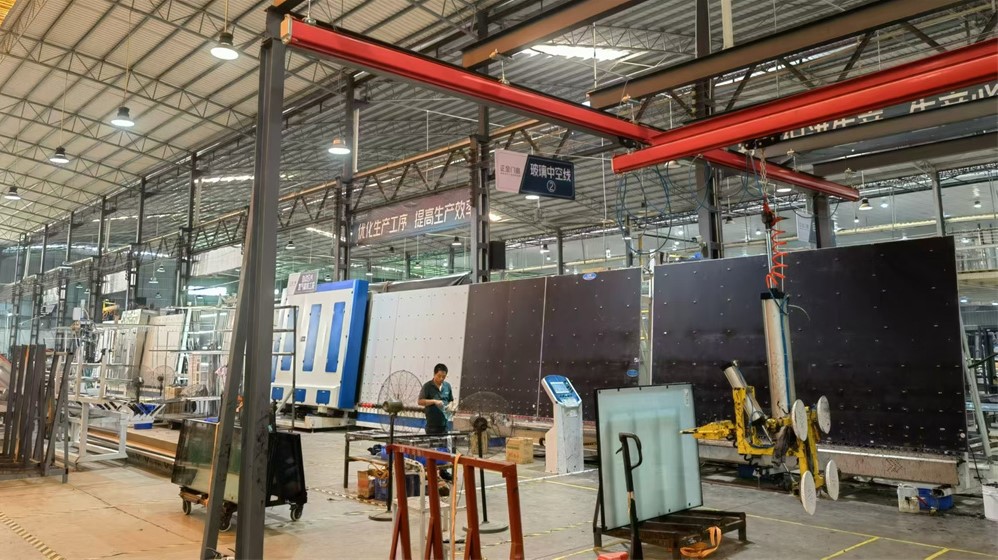
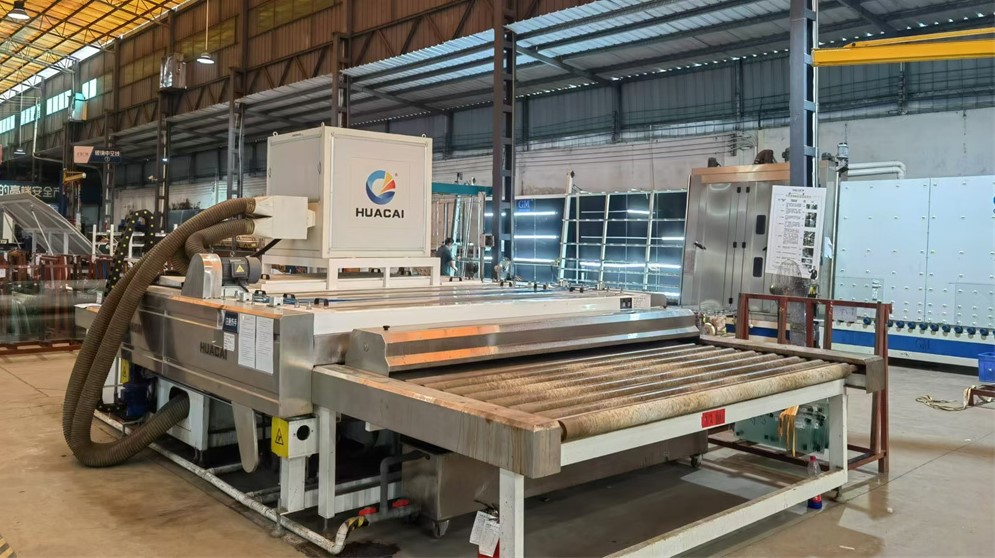
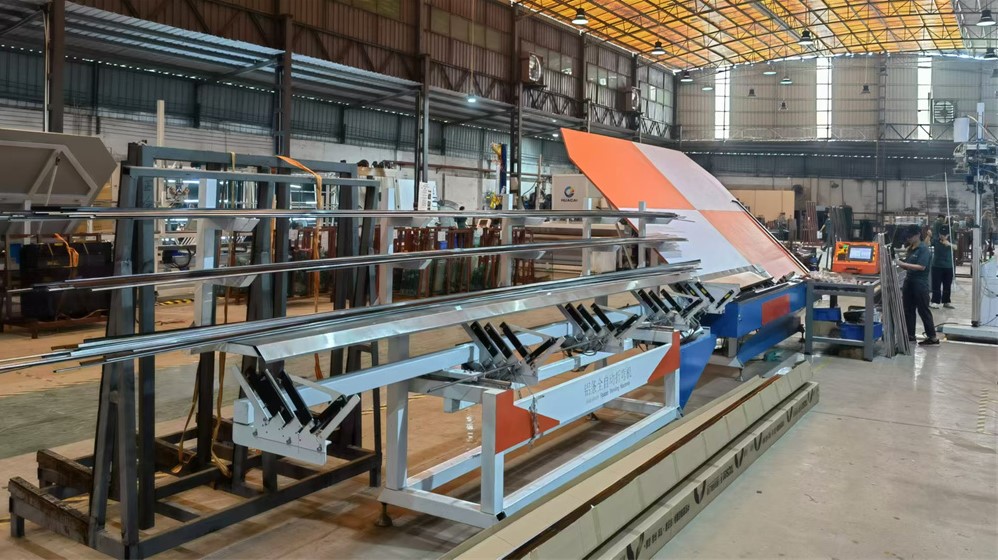
A Visual Walkthrough of High-Precision Engineering Across 18 Operational Modules
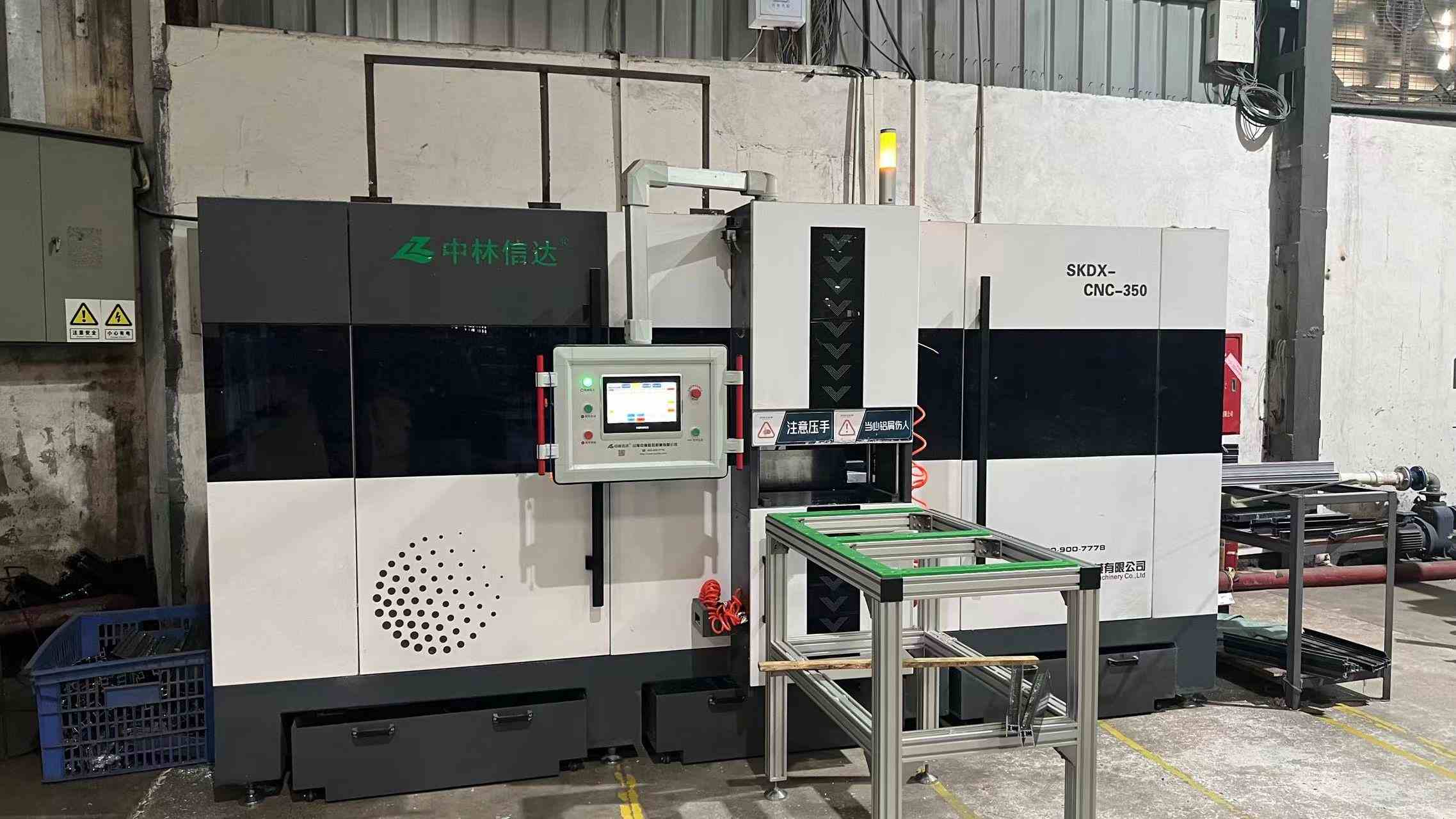
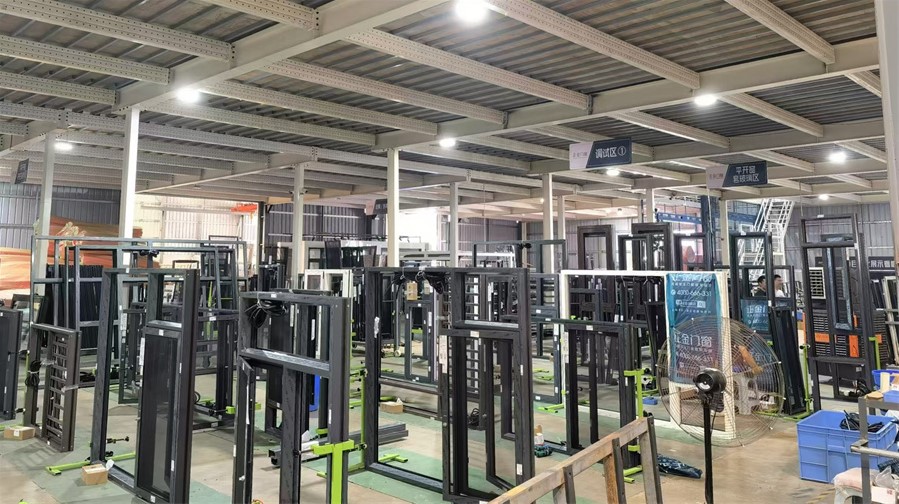
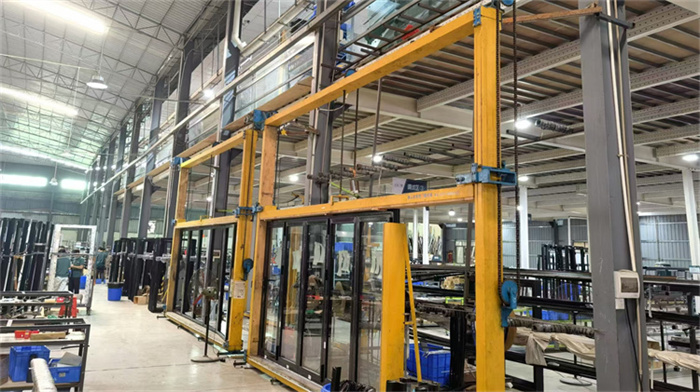
Why Tier-1 Chinese OEM Factories Deliver Unmatched Scale, Precision, and Cost Efficiency
Luxfront leverages a dense network of 720 supply chain partners within a 50km radius. Aluminum extrusions, raw billet casting, anodizing, powder coating, and specialized hardware fabrication occur in an integrated ecosystem, drastically cutting lead times.
With 45 dedicated R&D engineers, complex custom designs move from initial architectural drawings (DWG/BIM) to physical samples in under 10 business days, ensuring smooth project approval cycles for developers.
32 full-time QA inspectors manage total quality control: raw material chemical analysis, CMM dimensional verification, EPDM seal elasticity testing, and 100% pre-shipment structural frame assembly.
| Evaluation Parameter | European Boutique Workshops | Standard Wholesale Vendors | Luxfront CE-Certified Hub |
|---|---|---|---|
| Lead Time (Custom Doors) | 12 - 16 Weeks | 6 - 8 Weeks | 3 - 5 Weeks |
| CE & NFRC Compliance | High (Expensive Option) | Inconsistent / Uncertified | Fully Certified (EN 14351-1 / NFRC) |
| Production Capacity | Low Volume / Bespoke Only | High Volume / Low Customization | 26,000 m² (High Volume + Full Custom) |
| Thermal Break Tech | Standard Polyamide | Basic PVC or None | PA66-GF25 Multi-Cavity Insulation |
| Cost Competitiveness | Premium Baseline (100%) | Low Quality Base (-60%) | Optimal Value (-40% vs EU, 100% Quality) |
Analyzing Thermal Physics, Structural Deflection, Acoustic Insulation, and Hardware Integrity
Aluminum is naturally highly conductive. To meet stringent green building codes (such as Energy Star, passive house parameters, and European Building Regulations Part L), modern front door systems utilize multi-cavity thermal break profiles. Luxfront integrates 24mm to 34mm technoform PA66-GF25 (Polyamide 66 reinforced with 25% glass fiber) insulation strips.
This structural isolation breaks the conductive bridge between the interior and exterior aluminum extrusions, preventing condensation formation and maintaining structural integrity across extreme temperature gradients (from -30°C to +70°C). Combined with argon-gas filled double or triple-glazed Low-E units, system U-factors drop as low as 0.85 W/m²K.
Large-format designer doors (especially oversize pivot doors up to 3.5 meters high) face tremendous structural force during storm events. Structural engineering must account for deflection limits under wind load. Under standard EN 12210, doors are tested to resist structural loads exceeding Class C5 (2000 Pa wind pressure with minimal frame deflection).
For coastal applications across Florida and the Caribbean, Luxfront constructs heavy-gauge extruded aluminum frames (2.0mm to 3.0mm wall thickness) equipped with laminated impact-resistant glass layers. These designs undergo high-velocity hurricane missile impact tests and cyclic wind pressure loading to achieve Miami-Dade NOA and Florida Product Approval (FPA) equivalence.
Urban acoustic pollution requires high-end residential entryways to function as sound barriers. Sound Transmission Class (STC) and Rw ratings reflect how effectively a door dampens ambient noise. Luxfront doors achieve up to Rw 42 dB insulation by incorporating continuous EPDM weather-stripping gaskets, multi-point drop-down bottom seals, and acoustic laminated glass featuring PVB/SGP interlayers.
Tailored Door Solutions Built for Specific Regional Building Codes and Environments
Demands large-format pivot doors with hidden self-closing hinges, integrated smart access (biometric fingerprint & keypad), and Miami-Dade NOA hurricane ratings for coastal zones.
Requires low U-factor (<0.9 W/m²K) triple-glazed thermal break doors with multi-point locking systems engineered to withstand thermal movement and extreme frost loads.
Focuses on high UV resistance, fluorocarbon (PVDF) powder coating finishes that resist solar degradation, and dust-proof dual EPDM perimeter compression gaskets.
A Blueprint for Architects, Project Developers, and Trade Importers Sourcing from China
1. Factory Production Control (FPC) Audits: Verify that the manufacturer operates under certified ISO 9001 and CE FPC parameters, ensuring batch-to-batch consistency in metal extrusion density and glass temper strength.
2. Glass Processing Certifications: Ensure tempered glass elements bear SGCC (North America), CE EN 12150, or AS/NZS 2208 marks. Insulated glass units must undergo dew point and gas fill testing.
3. Hardware & Mechanism Longevity: Concealed pivot hinges, multi-point locks, and roller gear mechanisms must undergo cycle testing exceeding 100,000 operational cycles without mechanical failure.
4. Seaworthy Packaging Protection: High-end painted profiles and heavy glass frames require film protection, corner guards, fully enclosed fumigated wooden crates, and moisture-absorbing desiccant packs to withstand 30+ days of ocean transit.
Smart Integration, Decarbonization, and Parametric Architectural Customization
Seamless embedding of biometric scanners, facial recognition cameras, motorized lock actuators, and smart home automation protocol (Zigbee/Matter) directly within the aluminum profile frame.
Shift toward low-carbon primary aluminum billets produced using hydroelectric power and incorporating up to 75% recycled scrap to minimize embodied carbon footprints for LEED projects.
Advancements in structural glazing adhesive technology allow ultra-narrow metal frames (sightlines under 20mm) while supporting panel weights of up to 600kg for grand entryways.
Expert Answers to Critical Procurement, Engineering, and Compliance Questions
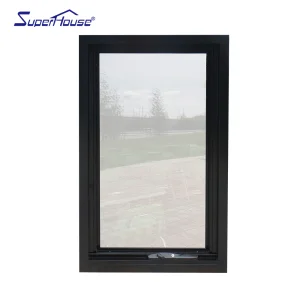
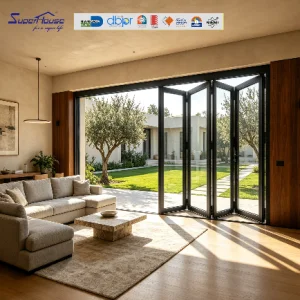
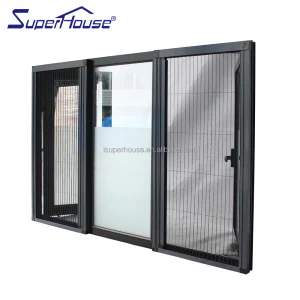
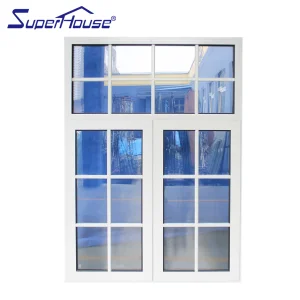
Premium Windows, Bi-Fold Systems, Commercial Entry Doors, and Specialized Impact Fenestration
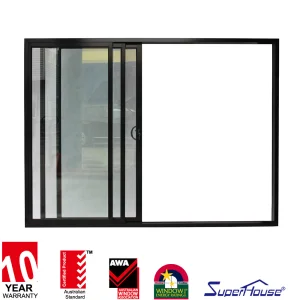
 Luxfront