Certified fenestration solutions engineered for extreme thermal efficiency, hurricane impact resistance, and luxury architectural integration.
Driven by stringent global energy efficiency standards, commercial architecture and luxury residential real estate are undergoing a rapid transition toward high-performance thermal break aluminum fenestration systems.
Global building codes (such as Europe’s EPBD directive, North America’s Title 24, and Australia’s NCC) now enforce strict U-value thresholds. Non-thermal break aluminum frames are rapidly being phased out in favor of structural polyamide thermal barriers that drastically eliminate conductive heat transfer.
Modern architectural design trends prioritize floor-to-ceiling glass assemblies, narrow sightlines, and wide-span pivot or sliding doors. This necessitates extruded 6063-T6 aluminum alloys featuring structural integrity that can carry triple-pane low-E insulated glass units (IGUs) without sagging.
B2B importers, general contractors, and structural engineers mandate full CE Marking compliance (EN 14351-1), NFRC energy ratings, Florida HVHZ NOA hurricane certifications, and AS2047 structural testing to mitigate structural failure risks in extreme environments.
Standard aluminum extrusions exhibit thermal conductivity coefficients of approximately $160 \text{ W/m}\cdot\text{K}$, leading to high energy loss and indoor condensation. By introducing precision-engineered Polyamide (PA66 GF25) thermal strips, the thermal conductivity across the profile junction drops to below $0.3 \text{ W/m}\cdot\text{K}$, enabling total door assembly $U$-factors as low as $0.8 \text{ to } 1.2 \text{ W/m}^2\text{K}$.
An in-depth breakdown of multi-cavity profile engineering, structural polyamide composition, surface treatment technology, and sound attenuation barriers.
Utilizing 25% short glass-fiber reinforced Polyamide 66 strips. This precise formulation ensures the thermal expansion coefficient matches extruded aluminum, preventing structural delamination under extreme temperature swings (-30°C to +80°C).
Internal multi-chamber geometry integrates dedicated drainage channels and pressure-equalized rain-screen cavities, neutralizing differential air pressure to stop wind-driven rain penetration during severe storms.
Combining heavy multi-layer laminated dynamic glass, warm-edge composite spacers, and continuous EPDM double/triple weather-stripping gaskets to achieve Noise Reduction Ratings (STC) up to 42-45 dB.
Surface treatments encompass Qualicoat Class 2 PVDF fluorocarbon coatings, 25μm structural anodizing, and hyper-realistic wood-grain heat-transfer sublimation designed for high-salinity marine air exposure.
| Performance Parameter | Standard Aluminum Door | CE Certified Thermal Break Door | Testing Standard / Compliance |
|---|---|---|---|
| Thermal Transmittance ($U_f$) | $5.8 - 7.0 \text{ W/m}^2\text{K}$ | $0.8 - 1.6 \text{ W/m}^2\text{K}$ | EN ISO 10077-2 / NFRC 100 |
| Air Infiltration Rate | Class 2 ($> 3.0 \text{ m}^3/\text{m}^2\cdot\text{h}$) | Class 4 ($\le 0.5 \text{ m}^3/\text{m}^2\cdot\text{h}$) | EN 12207 / ASTM E283 |
| Water Tightness Rating | 300 Pa (Class 5A) | 900 Pa - 1200 Pa (Class E1050) | EN 12208 / ASTM E331 |
| Wind Load Resistance | 2.0 kPa (Class C2) | 5.0 kPa+ (Class C5 / HVHZ Impact) | EN 12210 / TAS 201/202/203 |
| Acoustic Insulation Rating | 25 - 28 dB STC | 38 - 45 dB STC | EN ISO 140-3 / ASTM E90 |
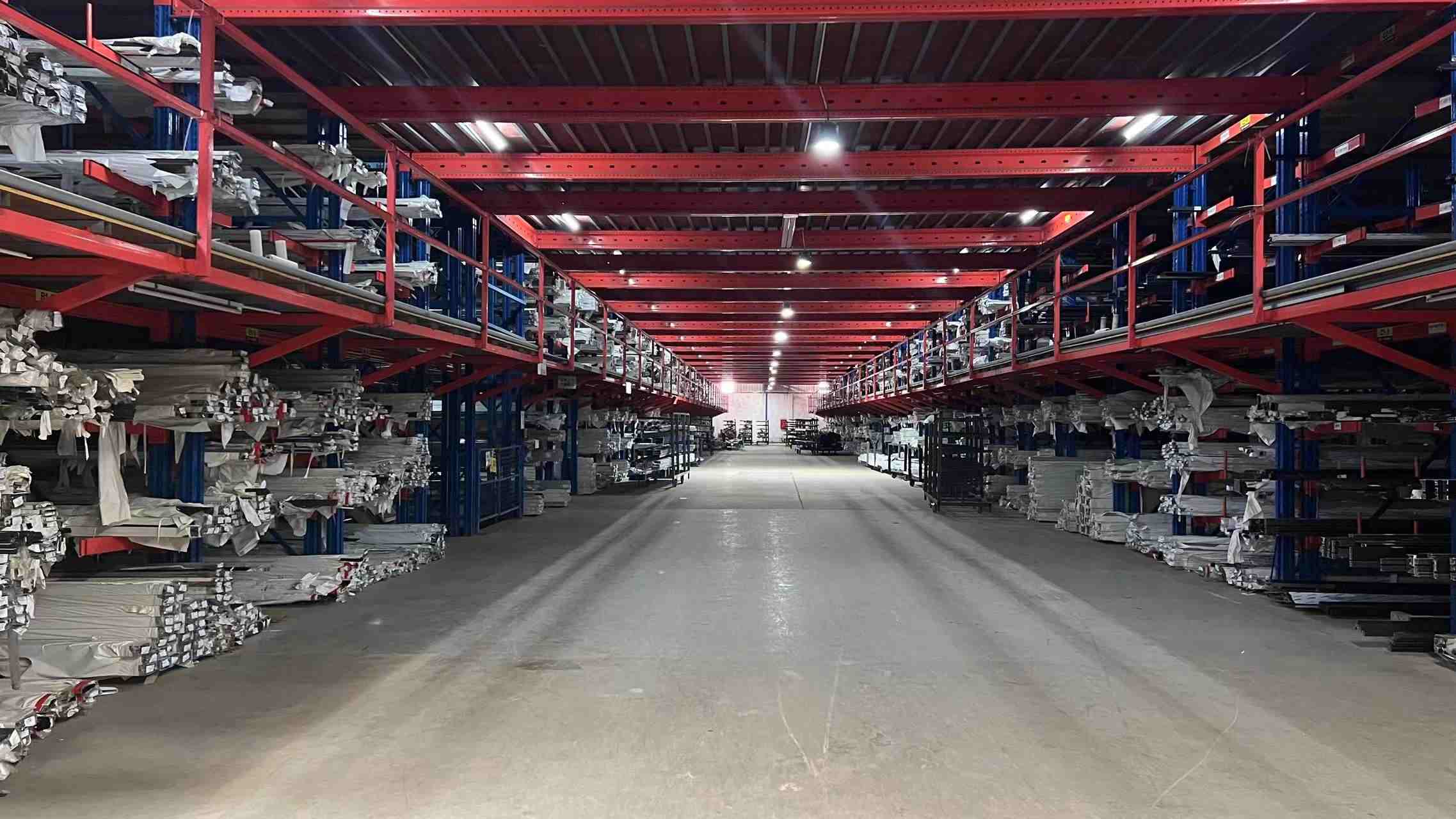
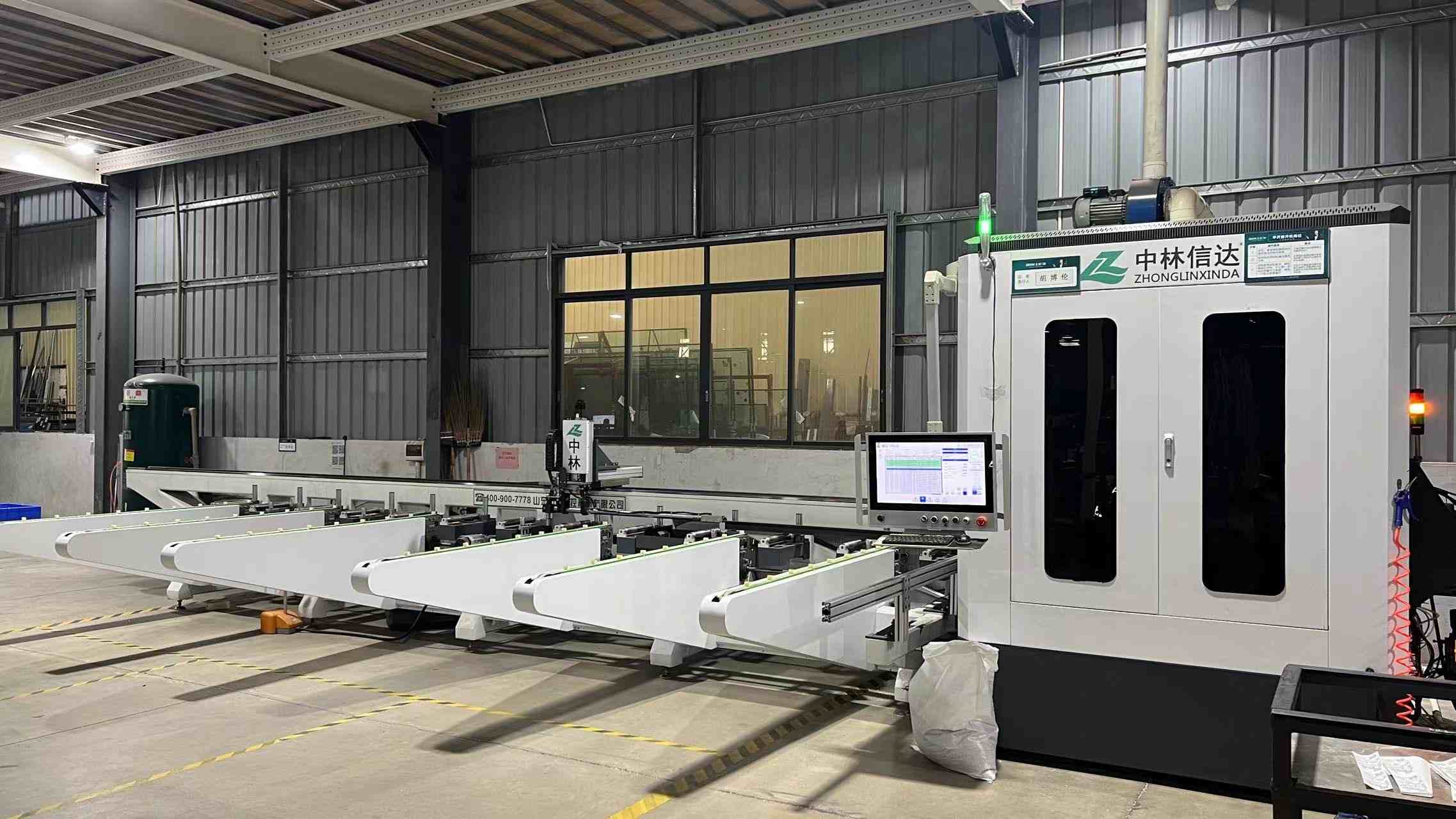
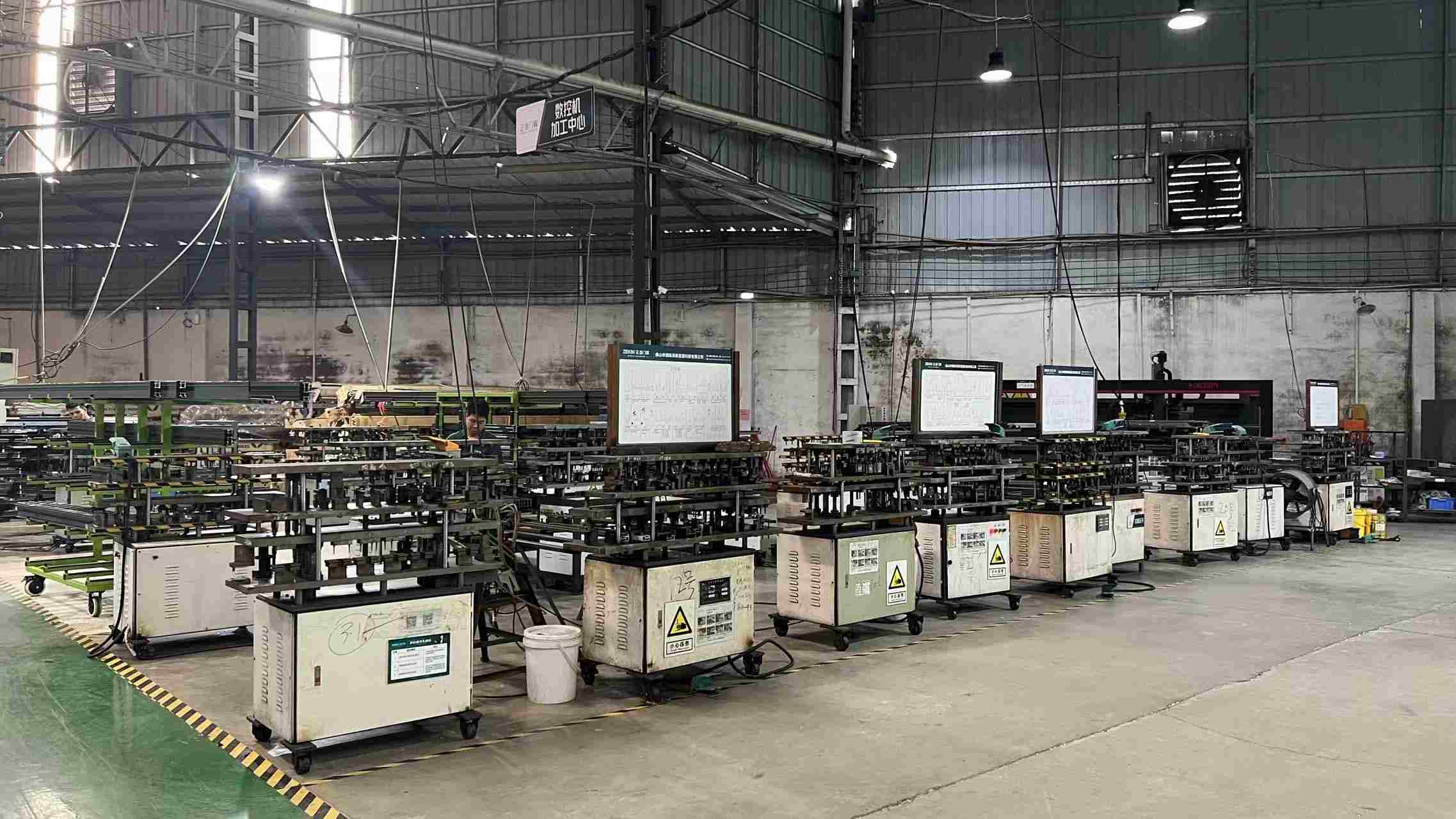
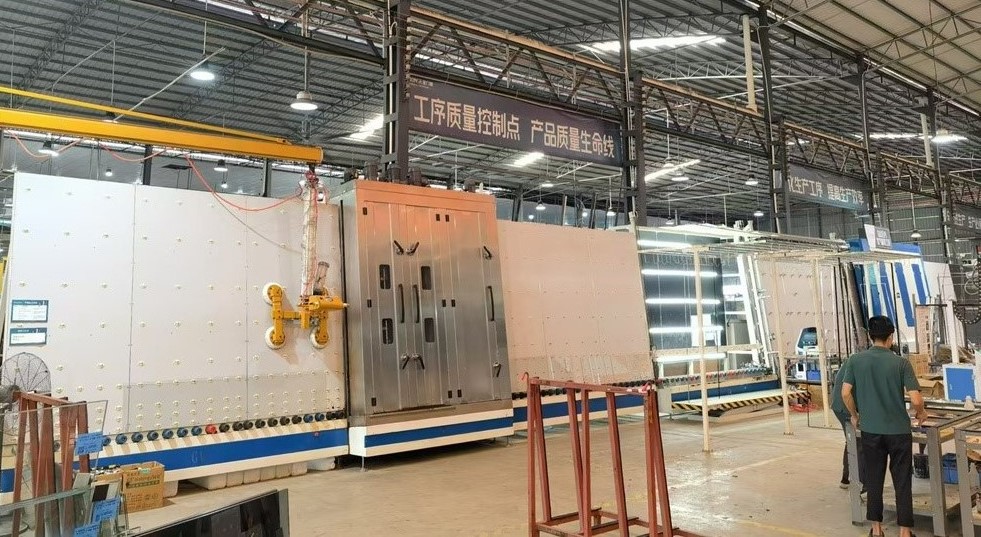
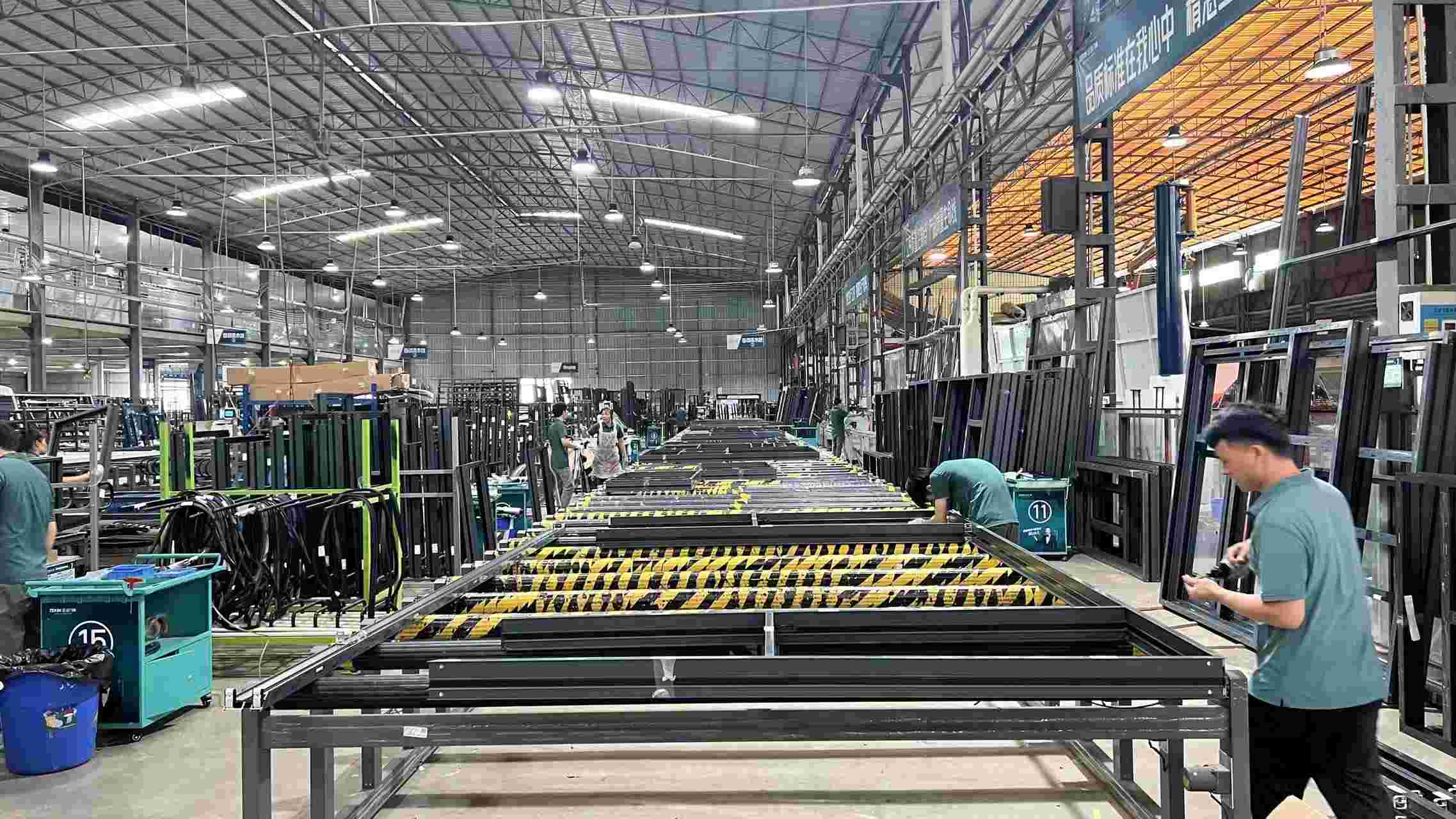
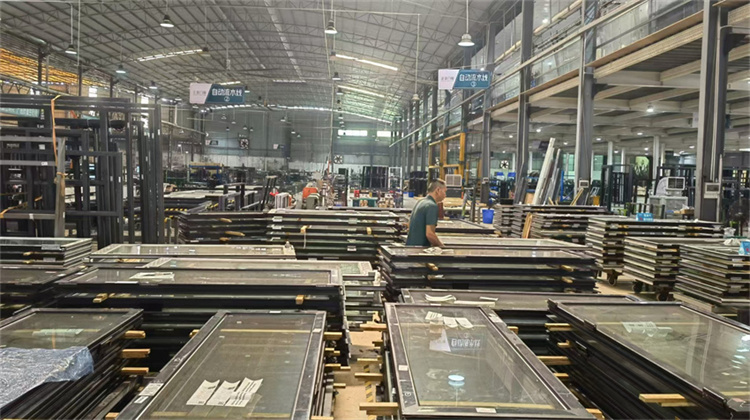
Founded in 2007, Luxfront Architectural Doors Ltd. operates a state-of-the-art 26,000 m² modern production facility, delivering engineered thermal break door and window solutions worldwide.
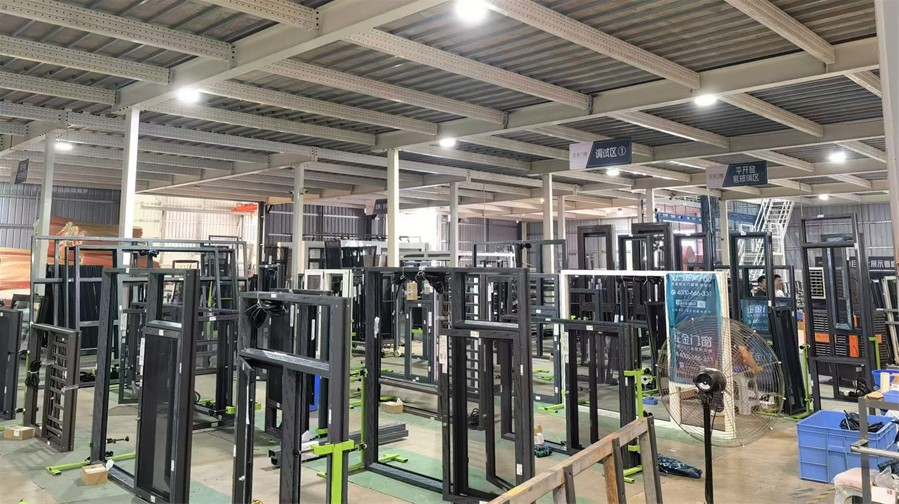
A dedicated team of 32 QA inspectors oversees full-process sampling, CMM dimensional measurements, corner tension break tests, and real-time weather-seal performance evaluations across every batch.
Driven by architectural innovation, Luxfront’s 45 specialized R&D engineers released 110 original door designs last season. Complete custom OEM/ODM options are available for world-class architectural projects.
With 7 years of international trade operations, Luxfront caters predominantly to North America, Western Europe, and Australia, serving boutique housing developers, commercial builders, and design agencies.
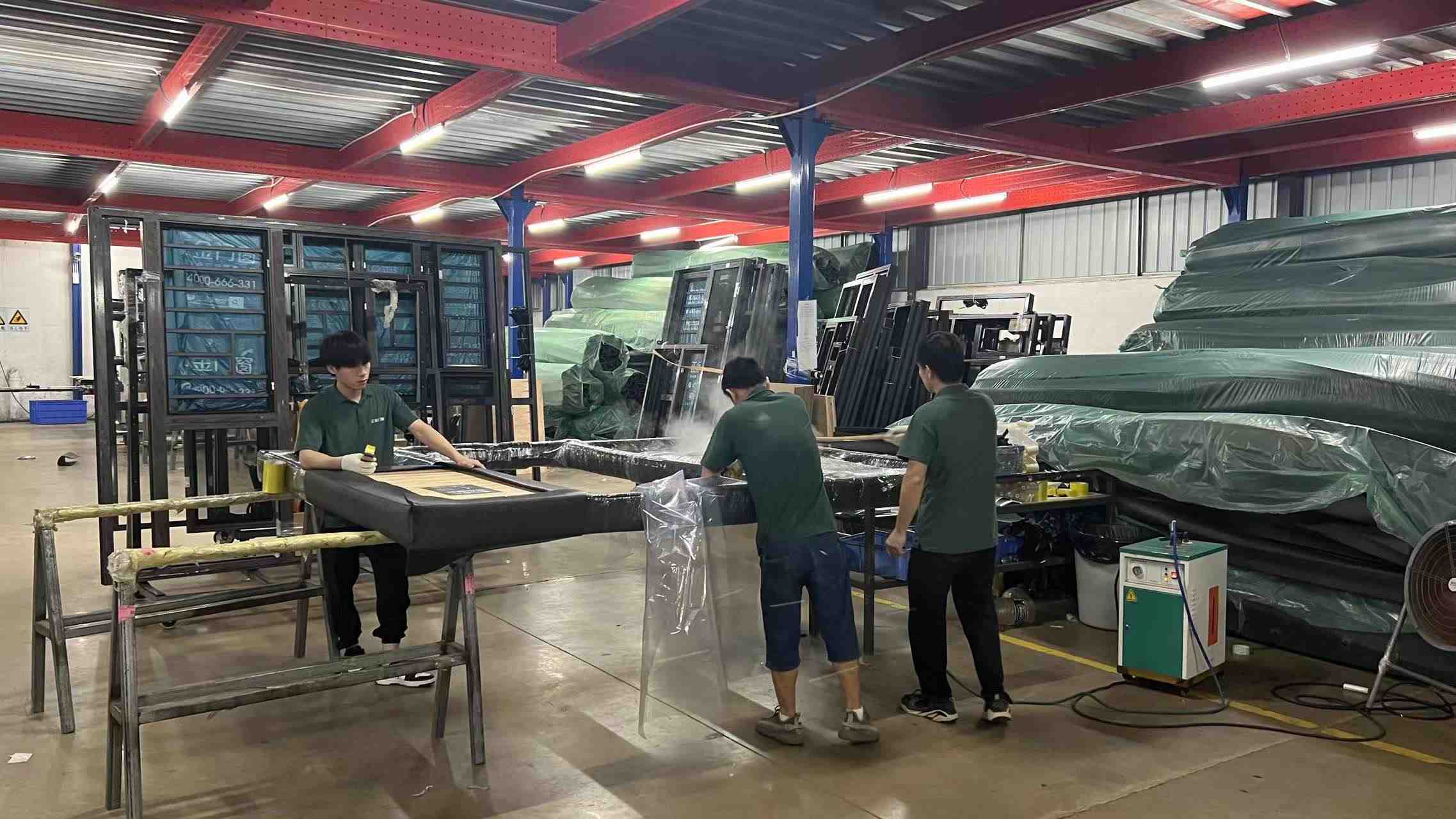
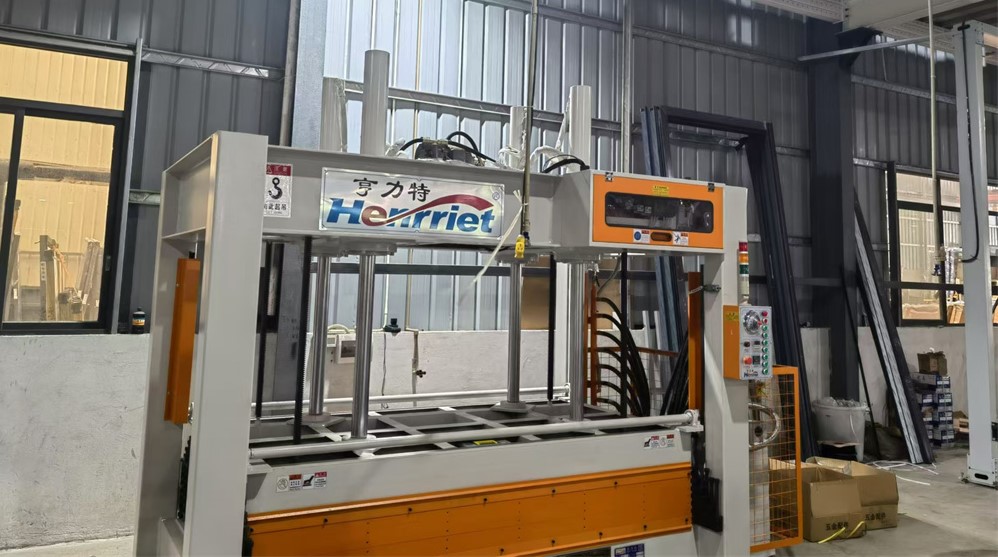
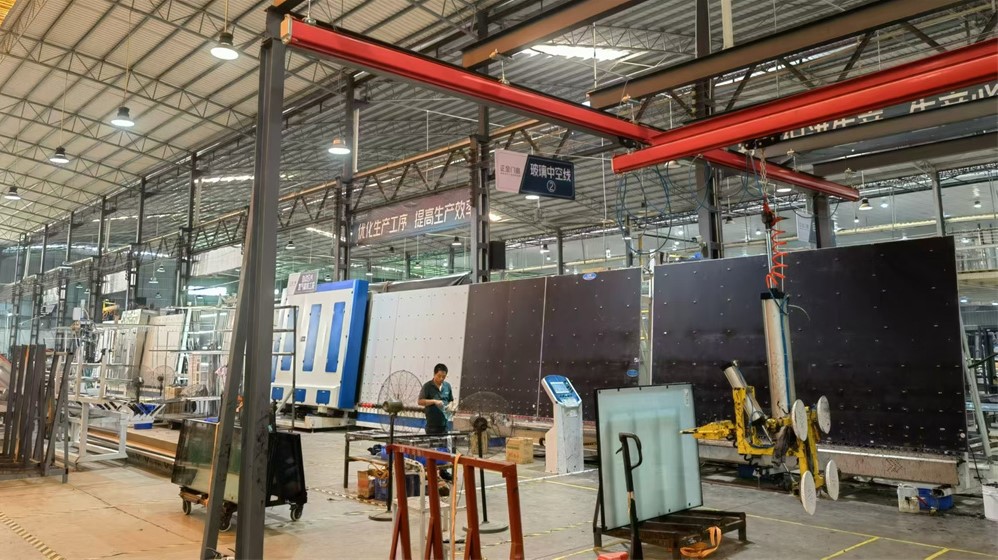
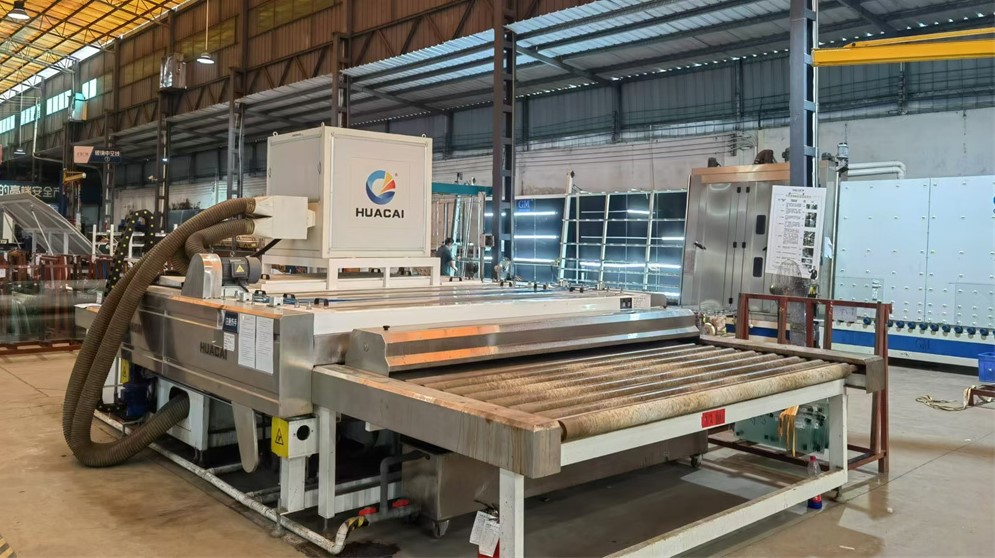
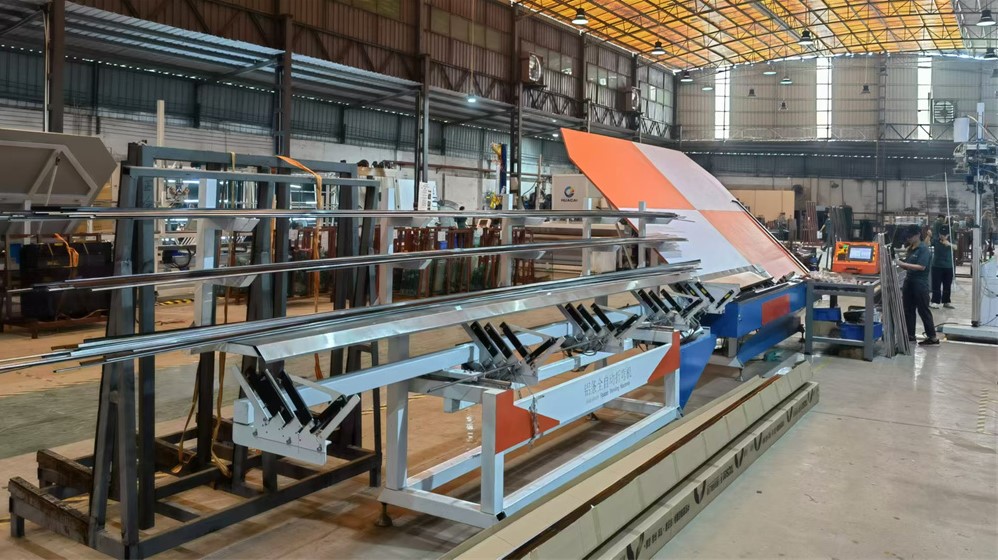
Inside Luxfront's 26,000 m² automated manufacturing facility: precision machining, automated hollow glass processing, and rigorous quality debugging.
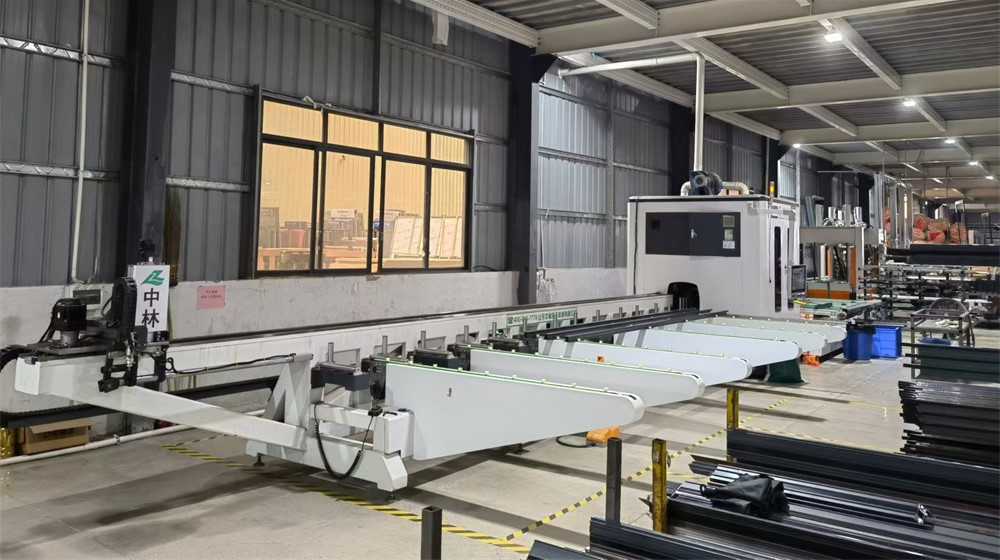
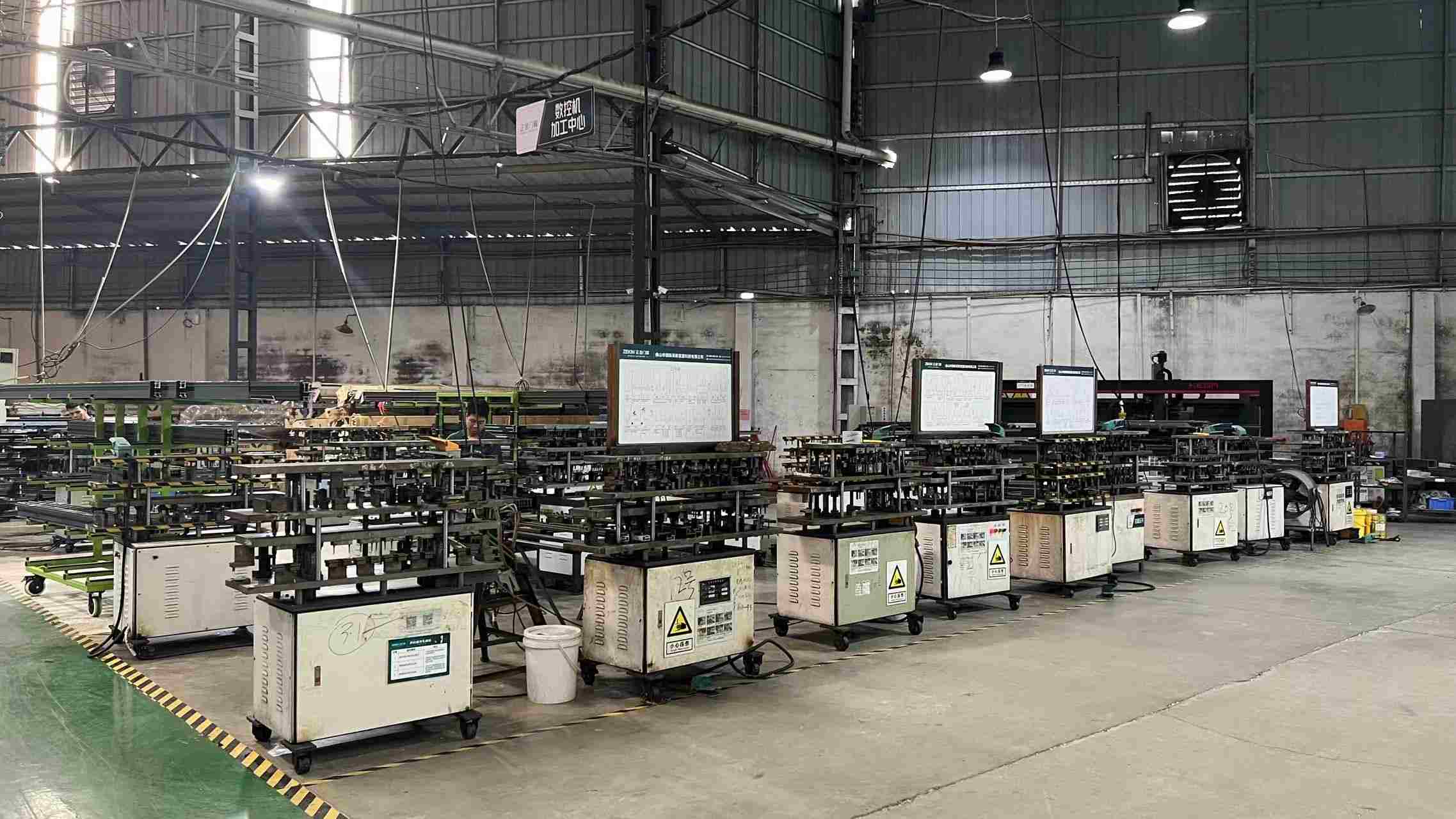
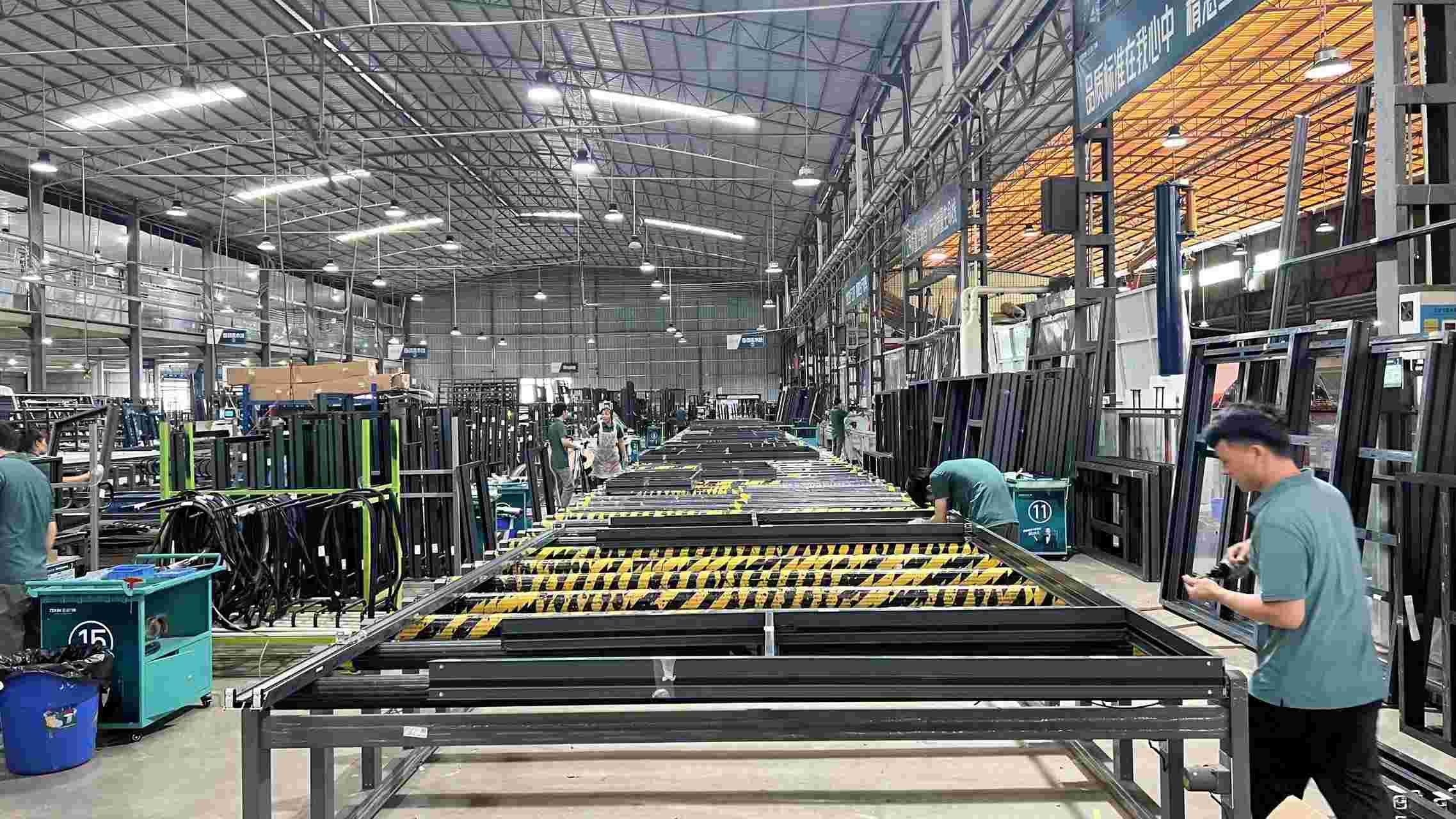
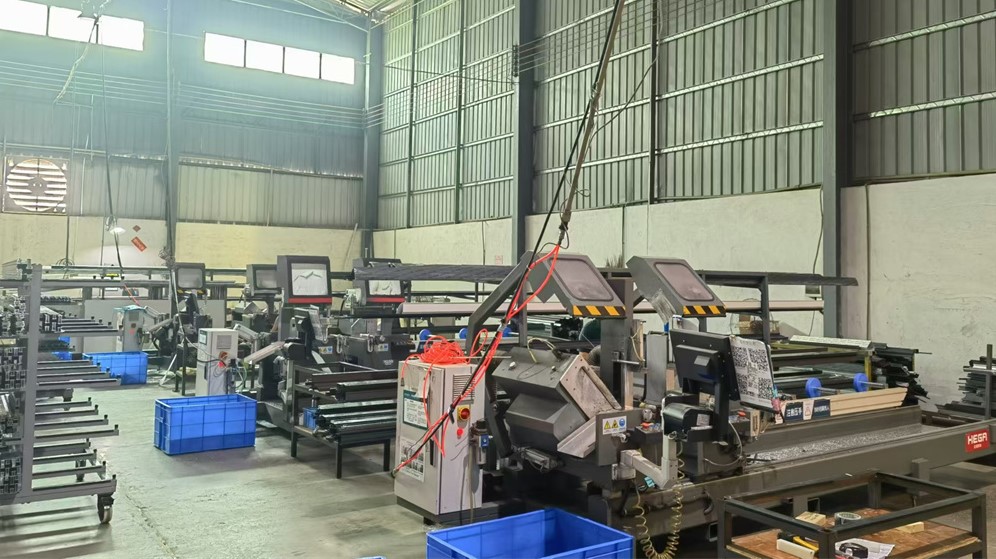
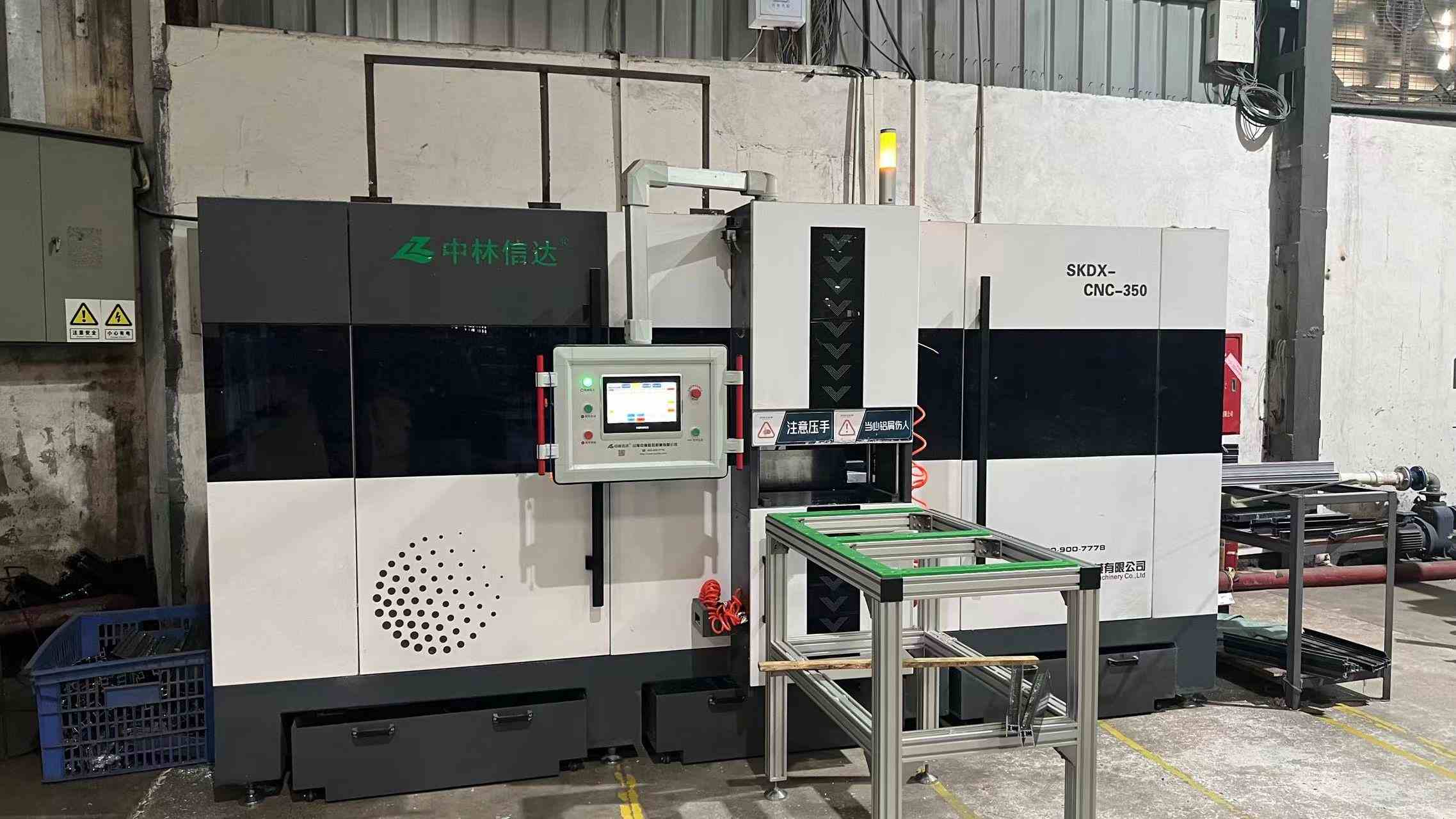
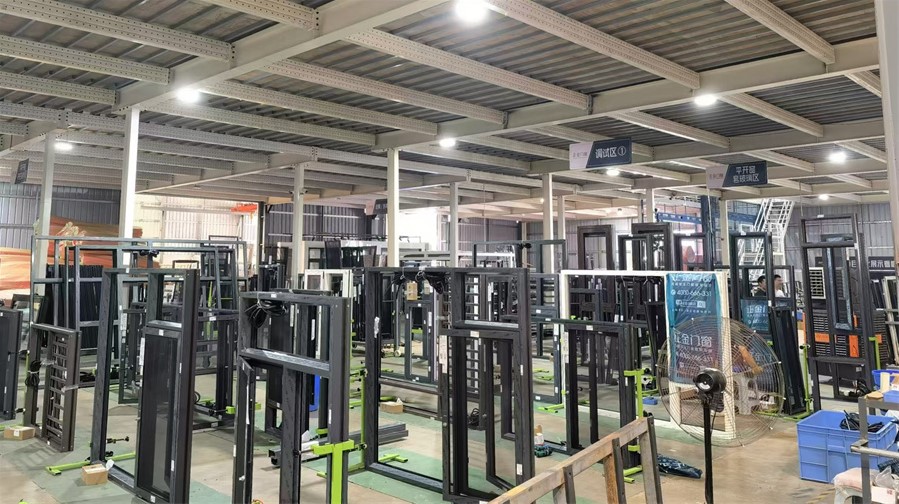
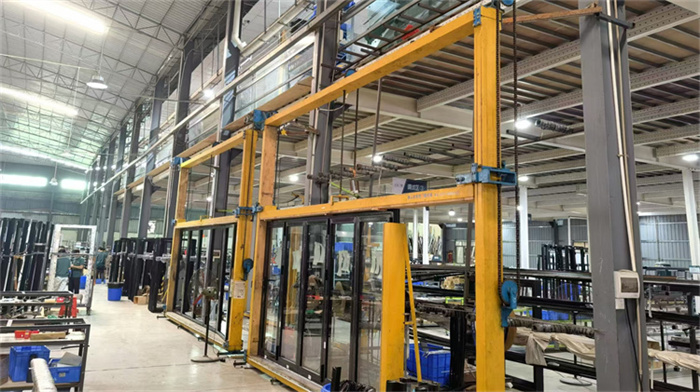
Ensuring seamless compliance for enterprise exporters across North American, European, and Oceanian architectural markets.
Mandatory for all 27 EU member states. Verifies structural load resistance, water tightness, air permeability, and dangerous substance emission thresholds under European standard protocols.
Certified by National Fenestration Rating Council for thermal transmittance ($U$-factor), Solar Heat Gain Coefficient (SHGC), and Visible Transmittance (VT) compliant with California Energy Commission Title 24 guidelines.
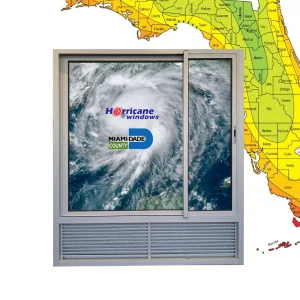
Engineered for high-velocity hurricane zones (Miami-Dade / Broward County). Passes missile impact tests (TAS 201/203) and cyclic wind pressure loading up to +/- 100 PSF.
Full compliance with Australian Standards for window and door structural performance, deflection testing (AS4420.2), water penetration resistance (AS4420.5), and safety glazing code AS1288.
North American Standard for windows, doors, and unitized skylights. Evaluates physical load performance, hardware endurance, and structural deflection under design pressures.
Luxfront operates under audited Quality Management and Environmental Systems, ensuring standardized batch-to-batch repeatability and eco-friendly manufacturing output.
Customized engineering configurations tailored for diverse climate zones and architectural challenges globally.
Challenge: Severe tropical storms, high dynamic wind pressures, and salt-spray oxidation.
Solution: Implementation of heavy-duty 3.0mm wall thickness 6063-T6 profiles integrated with PVDF fluorocarbon exterior coating, multi-layer PVB laminated impact glass, and Florida NOA approved multi-point lock hardware.
Challenge: Sub-zero winter climate demanding strict Passive House energy efficiency standards.
Solution: Integration of 34mm wide PA66 GF25 multi-cavity thermal break strips, triple argon-filled Low-E glass units, thermal foam profile inserts, and concealed tilt-and-turn German hardware for $U$-values down to $0.8 \text{ W/m}^2\text{K}$.
Challenge: Intense solar radiation, elevated UV degradation, and strict bushfire compliance (BAL-40).
Solution: Qualicoat Class 2 ultra-durable powder coating, specialized solar control spectrally selective glass, AS2047 certified sill drain sub-sills, and integrated stainless steel flyscreens.
Pioneering smart fenestration technologies, bio-based insulating polymers, and advanced vacuum insulating glass (VIG) integration.
Seamlessly embedding dynamic smart tint glass into thermal break door frames, allowing automated light transmission adjustment via IoT smart home control systems.
Replacing traditional double/triple glass units with ultra-thin Vacuum Insulating Glass, achieving center-of-glass $U$-values of $0.4 \text{ W/m}^2\text{K}$ with ultra-slim profile depth.
Developing 100% renewable bio-based polyamide thermal strips to reduce embedded carbon footprint by up to 40% across the complete manufacturing lifecycle.
Integrating online machine-vision surface defect detectors and automated CMM dimensional auditing along the assembly line to achieve near-zero defect rates.
Essential technical verification steps for architects, general contractors, and fenestration importers when selecting OEM thermal break door factories.
Always verify that the thermal strip utilizes certified PA66 GF25 material rather than cheap PVC or non-reinforced nylon. Request mill test certificates to confirm glass fiber concentration and shear strength.
Ensure corners are joined using high-precision mechanical corner cleats injected with two-component polyurethane structural adhesive to prevent frame twisting and guarantee water seal longevity.
Inquire about hardware origins. High-end systems should incorporate robust multi-point lock systems (e.g., German Siegenia, Hoppe, GU, or Roto) tested to exceed 50,000 continuous operation cycles.
Direct insights addressing common technical intent and buyer queries for thermal break door exporters.
CE certification under EN 14351-1 proves that the door assembly satisfies critical EU Construction Products Regulations (CPR). It mandates rigorous lab testing for air permeability, water tightness, structural wind load resistance, and thermal transmittance ($U$-value), ensuring legal market entry and structural safety.
PA66 GF25 consists of Polyamide 66 reinforced with 25% glass fiber. It matches the thermal expansion coefficient of aluminum, preserving structural integrity up to 220°C during powder coating processes. PVC has a significantly higher expansion rate, lower mechanical strength, and degrades rapidly under UV exposure, leading to profile separation and seal failure.
Yes. When configured with multi-cavity wide thermal strips (34mm+), foam profile insulation inserts, and triple-pane argon-filled warm-edge Low-E dynamic glass, our thermal break doors achieve total system $U$-factors as low as $0.8 \text{ W/m}^2\text{K}$, meeting stringent Passive House criteria.
We manufacture Florida NOA & HVHZ certified hurricane impact thermal break doors featuring heavy-gauge 6063-T6 aluminum alloys, high-impact PVB/SGP laminated glass, heavy-duty stainless steel multi-point locking hardware, and sub-sill water management systems capable of withstanding dynamic wind loads exceeding +/- 100 PSF.
Luxfront provides extensive custom finishing, including Qualicoat Class 2 PVDF fluorocarbon painting, 25μm heavy anodizing, electro-polished marine-grade coatings, and realistic heat-transfer wood grain sublimation, alongside custom structural integration like concealed pivot hinges and integrated smart ambient LED lighting.
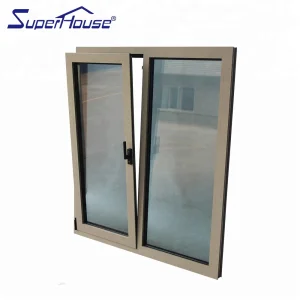
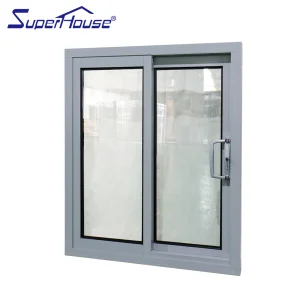
Custom engineered casement, sliding, bifold, and fixed window systems tailored for commercial and high-end residential development.
 Luxfront