China Best Low E Glass Front Door Manufacturer & Factories

Architectural-Grade Energy Efficiency, High-Velocity Impact Resilience, and Precision Structural Engineering for Luxury Residential & Commercial Entrances

Flagship Fenestration Systems

High-Performance Low-E Front Doors & Glazed Systems

Explore our certified thermal break aluminum door and window engineering solutions manufactured to Miami-Dade NOA, NFRC, AAMA, and AS2047 international standards.
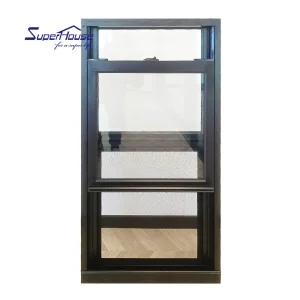
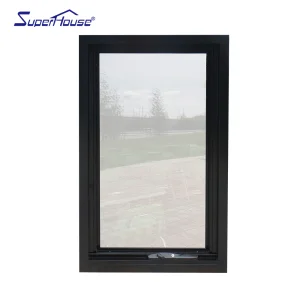
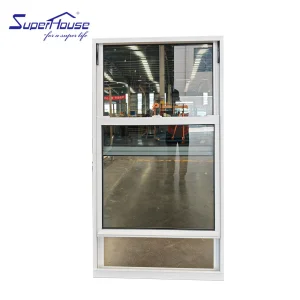
Thermal Break Aluminum Single Hung Window
Miami Dade NOA Approved Thermal Break Aluminum Single Hung Window Double Insulated Glass Heat Insulation Windproof for Kitchen
View Product Specs
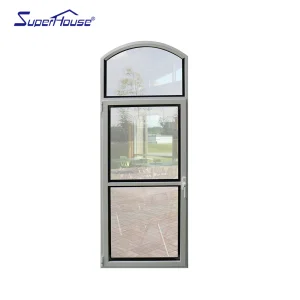
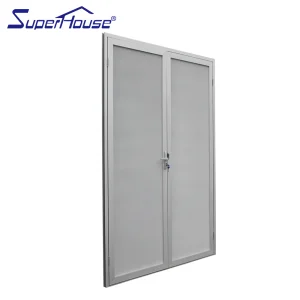
AS2047 Thermal Break Aluminum Hinged Entry Door
AS2047 Thermal Break Aluminum Hinged Door with Security Screen German Hardware Windproof Insect-Proof Balcony Entry Door
View Product Specs
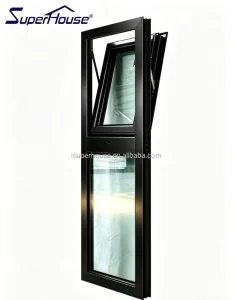
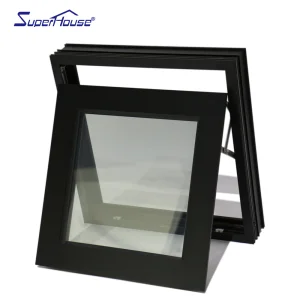
Hurricane Proof Awning Window
Superhouse NFRC House Hurricane Proof Impact Waterproof Modern Design Soundproof Thermal Break Aluminum Awning Window
View Product Specs
Aluminum Tilt Turn Window
NOA Certified Aluminum Tilt&Turn Window Florida Hurricane Proof D2015 Powder Coating Anti-Corrosion for Living Room Ventilation
View Product Specs
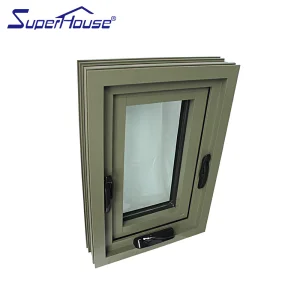
Thermal Break Aluminum Crank Awning Window
Modern Thermal Break Aluminum Crank Awning Window NFRC AAMA Certified American Style for Residential Villa
View Product Specs
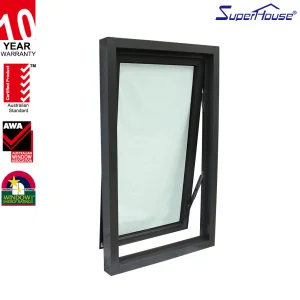
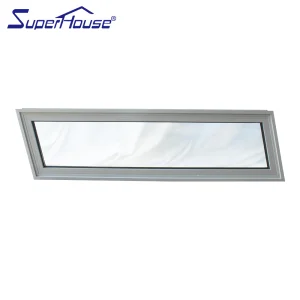
Tempered Glass Awning Window
Superhouse Modern Design Exterior Thermal Break Aluminum Insulated Tempered Glass Black Aluminum Awning Window
View Product Specs
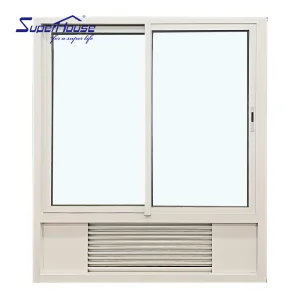
Hotel System Window PTAC Louver
Factory directly offer USA Holiday Inn Hotel system window with PTAC louver & Nail Fin installation Double tempered low e glass
View Product Specs
Noise Reduction Fixed Window
High Quality Customized with Noise Reduction & Waterproof Features Aluminum Alloy Tempered Glass Fixed Window
View Product Specs
Industry Whitepaper 2024

Engineering Low-E Glass Front Doors for Next-Generation Architecture

A deep technical breakdown of thermal transmittance performance, multi-layer sputter coatings, structural load capabilities, and sustainable envelope integration.

In modern architectural design, the building envelope serves as the primary defense against thermal exchange, solar heat gain, and structural atmospheric forces. Front doors, historically treated as mere static structural entryways, have evolved into highly complex thermal boundaries. As global building codes enforce stringent energy targets such as Energy Star 7.0 in North America, Passive House (Passivhaus) standards in Europe, and NCC 2022 in Australia, the integration of Low-Emissivity (Low-E) glass into luxury front door systems has transitioned from an aesthetic option to an engineering mandate.

Technical Insight: Low-Emissivity (Low-E) glass features microscopic, spectrally selective metallic layer stacks—typically silver (Ag)—that reflect long-wave infrared energy (heat) while allowing high levels of visible light transmittance (VLT). When integrated with polyamide thermal break aluminum extrusions, Low-E front doors achieve U-factors as low as 0.78 W/m²K (0.14 BTU/h·ft²·°F), drastically cutting building HVAC loads.

1. Physics of Low-E Coatings & Spectral Performance Breakdown

Low-E glass functions by altering the radiation heat transfer component of an Insulated Glass Unit (IGU). The emissivity ($\epsilon$) of standard clear float glass is approximately 0.84, meaning it absorbs and re-radiates 84% of far-infrared heat. High-performance soft-coat (off-line magnetron sputter vacuum deposition) Low-E glass reduces this emissivity value to $\epsilon \le 0.03$.

When specifying Low-E front doors from top China manufacturers, architects and project managers must balance three vital physics parameters:

  • U-Factor (Thermal Transmittance): Measures the rate of non-solar heat flow through the complete door assembly. Lower U-factors prevent heat escaping during severe winters and preserve cooled indoor air in tropical climates.
  • Solar Heat Gain Coefficient (SHGC): Expresses the fraction of incident solar radiation admitted through the door glass. In sun-drenched regions such as Florida, Texas, or Western Australia, low SHGC values (0.20 – 0.28) block damaging infrared solar radiation.
  • Visible Light Transmittance (VLT): Determines daylight harvesting efficiency. Luxfront's double and triple-glazed Low-E front door assemblies maintain a clear VLT between 62% and 74%, preventing daylight reduction while eliminating thermal discomfort.

2. Hard-Coat (Pyrolytic) vs. Soft-Coat (Sputtered) Low-E for Entry Systems

Choosing the correct coating technology is paramount to structural longevity and optical clarity in front entry configurations:

Hard-Coat (Pyrolytic Low-E): Applied online during float glass manufacturing at elevated temperatures (~600°C). The tin oxide layer bonds directly to molten glass. While durable and scratch-resistant, hard-coat glass exhibits higher emissivity ($\epsilon \approx 0.15$) and a slight haze, making it less suitable for high-end architectural main entrances.

Soft-Coat (MSVD Low-E): Deposited offline inside vacuum chambers utilizing multi-layer stacks of silver, nickel-chrome, and titanium dioxide. Soft-coat Low-E offers superior optical purity, exceptional emissivity ($\epsilon \le 0.03$), and customizable SHGC values. Standard practice at Luxfront encapsulates the soft-coat layer inside Surface #2 or Surface #3 of sealed double/triple-glazed IGUs filled with 95% pure Argon gas, permanently protecting the coating from atmospheric oxidation.

Argon & Krypton Gas Filling

Hermetically sealed space injected with noble gases drastically reduces conductive and convective heat transfer inside the IGU cavity compared to ambient air.

Impact-Resistant Lamination

Combining Low-E tempered glass with thick PVB/SGP (SentryGlas®) interlayers provides severe hurricane resistance and anti-burglary protection.

PA66 Thermal Break Frames

High-grade Polyamide PA66 GF25 thermal barrier strips separate interior and exterior aluminum profiles, stopping structural thermal bridging.

Corporate Excellence

Luxfront Architectural Doors Ltd.

A global leader in high-end architectural door and window engineering, serving international developers, architects, and trade clients with unmatched manufacturing precision.

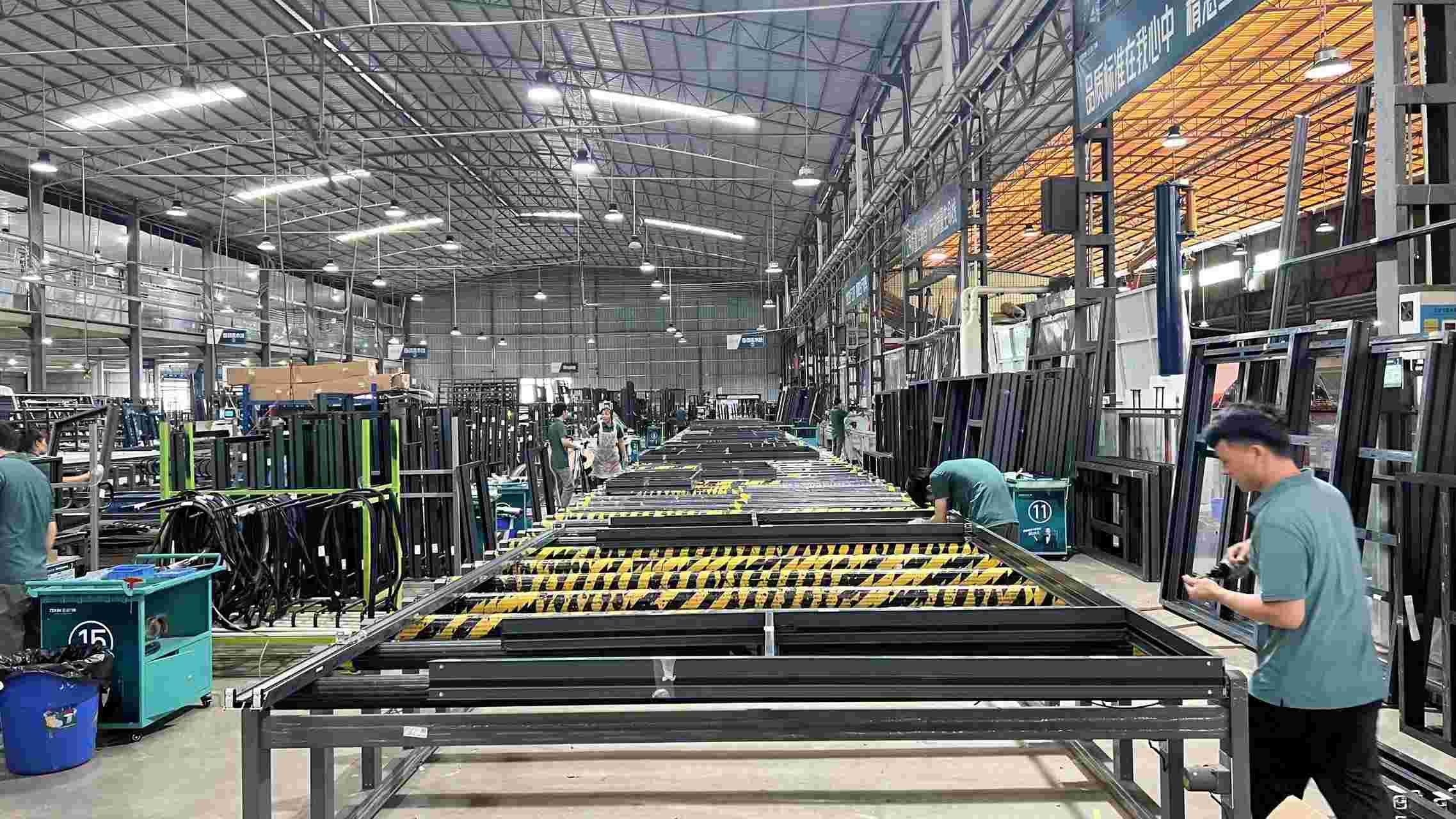
Founded in 2007, Luxfront Architectural Doors Ltd. is a modern high-end door enterprise utilizing a 26,000 m² production facility. Backed by 17 years of technical manufacturing heritage and 7 years of international trade operations, the firm achieves $21 million in annual export revenue. Luxfront caters predominantly to North America, Western Europe, and Australia, serving boutique housing developers, luxury home builders, and architectural design agencies.

Working alongside 720 specialized raw material supply partners, quality assurance remains central to operations. A dedicated team of 32 QA inspectors oversees full-process sampling, CMM dimensional measurements, and weather-seal performance evaluations. Driven by market-leading architectural innovation, Luxfront's 45 R&D engineers released 110 original door designs last season. Complete custom options are available, covering large-format pivot door structures, concealed hinges, integrated LED ambient lighting, and premium wood-veneer aluminum finishes.

26,000 m²
Production Facility
State-of-the-art automated manufacturing footprint equipped with CNC laser processing lines.
17+ Years
Engineering Heritage
Continuous technical innovation in structural fenestration and Low-E double/triple thermal units.
$21 Million
Annual Export Revenue
Trusted structural supplier across North America, Western Europe, and Australian markets.
32 QA & 45 R&D
Technical Experts
Strict CMM measurements, air/water testing, and 110+ new architectural door designs per year.
Precision Engineering Workflow

8-Stage Quality-Controlled Manufacturing Process

From raw material verification to final export packing, our production chain ensures zero-defect structural integrity for every Low-E glass front door.
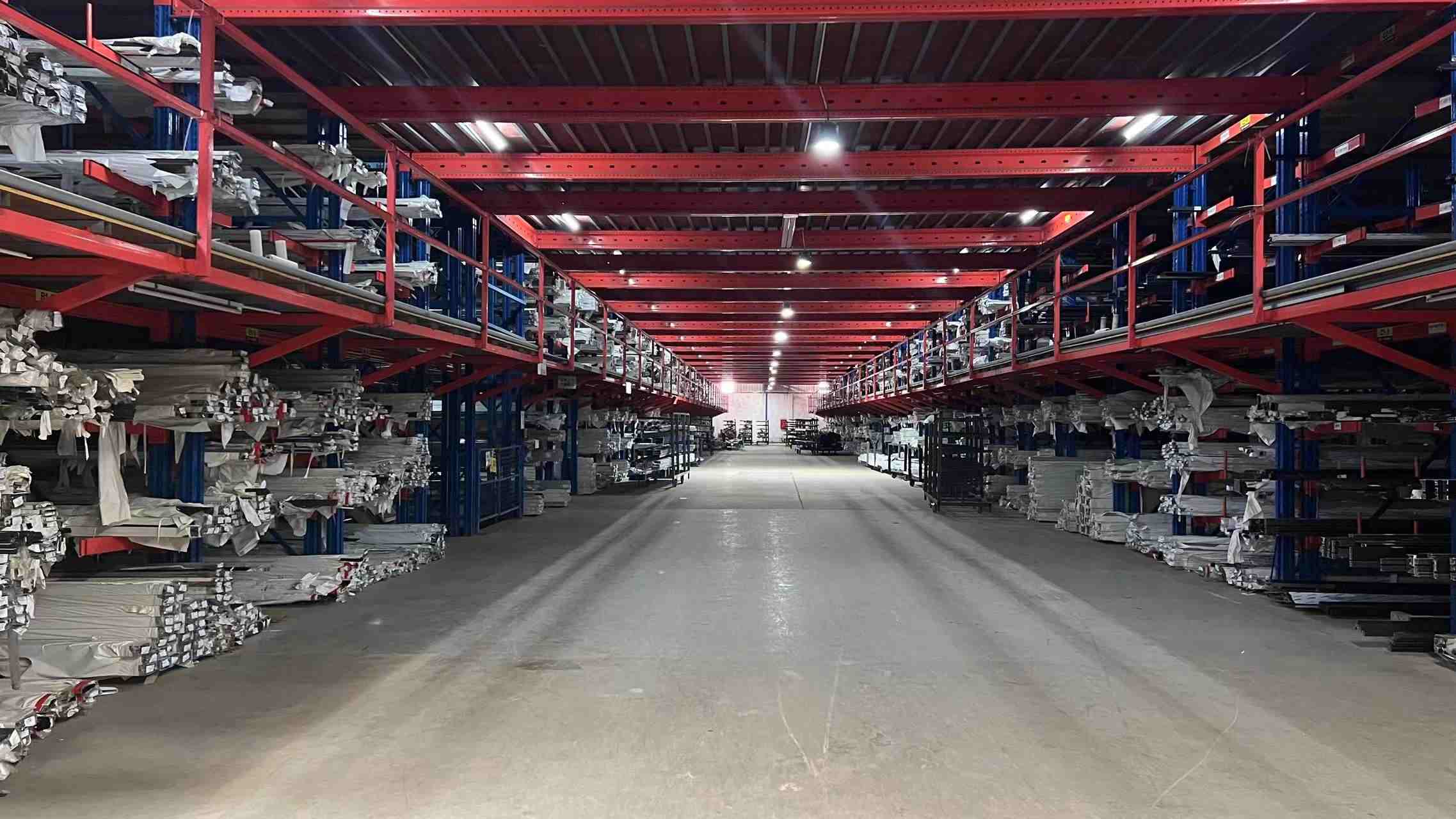
Raw Materials
Stage 01
Raw Materials
Cutting
Stage 02
Cutting
Punching
Stage 03
Punching
Hollow Processing
Stage 04
Hollow Processing
Gluing
Stage 05
Gluing
Assembly
Stage 06
Assembly
Debugging
Stage 07
Debugging
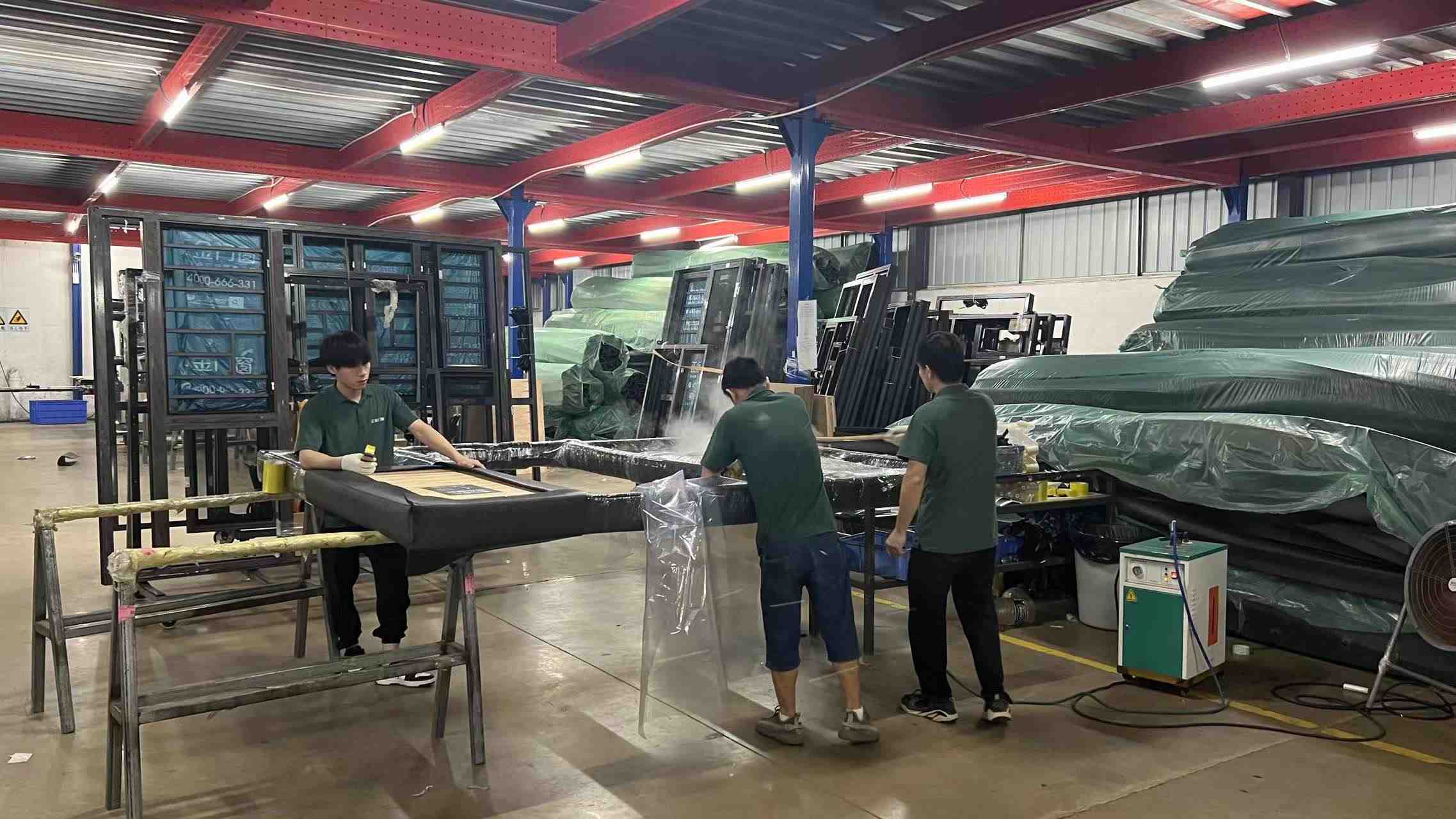
Packing
Stage 08
Packing
Industrial Infrastructure

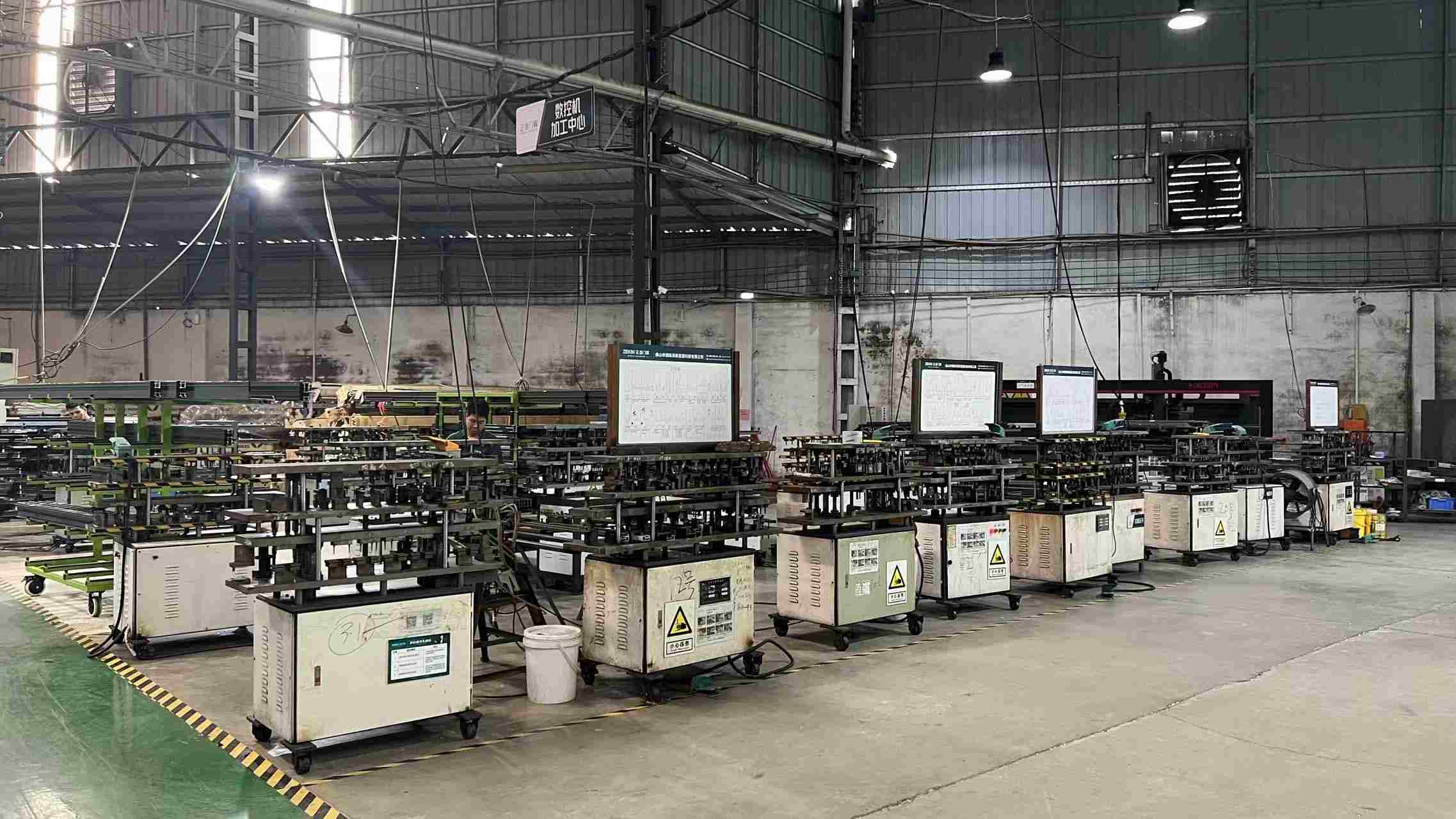
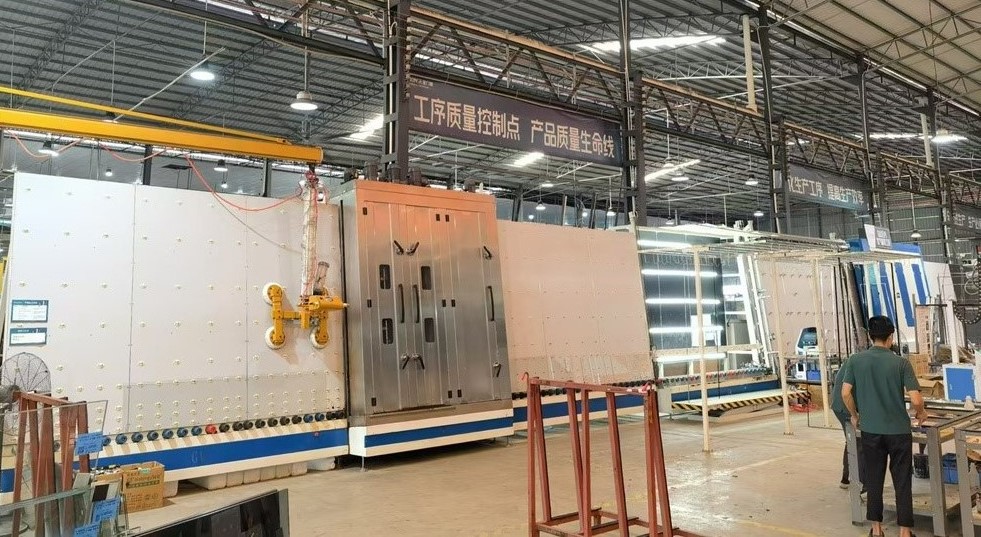
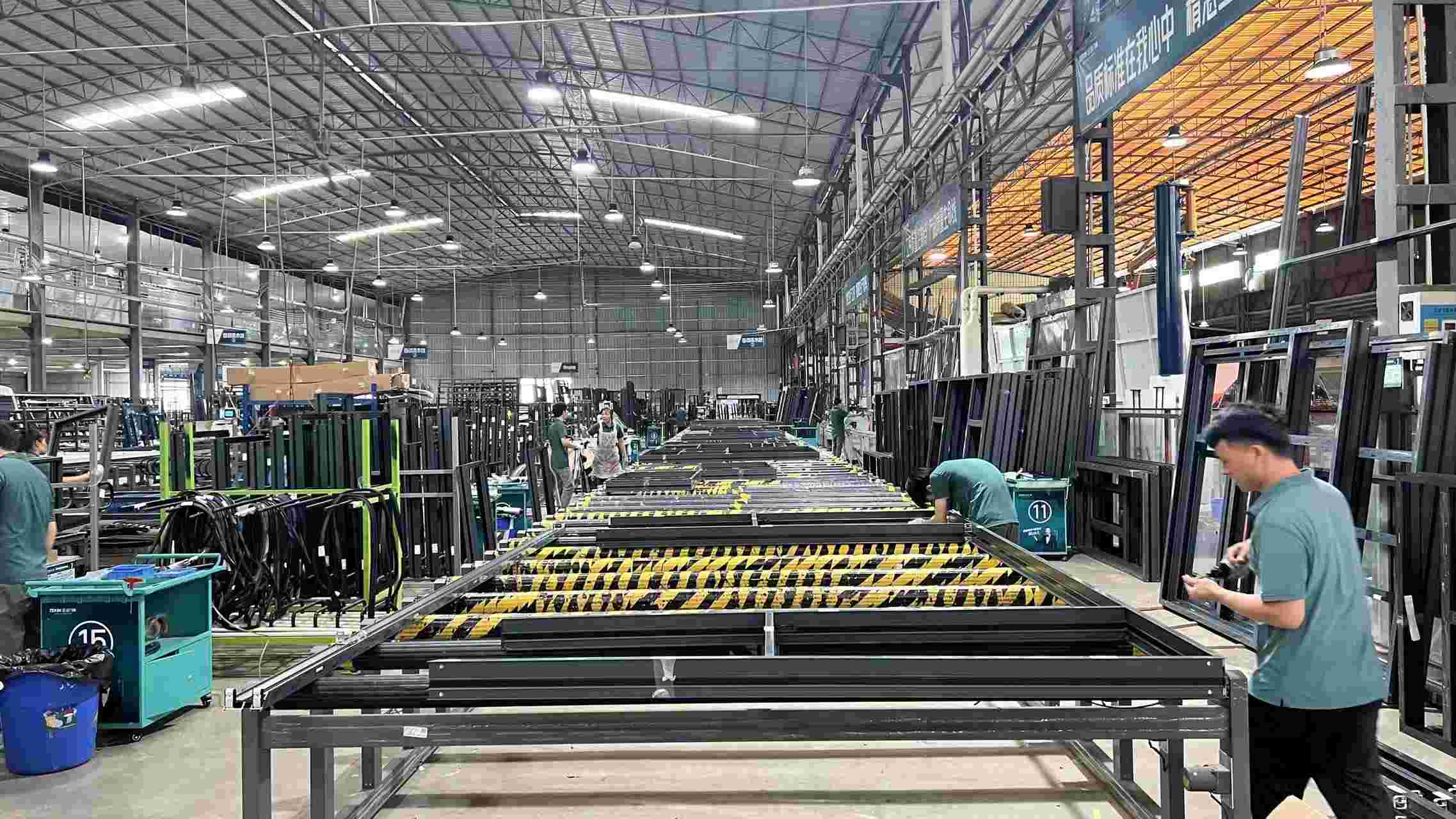
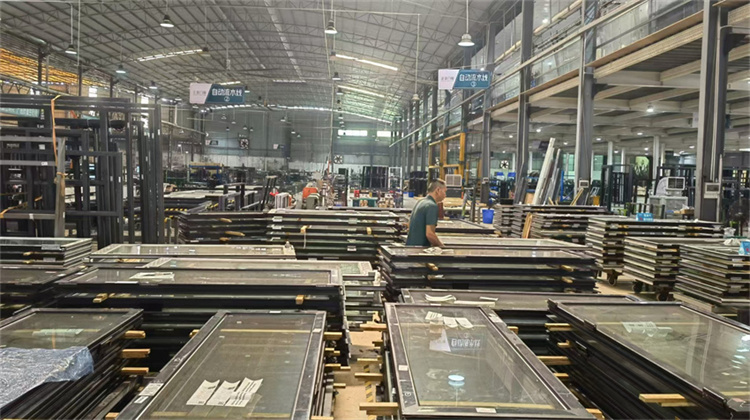
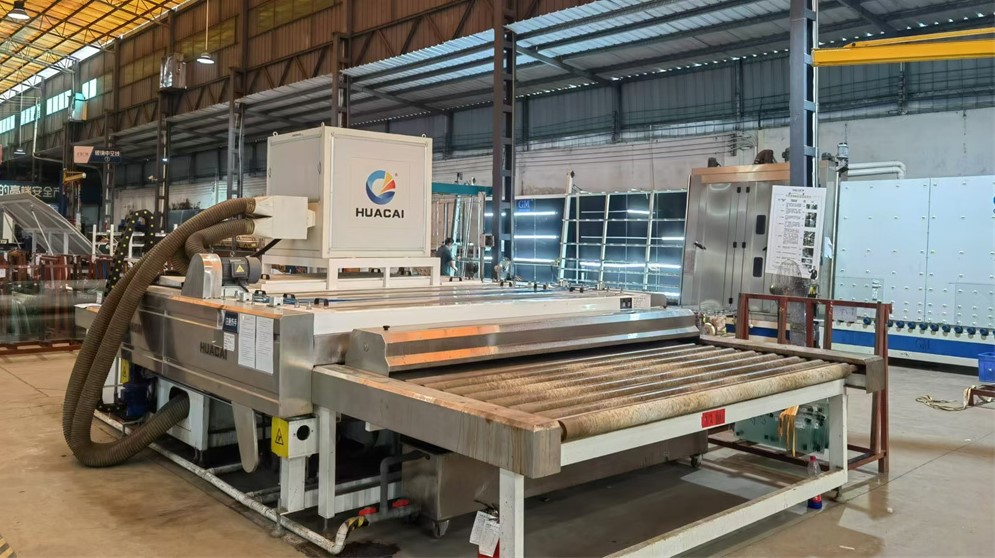
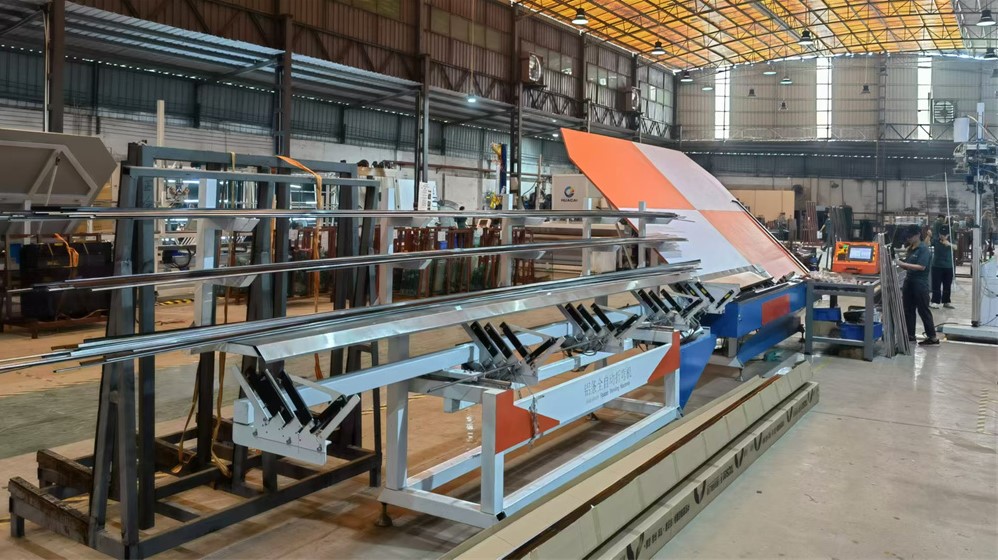
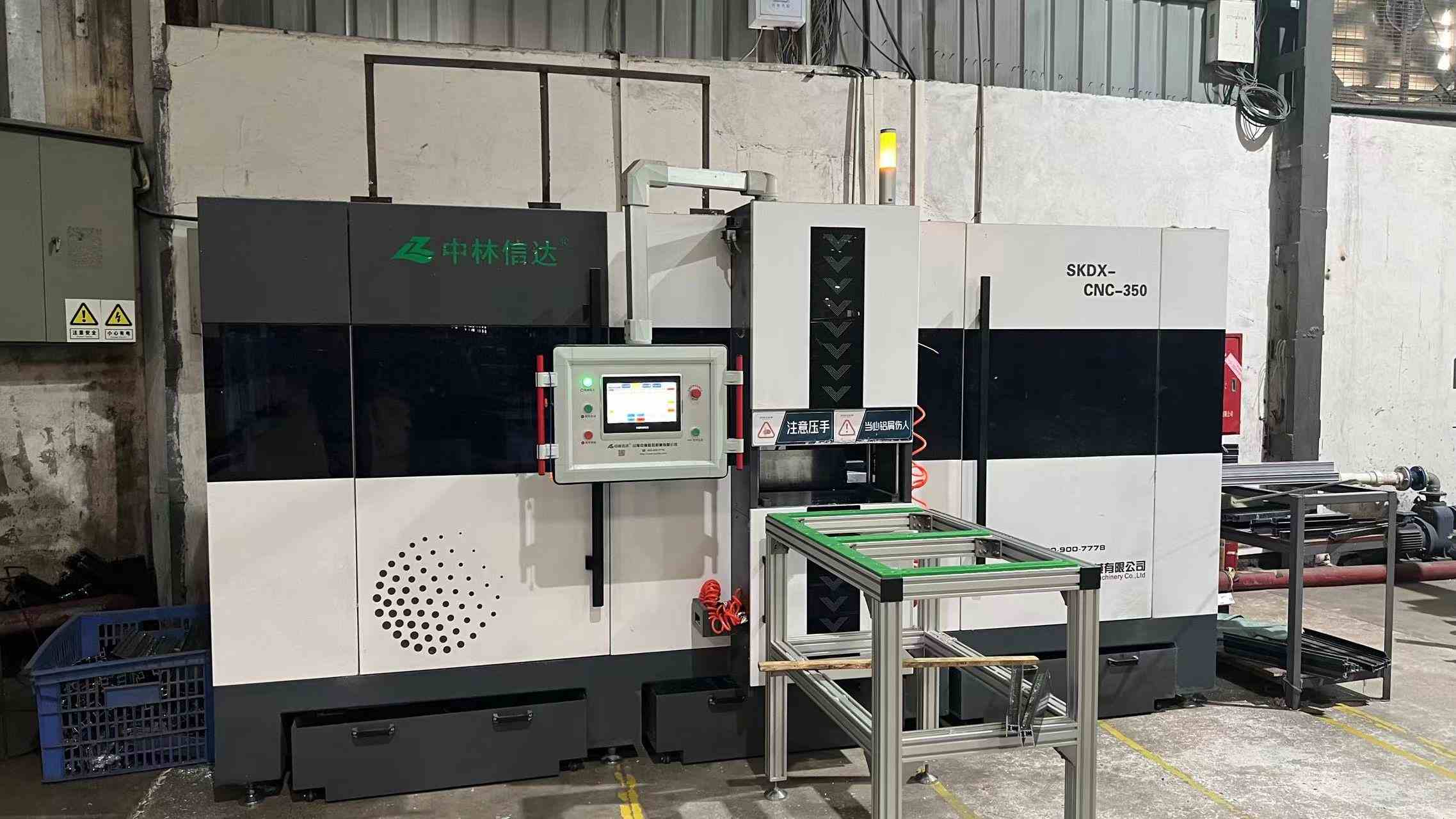
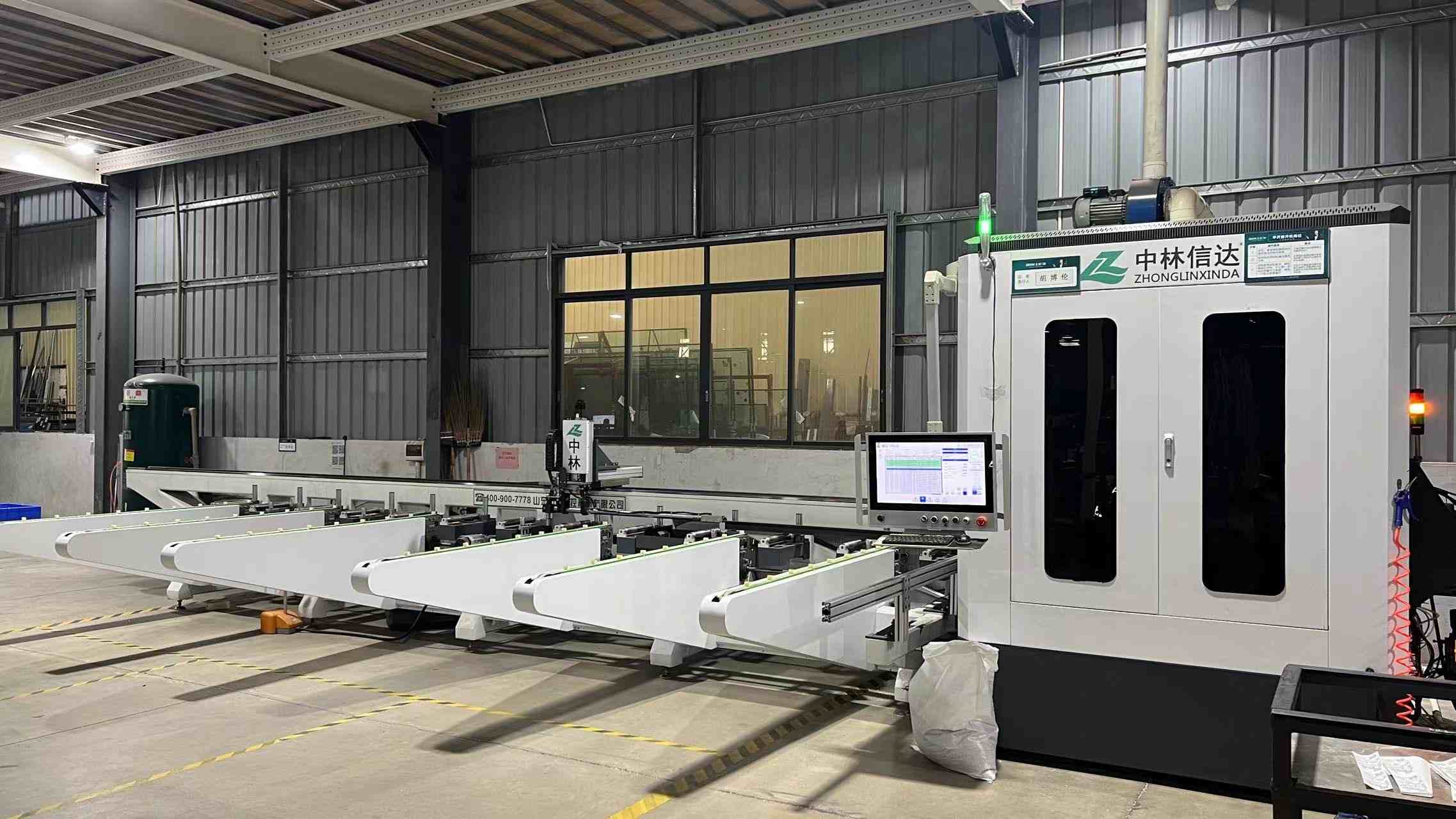
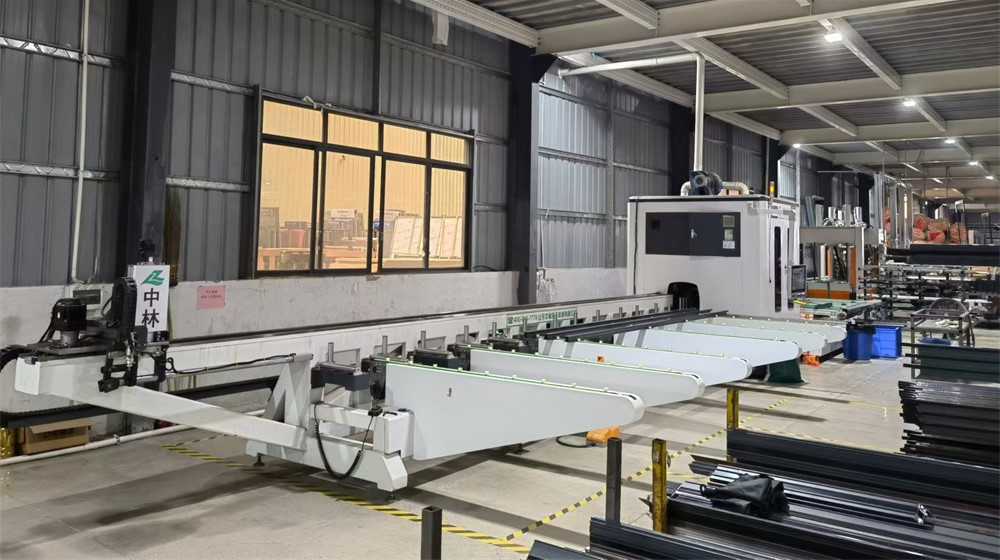
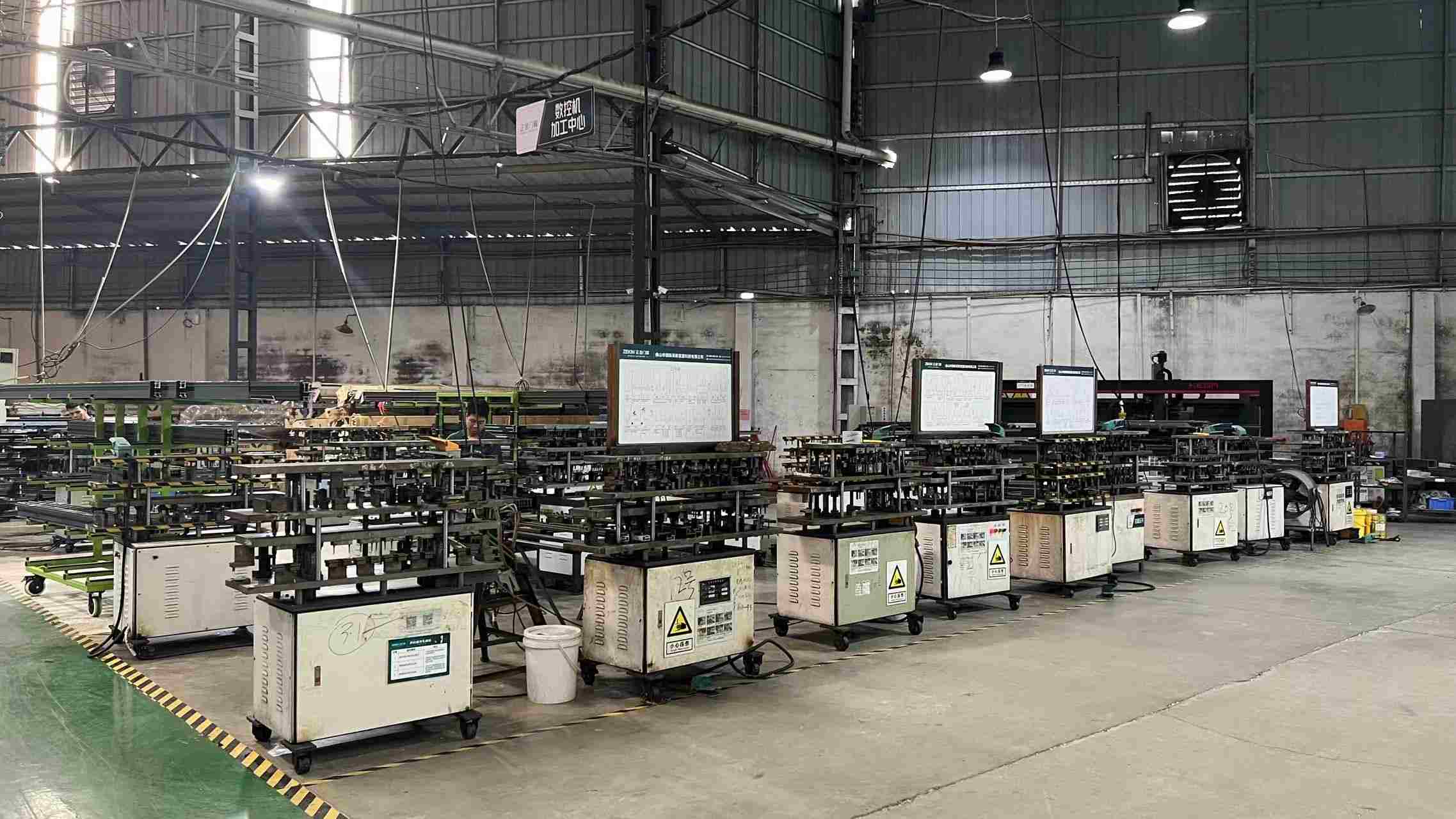
Automated Machinery & Testing Rig Infrastructure

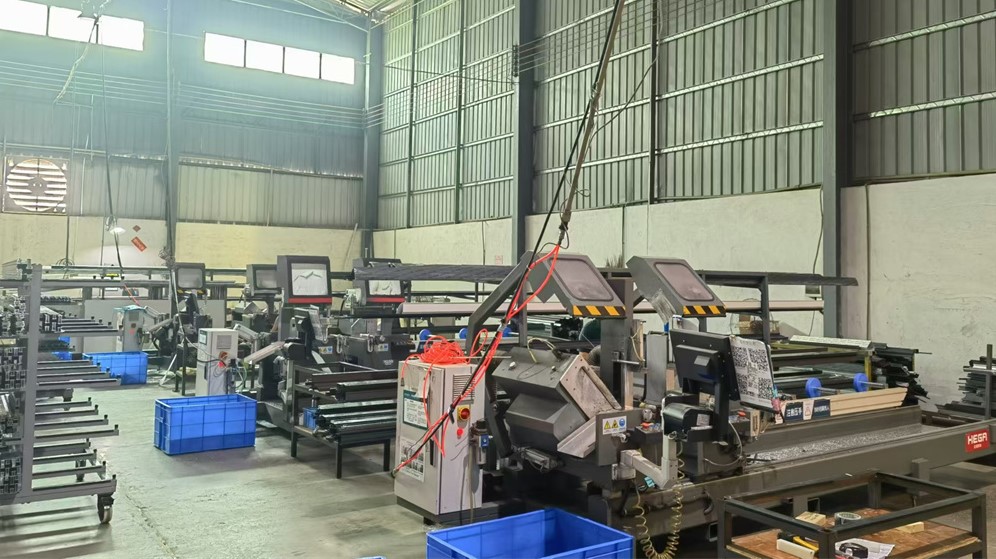
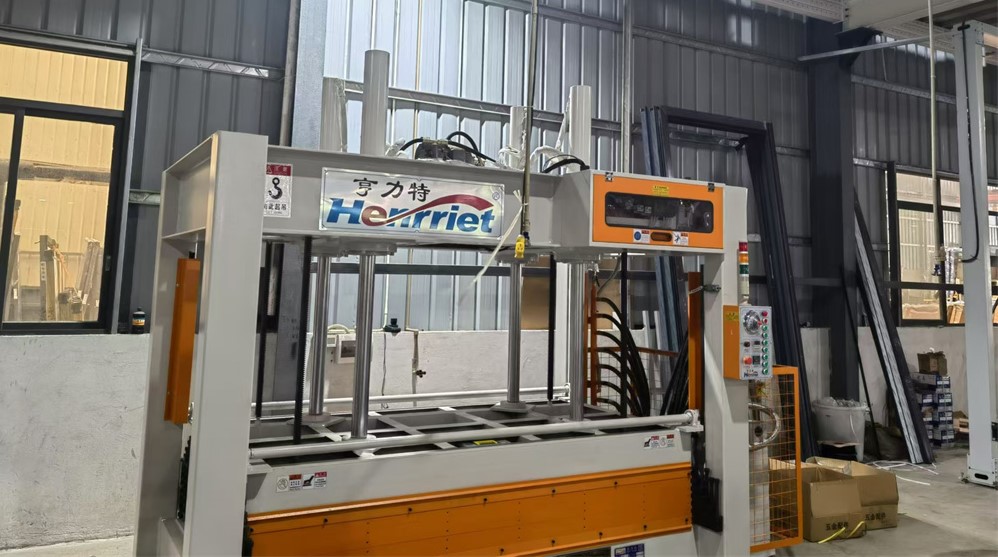
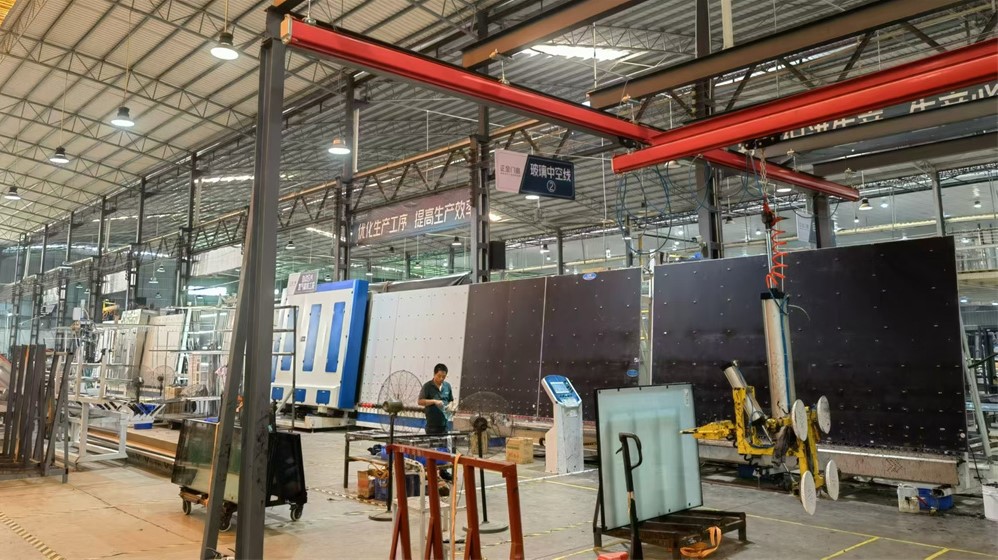
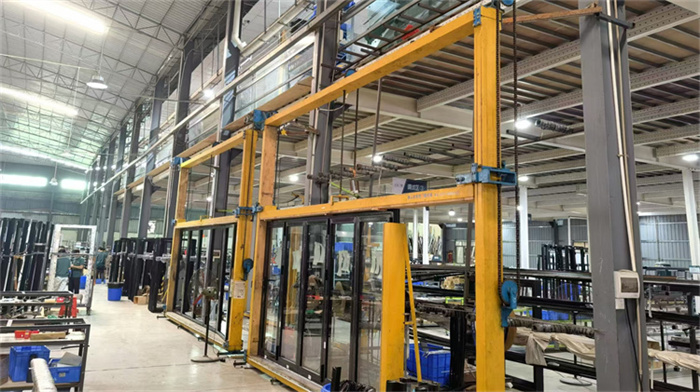
Our workshop houses high-precision CNC machinery and dynamic testing frames to deliver micro-millimeter tolerance across custom Low-E front door profiles.
Laser Cutting Machine
Punching Machine
Punching Machine
Assembly Line
Assembly Line
Double Head Sawing Machine
Pressing Machine
Pressing Machine
Hollow Line
Hollow Line
Glass Cleaning Machine
Bending Machine
Bending Machine
Automatic End Milling Machine
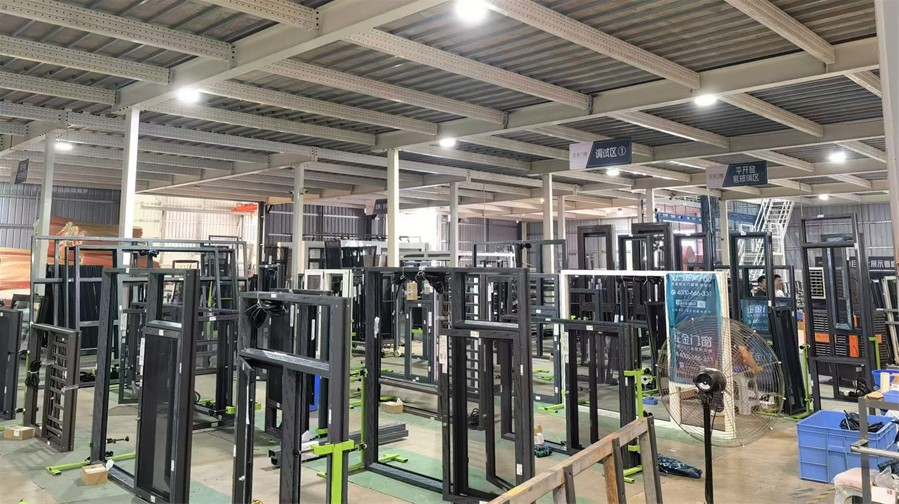
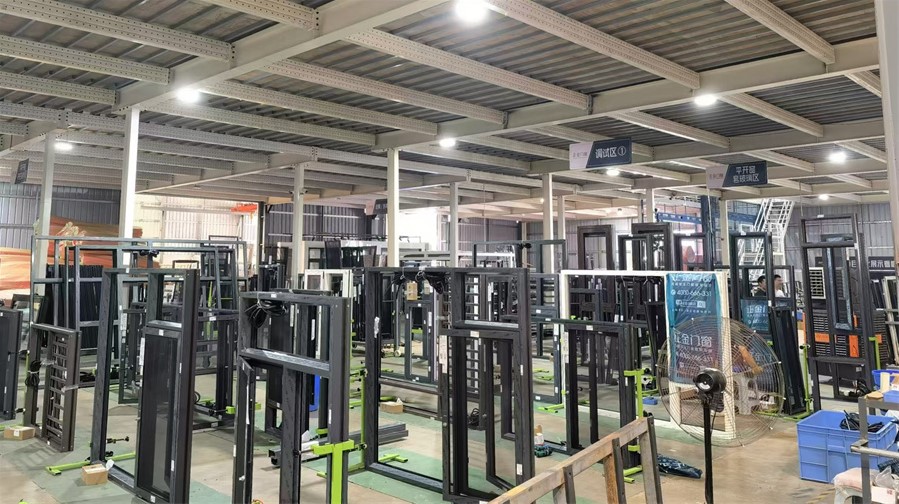
Debugging Station
Quality Control & Door Operating Debugging Station
Debugging Frame
Full-Scale Structural Debugging Frame Calibration
Regulatory Authorization

Global Building Code Compliance & Testing Standards

Luxfront Low-E glass front door assemblies are engineered to meet and exceed international building envelope testing mandates across North America, Europe, and Australia.

North America (FBC & NFRC)

Certified under Miami-Dade NOA and Florida Building Code (FBC) for High-Velocity Hurricane Zones (HVHZ). Fully rated by NFRC for thermal U-factor, SHGC, and AAMA structural wind resistance up to 90 psf.

Australia (AS2047 & AS1288)

Fully tested and certified under AS2047 (Windows and External Glazed Doors in Buildings) and AS1288 glass safety specs. Rated for structural deflection, air infiltration, water penetration resistance, and BAL-40 bushfire zones.

Europe & UK (CE & Passivhaus)

Compliant with EN 14351-1 CE marking and UKCA requirements. Triple-glazed Low-E front door options achieve Passivhaus-ready thermal transmission standards ($U_w \le 0.8 \text{ W/m}^2\text{K}$).

Architectural Versatility

Localized Application Scenarios & Environmental Adaptation

Engineered structural front door configurations tailored to extreme climatic environments and diverse architectural archetypes worldwide.

A. Coastal & Tropical Hurricane Zones

Regions: Florida, Gulf Coast, Caribbean, Coastal Queensland.

In severe coastal hurricane zones, entrance doors must withstand windborne debris impact and sustained atmospheric pressure cycles. Luxfront combines double-laminated Low-E impact glass (PVB/SGP) with heavy-gauge T6 thermal break aluminum profiles. This ensures hurricane missile resistance (Large Missile Impact Level D) while blocking 99.9% of solar UV radiation to prevent interior color fading.

B. Sub-Zero Northern Climates

Regions: Canada, Northern USA, Scandinavia, Alpine Europe.

In sub-zero winter regions, interior warmth loss via thermal conduction is the primary challenge. Our triple-pane Low-E door systems feature dual thermal break barriers, Warm-Edge composite spacers, and 95% Argon gas filling. This prevents thermal bridging and interior frame condensation even when exterior temperatures drop to -30°C.

C. High-UV & Arid Desert Zones

Regions: Middle East, Southwestern USA, Central Australia.

Exposed to extreme solar radiation and ambient temperatures exceeding 45°C, front entry systems require low SHGC coatings (SHGC < 0.22) and multi-layer fluorocarbon (PVDF) powder finishes. Luxfront’s AkzoNobel or PPG coatings resist UV degradation, chalking, and thermal frame expansion over decades.

D. Modern Ultra-Luxury Residential Villas

Regions: Global Architectural Developments.

For high-end residential grand entryways, Luxfront manufactures massive pivot front doors up to 3 meters in width and 6 meters in height. Featuring German heavy-duty pivot hardware, integrated LED ambient lighting strips, concealed multi-point smart locks, and seamless wood-veneer aluminum finishes.

Next-Gen R&D

Technology Roadmap & Future Glazing Innovations

Luxfront's 45-engineer R&D team is pioneering smart fenestration technologies to define the next decade of sustainable entry system design.

Vacuum Insulated Low-E (VIG)

Eliminating the gas cavity entirely, VIG utilizes a 0.2mm high-vacuum gap supported by microscopic micro-pillars. VIG achieves triple-pane U-factors ($U_g \le 0.4 \text{ W/m}^2\text{K}$) in ultra-thin, lightweight double-pane dimensions perfect for minimalist front door profiles.

Dynamic Electrochromic Glass

Smart dynamic Low-E glass that tint automatically via low-voltage electrical signals or building management systems (BMS). Allows homeowners to adjust privacy levels and solar transmittance dynamically with zero mechanical blinds.

BIPV Photovoltaic Entry Systems

Integrating see-through Cadmium Telluride (CdTe) or organic solar cells into front door sidelights and transom panels, transforming entry units into clean energy harvesting architectural elements.

Technical Clarifications

Frequently Asked Questions (FAQ)

Expert engineering insights regarding Low-E glass selection, manufacturing lead times, customization, and global trade compliance.

Q1: How does Low-E glass in front doors reduce building energy costs?
Low-E (Low-Emissivity) glass is engineered with micro-thin metallic silver coatings that selectively reflect thermal infrared radiation while admitting visible light. In hot weather, it reflects radiant solar heat away from the home, reducing air conditioning loads. In cold climates, it reflects interior radiant heat back into the living space, reducing heating energy consumption by up to 35% compared to standard float glass doors.
Q2: What is the structural advantage of combining Thermal Break Aluminum with Low-E IGU?
Standard aluminum frames are conductive heat bridges. Thermal break aluminum incorporates structural Polyamide (PA66 GF25) insulating strips that divide the inner and outer aluminum extrusions. When paired with an Argon gas-filled Low-E double or triple-glazed insulated glass unit (IGU), the complete entry door system achieves complete thermal isolation, eliminating condensation and significantly improving overall frame thermal ratings ($U_w$).
Q3: What hurricane impact standards do Luxfront Low-E front doors satisfy?
Luxfront manufacturers specialized impact-rated Low-E glass doors certified under Florida Building Code (FBC) and Miami-Dade NOA standards. Our impact systems utilize SGP (SentryGlas®) or high-tensile PVB laminated interlayer glass capable of passing ASTM E1886/E1996 Large Missile Impact Level D tests and cyclic wind load pressure testing up to +90/-90 psf.
Q4: Can Luxfront produce custom large-format pivot front doors with smart hardware integration?
Yes. Supported by 45 R&D engineers, Luxfront specializes in custom OEM/ODM large-format pivot doors up to 3000mm in width and 6000mm in height. Options include German-engineered hydraulic pivot hardware, concealed magnetic locks, integrated warm-LED ambient linear lighting, motorized auto-opening drives, and biometric fingerprint/keypad entry systems.
Q5: What is the typical production lead time and export packaging safety standard?
Custom engineering and manufacturing typically require 25 to 35 days from shop drawing approval. All products undergo full debugging assembly prior to shipment. Doors and glass assemblies are packaged inside fully enclosed fumigation-free wooden crates with corner corner-guards, moisture-proof vacuum wrapping, and protective foam cushioning to guarantee damage-free international sea freight shipping.
Complete Sourcing Catalog

Specialized Fenestration & Architectural Door Series

Browse our extensive collection of impact casement windows, custom curved glass units, tilt & turn systems, and large-span sliding patio doors.
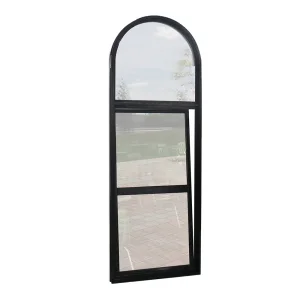
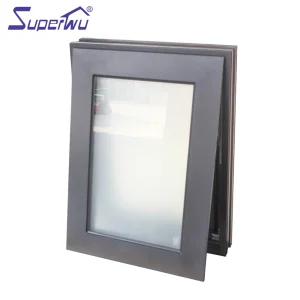
Top Arch Casement Windows
Superhouse New Design Top Arch Casement Aluminium Profile Tilt Turn Windows High Security Impact Glass Double Glazing
View Product Specs
Chain Winder Awning Window
New Arrival Thermal Break AS2047 Window Australia Standard Aluminium Chain Winder Awning Window for Hotel
View Product Specs
Hurricane Impact Insulated Windows Doors
US South Carolina popular hurricane impact insulated windows and doors for villa house & apartment with NOA FL certificates
View Product Specs
Custom Curved Glass French Arched Windows
Superhouse Custom Curved Glass French Vintage Arched Windows Minimalist Arched Windows Aluminum Casement Window
View Product Specs
Florida Certified Hurricane Proof Awning Window
Florida Certified Hurricane Proof Awning Window Black Frame Laminated Insulated Glass Bullet Proof for Kitchen Bathroom
View Product Specs
Hurricane Impact Aluminium Bifold Door
Hurricane Impact Aluminium Accordion Bifolding Doors Fold Door Tempered Glass Folding Door Can Be Casement Open
View Product Specs
Hidden Frame Curtain Wall
Overhead Crane-operated Extra-large Thermal Break Aluminum Alloy HT Insulated Glass Hidden Frame Curtain Wall
View Product Specs
Hurricane Impact Patio Sliding Glass Door
Hurricane Impact Sliding Glass Door Impact Resistant Aluminum Patio Sliding Door Double Glazed Laminated Glass Custom Size
View Product Specs