Engineering High-Performance Architectural Envelope Systems: Advanced Metallurgy, Fluoropolymer Coatings, and Thermal Insulation Solutions for Global High-Corrosion and Hurricane Regions.
Rigorously tested for coastal salinity, high-wind pressure, and thermal efficiency. Certified under AS2047, NFRC, Title 24, and CodeMark standards.
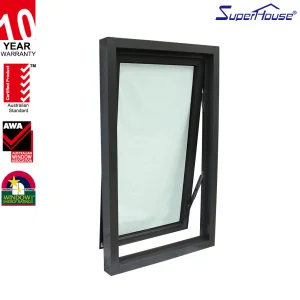
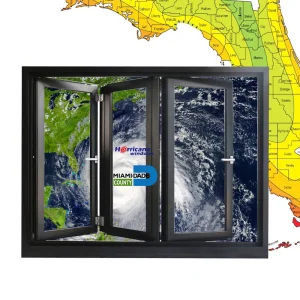
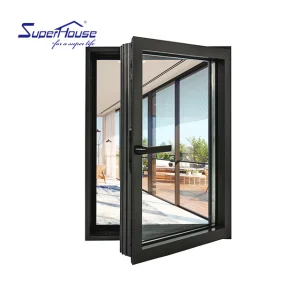
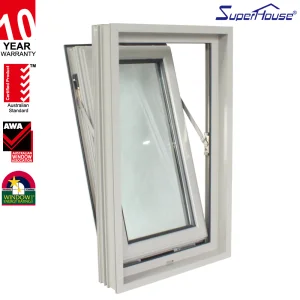
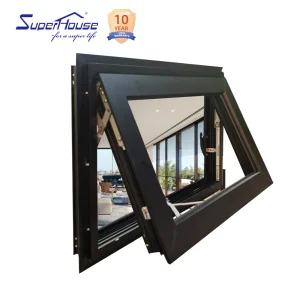
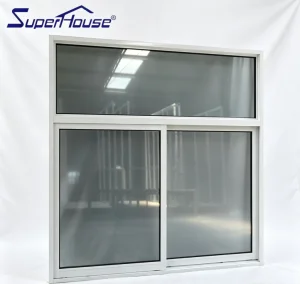
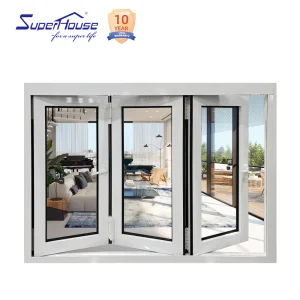
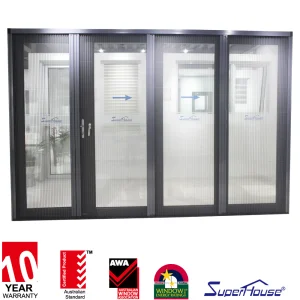
In modern architectural engineering, structural envelopes are increasingly subjected to severe environmental aggressors. Atmospheric corrosion—driven by airborne sea-salts (chloride ions), sulfur dioxide in industrial zones, ultra-violet degradation, and moisture ingress—demands far more than standard commercial-grade aluminum alloys. To survive decades without aesthetic pitting, structural compromise, or oxide filiform expansion, high-end fenestration engineering has shifted toward advanced metallurgical formulation and specialized surface conversion processes.
Standard architectural extrusions traditionally rely on 6063-T5 aluminum due to its ease of extrusion. However, for maximum structural resistance against dynamic load pressures and high-salinity marine air, leading Chinese manufacturers utilize high-grade 6063-T6 and 6005A-T6 structural alloys combined with precise heat treatment. Chromium-free chemical pretreatment, followed by fluoropolymer (PVDF) electro-coating or Grade 25 anodization (Qualanod certified), establishes an impenetrable passive protective barrier.
70% PVDF resin coatings engineered to withstand over 3,000 hours of continuous salt spray testing under ASTM B117 standards without blistering, chalking, or color fading.
Reinforced polyamide 66 with 25% glass fiber thermal break strips preventing galvanic corrosion between inner and outer aluminum frames while optimizing U-values.
SUS316 stainless steel components, multi-point locking mechanisms, and EPDM continuous gasketing systems built to eliminate crevice corrosion.
Technical Benchmark: According to ASTM B117 salt fog exposure protocols, standard architectural powder coatings degrade within 500-1,000 hours. Luxfront's corrosion-resistant aluminum profiles utilize hyper-durable fluoropolymer formulas achieving zero surface perforation past 3,000+ test hours.
Global property developers, design-build agencies, and commercial contractors across North America, Western Europe, and Australia face mounting supply chain costs coupled with strict regional building energy codes (such as California Title 24, Australian AS2047, and European CE standards). Buying high-performance fenestration directly from tier-1 Chinese manufacturers has transitioned from a pure cost-reduction tactic to a strategic imperative for procuring precision engineering at scale.
Procurement teams require total visibility into material origins, manufacturing repeatable accuracy, dynamic wind-load structural certifications, and strict compliance with local hurricane impact standards. China's advanced manufacturing infrastructure bridges this gap by merging cost efficiency with automated Industry 4.0 production lines, guaranteeing structural stability under dynamic air pressures exceeding DP100 ratings.
Founded in 2007, Luxfront Architectural Doors Ltd. is a modern high-end door enterprise utilizing a 26,000 m² production facility. Backed by 17 years of technical manufacturing heritage and 7 years of international trade operations, the firm achieves $21 million in annual export revenue. Luxfront caters predominantly to North America, Western Europe, and Australia, serving boutique housing developers, luxury home builders, and architectural design agencies.
Working alongside 720 specialized raw material supply partners, quality assurance remains central to operations. A dedicated team of 32 QA inspectors oversees full-process sampling, CMM dimensional measurements, and weather-seal performance evaluations. Driven by market-leading architectural innovation, Luxfront's 45 R&D engineers released 110 original door designs last season. Complete custom options are available, covering large-format pivot door structures, concealed hinges, integrated LED ambient lighting, and premium wood-veneer aluminum finishes.
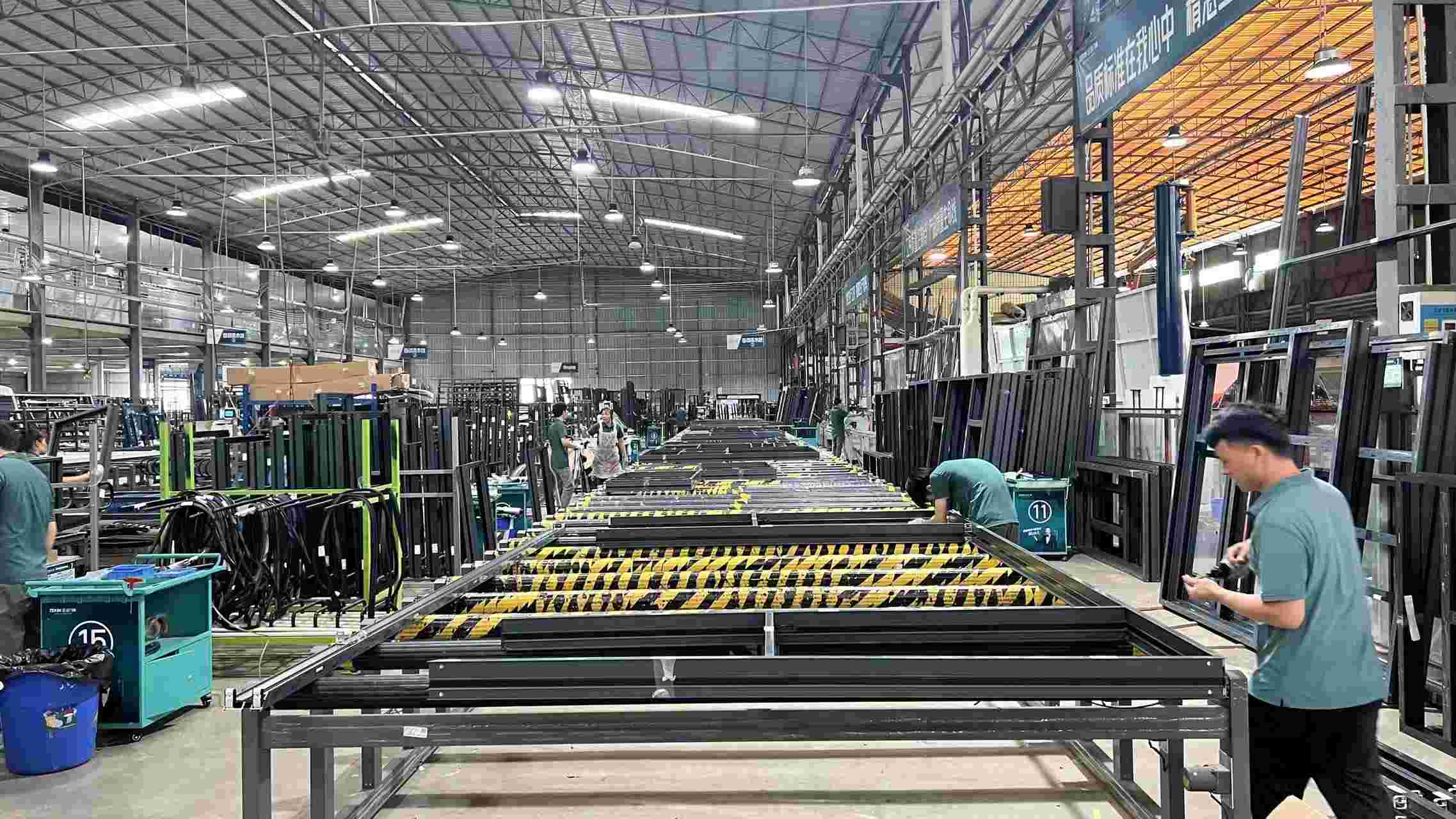
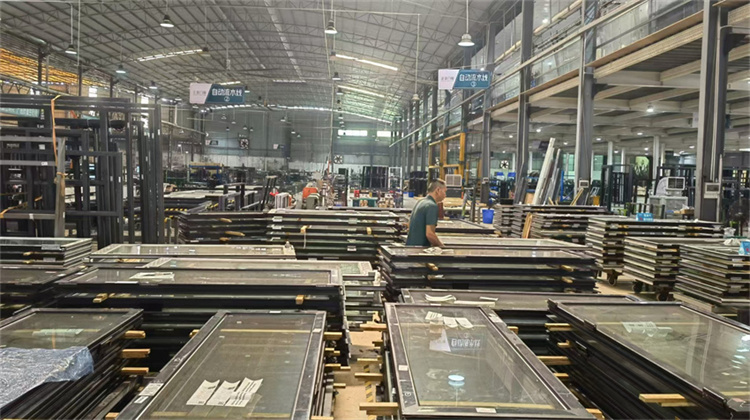
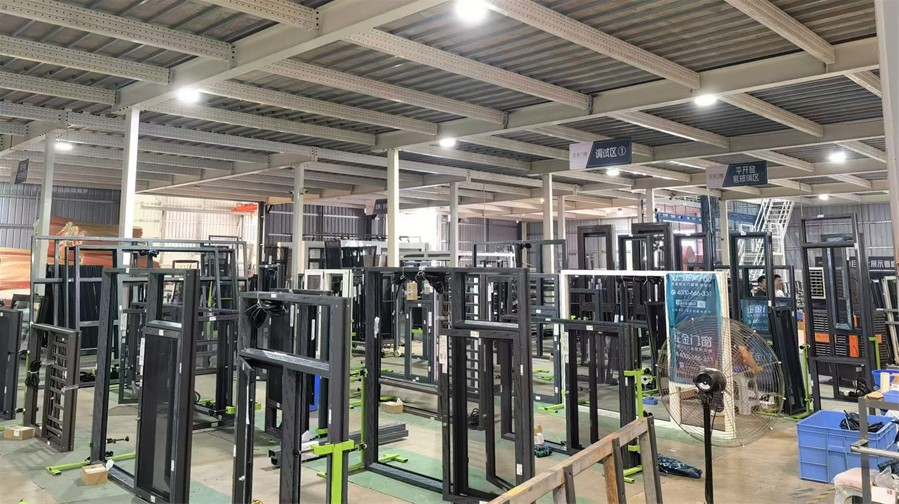
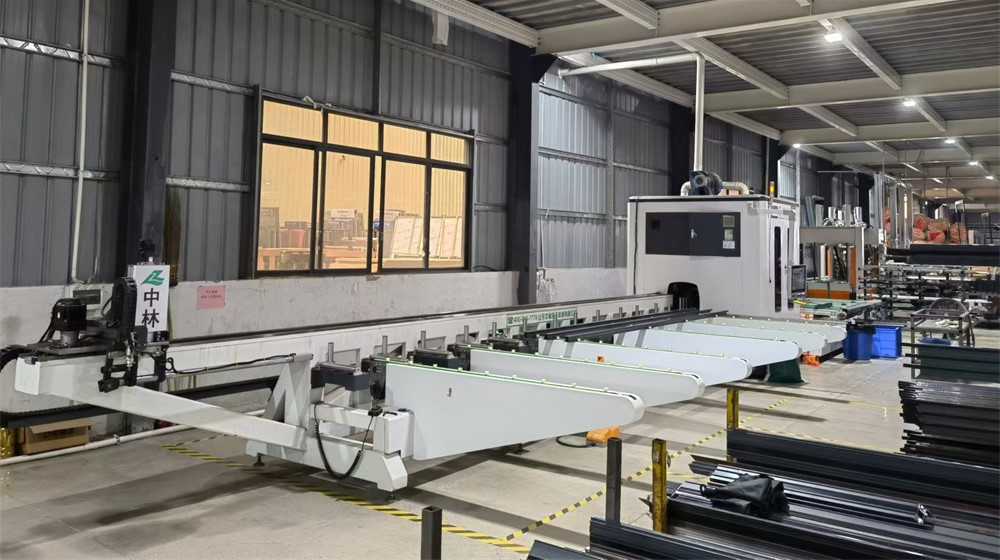
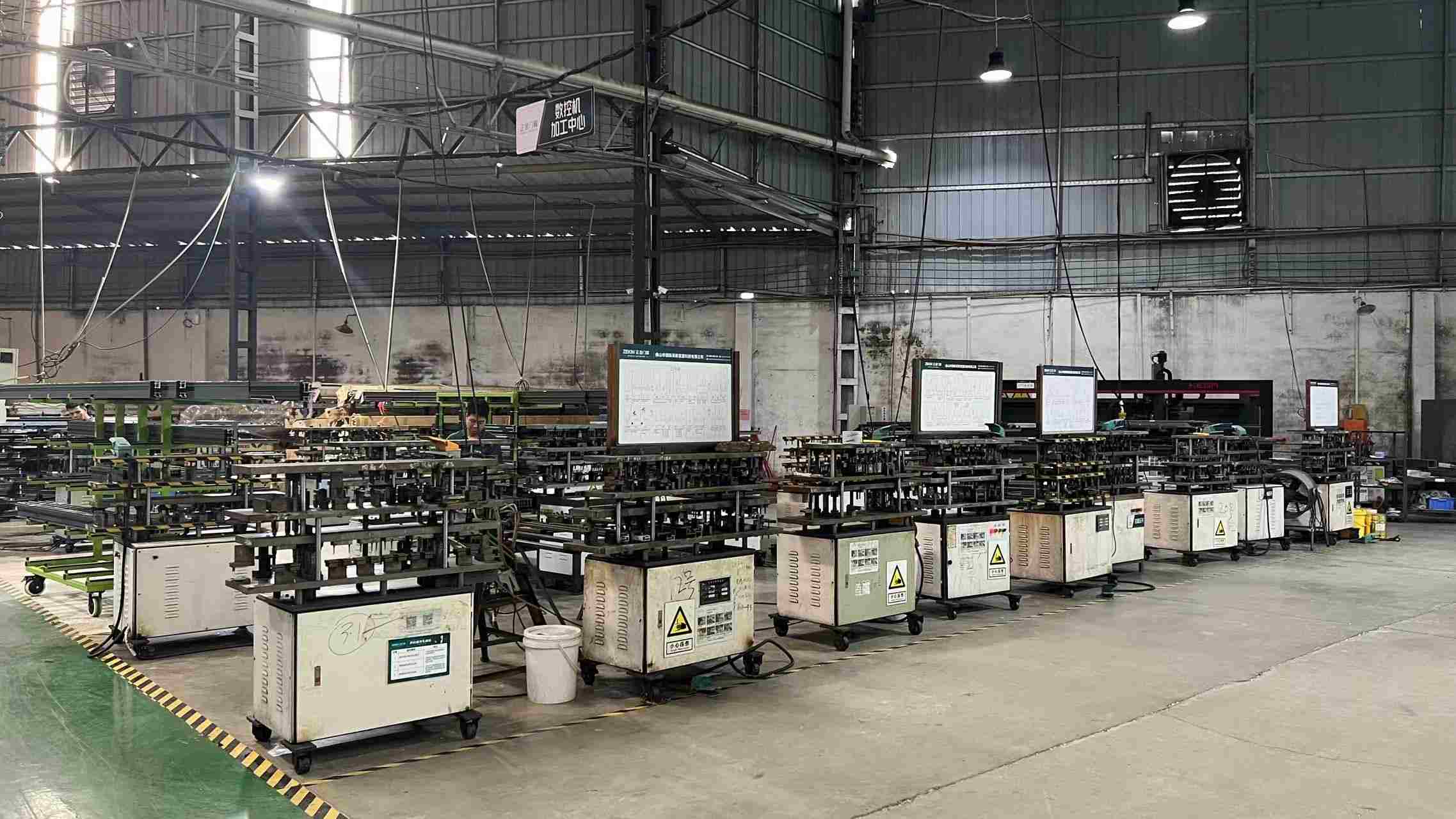
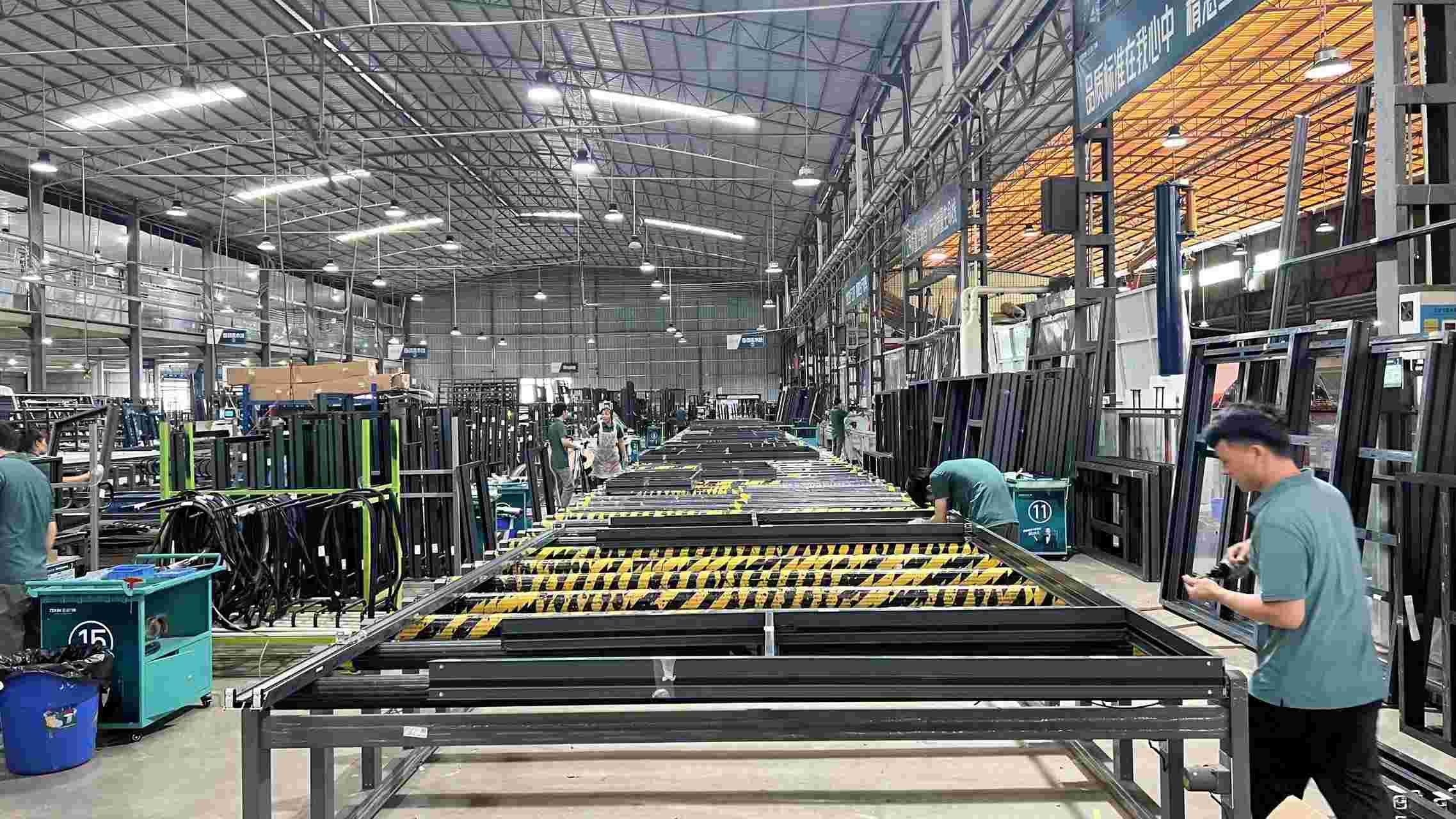
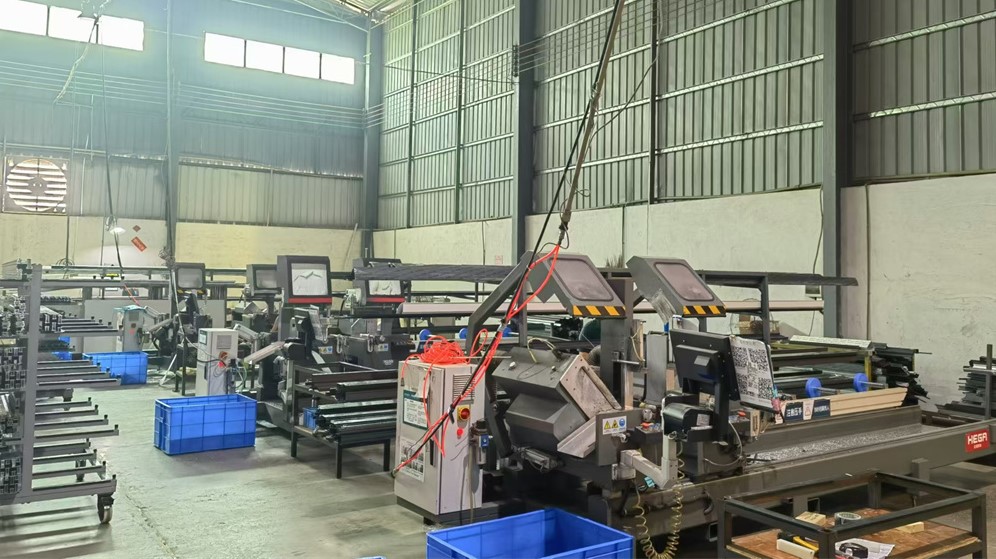
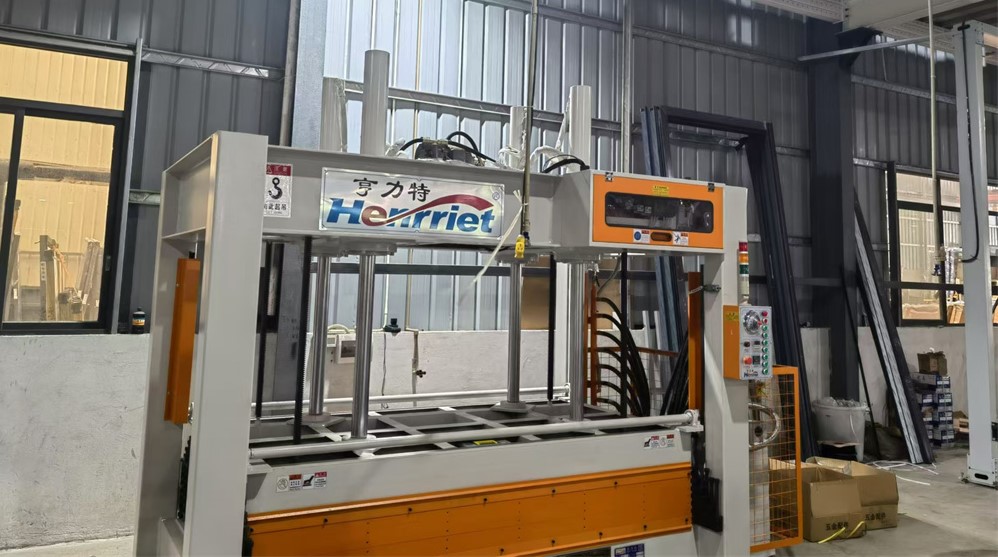
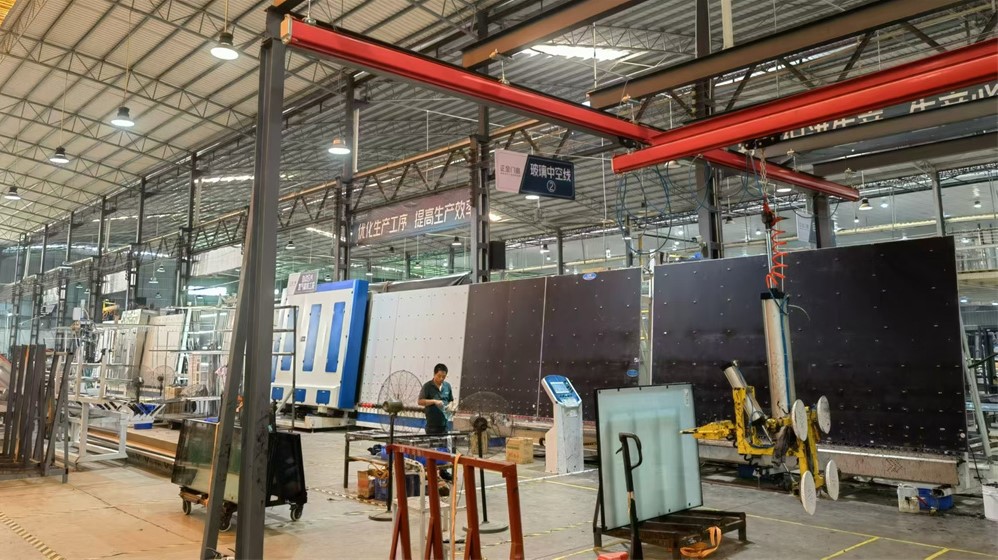
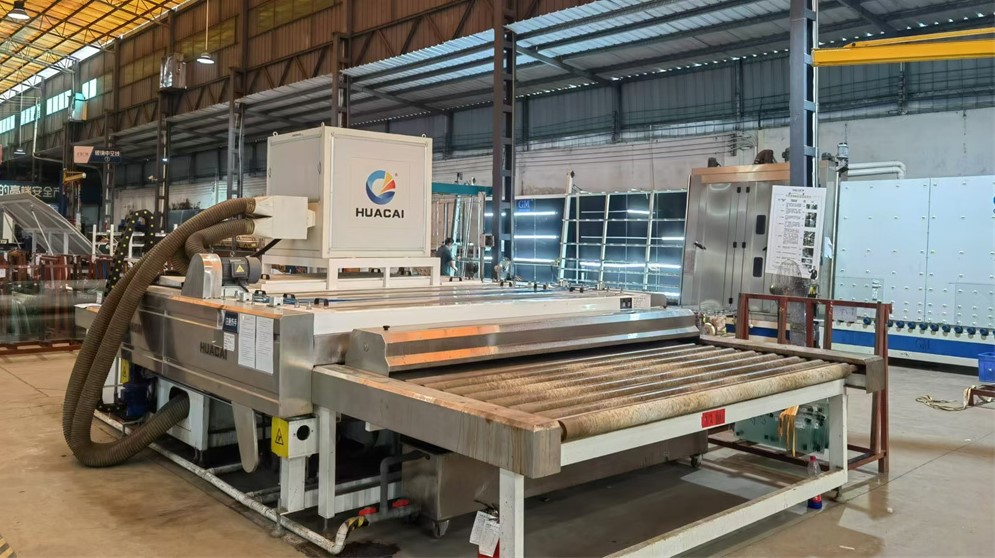
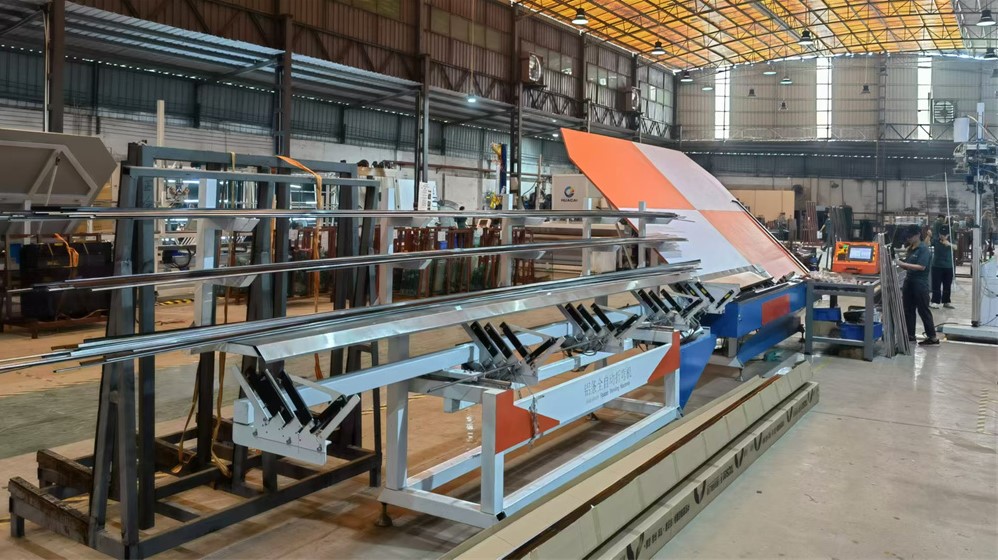
Achieving long-term corrosion protection and seamless structural assembly demands absolute operational rigor across every step of production. Luxfront integrates an end-to-end digital tracking production matrix, from raw billet alloy inspection to multi-stage corner crimping, automated perimeter gluing, and environmental chamber testing.
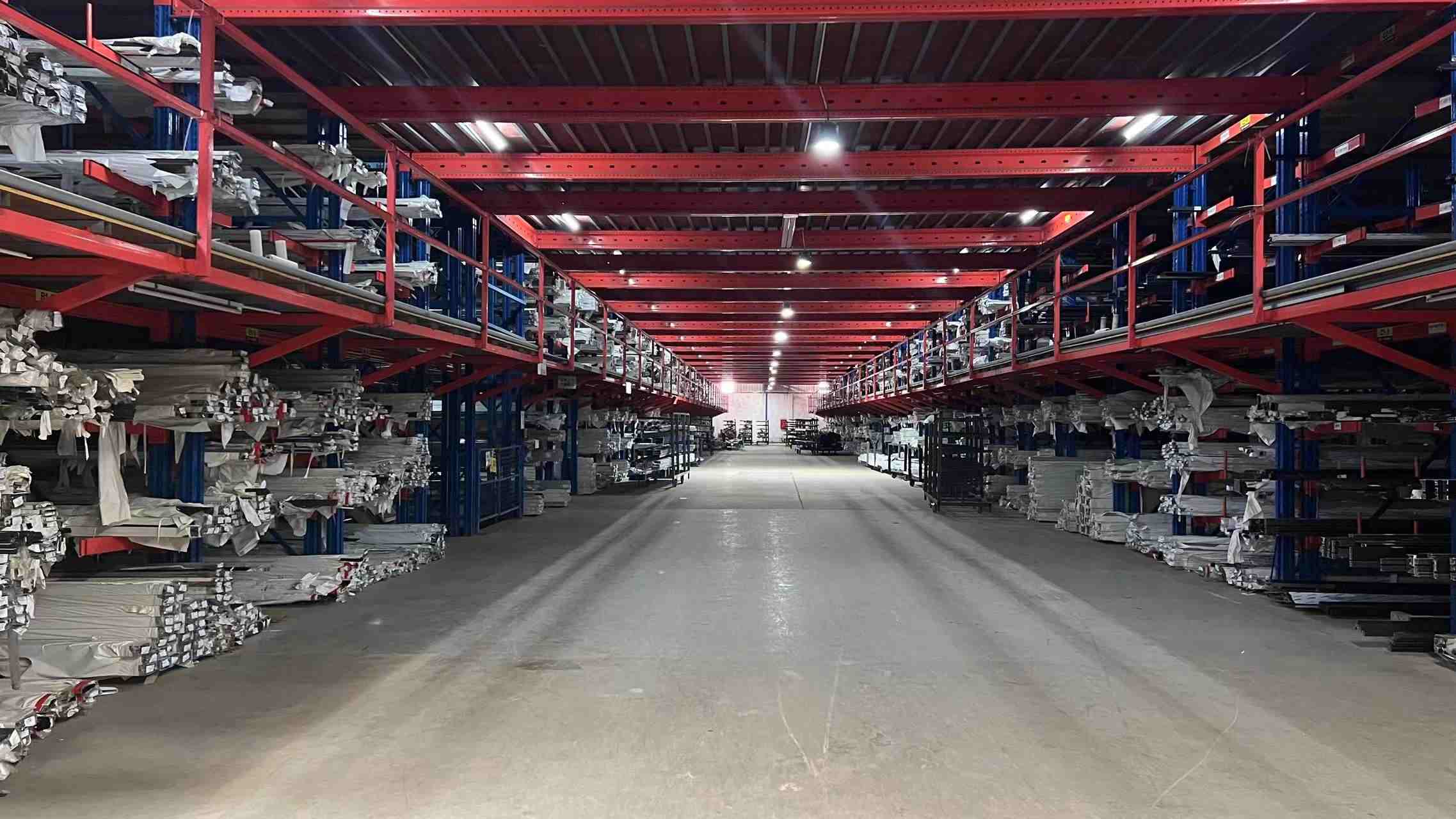
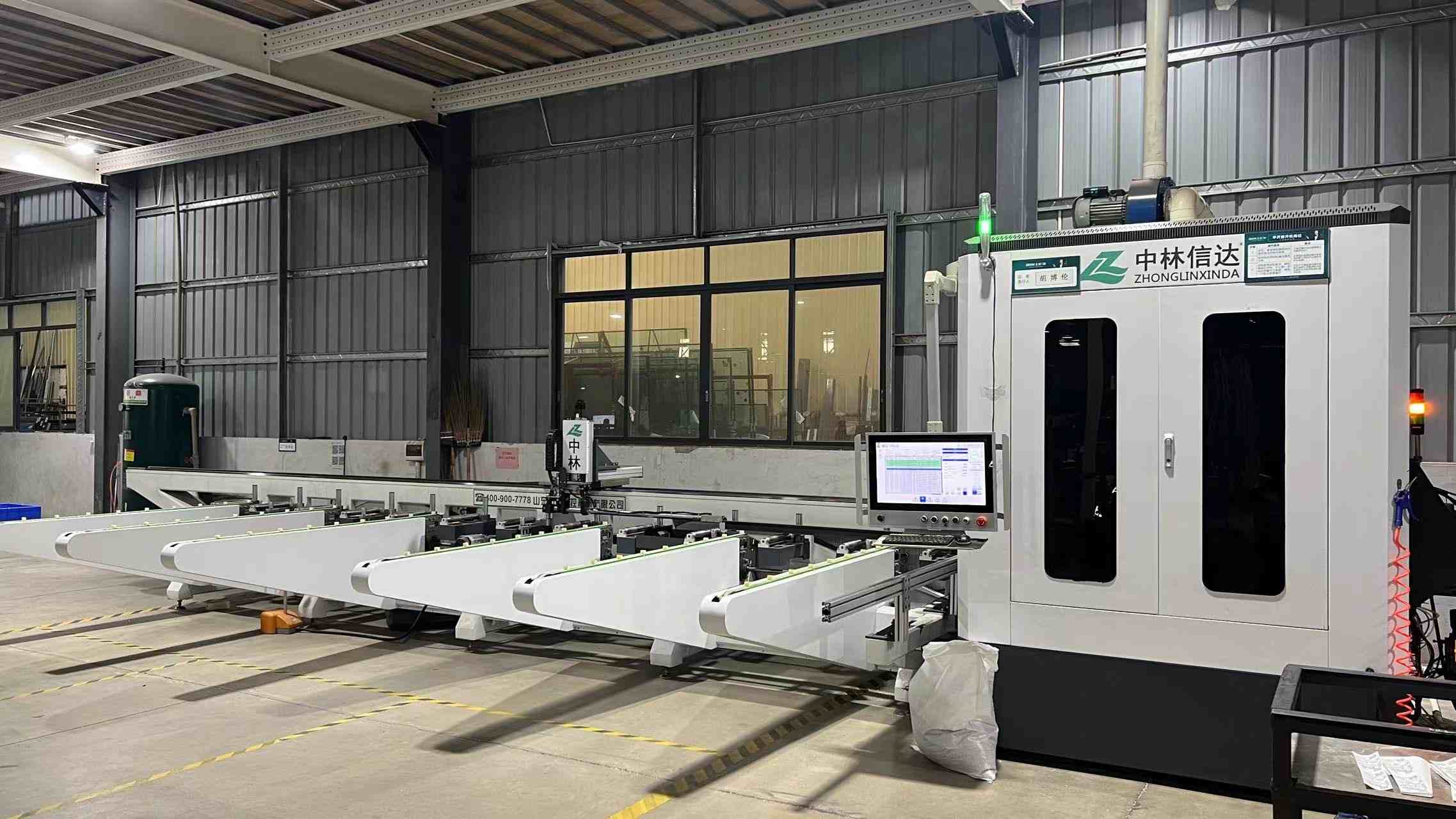
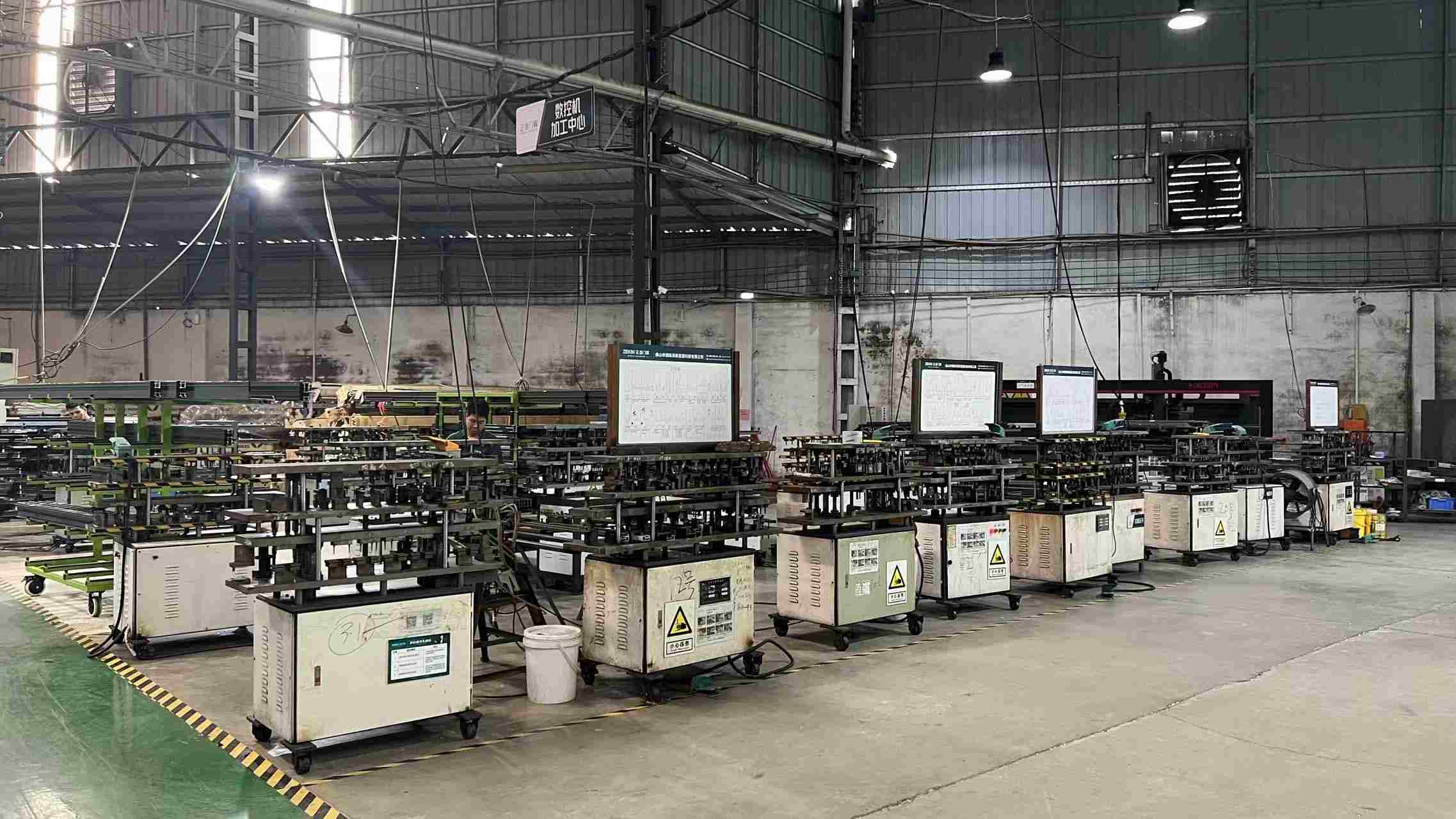
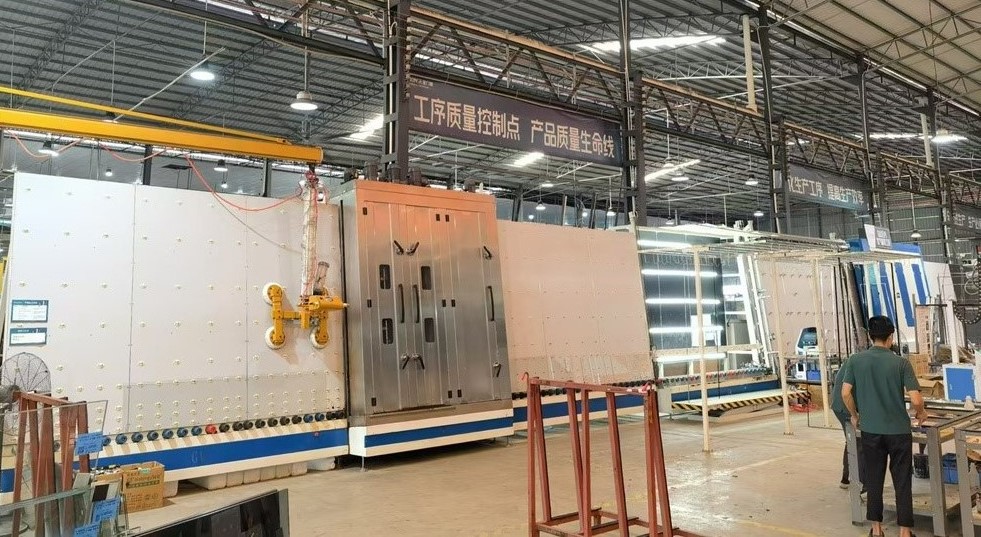
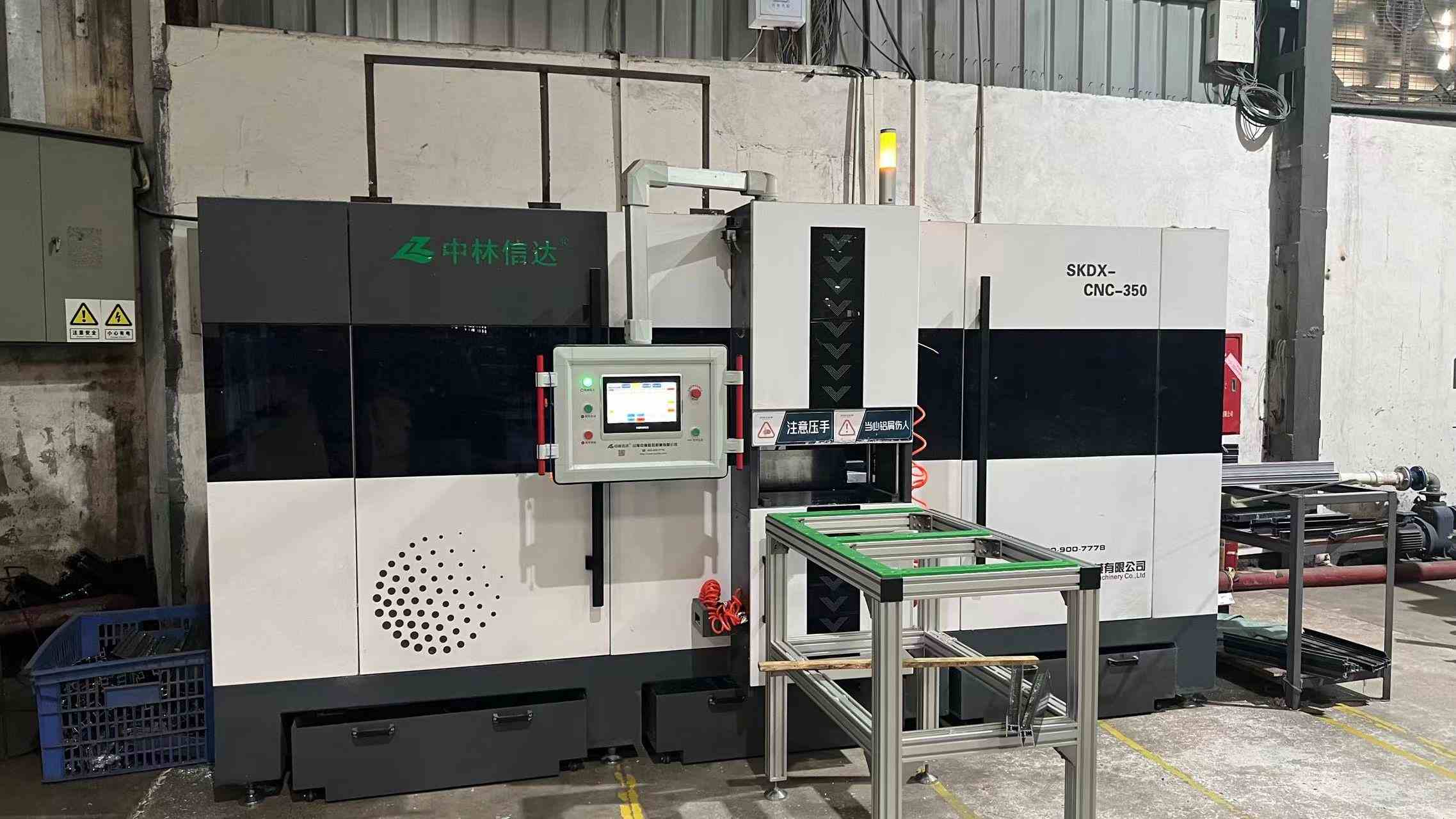
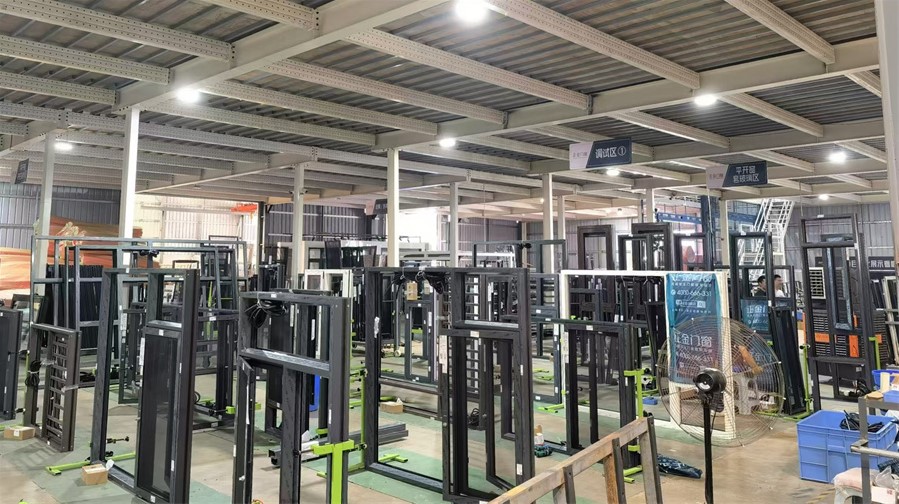
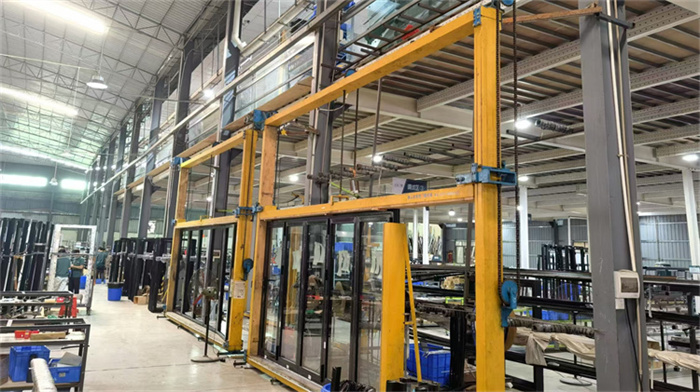
Below is a detailed engineering parameter comparison comparing Luxfront's marine-grade corrosion-resistant aluminum assemblies against standard architectural aluminum doors:
| Technical Parameter | Standard Commercial Aluminum Door | Luxfront Marine-Grade System | Engineering Standard / Test Method |
|---|---|---|---|
| Alloy Base & Temper | 6063-T5 Standard Recycled Grade | 6063-T6 / 6005A-T6 Primary Billet | ASTM B221 / GB 5237 |
| Surface Protection Finish | Standard Powder Coating (40-60µm) | Fluoropolymer PVDF (70% resin, >80µm) / Grade 25 Anodized | AAMA 2605 / Qualanod ISO 7599 |
| Salt Fog Corrosion Resistance | < 1,000 Hours (ASTM B117) | > 3,000 Hours Continuous (Zero Blistering) | ASTM B117 Neutral Salt Spray Test |
| Thermal Insulation (U-Value) | 2.8 - 3.5 W/m²K (Unbroken or basic strip) | 1.0 - 1.6 W/m²K (PA66 GF25 Thermal Break) | NFRC 100/200 / ISO 10077 |
| Water Penetration Resistance | 300 Pa - 450 Pa | 700 Pa - 1050 Pa (High Pressure EPDM Gasket) | AS4420 / ASTM E331 |
| Wind Load Resistance | Serviceability 2000 Pa (DP40) | Serviceability 5000+ Pa (DP100 Hurricane Rating) | AS2047 / ASTM E330 / FBC Impact |
| Hardware Salt Spray Resistance | SUS201 / Zinc Alloy (240 hrs) | SUS316 / German Multi-point Lock (>1000 hrs) | EN 1670 Class 5 High Corrosion |
Different climatic conditions demand specialized architectural door configurations. Luxfront’s corrosion-resistant aluminum fenestration systems are engineered for diverse high-stress environments worldwide:
High ocean salt fog accelerates standard oxide layer breakdown. Luxfront PVDF bi-fold and sliding systems prevent pitting, guaranteeing ultra-smooth rail motion and structural stability under high wind pressures.
Commercial generator rooms, machine enclosures, and chemical plants require continuous heat dissipation and humidity control. Specialized louver hinged doors prevent moisture build-up while keeping rust at bay.
In sub-zero winter regions or high-heat desert environments, PA66 thermal breaks eliminate interior condensation, prevent frame warping, and maintain building thermal efficiency year-round.
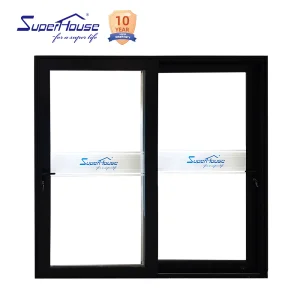
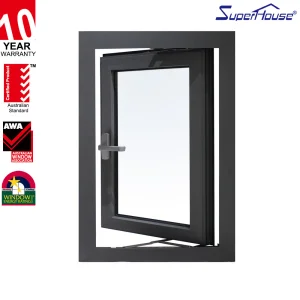
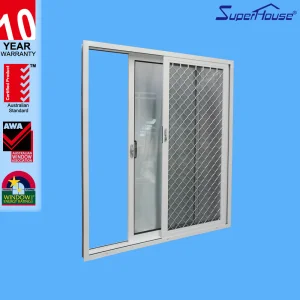
Explore our broader range of certified sliding, fixed, tilt-turn, and specialized ventilation door & window assemblies.
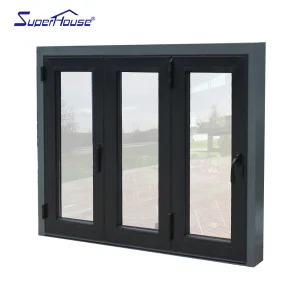
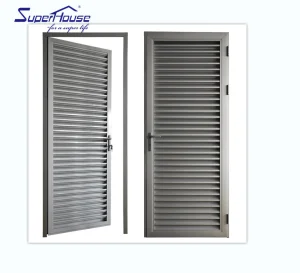
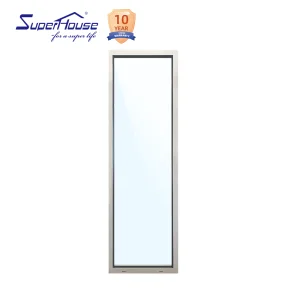
Comprehensive engineering insights regarding metallurgy, certifications, customization, and global procurement options.
Corrosion resistance is achieved through a multi-tiered engineering approach: utilizing virgin 6063-T6 or 6005A-T6 alloy, applying a pre-treatment chromate/zirconium layer, coating the surface with high-performance Fluoropolymer PVDF paint (AAMA 2605 compliant) or anodizing to Grade 25, and assembling with non-reactive 316 stainless steel hardware and isolators to prevent galvanic corrosion.
Luxfront subjects all window and door series to physical laboratory testing by accredited third-party inspection bodies. Our products feature NFRC label ratings for thermal transmittance (U-factor) and Solar Heat Gain Coefficient (SHGC), pass Australian AS2047 deflection and water head pressure tests, and meet California Title 24 energy standards.
Standard architectural powder coating (AAMA 2603/2604) uses polyester resins that degrade after 500-1,000 hours of salt spray exposure. AAMA 2605 PVDF (Polyvinylidene Fluoride) utilizes 70% fluoropolymer resins, providing extreme resistance to UV chalking, chemical degradation, and over 3,000 hours of salt spray exposure without degradation.
Yes. Supported by 45 specialized R&D engineers, Luxfront offers complete custom solutions, including heavy-duty oversized pivot doors, concealed dynamic hinges, integrated LED smart lighting tracks, multi-panel bi-fold accordion systems, and real wood-veneer aluminum composite finishes.
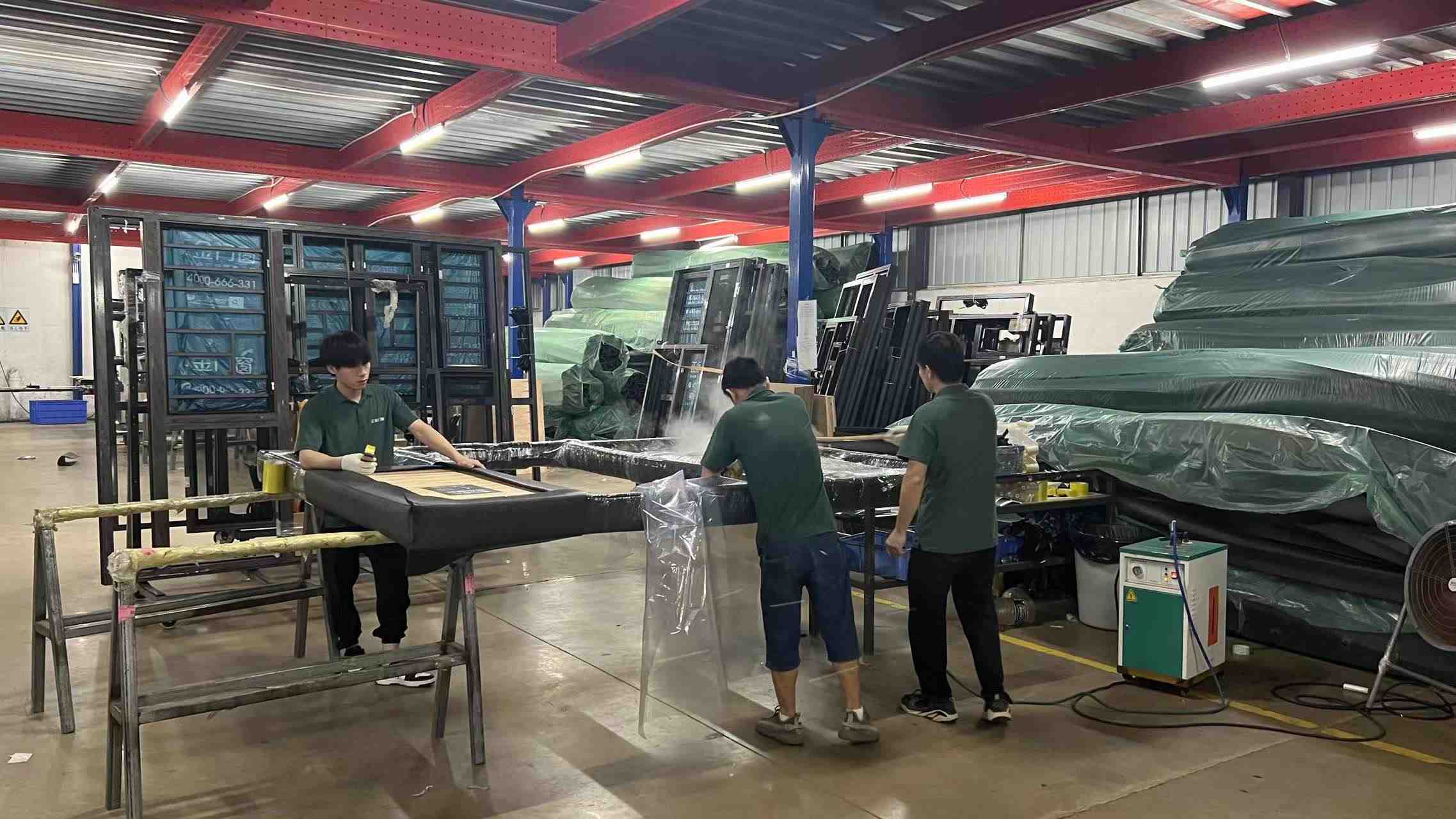
Every door frame and glass panel undergoes a multi-layer protective packaging process: protective film wrapping, EPE foam corner protectors, vacuum-sealed plastic barrier bags, and fully enclosed IPPC-certified fumigated wooden crates designed for forklift handling and ocean container transport.
 Luxfront