Engineered for extreme thermal insulation, Florida Miami-Dade hurricane impact resistance, and passive energy conservation.
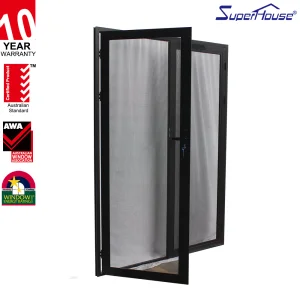
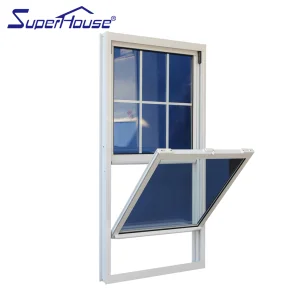
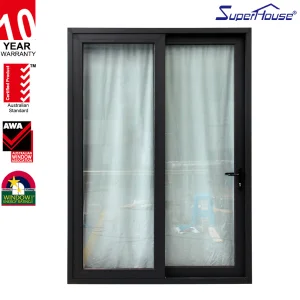
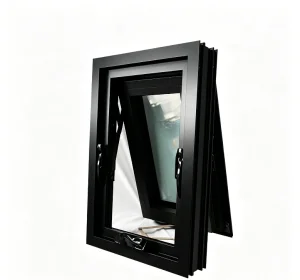
Bridging Chinese advanced industrial manufacturing with international energy efficiency mandates.
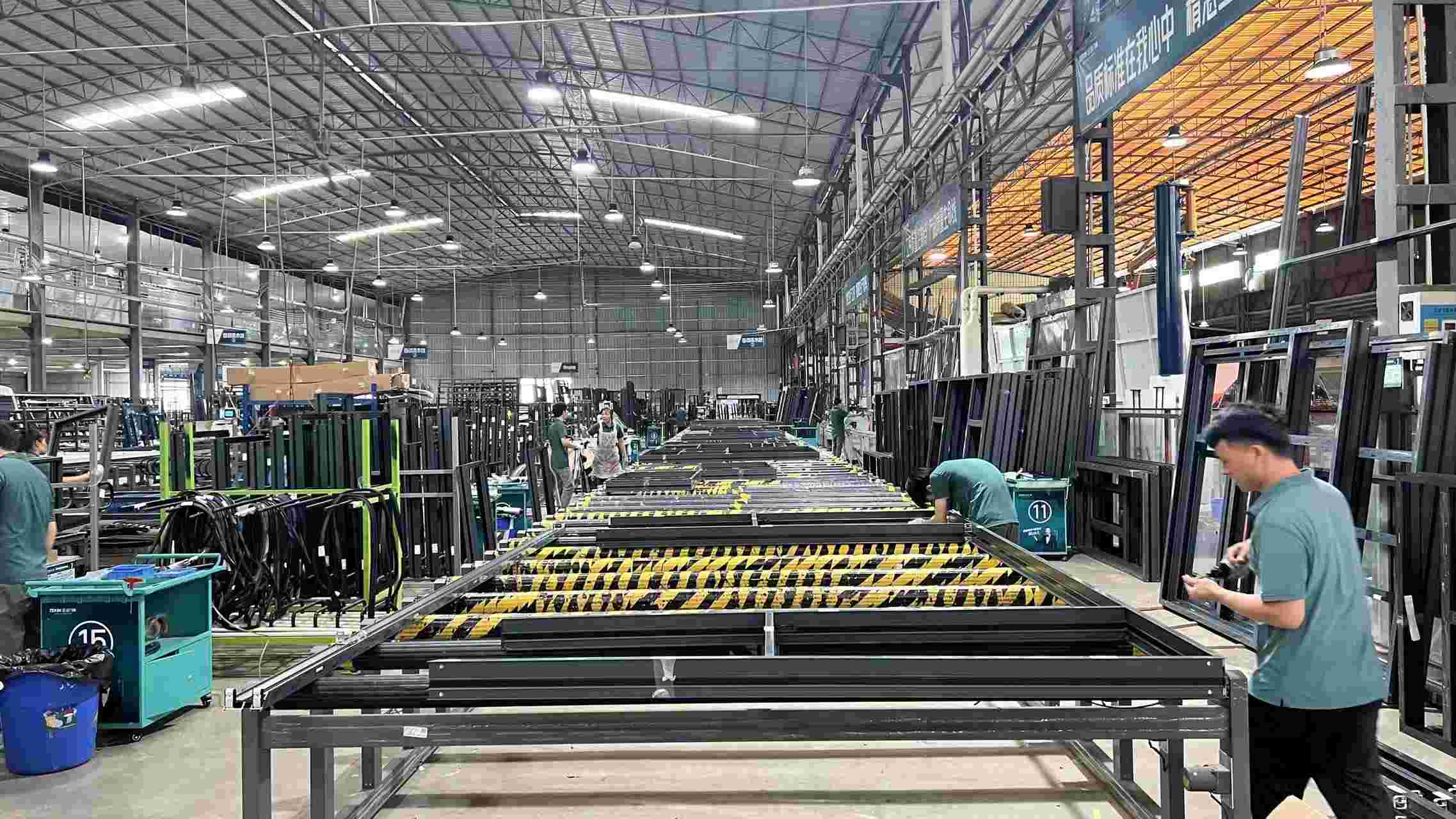
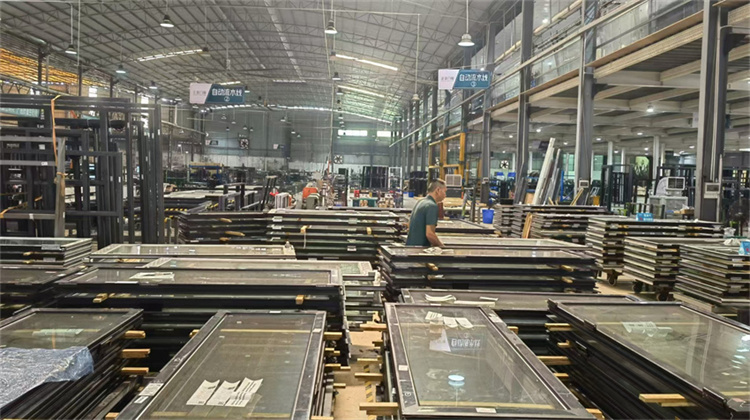
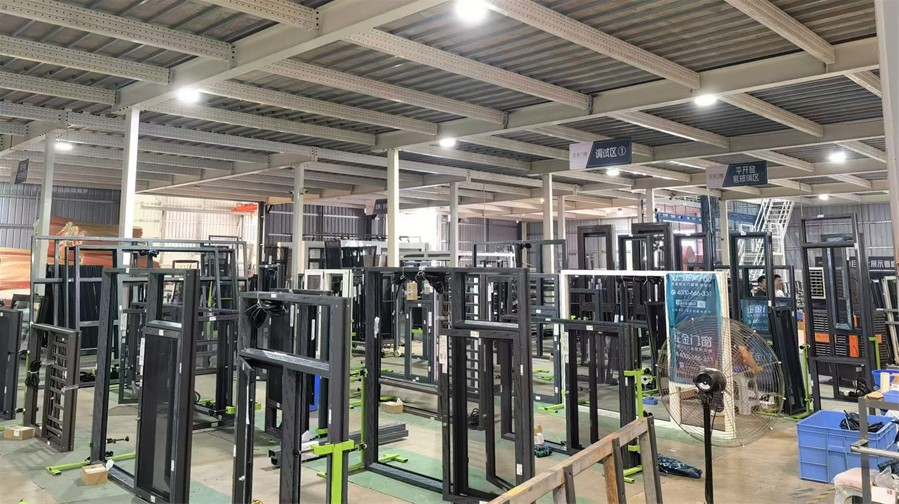
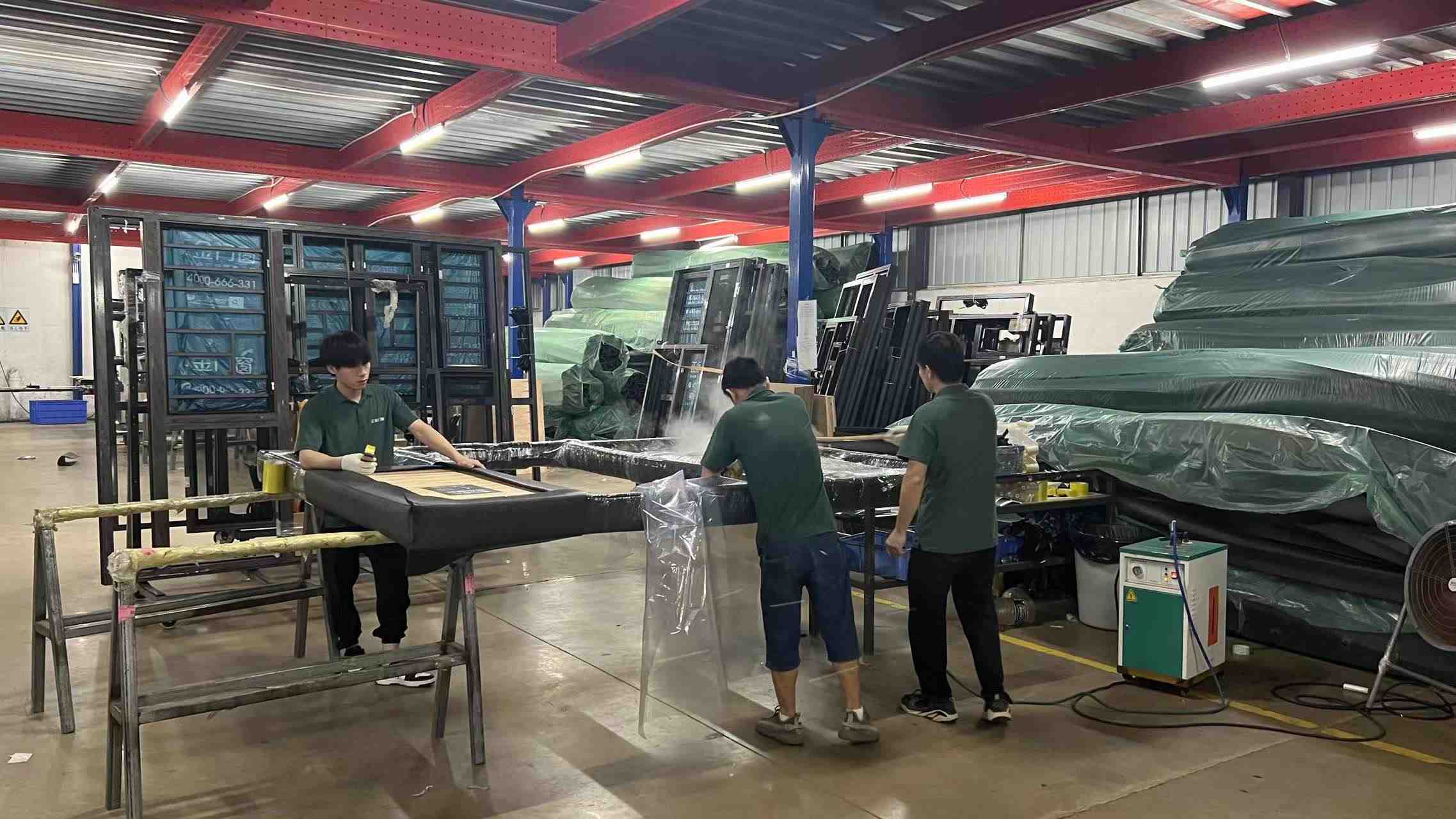
Founded in 2007, Luxfront Architectural Doors Ltd. is a modern high-end door enterprise utilizing a 26,000 m² production facility. Backed by 17 years of technical manufacturing heritage and 7 years of international trade operations, the firm achieves $21 million in annual export revenue. Luxfront caters predominantly to North America, Western Europe, and Australia, serving boutique housing developers, luxury home builders, and architectural design agencies.
Working alongside 720 specialized raw material supply partners, quality assurance remains central to operations. A dedicated team of 32 QA inspectors oversees full-process sampling, CMM dimensional measurements, and weather-seal performance evaluations. Driven by market-leading architectural innovation, Luxfront's 45 R&D engineers released 110 original door designs last season. Complete custom options are available, covering large-format pivot door structures, concealed hinges, integrated LED ambient lighting, and premium wood-veneer aluminum finishes.
Quantifying thermal envelope performance in carbon-neutral building design.
The global building envelope market is experiencing a structural paradigm shift. According to recent reports by the International Energy Agency (IEA), operational energy use in buildings accounts for nearly 30% of global final energy consumption. Fenestration systems—specifically exterior entry doors, curtain walls, and window systems—represent up to 35% of total building envelope conductive heat gain and loss. As a result, commercial developers and municipal building regulators are enforcing stringent thermal performance parameters to combat energy waste.
Regulatory frameworks such as the EU's Energy Performance of Buildings Directive (EPBD) and North America's Energy Star 7.0 standards now require entry doors to demonstrate U-factors lower than 0.85 W/m²K (0.15 Btu/h·ft²·°F).
The global energy-efficient doors market is projected to reach $142.8 Billion by 2030, growing at a CAGR of 6.8%. Demand is driven primarily by retrofit projects in North America and new low-carbon commercial developments in Asia-Pacific.
China has evolved into the world hub for high-precision thermal break aluminum extrusions, offering supply chain integration, automated multi-cavity polyamides, and advanced CMM quality control at competitive price points.
Key Industry Takeaway: Energy efficiency in entry doors is no longer a marketing luxury—it is a core engineering requirement. Modern specifications require holistic thermal modeling covering profile design, gas fill concentration, low-E glazing systems, and multi-point perimeter sealing.
Emerging innovations reshaping entry door manufacturing, structural performance, and smart building integration.
Traditional aluminum profiles suffered from high thermal conductivity. Contemporary designs utilize PA66-GF25 (25% Glass Fiber Reinforced Polyamide) multi-chamber thermal break struts, effectively severing thermal bridges between exterior and interior metal surfaces.
Replacing traditional double glazing, triple-pane insulated units with Low-Emissivity (Low-E) coatings and Argon/Krypton gas infills drastically lower Solar Heat Gain Coefficients (SHGC) while retaining High Light Transmittance (VT).
Integration of motorized multi-point locks, concealed drop-down bottom seals, and biometric access without compromising air tightness (Air Leakage rates < 0.1 cfm/ft² under NFRC testing standards).
Tailoring fenestration parameters to extreme climatic environments and regional building codes.
| Target Region | Climatic Challenge | Primary Technical Standard | Luxfront Engineering Solution |
|---|---|---|---|
| North America (Coastal / South) | Hurricanes, High Humidity, Intense Solar Radiation | Miami-Dade NOA, Florida Building Code (FBC), NFRC | Laminated impact glass, heavy-duty thermal break profile, low SHGC (<0.25), multi-lock mechanism. |
| North America (Northern / Canada) | Extreme Cold, Freeze-Thaw Cycles, Heat Loss | Energy Star Zone 5-7, AAMA 101/I.S.2/A440 | Triple-pane Argon filled glass (U-Factor < 0.18), PA66 thermal barrier, quad-seal EPDM gaskets. |
| European Union | Strict Carbon Neutrality, Heat Retention | Passive House (PHI Standard), EN 14351-1, CE | Continuous thermal insulation, Aerogel infill core, concealed pivot hinges, low U-value profile (<0.8 W/m²K). |
| Australia & Oceania | High UV, Bushfire Risks, Strong Coastal Winds | AS2047, AS3959 (BAL Rating), NATA Certified | Anodized coastal finish (25 micron), BAL-40 flame-resistant seal, structural silicone structural glazing. |
| Middle East (GCC Region) | Extreme Ambient Temperatures (>50°C), Sandstorms | SASO, Gulf Building Code (GBC) | Double Low-E reflective coating, dust-proof weatherstripping, thermal break separation, thermal stress resistant glass. |
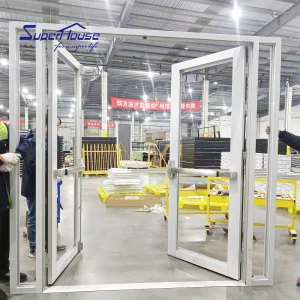
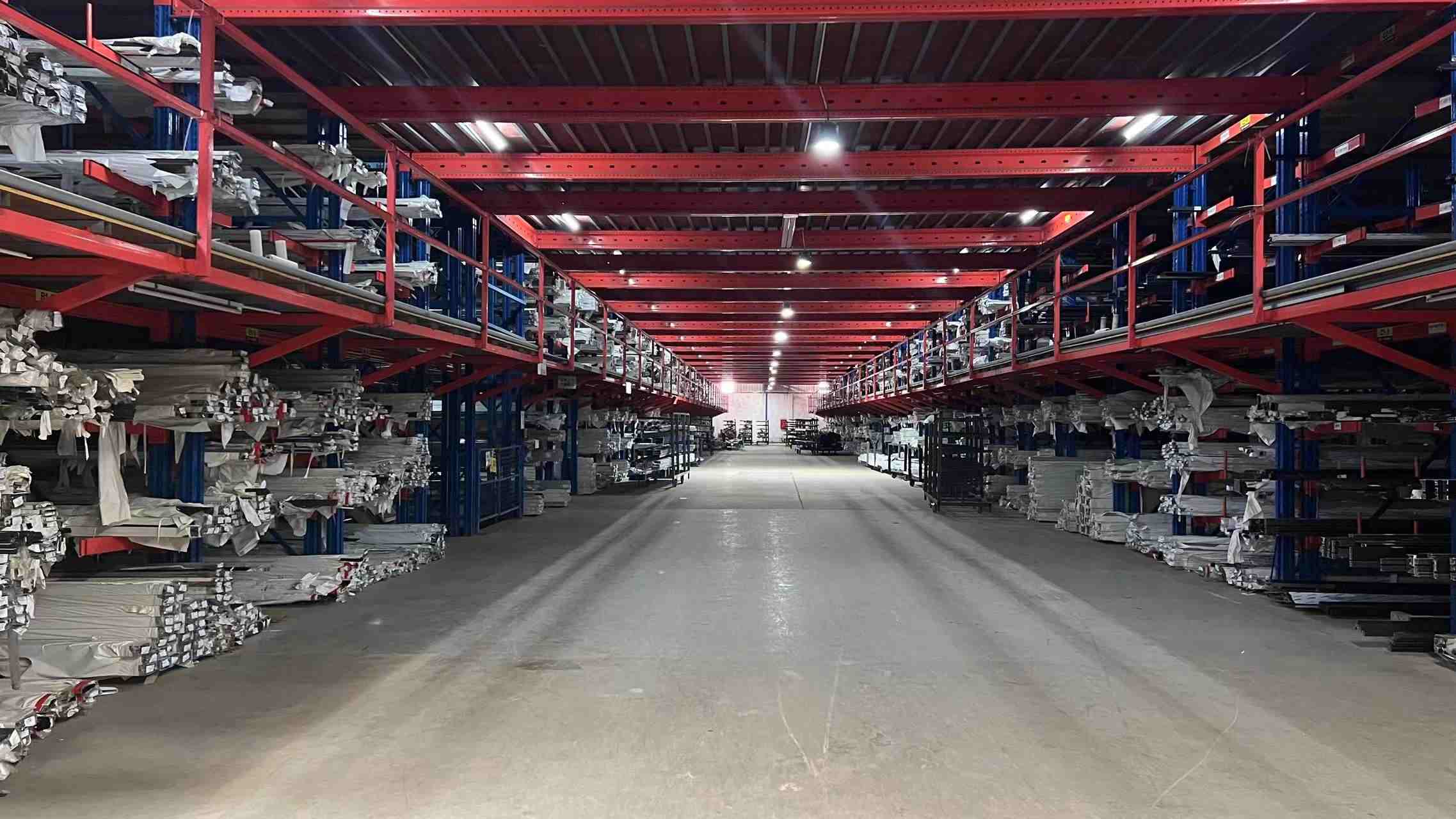
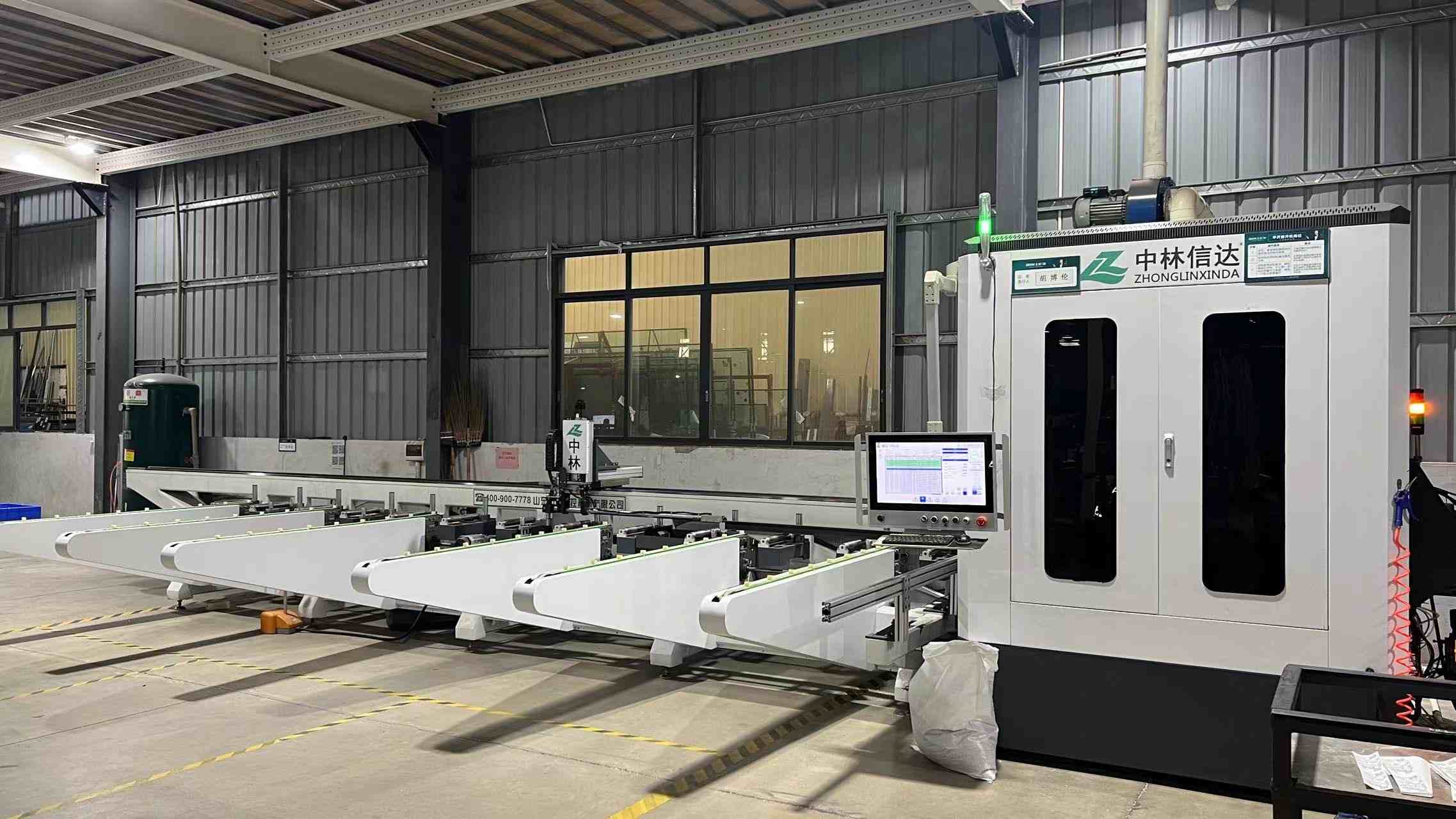
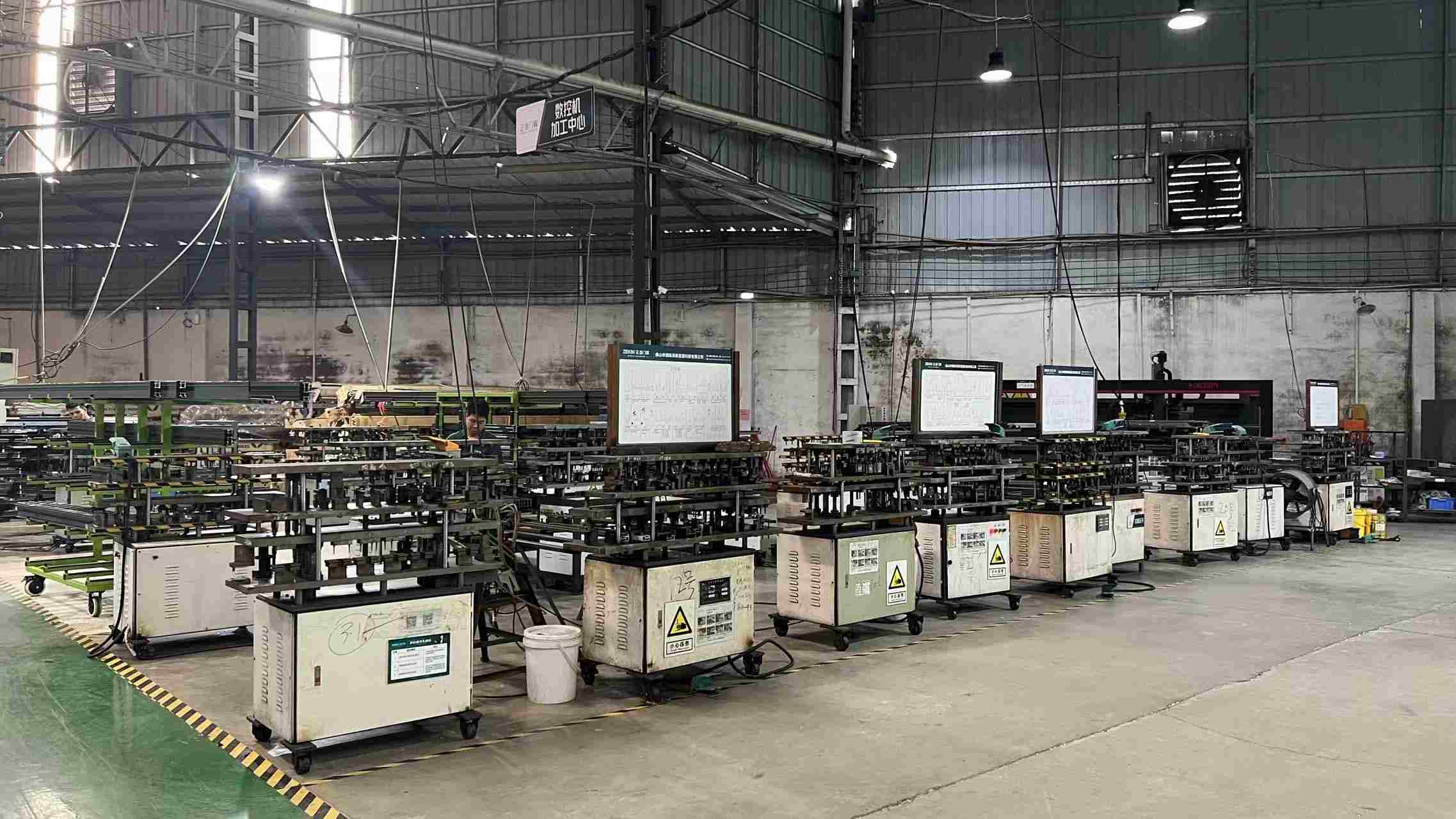
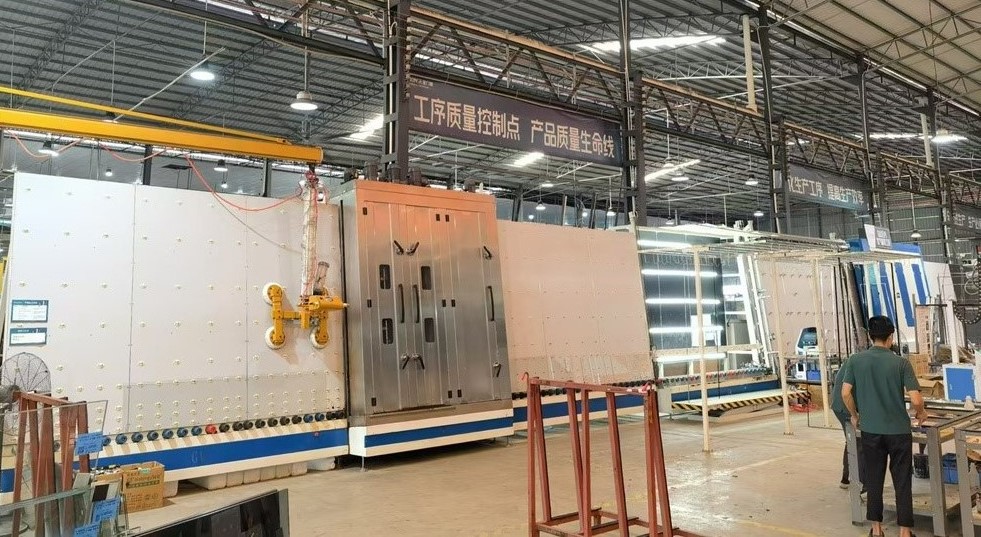
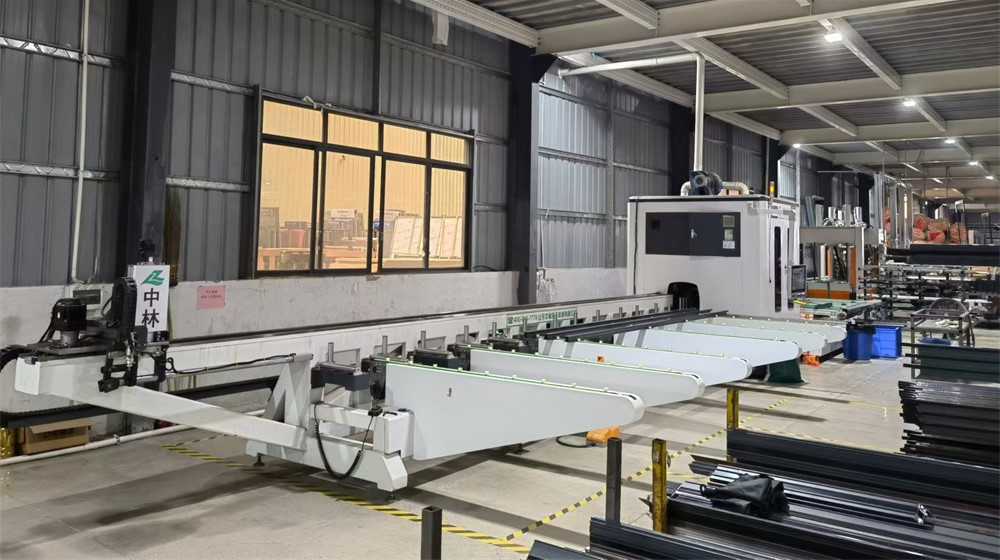
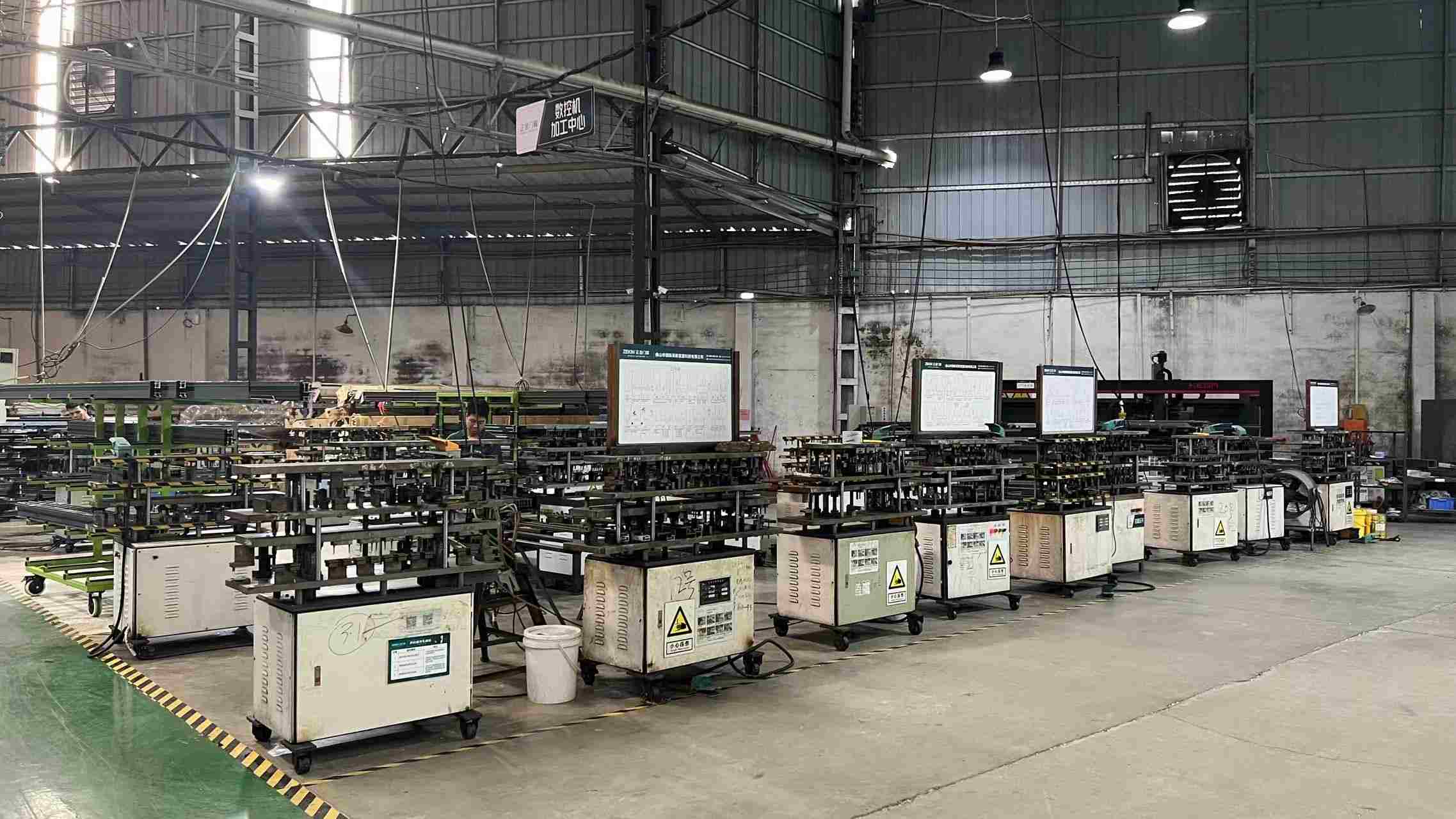
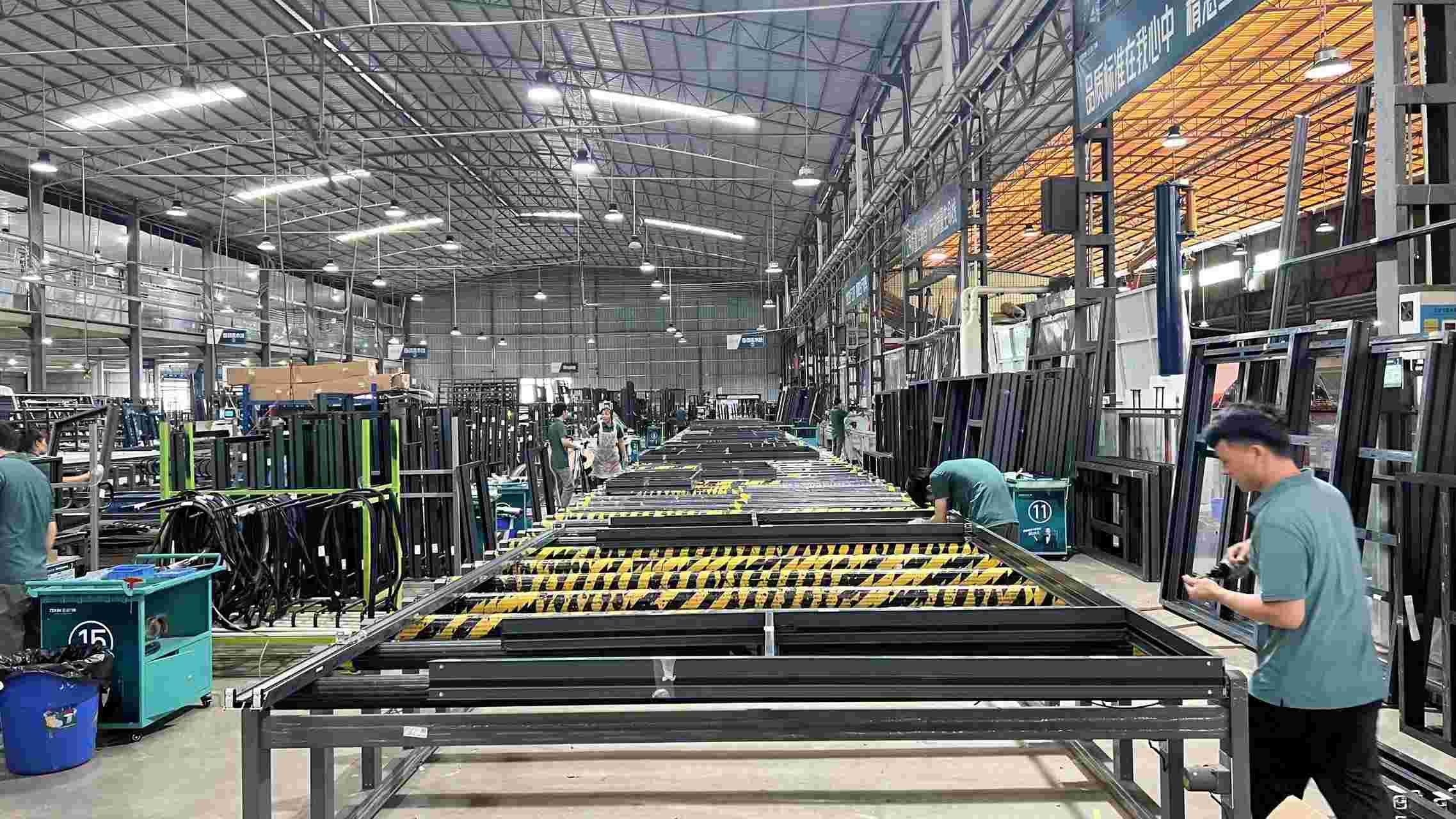
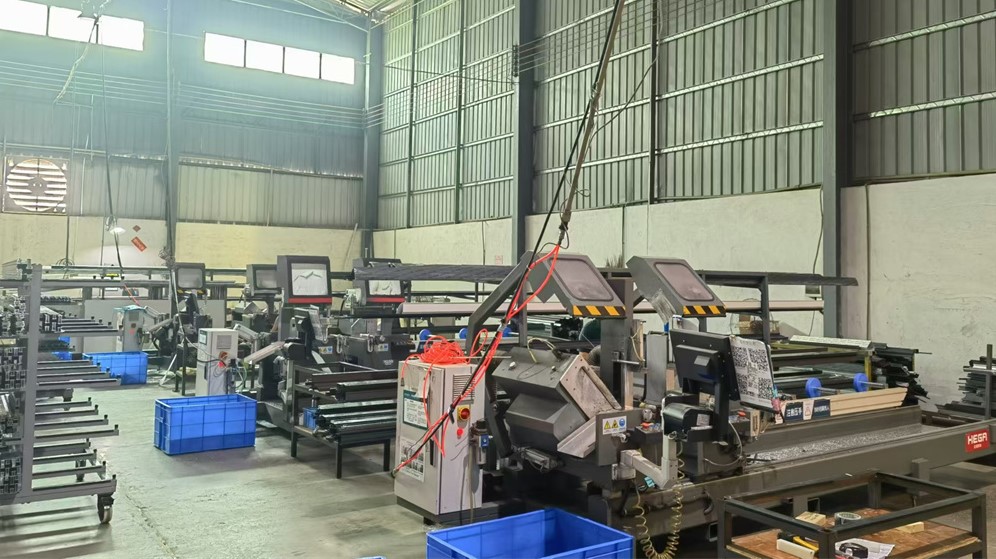
Inside Luxfront's 26,000 m² facility: Integrating automated CNC machining, precision glass processing, and rigorous CMM testing.
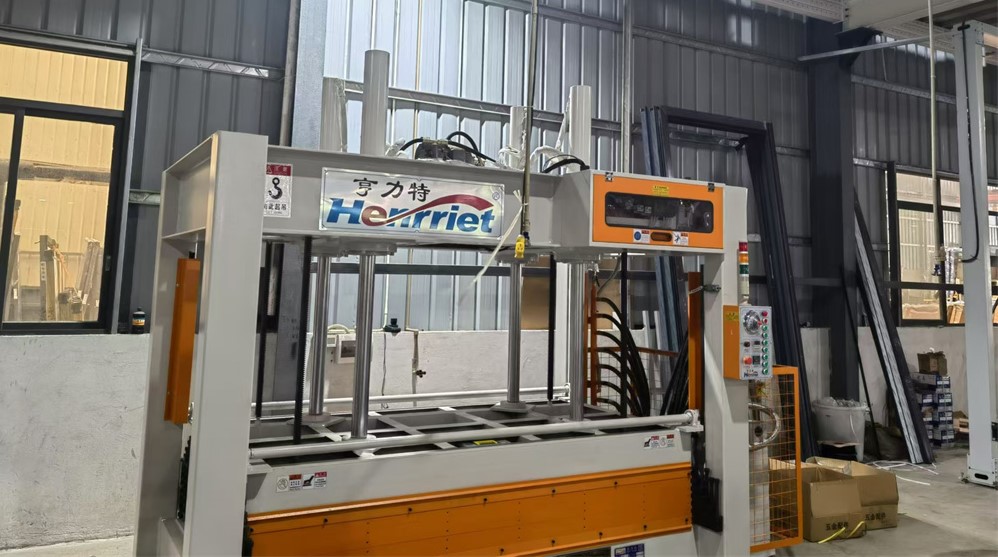
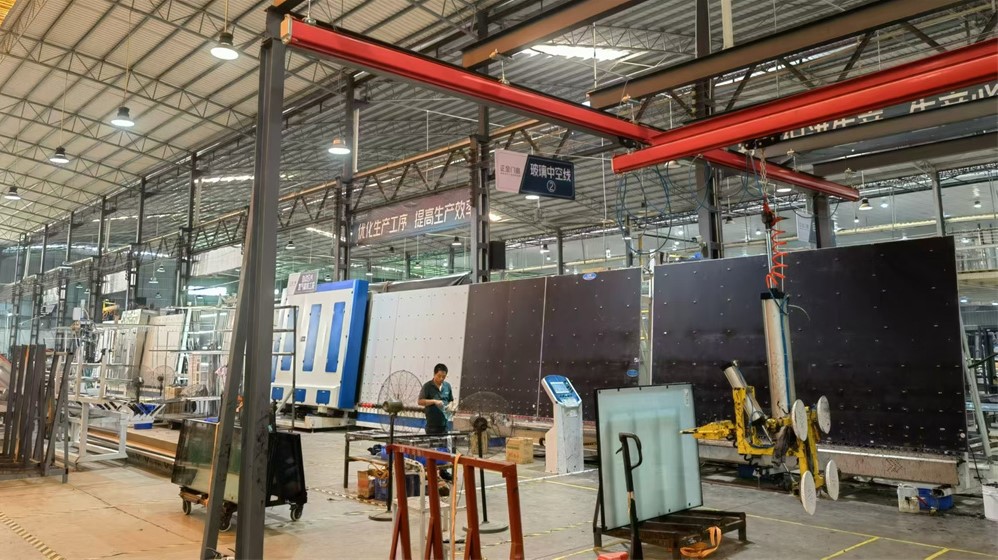
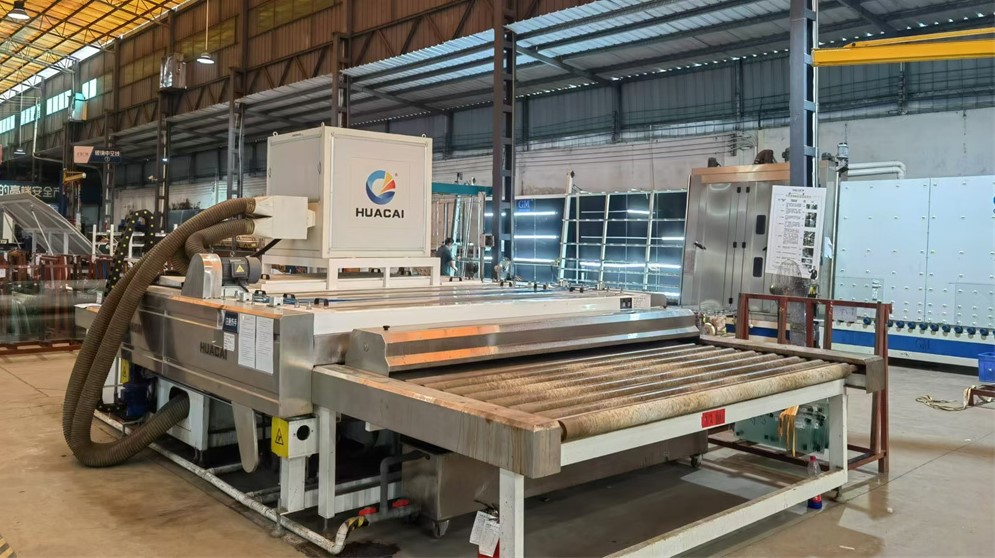
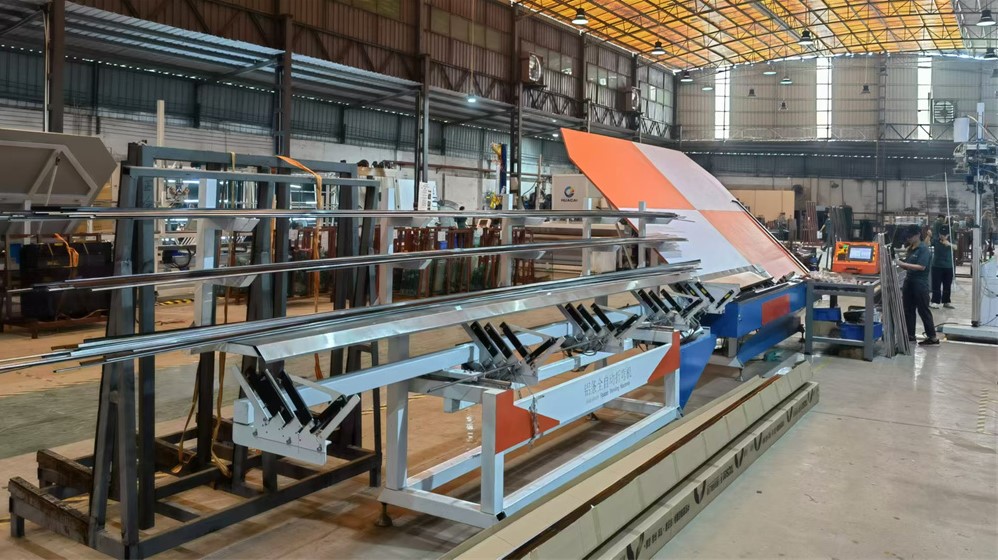
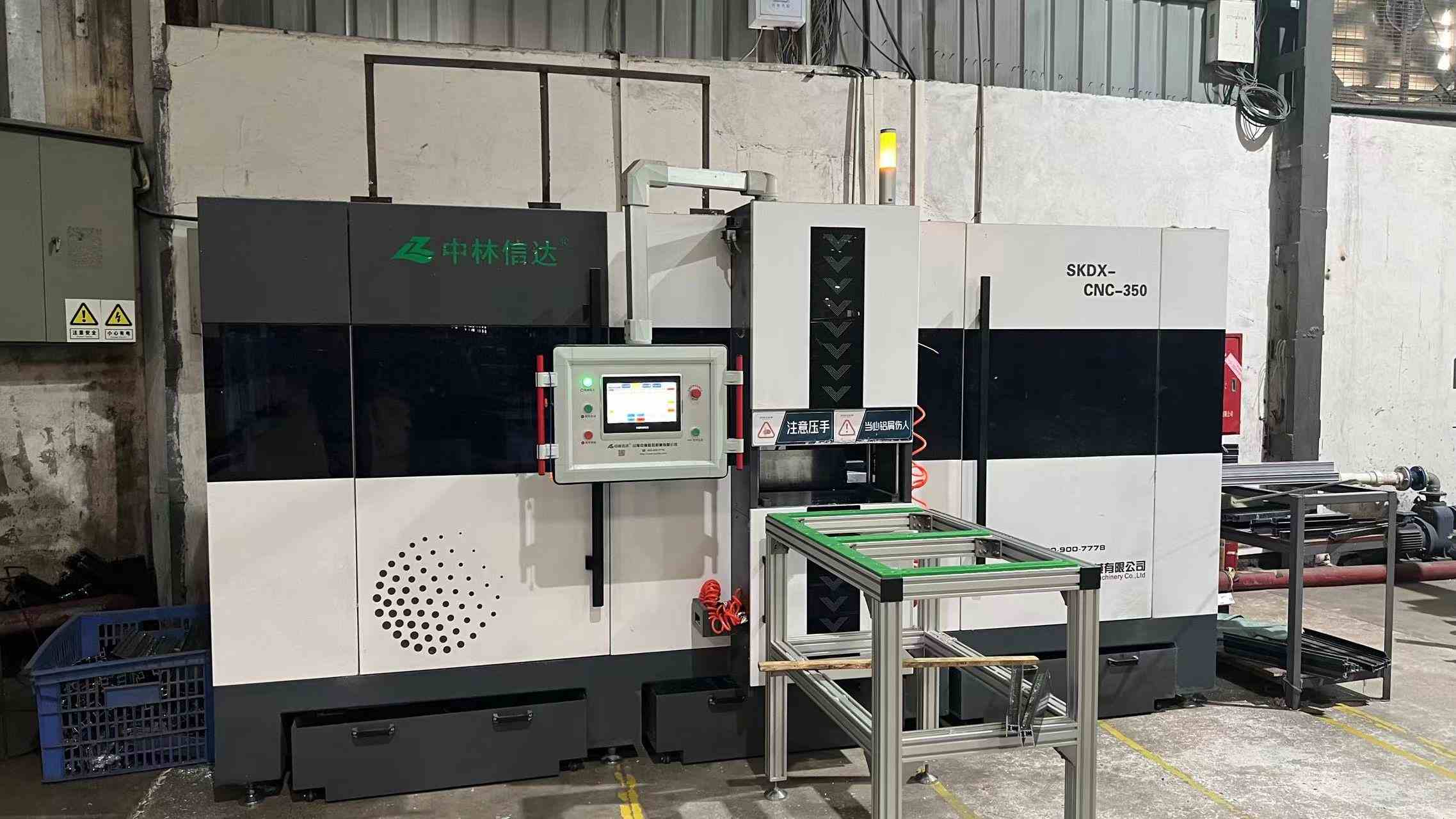
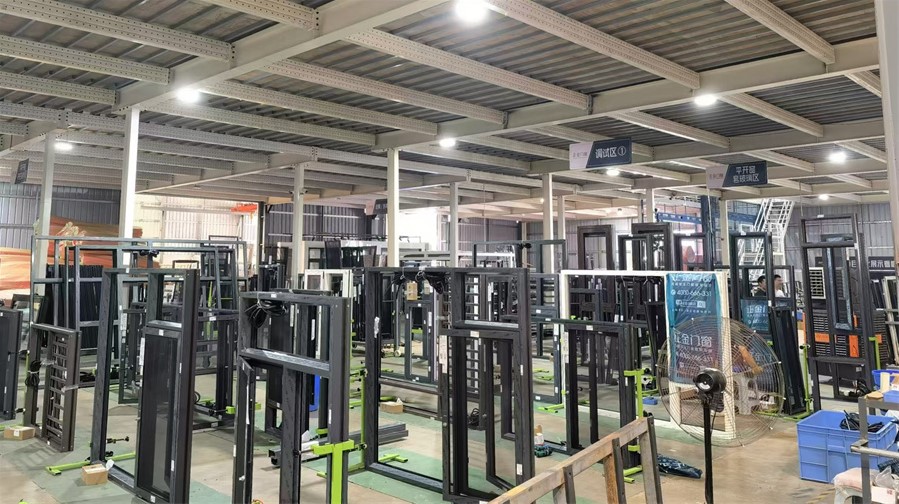
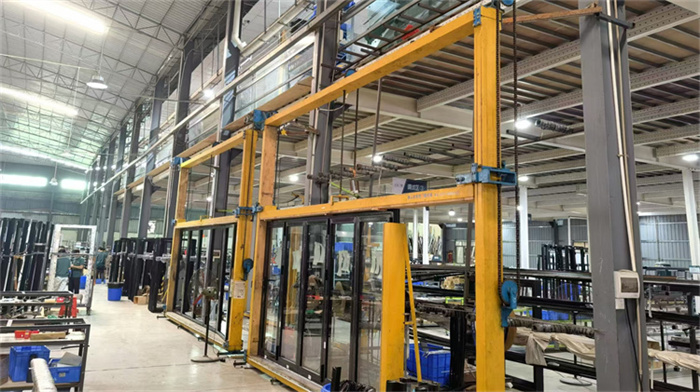
Comprehensive OEM/ODM capabilities designed to mitigate procurement risk and accelerate construction timelines.
Our 45 R&D engineers collaborate directly with project architects, providing Revit BIM models, structural wind load calculations (up to 9000 Pa), and dynamic thermal simulations to guarantee code compliance before fabrication.
Leveraging 720 audited raw material partners, Luxfront guarantees supply chain resilience. Every batch of aluminum profile (6063-T5/T6 alloy) and hardware component is traceable via digital quality logs.
Luxfront products contribute to LEED v4.1 and BREEAM certifications. Through recycled aluminum content usage and energy-efficient manufacturing, our entry door systems reduce embedded carbon metrics by up to 28%.
Expert insights addressing key architectural, structural, and international export specifications.
Explore our complete export portfolio of impact-rated and thermally insulated architectural systems.
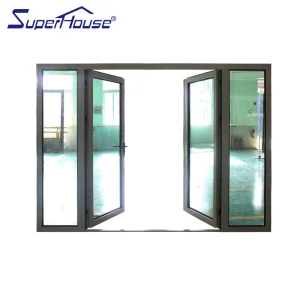
 Luxfront