Tested and certified structural entrance solutions engineered for coastal extreme weather compliance and security.
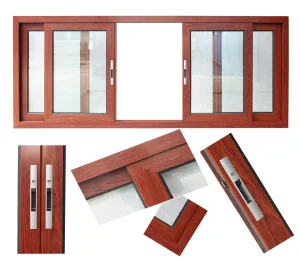
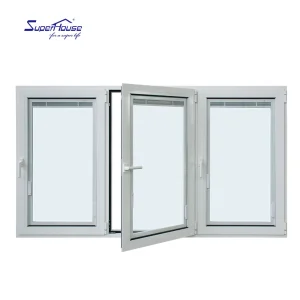
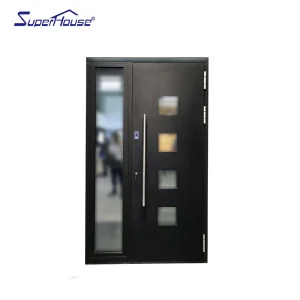
Analysis of changing coastal building mandates, climate resilience standards, and next-generation architectural demands.
Global climate acceleration has driven municipal planning boards across North America, the Caribbean, and coastal Australia to enforce stringent building envelope criteria. The High-Velocity Hurricane Zone (HVHZ) standards—historically isolated to South Florida—are rapidly becoming the baseline for modern coastal architecture. Entry doors, acting as the primary structural breach point during atmospheric depression events, require certified design pressures (DP ratings) exceeding 70 to 100 PSF.
Leading Chinese manufacturing hubs have aligned with these mandates by adopting SentryGlas® (SGP) ionoplast interlayers, replacing conventional PVB interlayers to deliver 5x the tear strength and 10x the rigidity under cyclic wind-load pressure testing (ASTM E1886/E1996).
Contemporary commercial and high-end residential designs demand expansive glass elevations, minimal frame sightlines, and floor-to-ceiling entrance fenestrations. The industry paradigm has shifted from heavy steel frames to multi-chambered, thermally broken extruded aluminum profiles (6063-T6 alloy).
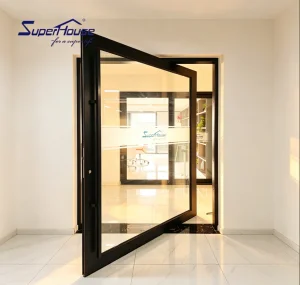
This structural evolution allows for oversized pivot entry doors exceeding 3.5 meters in height while retaining extreme windborne-debris resistance, burglary protection, and sound insulation (STC ratings over 42dB).
A data-driven overview of our production facility, technical engineering heritage, and international supply infrastructure.
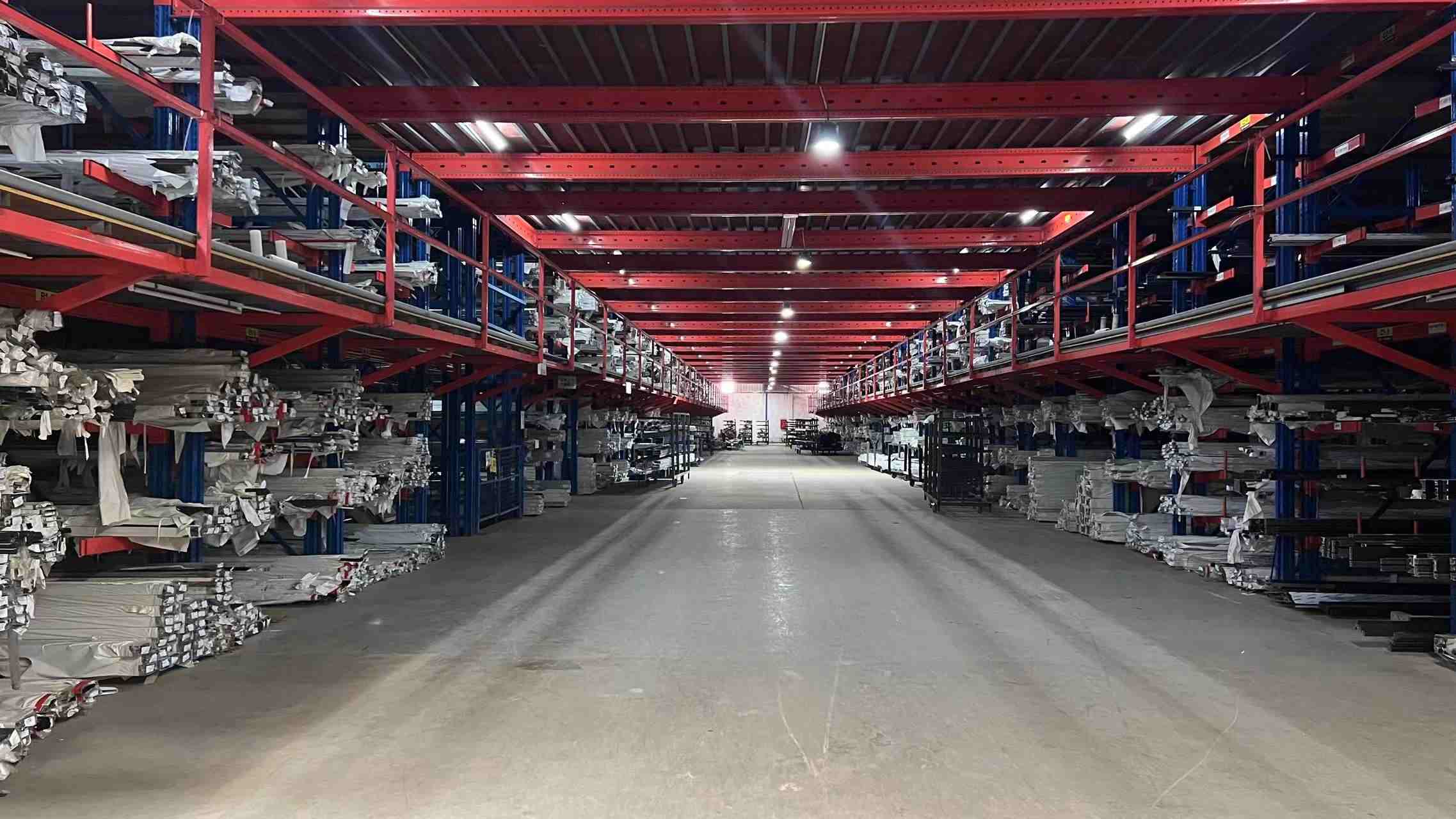
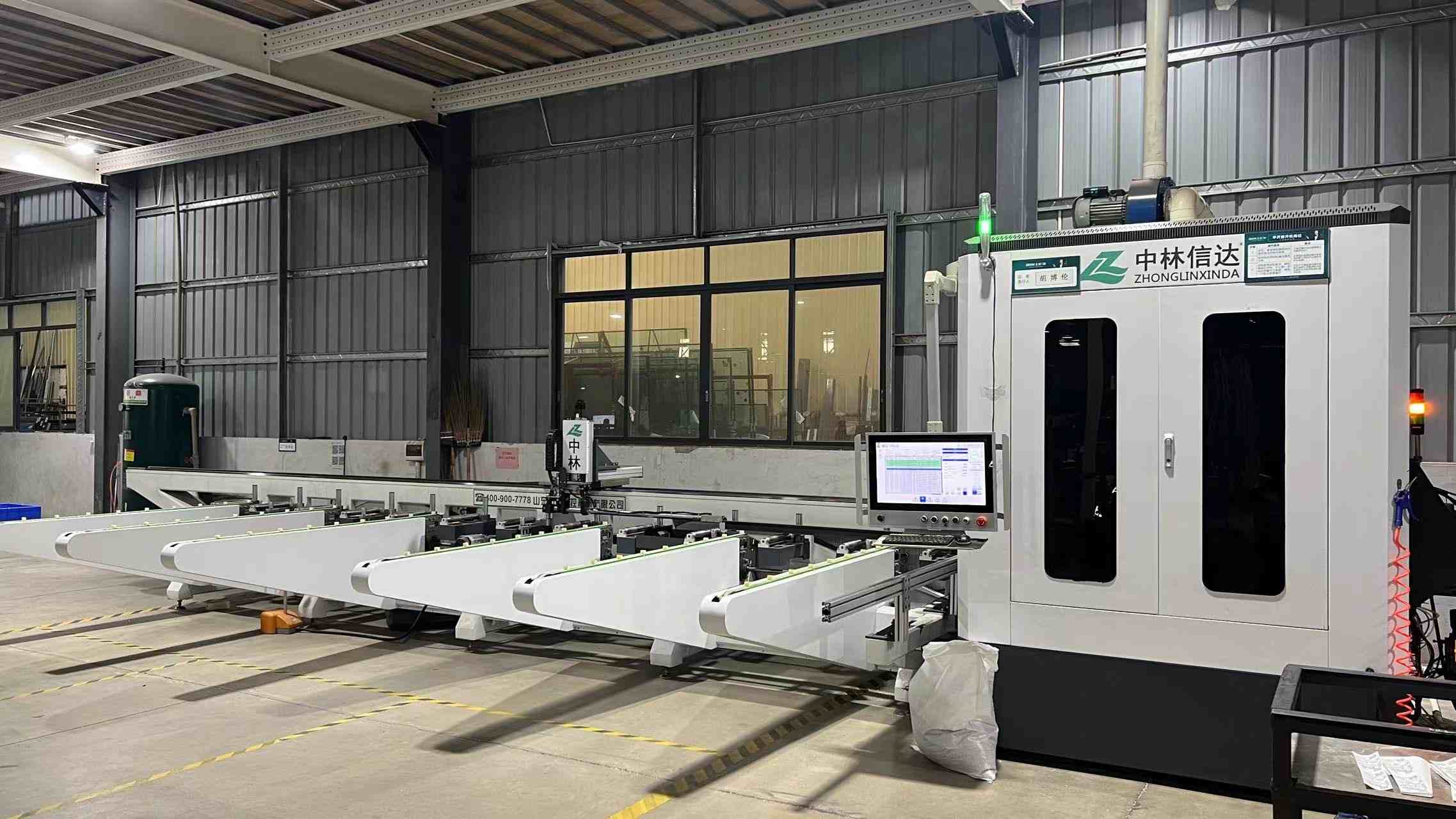
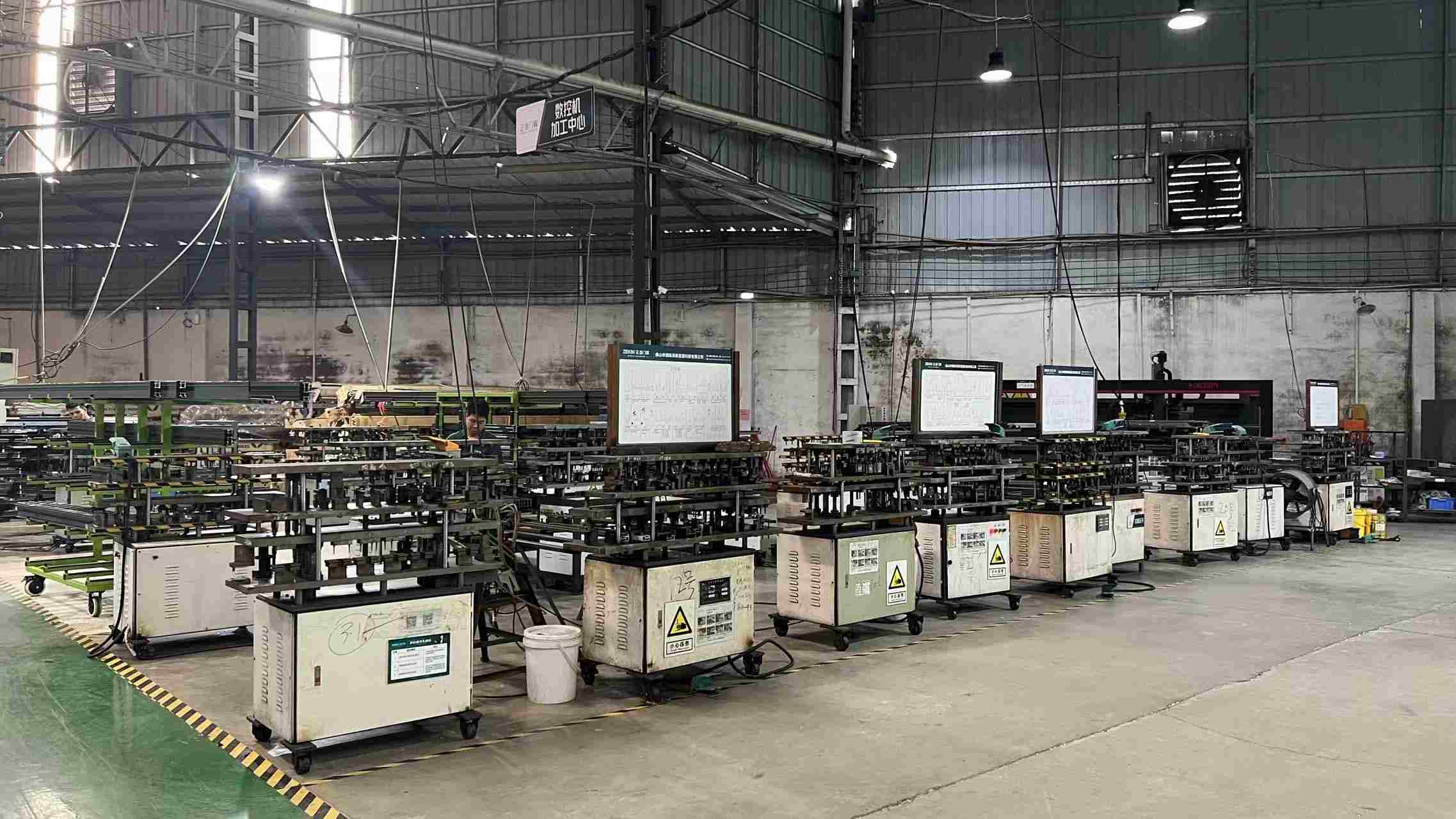
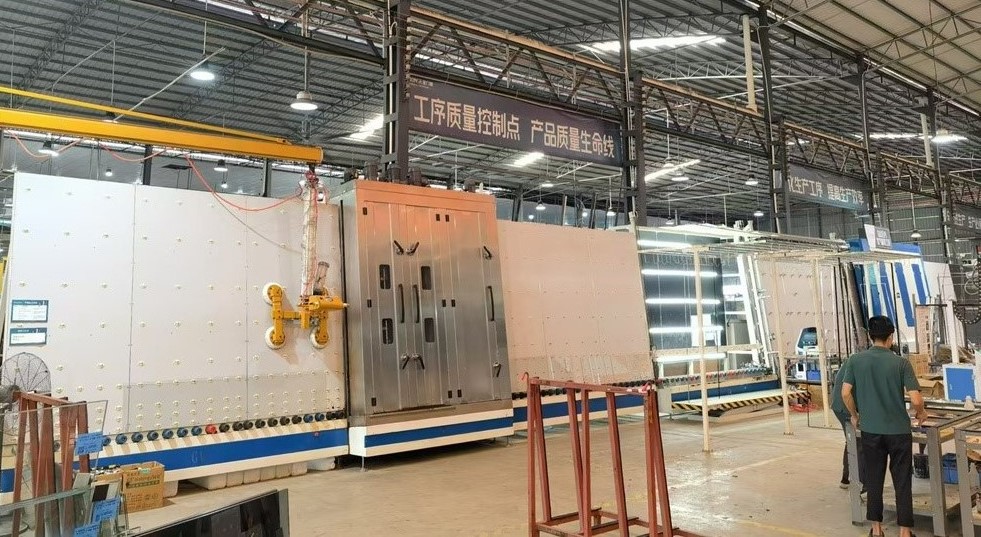
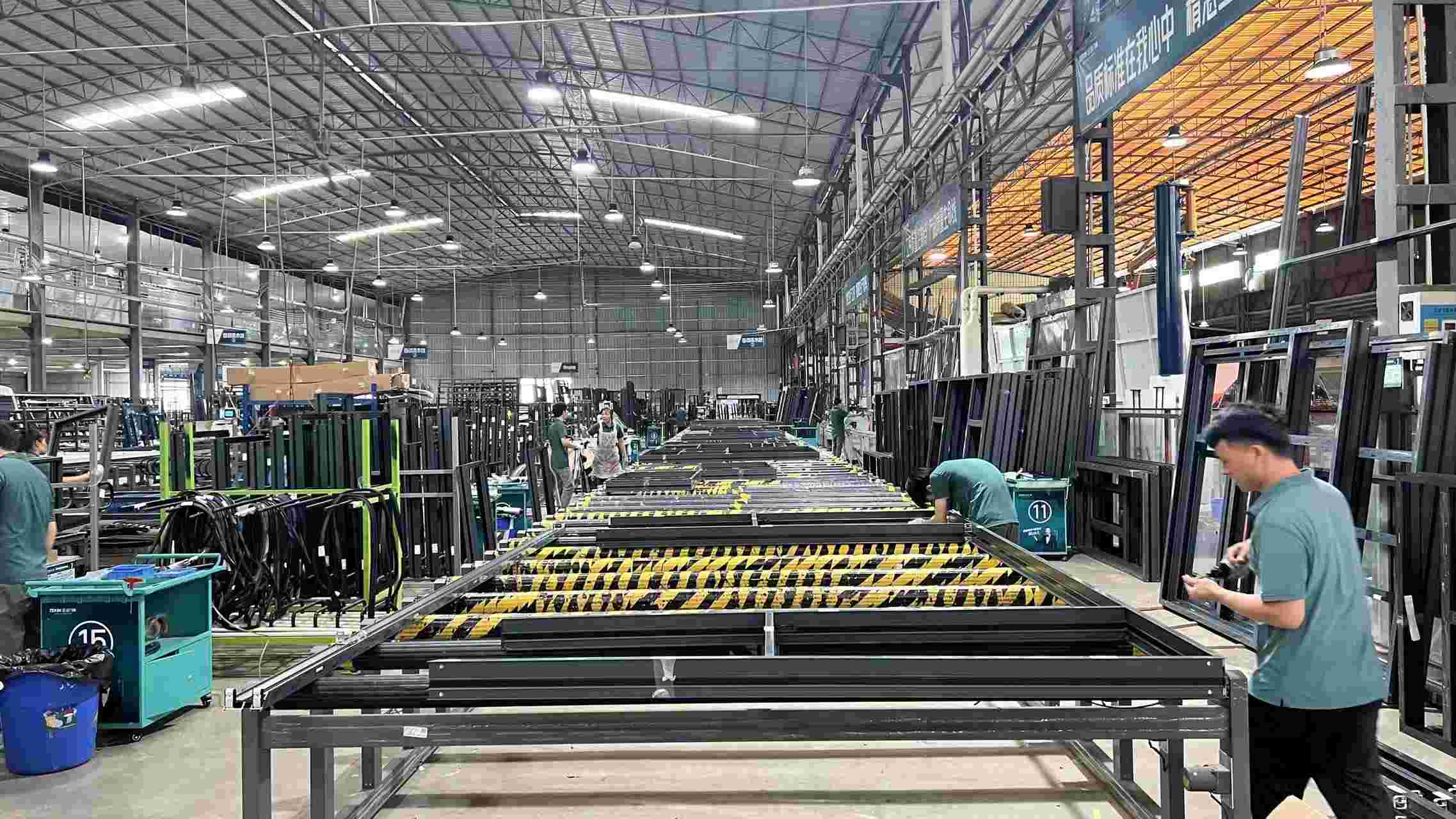
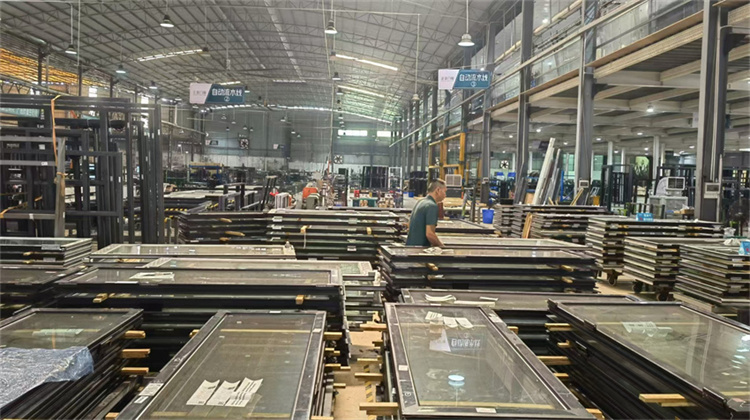
Founded in 2007, Luxfront Architectural Doors Ltd. operates as a premier modern high-end door enterprise utilizing an advanced 26,000 m² production facility. Backed by 17 years of technical manufacturing heritage and 7 years of international trade operations, the firm achieves $21 million in annual export revenue. Luxfront caters predominantly to North America, Western Europe, and Australia, serving boutique housing developers, luxury home builders, and tier-1 architectural design agencies.
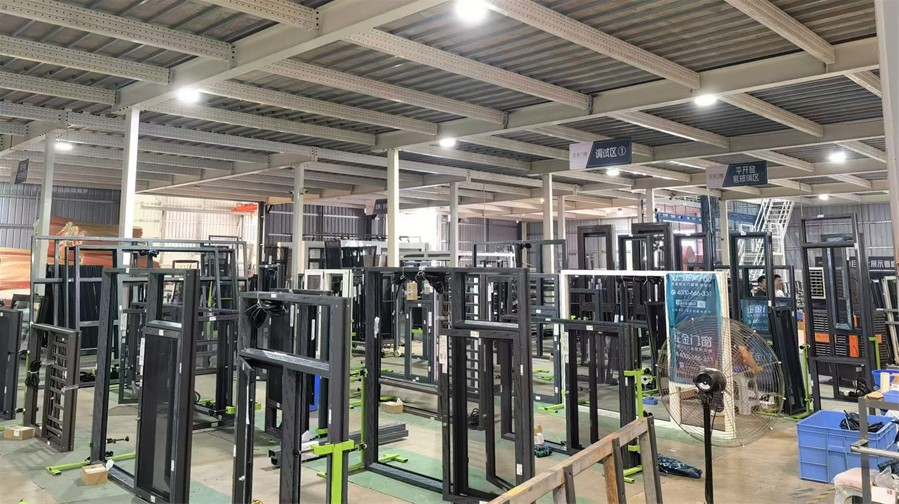
Working alongside 720 specialized raw material supply partners, rigorous quality assurance remains central to all operations. A dedicated team of 32 QA inspectors oversees full-process sampling, Coordinate Measuring Machine (CMM) dimensional measurements, dynamic load testing, and weather-seal performance evaluations under simulated hurricane conditions.
Driven by market-leading architectural innovation, Luxfront's 45 R&D engineers released 110 original door designs last season. Complete custom options are available, covering large-format pivot door structures, concealed multi-point heavy-duty hinges, integrated smart LED ambient lighting, and premium wood-veneer fluorocarbon aluminum finishes.
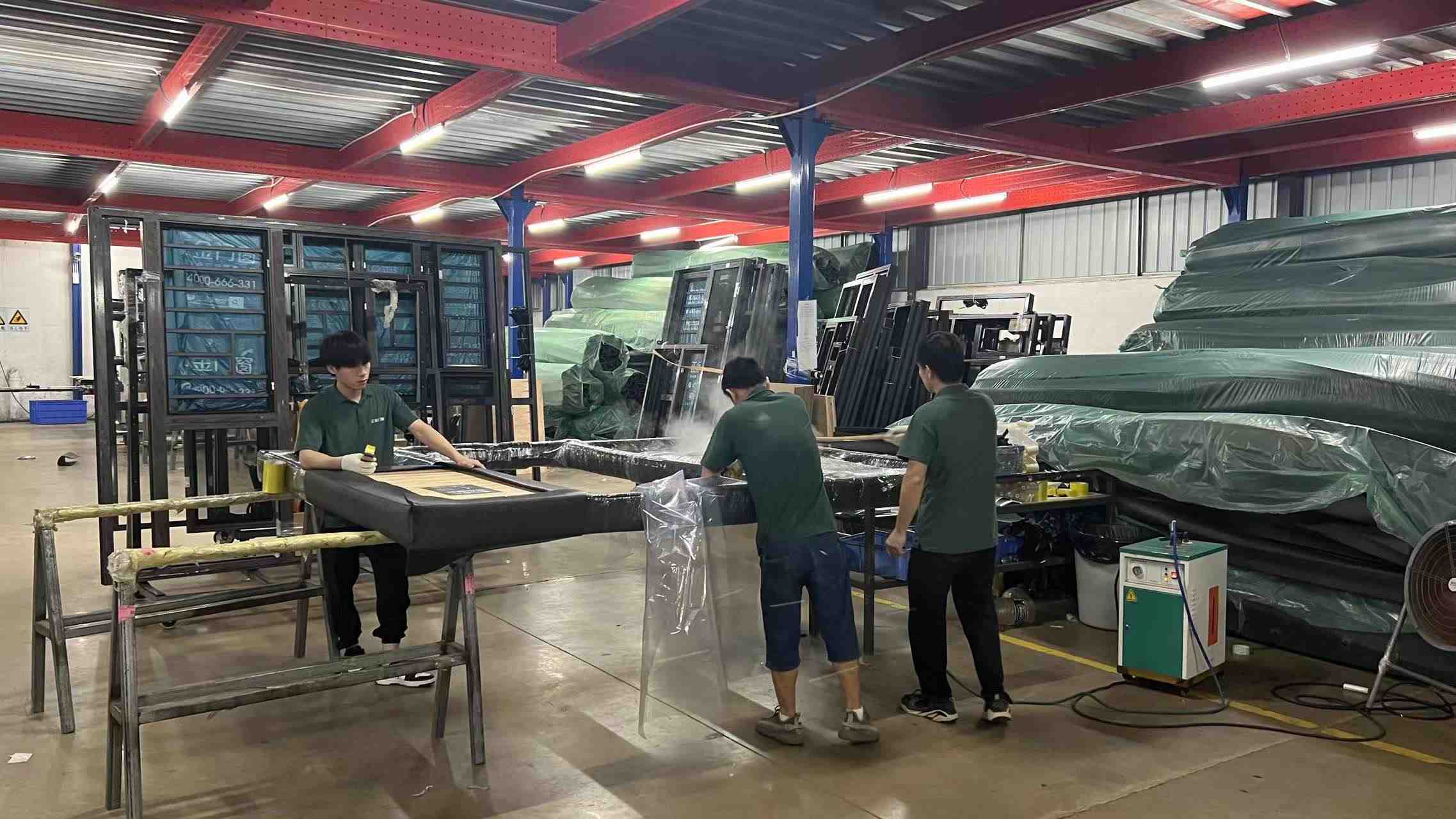
Step-by-step technological workflow utilized in our production lines to ensure zero-defect fabrication.
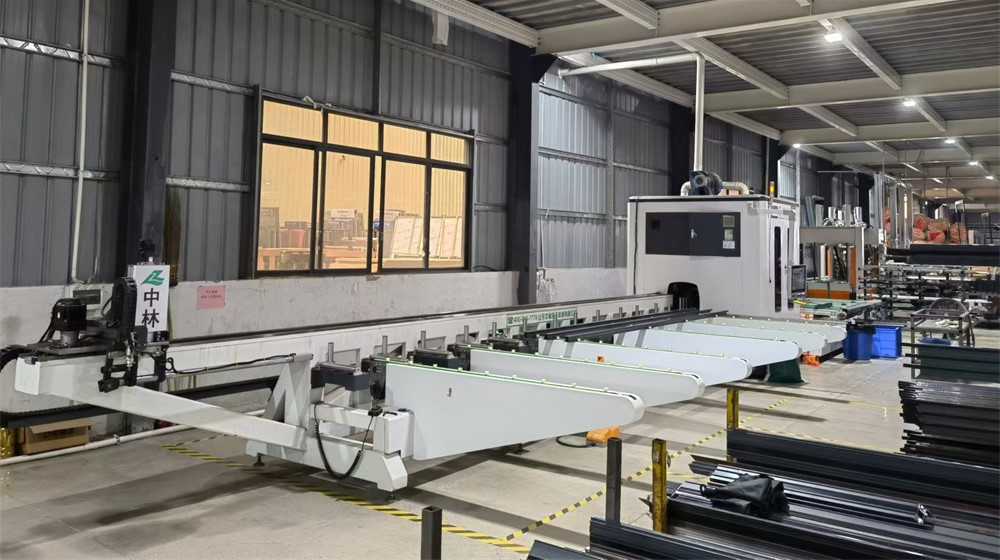
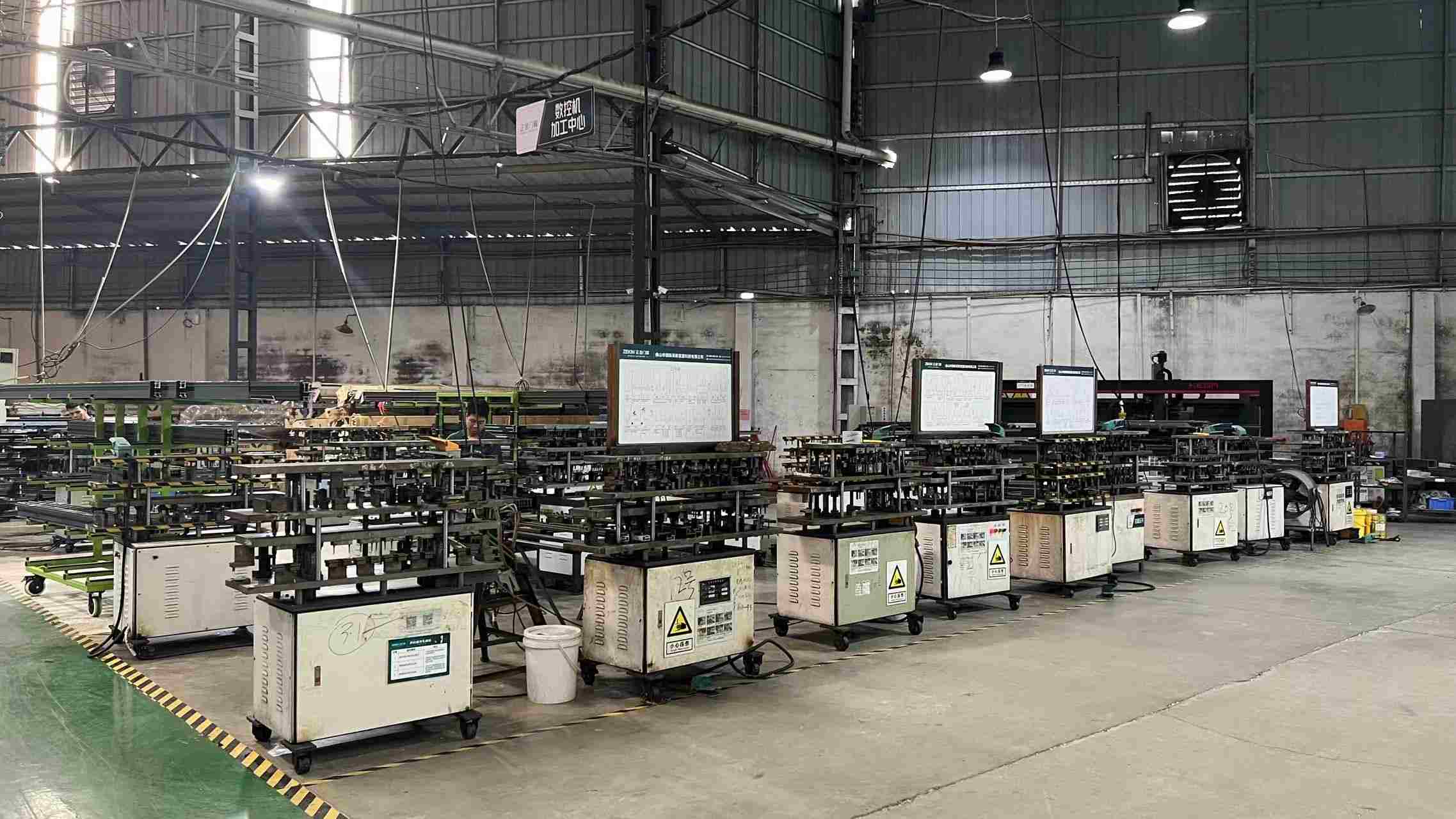
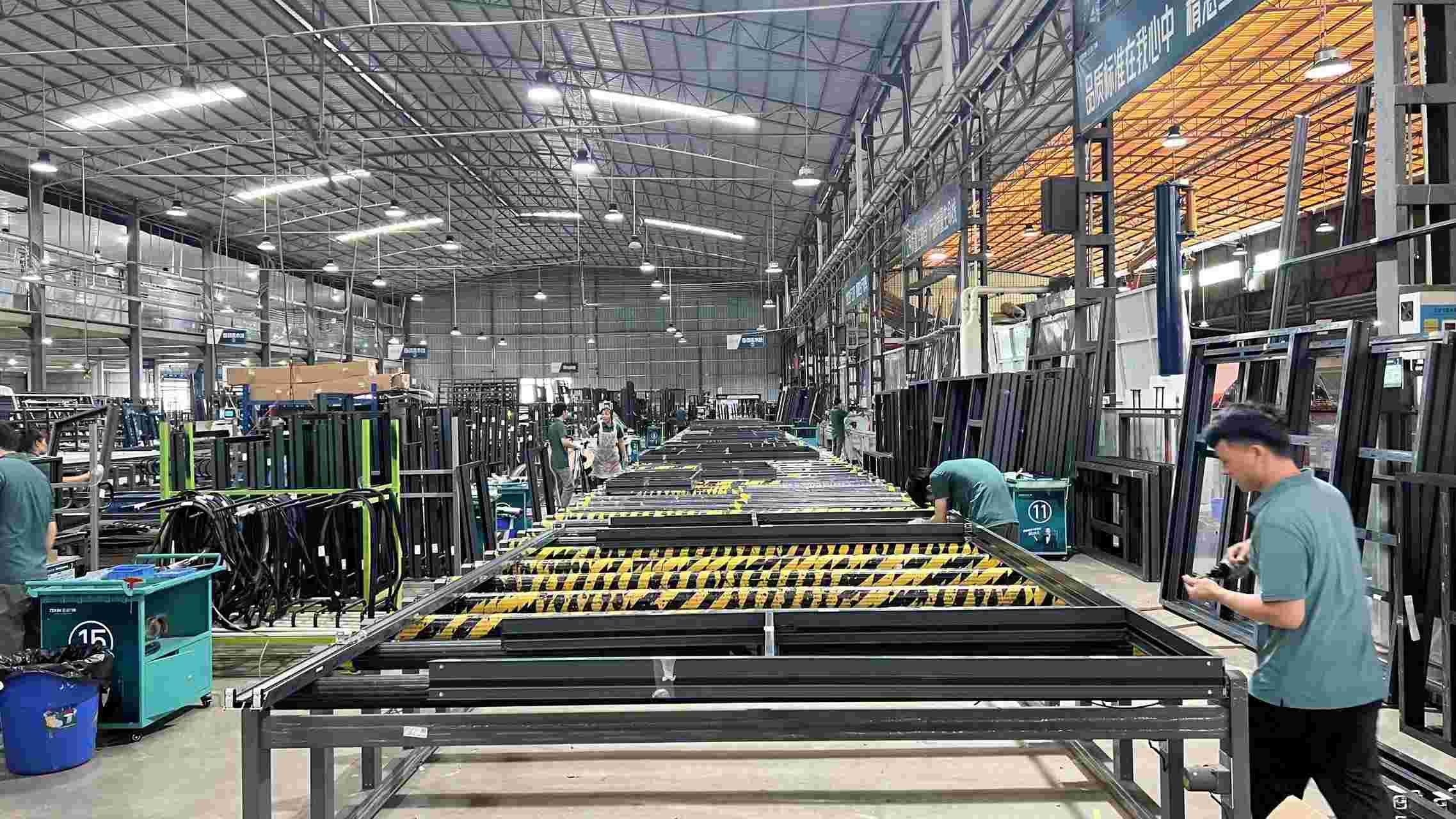
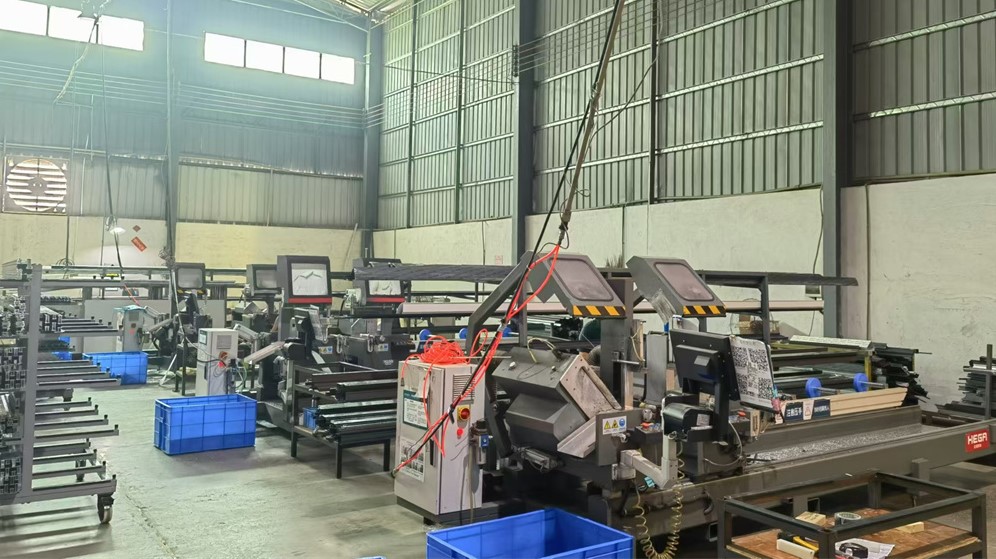
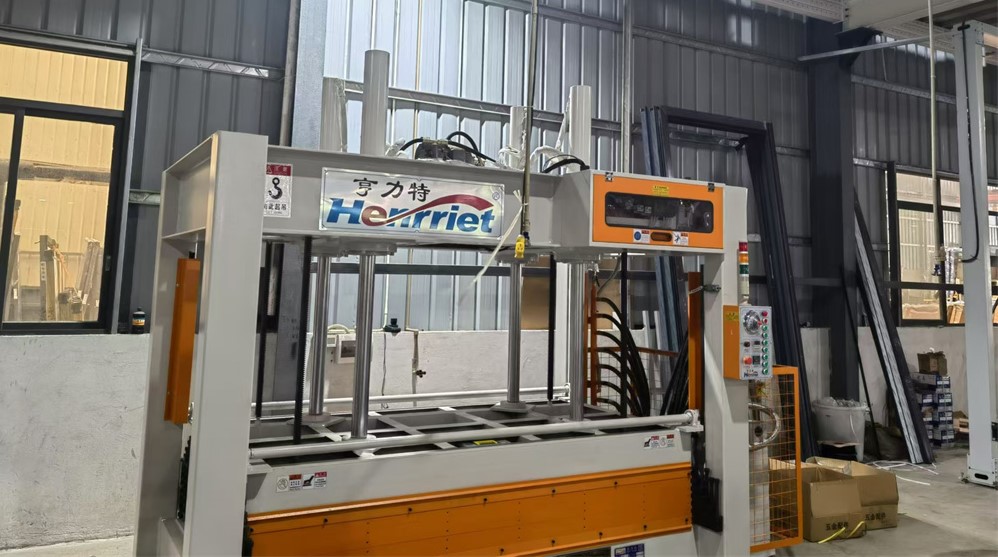
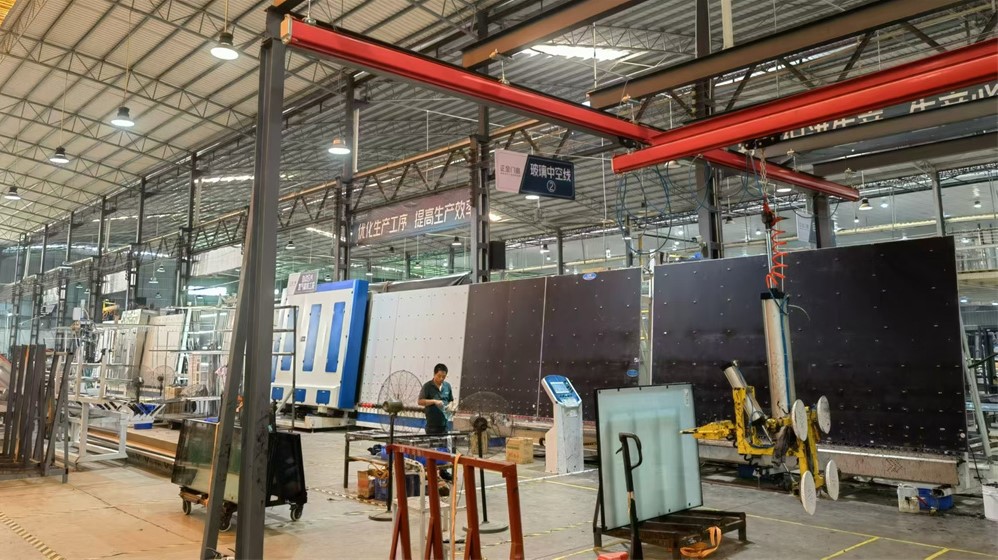
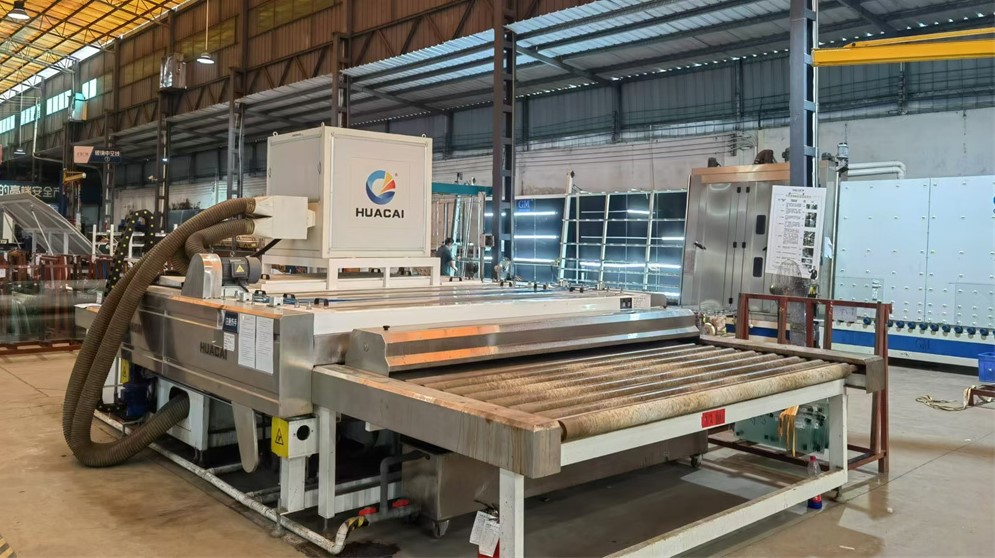
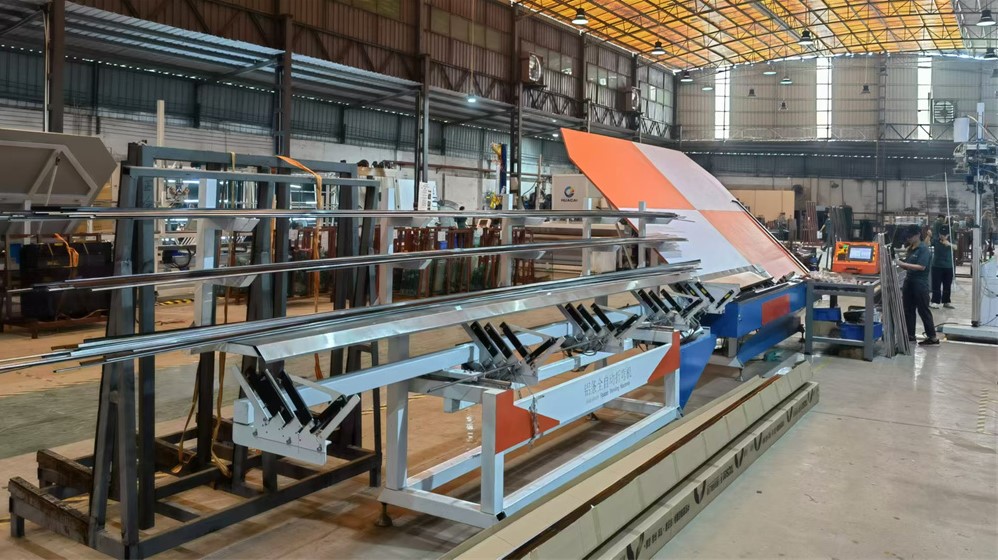
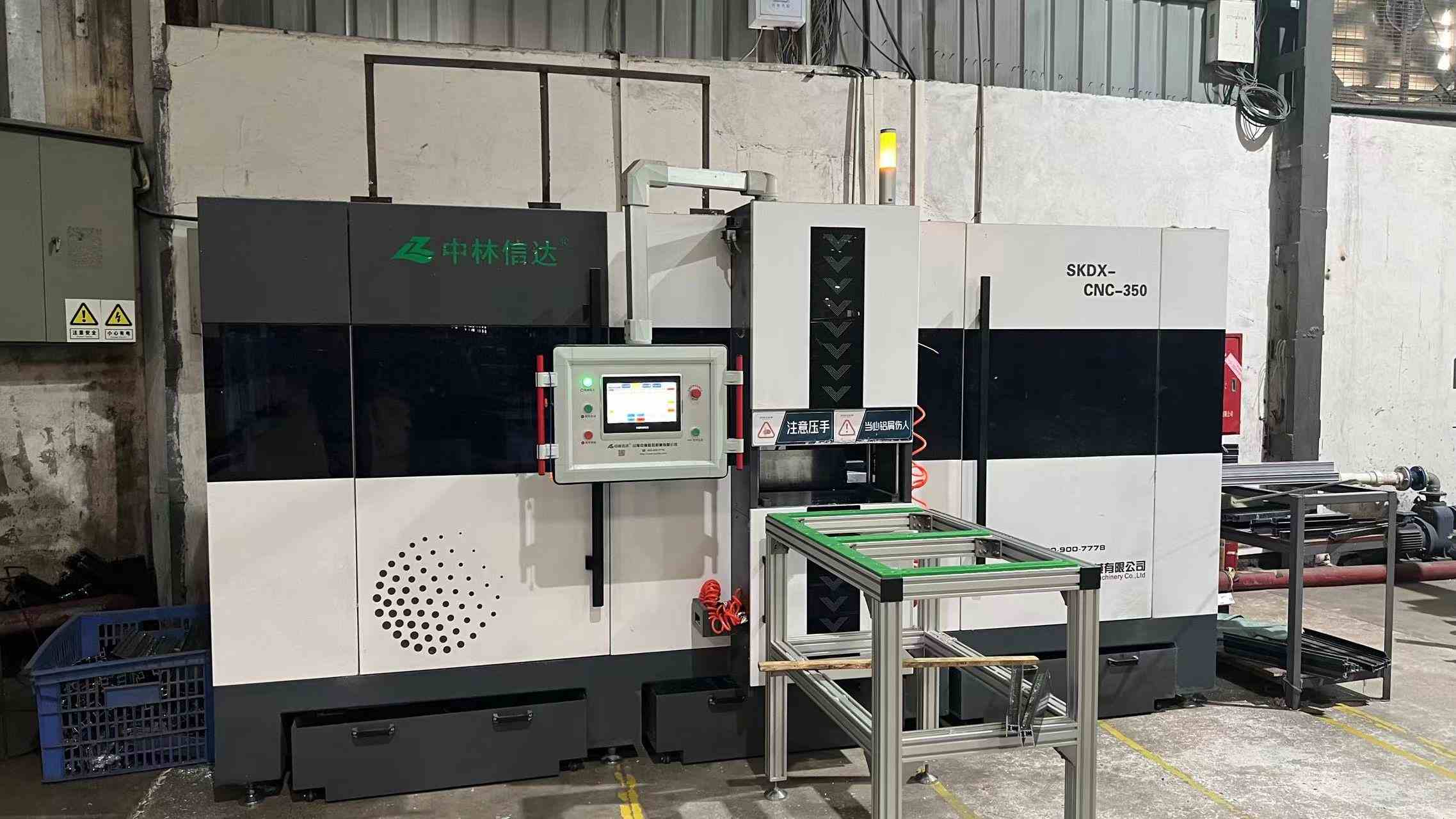
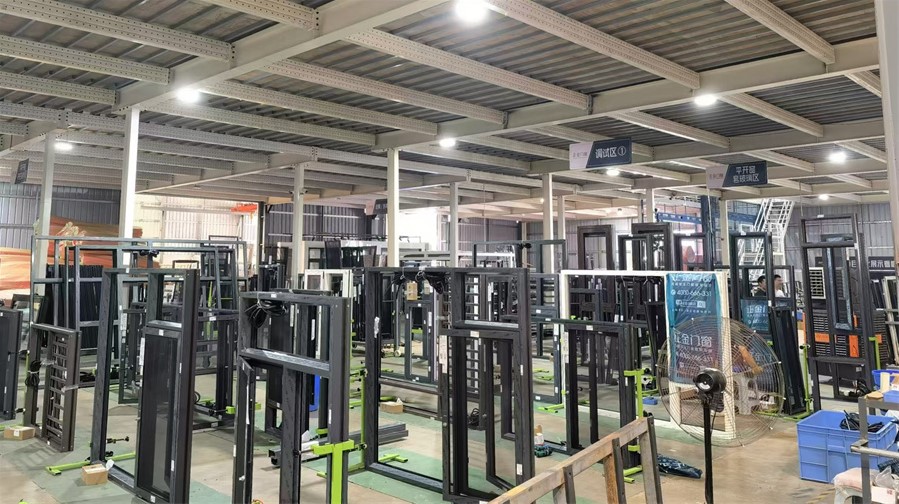
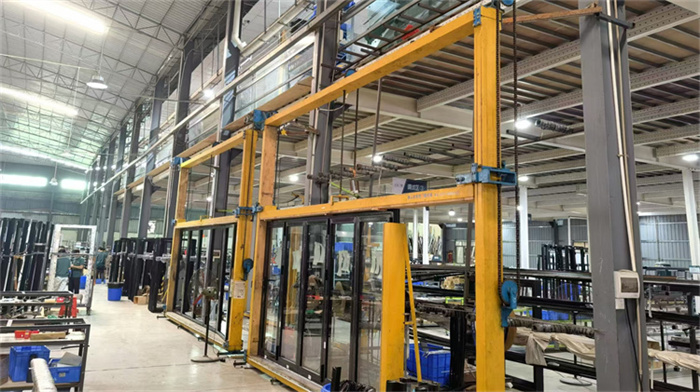
Technical breakdown of glass composite layers, aluminum extrusions, and sealing dynamics engineered for extreme weather resilience.
Impact-resistant entry doors do not rely on standard tempered glass alone. Luxfront utilizes multi-layer laminated assemblies comprising double or triple panes. The core safety layer uses DuPont SentryGlas® (SGP) sandwiched between heat-strengthened glass panels.
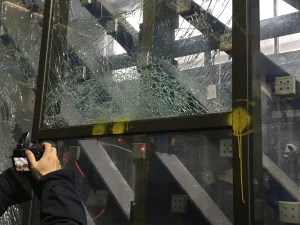
Upon impact from windborne debris (such as a 9 lb 2x4 wooden stud fired at 50 ft/s under ASTM E1996 Large Missile Level D testing), the outer glass pane may fracture, but the resilient SGP interlayer maintains structural integrity, preventing envelope pressure collapse.
Frame rigidity is established through high-tensile 6063-T6 aluminum alloys with a minimum wall thickness of 2.5mm to 3.0mm. To eliminate thermal bridging while preserving structural stability, polyamide (PA66GF25) thermal barrier strips are pressure-inserted into the profile chambers.
This design maintains an exceptionally low U-factor (down to 0.24 BTU/h·ft²·°F), satisfying California Title 24 energy code mandates and Energy Star guidelines.
Laminated glass panes are chemically bonded to aluminum frames using high-modulus structural silicone sealants (e.g., Dow Corning 995). This distributes wind load forces uniformly across the metal sash.
Hardware systems incorporate multi-point locking mechanisms forged from 316 marine-grade stainless steel, locking at up to 7 distinct points around the door frame to prevent pry-bar intrusion and high dynamic water pressure infiltration.
| Performance Parameter | Standard Commercial Doors | Luxfront Impact Entry Doors | Testing Standard / Certification |
|---|---|---|---|
| Wind Pressure Resistance | 15 - 35 PSF (DP35) | 70 - 105 PSF (DP100+) | TAS 202 / ASTM E330 |
| Debris Impact Rating | None (Standard Tempered) | Large Missile Level D & E (SGP) | TAS 201 / ASTM E1996 |
| Cyclic Pressure Loading | 900 Cycles | 9,000 Cycles (Positive/Negative) | TAS 203 / ASTM E1886 |
| Water Intrusion Resistance | 4.5 PSF (200 Pa) | 15.0 PSF (720 Pa) | ASTM E547 / ASTM E331 |
| Acoustic Insulation (STC) | STC 28 - 32 dB | STC 42 - 48 dB | ASTM E90 / ASTM E413 |
| Corrosion Resistance | Standard Anodized (300 hrs) | AAMA 2605 Fluorocarbon (4000 hrs) | ASTM B117 Salt Spray Test |
Strategic insights for international developers, procurement managers, and commercial architects importing high-end fenestration systems from China.
Direct sourcing from tier-1 Chinese manufacturers yields 35% to 50% capital expenditure savings compared to domestic North American or European fabricators without sacrificing regulatory compliance. Luxfront streamlines supply chains by offering fully integrated engineering solutions—from CAD shop drawing generation and structural calculations to factory-direct sea freight logistics in steel-reinforced wooden crates.
For custom residential developments and commercial landmark projects, off-the-shelf doors rarely suffice. Luxfront offers full ODM design customization: frame profiles can be customized in depth (up to 250mm), fitted with concealed pivot hinges capable of carrying sashes weighing up to 500 kg, and equipped with motorized smart access control systems (biometric, RFID, or smart home automation platform connectivity).
Engineered fenestration door packages tailored for specific commercial, residential, and institutional environments.
Designed for beachfront villas and high-end estates exposed to severe coastal salt-spray and hurricane threats. Features double-glazed Low-E SGP impact units with AAMA 2605 fluorocarbon finishes (AkzoNobel/PPG) that resist chalking and color fading under high UV exposure.
Heavy-duty, high-traffic entrance systems engineered for hospitality and corporate headquarters. Integrates automatic sensor operators, heavy panic hardware, and structural silicone glazing to meet strict ADA compliance and high wind-load ratings.
Pre-hung, factory-calibrated door assemblies engineered for rapid modular job site installation. Reduced field adjustment times via integrated installation flanges and pre-drilled anchors optimized for steel framing systems.
Rigorous verification ensures frictionless customs clearance, building code sign-off, and long-term durability.
Tested under TAS 201, 202, and 203 protocols, earning formal Notice of Acceptance (NOA) for installation within Florida’s strict High-Velocity Hurricane Zones.
Certified thermal performance ratings (U-Factor, SHGC, Visible Transmittance, and Air Leakage) validated through National Fenestration Rating Council benchmarks.
Fully compliant with AS2047 and AS1288 Australian standards, verifying structural deflection, air infiltration, and water resistance for Oceania climates.
Certified structural performance under North American Fenestration Standard (NAFS), matching commercial CW and AW performance grade classifications.
Pioneering the next era of intelligent, dynamic, and sustainable architectural glass entry systems.
Integrating electronically tintable Smart Glass within SGP laminated impact units. Allows occupants to adjust solar heat gain coefficient (SHGC) dynamically via mobile apps or building management systems (BMS), cutting cooling loads by up to 30%.
Transitioning primary extrusion production to low-carbon aluminum smelted using hydroelectric energy. Luxfront aims for a 45% reduction in embodied carbon footprints across all entry door profiles by 2028.
Incorporating transparent Building Integrated Photovoltaics (BIPV) inside glass entry sashes to generate localized solar power for integrated smart locks, LED illumination, and dynamic sensor arrays.
Detailed answers to technical, logistical, and compliance questions asked by architects and buyers.
Polyvinyl Butyral (PVB) is standard for safety glass, but SentryGlas® (SGP) ionoplast interlayers are 5 times tougher and up to 10 times stiffer. In impact-resistant doors, SGP ensures that even if both glass panes shatter under severe missile impact, the laminate remains upright and rigid inside the aluminum frame under hurricane-force wind cycles.
Leading manufacturers like Luxfront submit door and window samples directly to accredited independent testing laboratories (such as Intertek or UL) in accordance with Florida testing protocols TAS 201 (Impact Test), TAS 202 (Structural Test), and TAS 203 (Cyclic Wind Pressure Test). Upon passing, official engineering documentation and NOA certificate numbers are issued for building permit verification.
Yes. While large pivot doors present sealing challenges due to their geometry, Luxfront’s engineering utilizes concealed drop-down automatic bottom seals, multi-stage EPDM weather-stripping, and integrated sub-sill drainage tracks to achieve water resistance ratings up to 15.0 PSF (720 Pa).
Standard production cycles range from 25 to 35 days post-approval of shop drawings. Ocean transit to North American West Coast ports typically takes 15–20 days, while East Coast and European ports require 28–35 days. Accelerated sample fabrication is available for urgent design reviews.
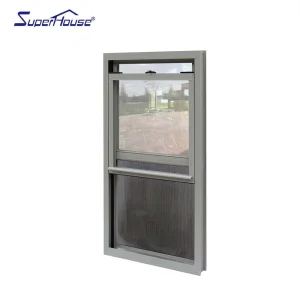
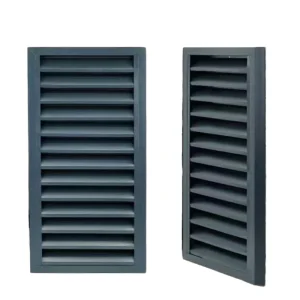
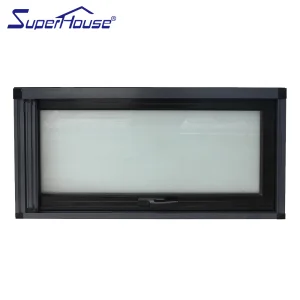
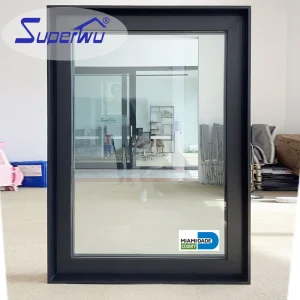
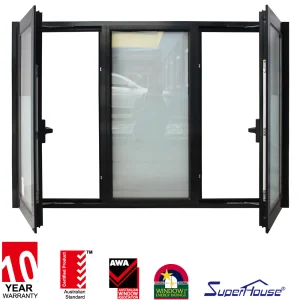
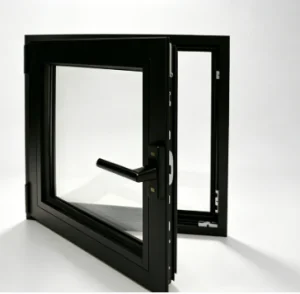
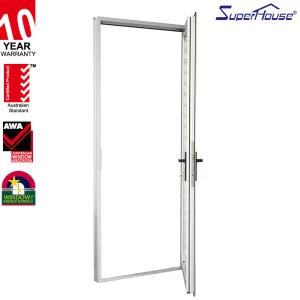
Explore additional impact-rated windows, casements, and sliding solutions tailored for high-wind zone construction.
 Luxfront