Explore engineered structural glass door and window solutions manufactured to rigorous NFRC, NOA, and CodeMark standards for global commercial and luxury residential projects.
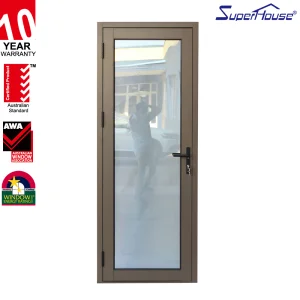
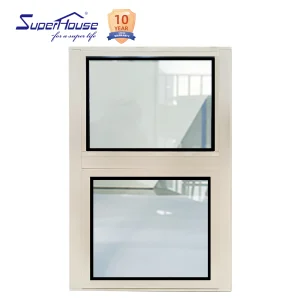
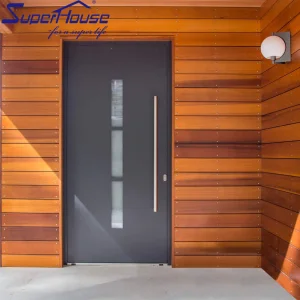
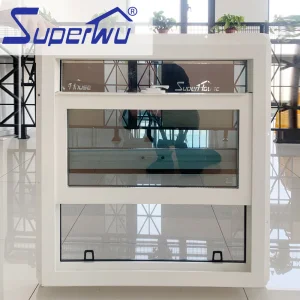
The global architectural sector has witnessed a structural paradigm shift in entrance door engineering. Contemporary facade design increasingly demands large-format glazing, ultra-narrow sightlines, hyper-efficient thermal breaks, and extreme wind-load resistance. Modern glass entry doors are no longer merely aesthetic transit points; they have evolved into dynamic, highly engineered fenestration envelopes that govern a building’s energy performance, acoustic envelope, and structural security.
China has emerged as the global powerhouse for specialized glass entry door manufacturing, moving rapidly from low-cost mass production to advanced automated precision engineering. Leading Chinese entry door manufacturers combine state-of-the-art CNC machining, multi-chamber polyamide thermal breaks, robotically sealed insulated glass units (IGU), and strict compliance with international building codes (including NFRC, NOA Miami-Dade, Florida Product Approval, and Australia CodeMark). This technical whitepaper evaluates the engineering standards, supply chain dynamics, quality assurance protocols, and technological roadmaps defining elite China modern glass entry doors factories.
Founded in 2007, Luxfront Architectural Doors Ltd. stands as a benchmark of modern high-end door manufacturing, utilizing a modern 26,000 m² production facility. Backed by 17 years of technical manufacturing heritage and 7 years of international trade operations, the firm achieves $21 million in annual export revenue. Luxfront caters predominantly to North America, Western Europe, and Australia, serving boutique housing developers, luxury home builders, and architectural design agencies with uncompromising precision and structural excellence.
Achieving structural stability in modern glass entry doors—especially expansive oversized pivot doors and ultra-slim sliding glass systems—requires specialized metallurgy, thermal isolation technology, and advanced glass chemistry. High-end Chinese factories leverage multi-faceted engineering approaches to balance glass weight, thermal expansion, and mechanical longevity.
Utilizing high-density PA66-GF25 (25% fiberglass reinforced polyamide) thermal break strips integrated within T6063-T6 architectural grade aluminum extrusions. This reduces standard U-factors to under 0.28 BTU/h·ft²·°F, eliminating thermal bridging and condensation in harsh climates.
Deployment of double-glazed and triple-glazed units containing Low-E (Low-Emissivity) coatings, argon gas filling (90%+ purity), and warm-edge structural spacers. Glass selection includes SentryGlas® (SGP) interlayers for hurricane-impact resilience and STC soundproofing ratings above 42 dB.
Oversized glass entrance panels generate immense point-load pressure. Top Chinese factories engineer custom offset heavy-duty pivot hinges rated for loads exceeding 500 kg (1,100 lbs), incorporating fully concealed hydraulic self-closing mechanisms and multipoint German-engineered locking systems.
The table below highlights performance metrics achieved by top-tier Chinese glass entry door factories operating under strict quality assurance frameworks:
| Performance Parameter | Standard Testing Code | Achieved Enterprise Value | Architectural Advantage |
|---|---|---|---|
| Thermal Transmittance (U-Value) | NFRC 100 / ISO 10077 | 0.18 – 0.26 BTU/h·ft²·°F | Exceeds ENERGY STAR® Passive House thermal thresholds |
| Design Wind Load Pressure | ASTM E330 / TAS 202 | Up to ±90 psf (High-Velocity Hurricane Zone) | Resists severe hurricane pressures & structural deflection |
| Acoustic Attenuation (STC) | ASTM E90 / ISO 140 | STC 38 – STC 45 | Blocks heavy urban noise pollution and coastal wind noise |
| Water Penetration Resistance | ASTM E547 / AS 2047 | 750 Pa (15.6 psf) | Zero water entry during driven monsoon conditions |
| Air Infiltration Rate | ASTM E283 | < 0.05 cfm/ft² | Hermetic seal preventing HVAC energy loss |
Industrial scale and vertical supply chain control are key drivers behind China's dominance in high-end glass entrance manufacturing. Luxfront Architectural Doors Ltd. operates as a case study in supply chain integration and precision engineering.
Working alongside 720 specialized raw material supply partners, quality assurance remains central to operations. A dedicated team of 32 QA inspectors oversees full-process sampling, CMM (Coordinate Measuring Machine) dimensional measurements, and weather-seal performance evaluations. Driven by market-leading architectural innovation, Luxfront's 45 R&D engineers released 110 original door designs last season. Complete custom options are available, covering large-format pivot door structures, concealed hinges, integrated LED ambient lighting, and premium wood-veneer aluminum finishes.
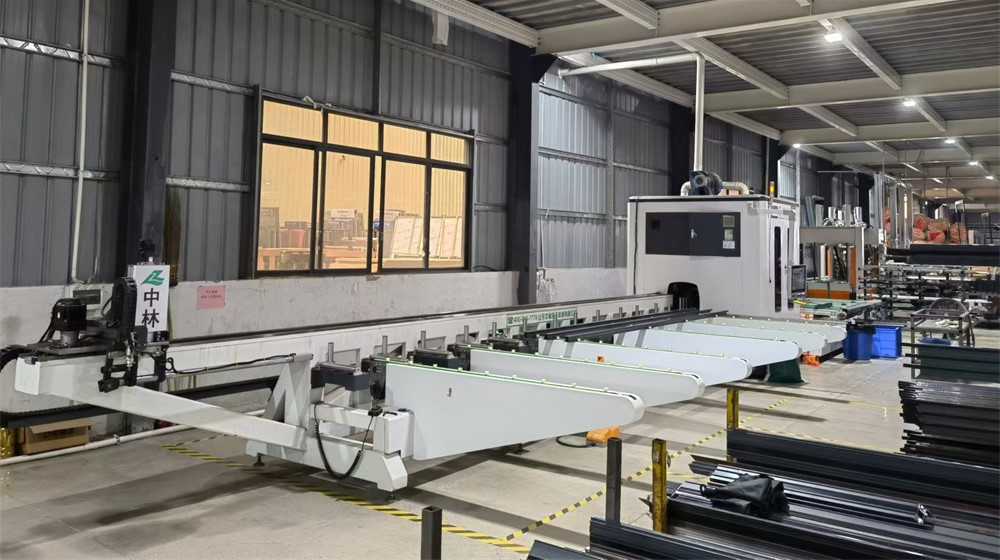
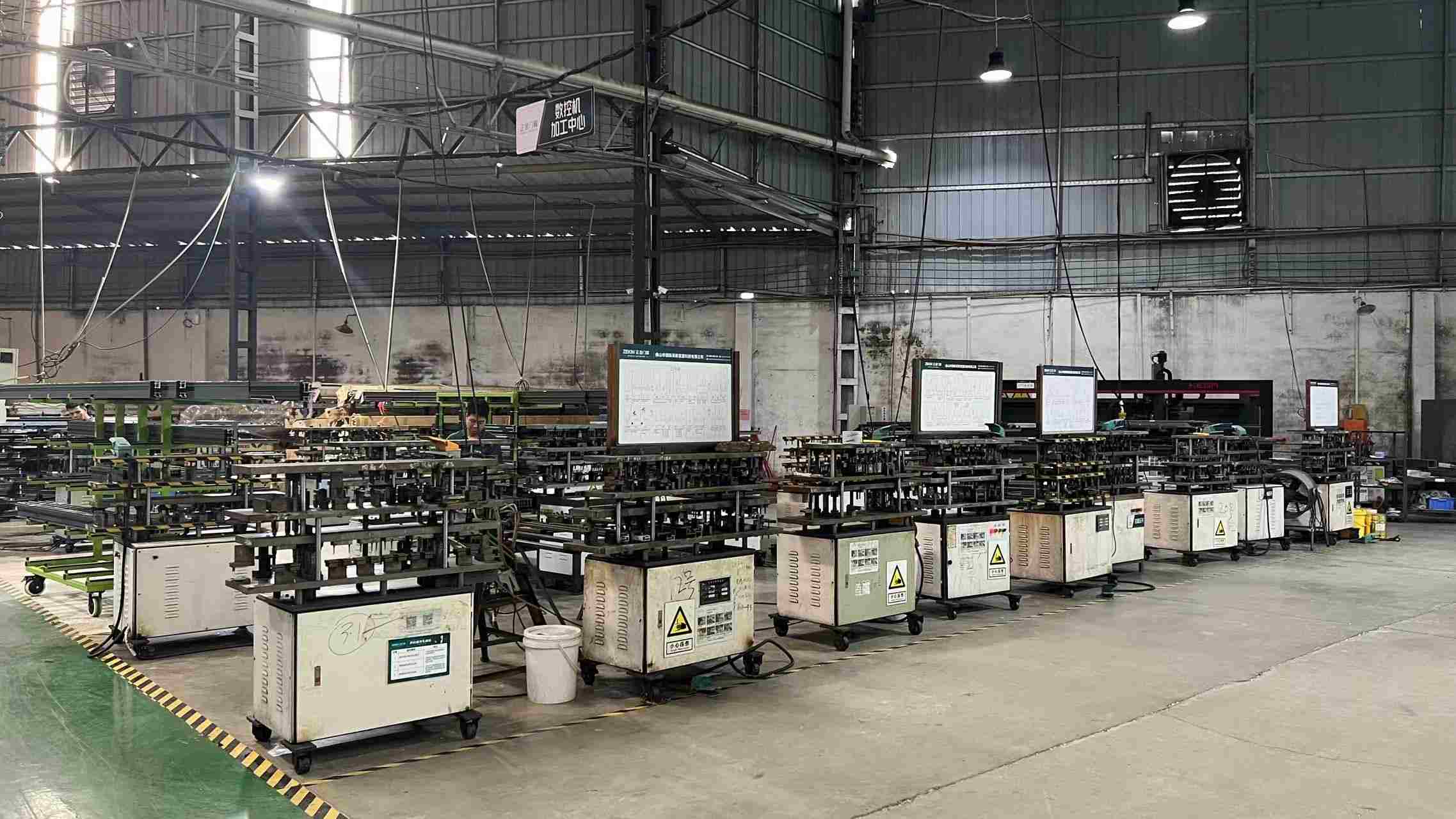
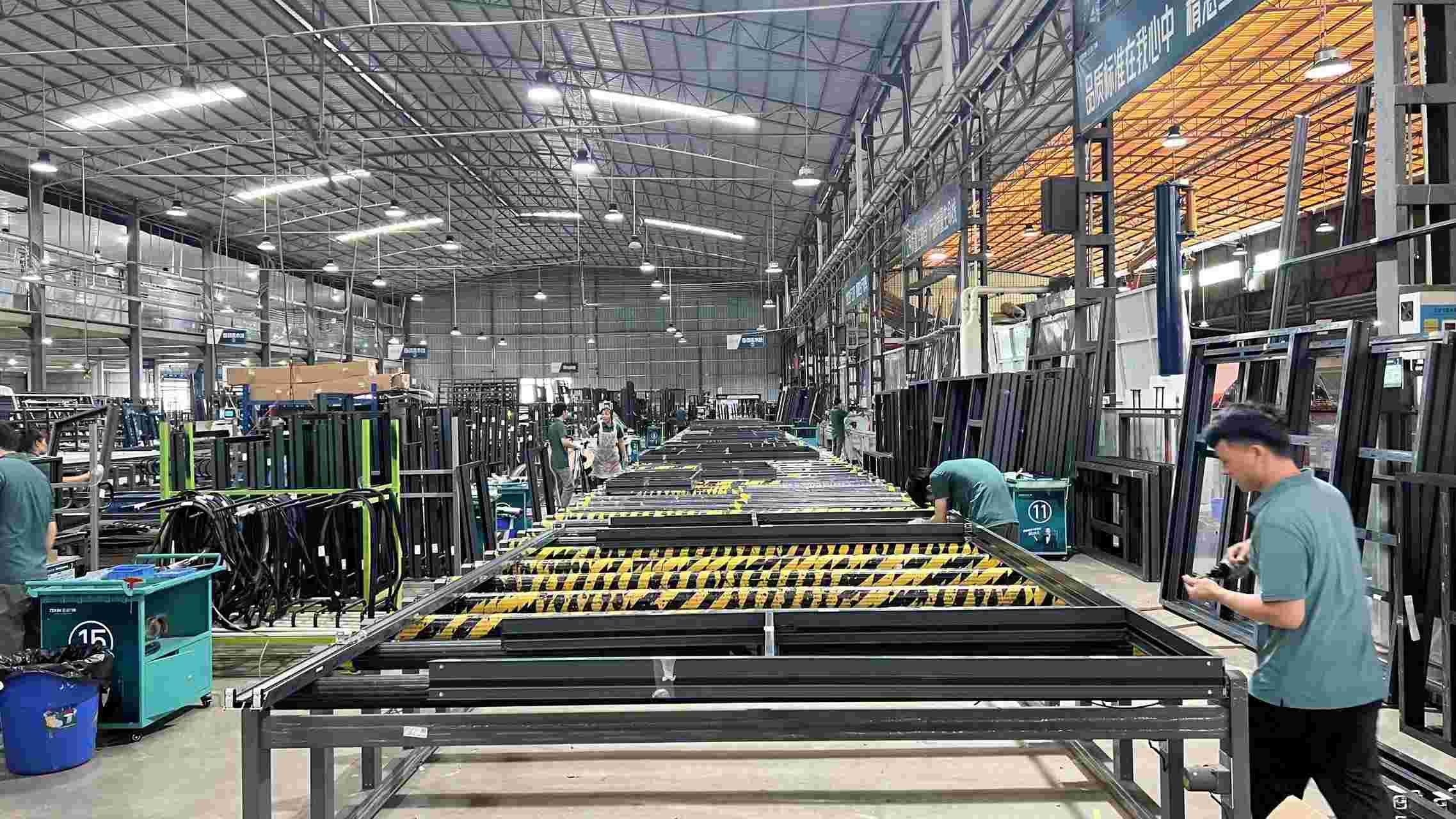
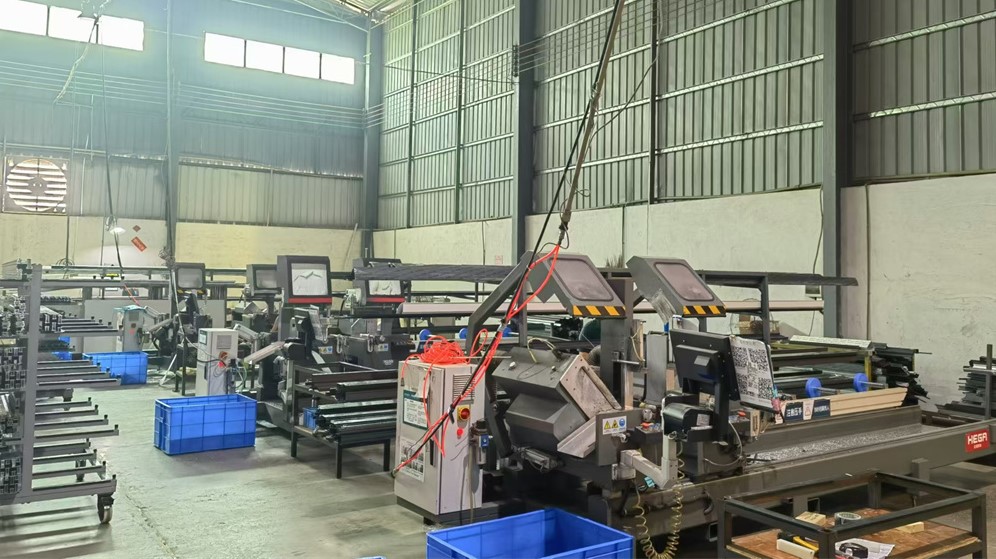
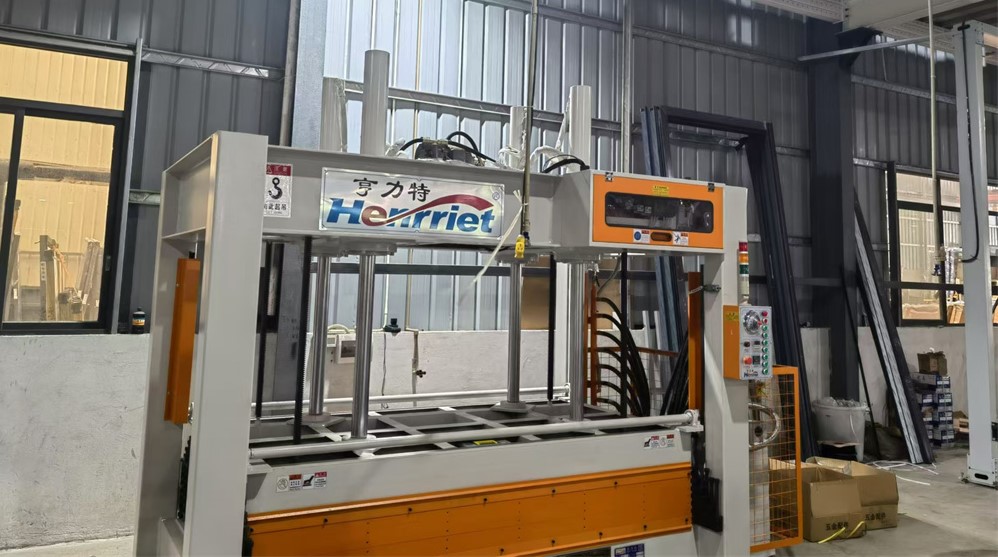
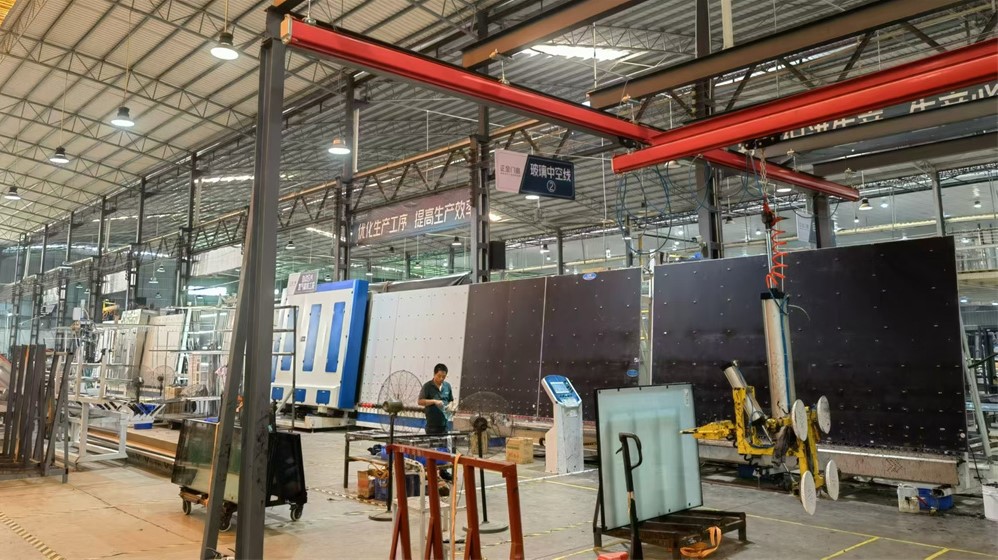
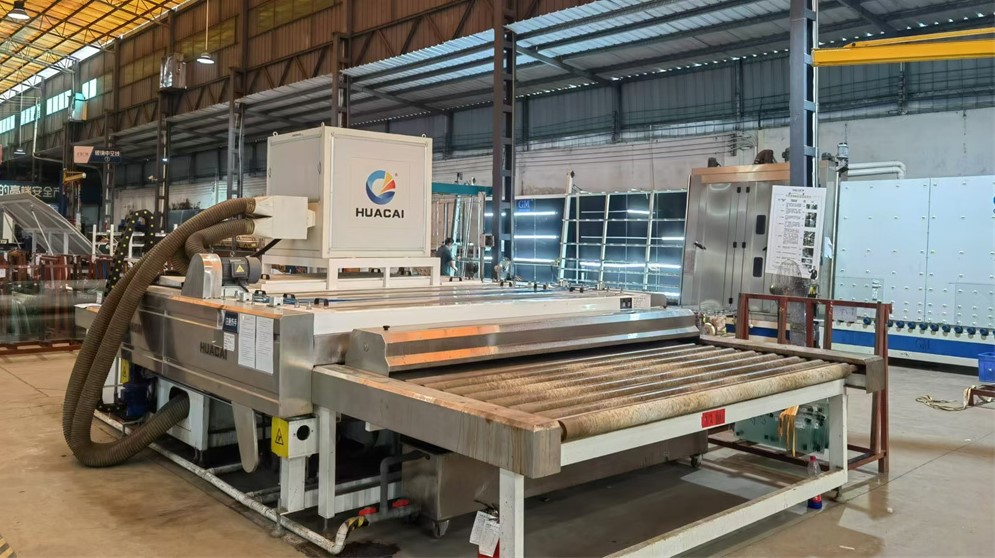
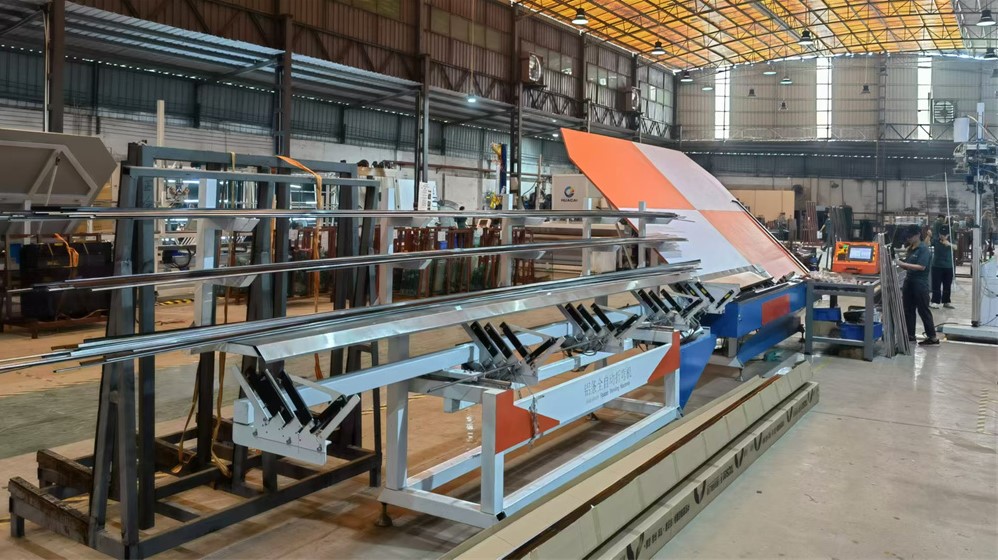
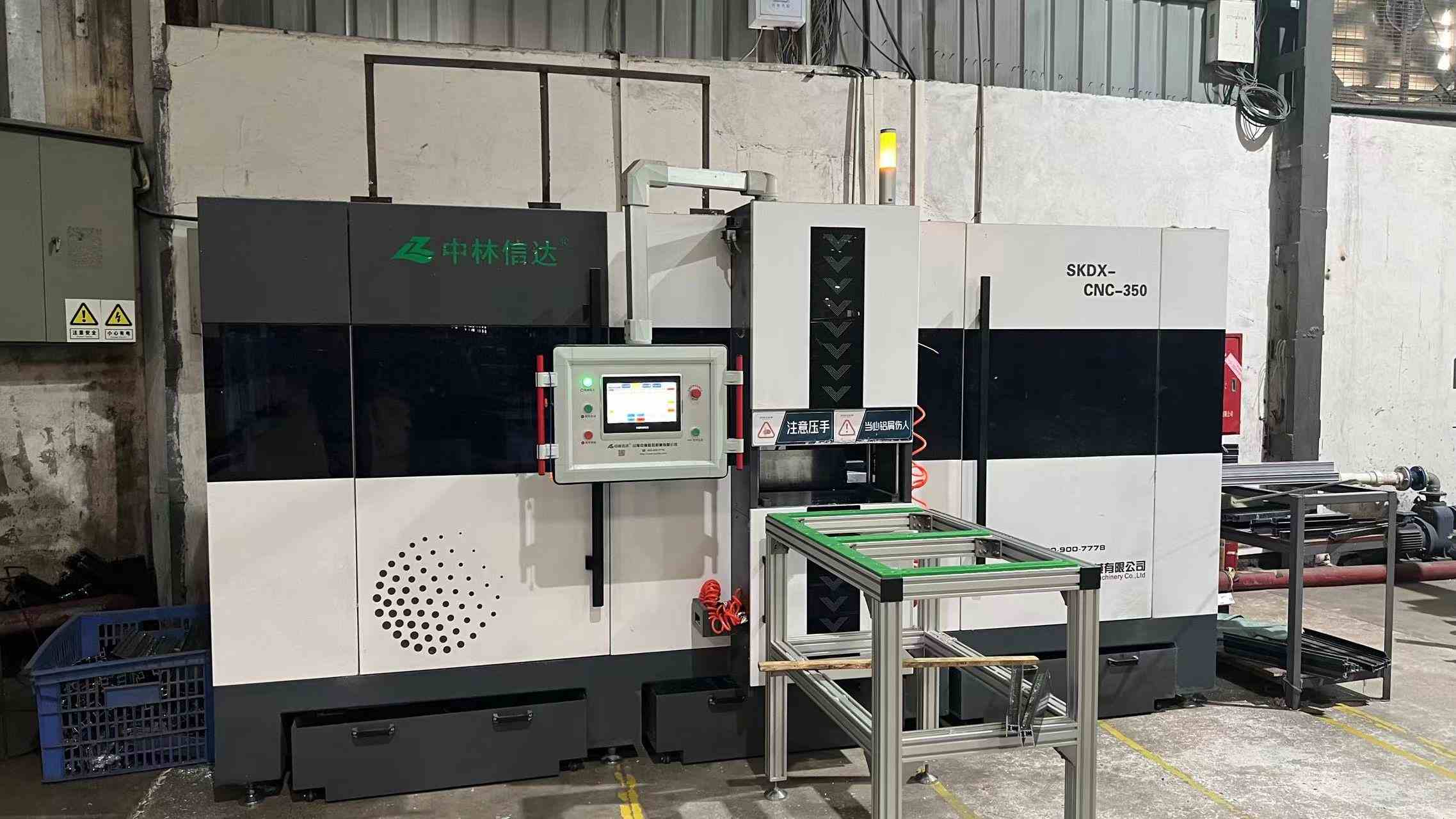
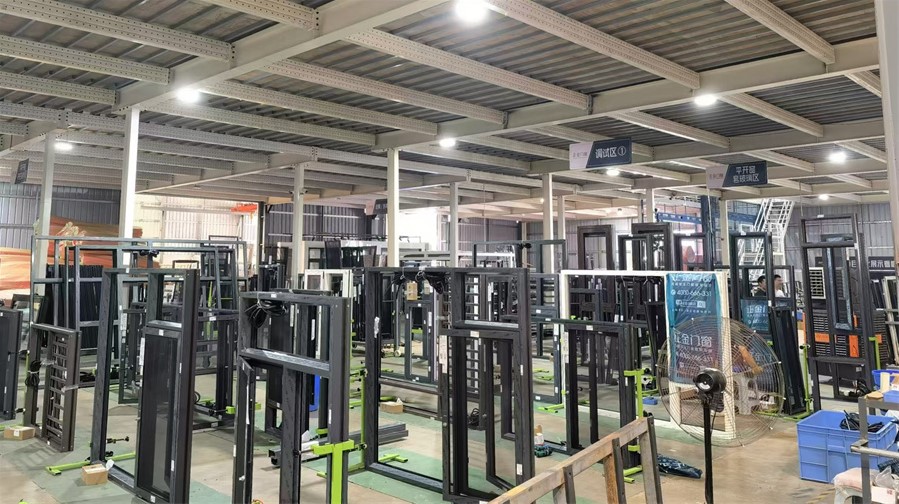
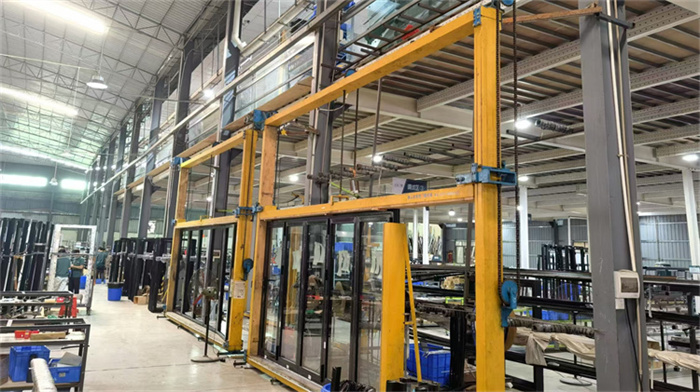
Precision door manufacturing requires absolute synchronization between automated machining, glass processing, structural framing, and quality verification. Below is the step-by-step manufacturing methodology and machinery fleet utilized at Luxfront’s 26,000 m² facility.
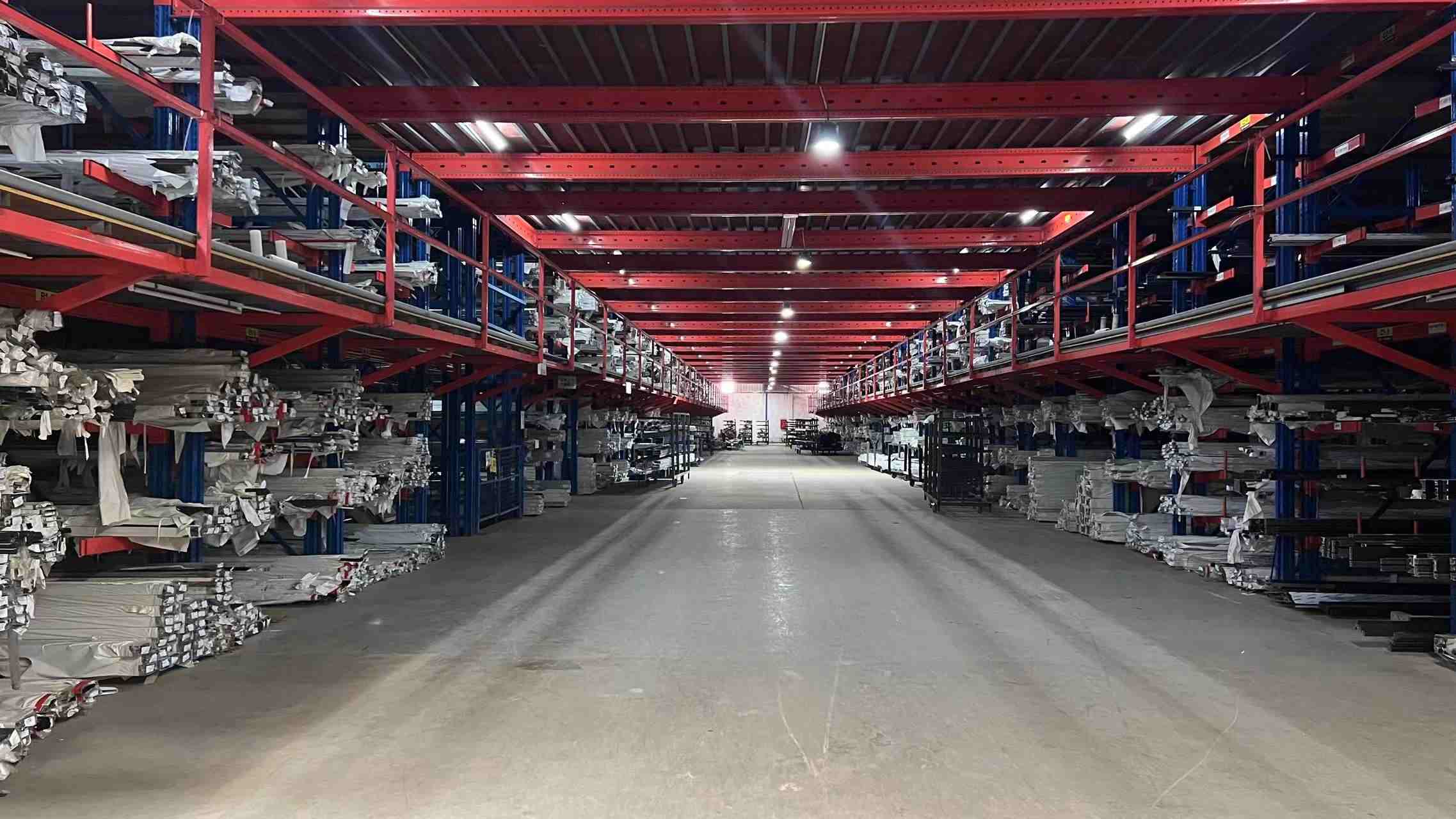
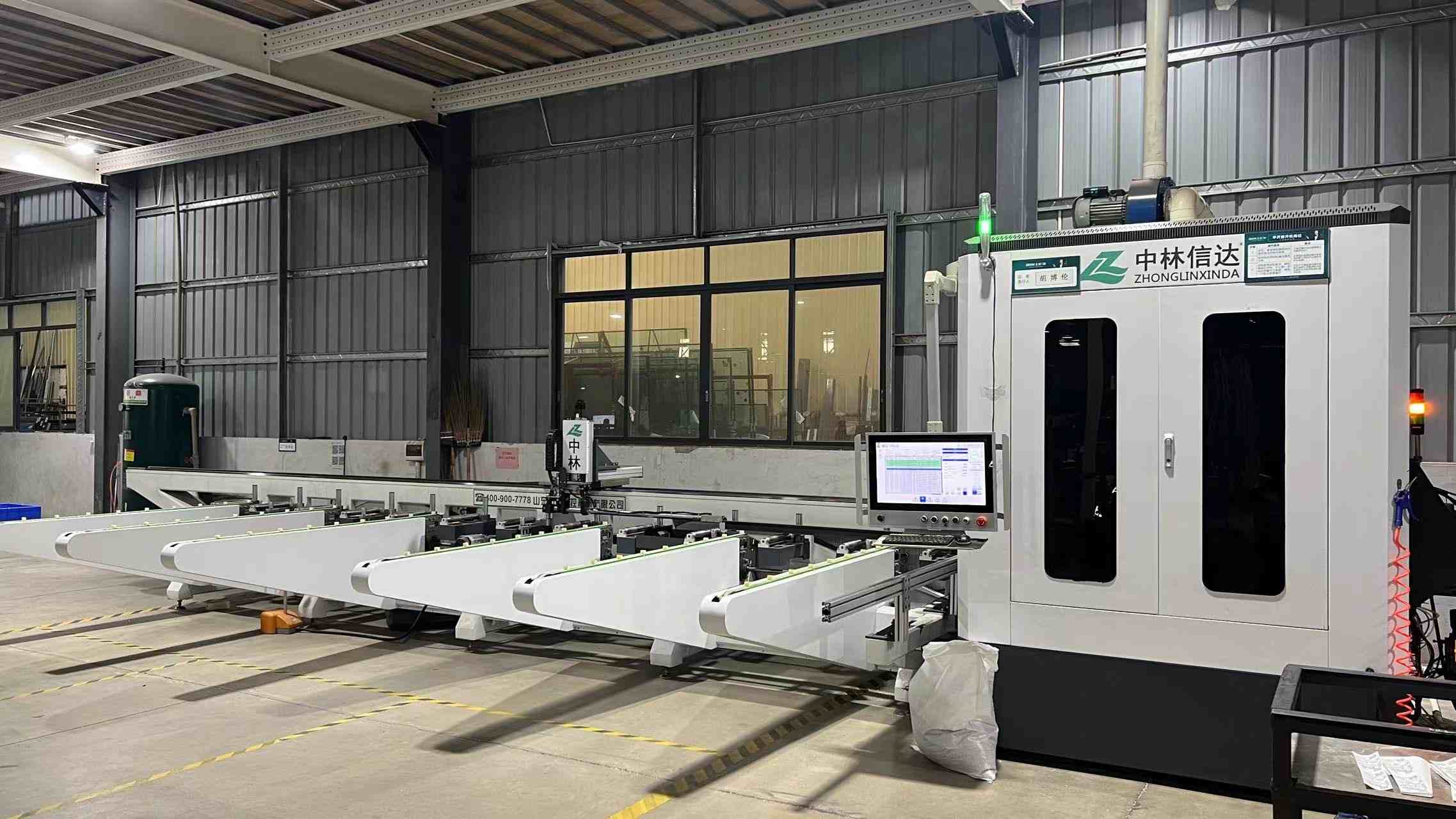
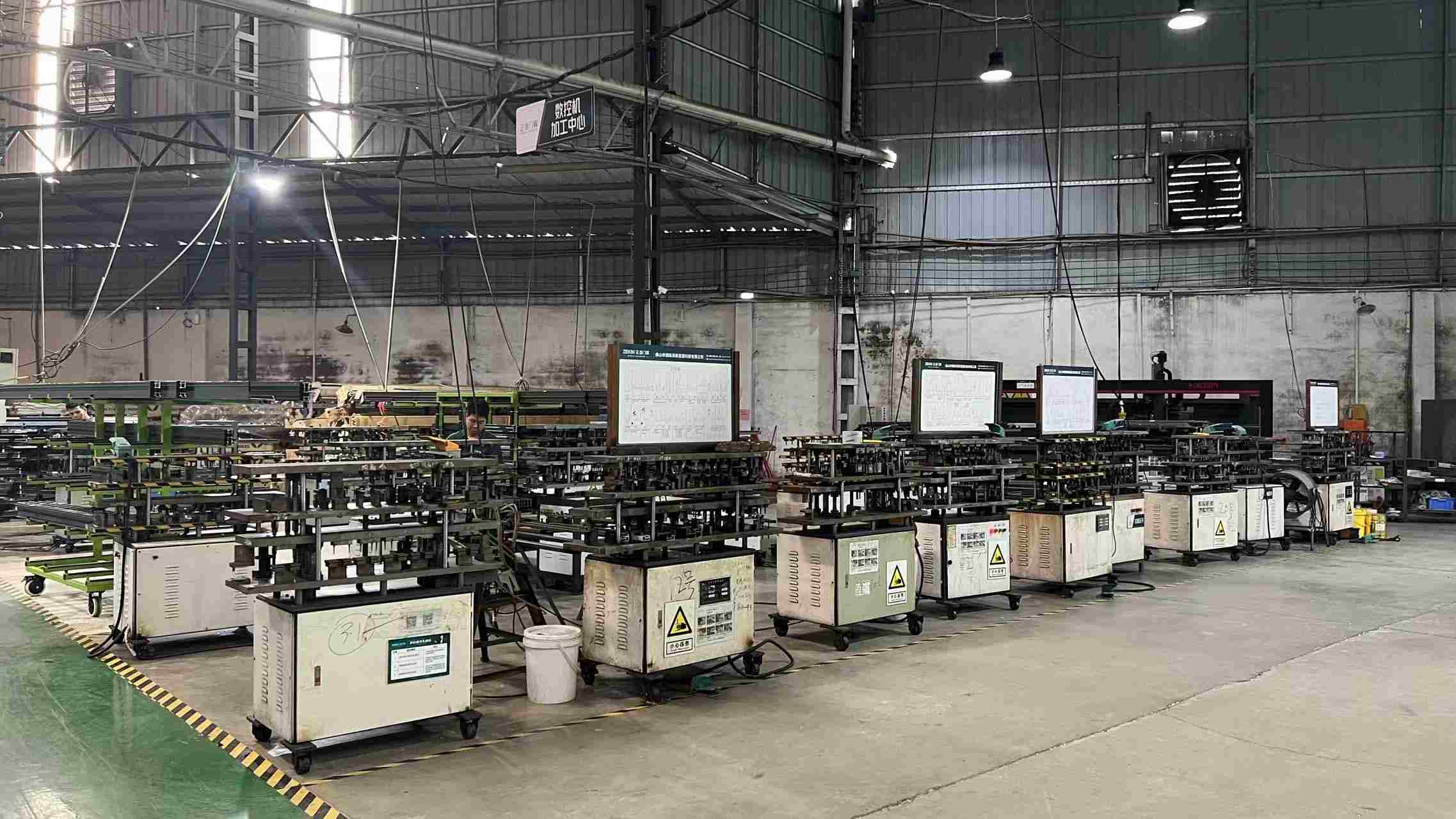
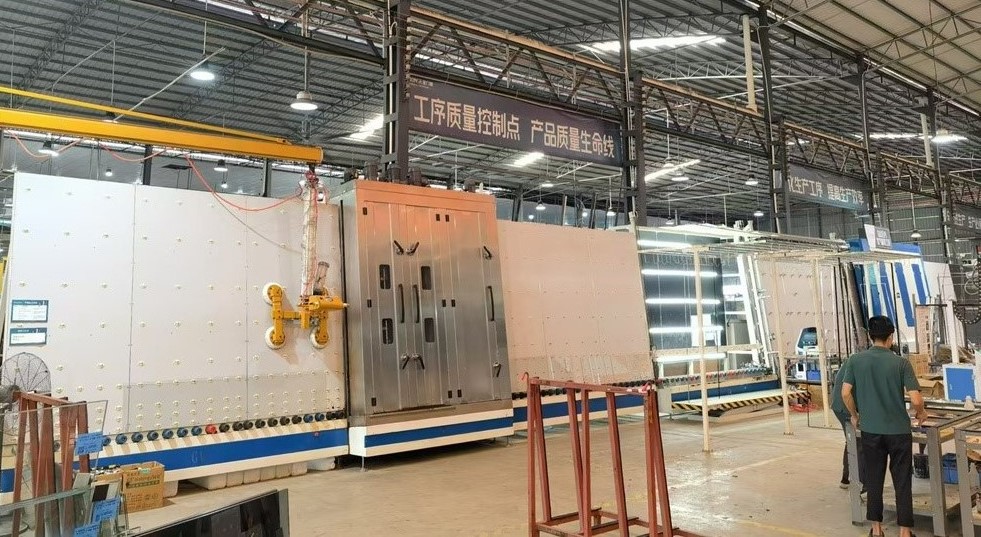
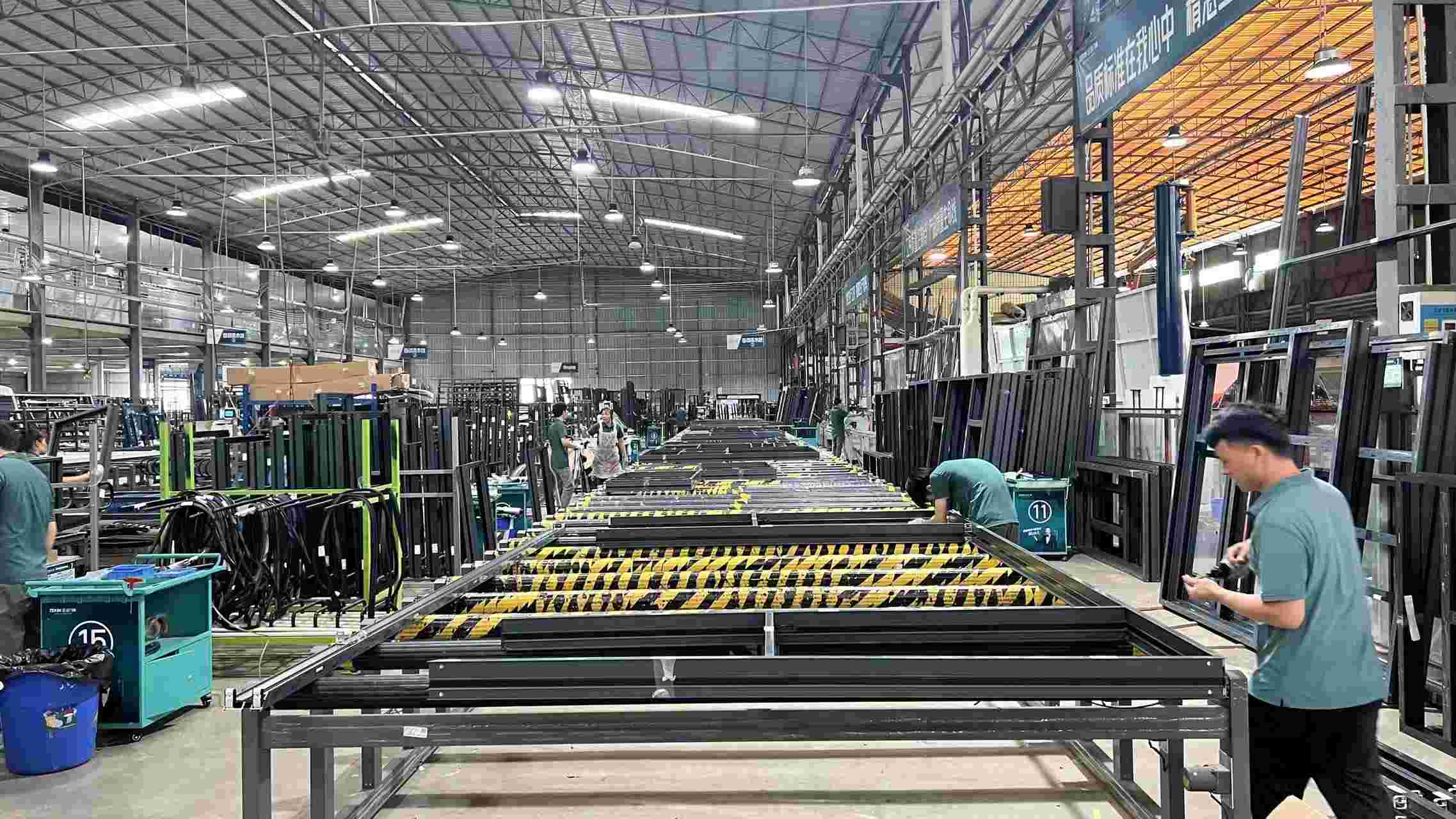
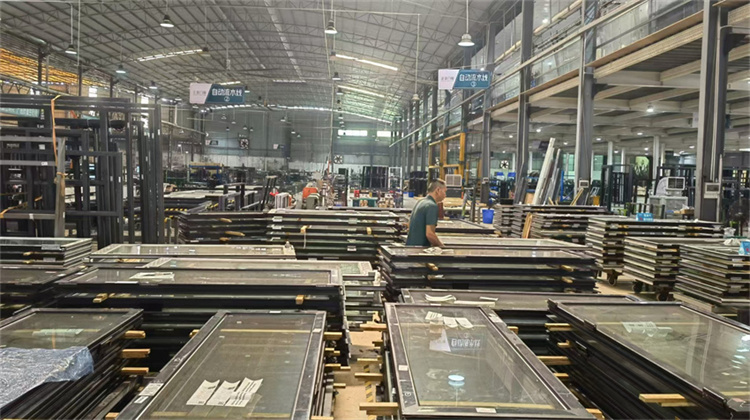
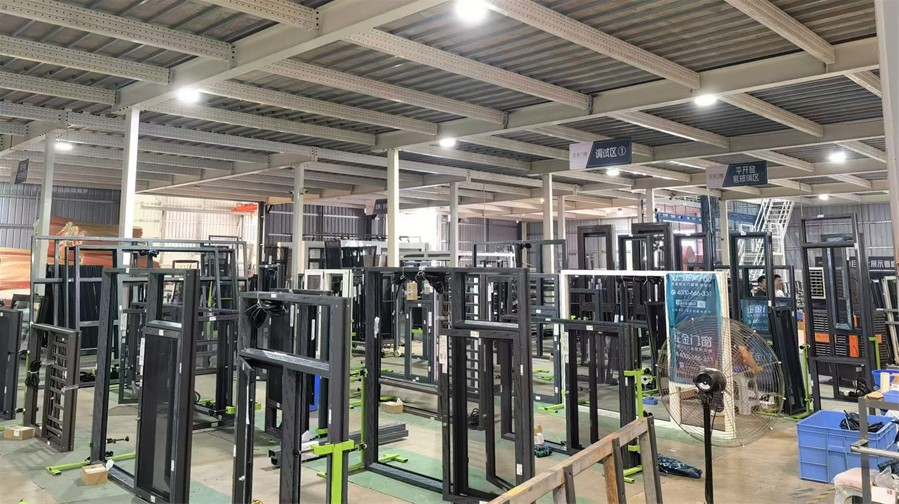
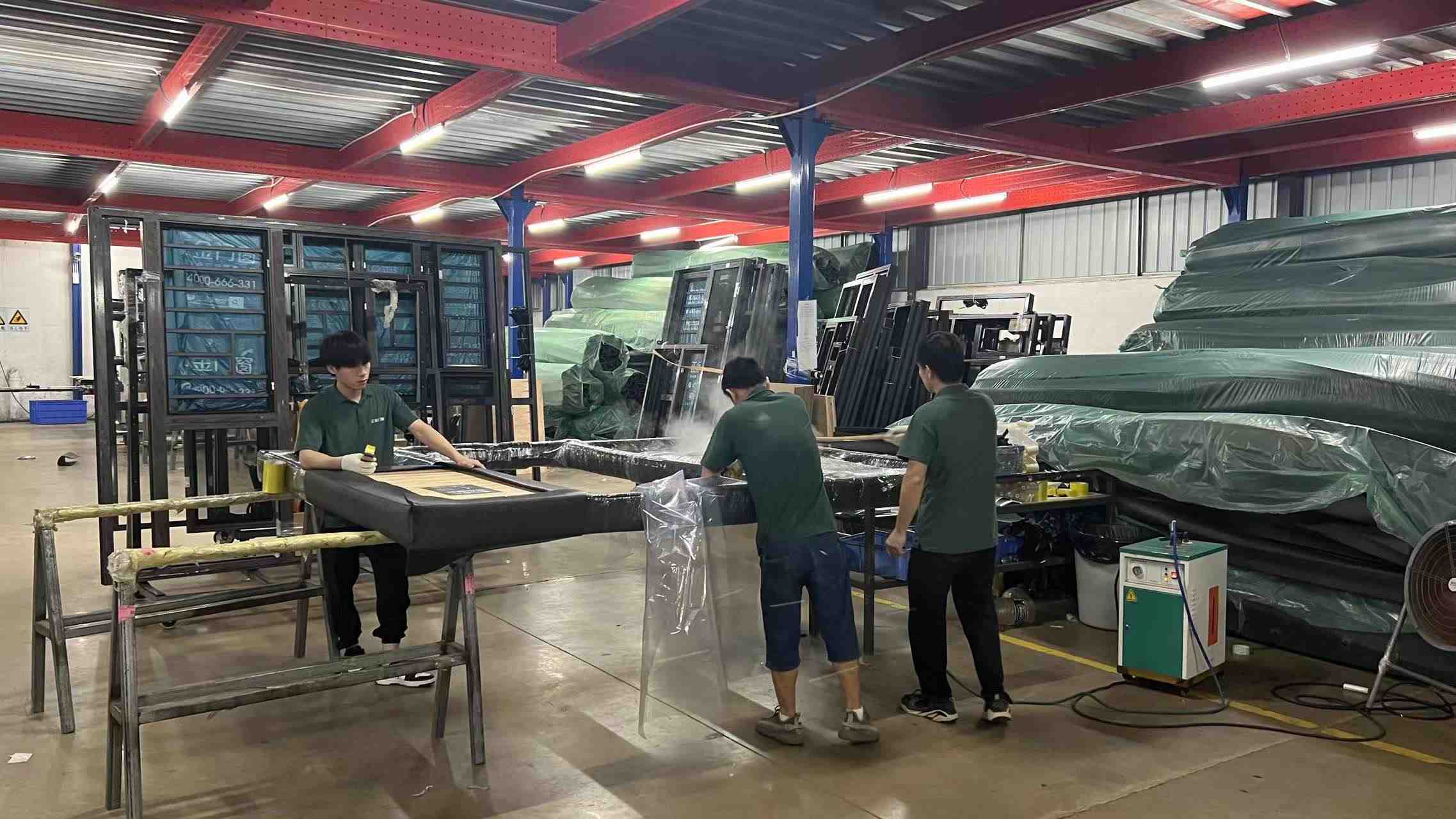
High-tolerance manufacturing demands machinery that operates to sub-millimeter tolerances (+/- 0.5mm). Luxfront utilizes advanced double-head saws, automatic end millers, and dedicated hollow glass production lines to ensure seamless frame joints and zero air leakage.
Modern glass entry doors must meet distinct climate demands, zoning regulations, and structural loads depending on geographic placement. Leading Chinese factories customize frame engineering to fit hyper-specific regional parameters.
Challenge: High-Velocity Hurricane Zones (HVHZ) such as Florida, Texas, and coastal North Carolina require strict resistance to windborne debris and high static pressures.
Engineering Solution: Implementation of SentryGlas® (SGP) laminated impact glass, thick aluminum wall profiles (3.0mm+), and NOA (Notice of Acceptance) certified structural framing rated to withstand wind speeds up to 175 mph.
Challenge: Sub-zero winter temperatures demanding extreme thermal retention to prevent internal condensation and heat loss.
Engineering Solution: Triple-pane low-E glass filled with 95% Argon gas, continuous multi-chamber polyamide thermal breaks, and quad-gasket Santoprene weatherstripping to achieve U-values under 0.8 W/m²K (Passive House standards).
Challenge: Extreme UV exposure combined with corrosive salt-spray environments (AS2047 standard compliance).
Engineering Solution: Fluorocarbon (PVDF) or Interpon AAMA 2605 powder coatings offering 25+ years of anti-corrosion protection, alongside CodeMark-approved bi-fold and sliding systems with stainless steel 316 marine-grade hardware.
To qualify for major international commercial and luxury residential projects, Chinese glass door manufacturers undergo rigorous third-party auditing and physical lab testing. Procurement managers must verify the following global credentials:
National Fenestration Rating Council (USA) certification guarantees audited thermal transmittance (U-factor), Solar Heat Gain Coefficient (SHGC), and Visible Transmittance (VT) data accuracy.
Notice of Acceptance confirms structural testing under TAS 201 (Large Missile Impact), TAS 202 (Uniform Static Air Pressure), and TAS 203 (Cyclic Wind Pressure Loading).
Mandatory certification for building code compliance across Australia and New Zealand, verifying structural deflection, air infiltration, and water penetration resistance.
Addressing core technical questions from architects, general contractors, and structural engineers during the door sourcing process.
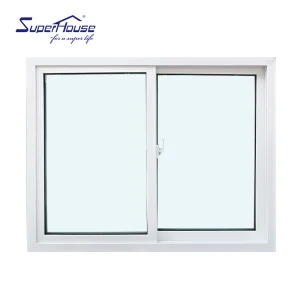
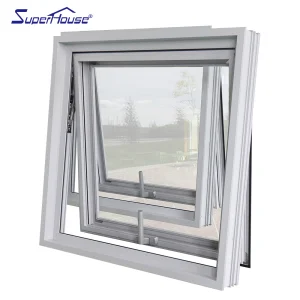
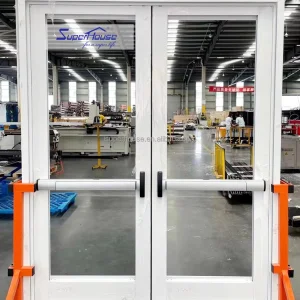
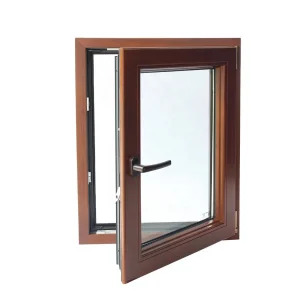
Complete your project specifications with matching hurricane-rated casements, thermal break hung windows, vinyl sliding units, and specialized panic hardware escape systems.
 Luxfront