Explore our engineering-grade product line manufactured under strict ISO9001 and CE compliance frameworks for global commercial and high-end residential installations.
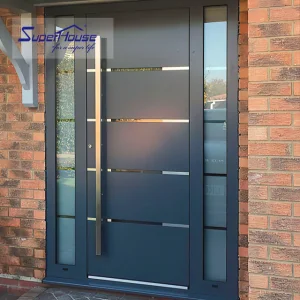
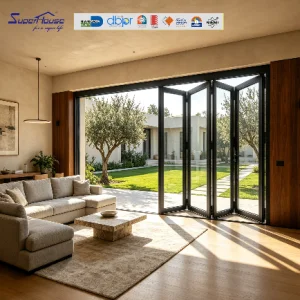
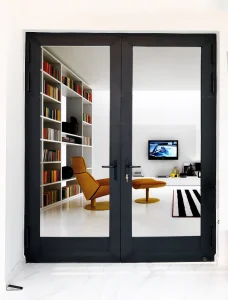
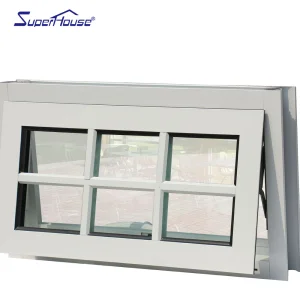
In contemporary high-end residential and commercial architecture, the entryway is no longer merely a point of ingress; it represents a primary structural statement. Over the past decade, demand for oversized aluminum pivot doors has surged by more than 185% across North America, Western Europe, and coastal Australia. Unlike traditional side-hinged systems, pivot doors redistribute massive panel loads across floor-mounted hydraulic pins and overhead pivot boxes, enabling unprecedented panel dimensions exceeding 3.0 meters in width and 6.0 meters in height.
However, scaling door dimensions introduces severe physical challenges regarding torsional deflection, air-water tightness, structural thermal bridging, and operational safety. Achieving full CE Certification (EN 14351-1) is mandatory for European market penetration and serves as a global benchmark for engineering reliability. Sourcing from verified manufacturing facilities that possess integrated R&D, precision CNC machining, and automated assembly workflows is essential for real estate developers, facade contractors, and architectural design firms seeking to mitigate structural failure risks and warranty claims.
The Harmonized European Standard EN 14351-1 dictates performance requirements for windows and external pedestrian doorsets. For aluminum pivot doors, CE compliance demands rigorous laboratory stress testing across five foundational engineering parameters:
Pivot doors present expansive surface areas subject to extreme positive and negative wind pressure. Under EN 12210 testing, frames undergo deflection tests up to Class P3 (up to 2000 Pa or higher for hurricane zones). Structural integrity requires extruded aluminum profiles using 6063-T6 or 6060-T66 alloys with wall thicknesses ranging between 3.0mm to 5.0mm, preventing panel deflection exceeding L/175 of the span.
Large metal profiles naturally act as thermal bridges. CE-compliant factories implement multi-cavity thermal break systems utilizing Polyamide PA66 GF25 (25% fiberglass reinforcement) strips. Combined with argon-filled low-emissivity double or triple insulated glass units (IGUs), modern pivot doors achieve global thermal transmittance values ($U_d$) as low as 0.85 to 1.2 W/(m²·K), satisfying passive house standards.
Traditional pivot doors historically struggled with weatherproofing at top and bottom drop zones due to the rotation clearance. Advanced manufacturing solves this via continuous perimeter EPDM (Ethylene Propylene Diene Monomer) gasket seals paired with automatic drop-down bottom seals (drop seals) that drop 15mm upon closure to seal against driving rain up to Class 9A (600 Pa pressure).
Despite handling panel weights exceeding 500 kg, CE-certified systems must operate under manual forces conforming to Class 2 (<100 N operating force). Heavy-duty floor spindles with integrated hydraulic dampeners undergo fatigue cycling tests up to 500,000 opening/closing cycles (Class 8 durability rating) without axial displacement or fluid leakage.
| Performance Parameter | CE Test Standard | Standard Market Grade | Luxfront High-Spec Engineering Standard |
|---|---|---|---|
| Structural Deflection Limit | EN 12210 | Class 3A (1200 Pa) | Class C5 / P3 (2400 Pa - Hurricane Resistant) |
| Air Tightness Rating | EN 12207 | Class 2 (300 Pa) | Class 4 (600 Pa Maximum Rating) |
| Water Resistance Threshold | EN 12208 | Class 4A (150 Pa) | Class E1050 (1050 Pa Water Resistance) |
| Thermal Transmittance ($U_d$) | EN ISO 10077-2 | 2.2 - 2.8 W/(m²·K) | 0.85 - 1.1 W/(m²·K) (Thermal Break PA66) |
| Acoustic Isolation ($R_w$) | EN ISO 140-3 | 28 dB - 32 dB | 38 dB - 45 dB (Laminated Acoustic Glass) |
The architectural hardware industry is experiencing a paradigm shift. Over the next five to ten years, aluminum pivot door design will evolve across three major technological frontiers:
Next-generation pivot doors seamlessly incorporate electromechanical multi-point locking systems (e.g., Kaba, Somfy, or custom micro-actuators). Fully concealed floor drives allow automatic hands-free operation via biometrics (facial recognition, fingerprint scanner), smartphone BLE encryption, or integration into KNX / Crestron Smart Home automation hubs, supported by emergency UPS battery backups.
Architects demand maximum glass surface area. Modern engineering roadmaps integrate structural carbon fiber rods inside aluminum extrusions. This hybrid composite construction increases bending stiffness by 40% while slimming vertical profile sightlines down to 20mm, accommodating heavy double-laminated smart tinting glass (PDLC electrochromic glass).
Future iterations prioritize zero-energy envelope compliance. Advanced aerogel insulation strips inserted within aluminum profile chambers combined with quad-glazed vacuum insulated glass (VIG) will allow future pivot doors to match opaque wall thermal insulation levels ($U_d < 0.5 \text{ W/m}^2\text{K}$).
For international procurement managers, real estate developers, and commercial facade contractors, purchasing custom architectural aluminum doors from overseas factories requires rigorous risk assessment. Below are core criteria evaluated by procurement teams during tier-1 factory audits:
Founded in 2007, Luxfront Architectural Doors Ltd. is a modern high-end door enterprise utilizing a 26,000 m² production facility. Backed by 17 years of technical manufacturing heritage and 7 years of international trade operations, the firm achieves $21 million in annual export revenue. Luxfront caters predominantly to North America, Western Europe, and Australia, serving boutique housing developers, luxury home builders, and architectural design agencies.
Working alongside 720 specialized raw material supply partners, quality assurance remains central to operations. A dedicated team of 32 QA inspectors oversees full-process sampling, CMM dimensional measurements, and weather-seal performance evaluations. Driven by market-leading architectural innovation, Luxfront's 45 R&D engineers released 110 original door designs last season. Complete custom options are available, covering large-format pivot door structures, concealed hinges, integrated LED ambient lighting, and premium wood-veneer aluminum finishes.
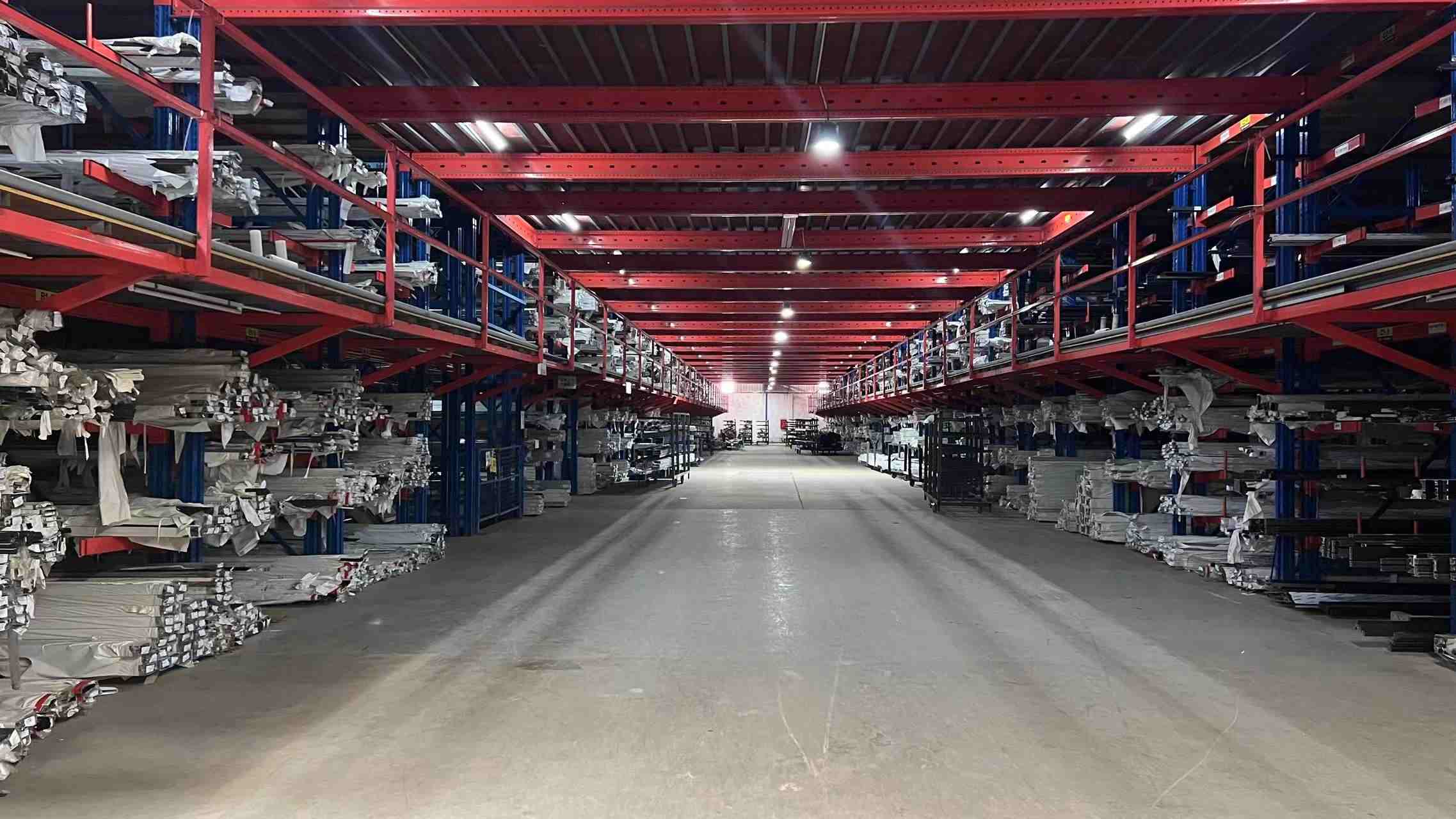
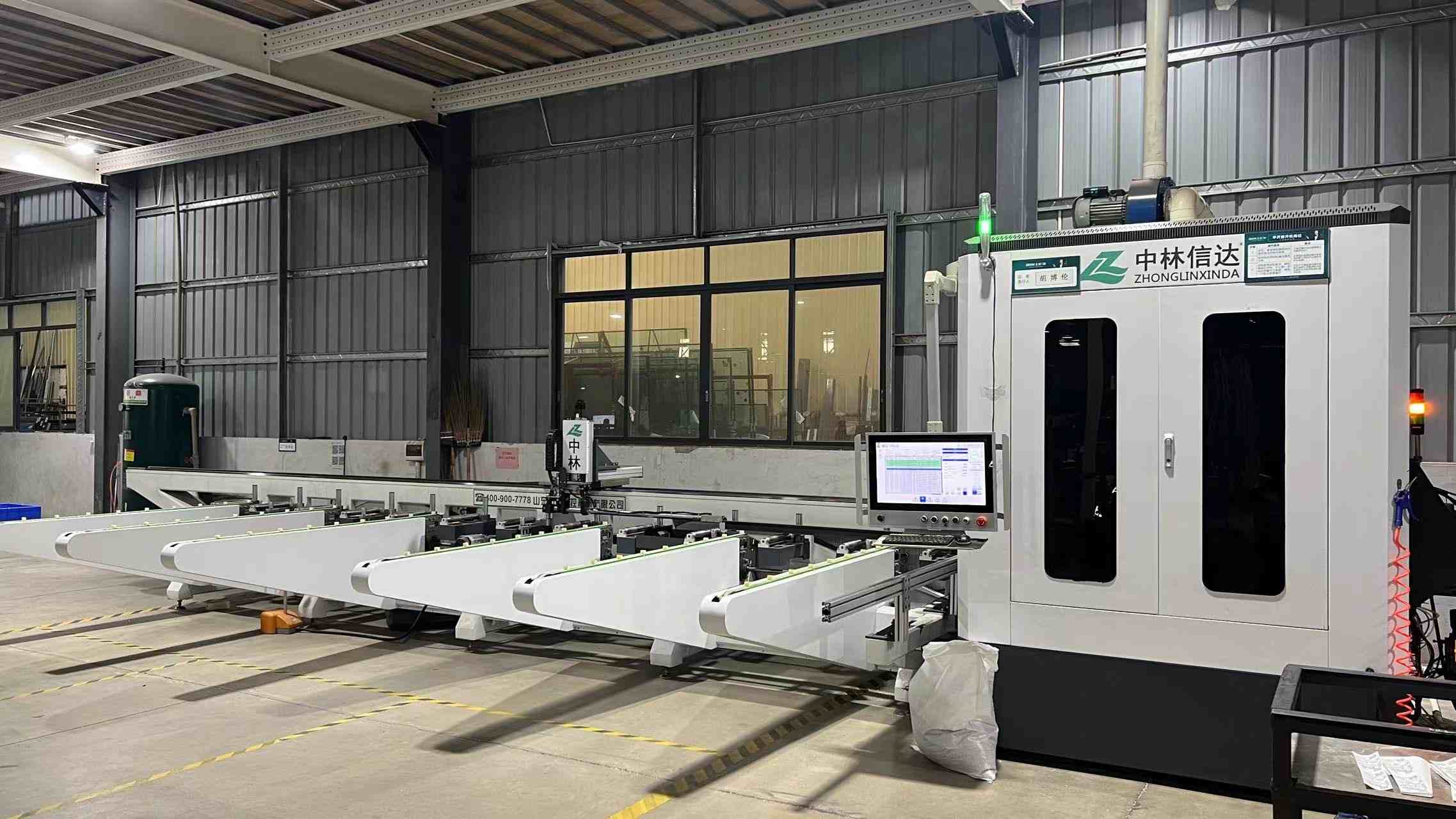
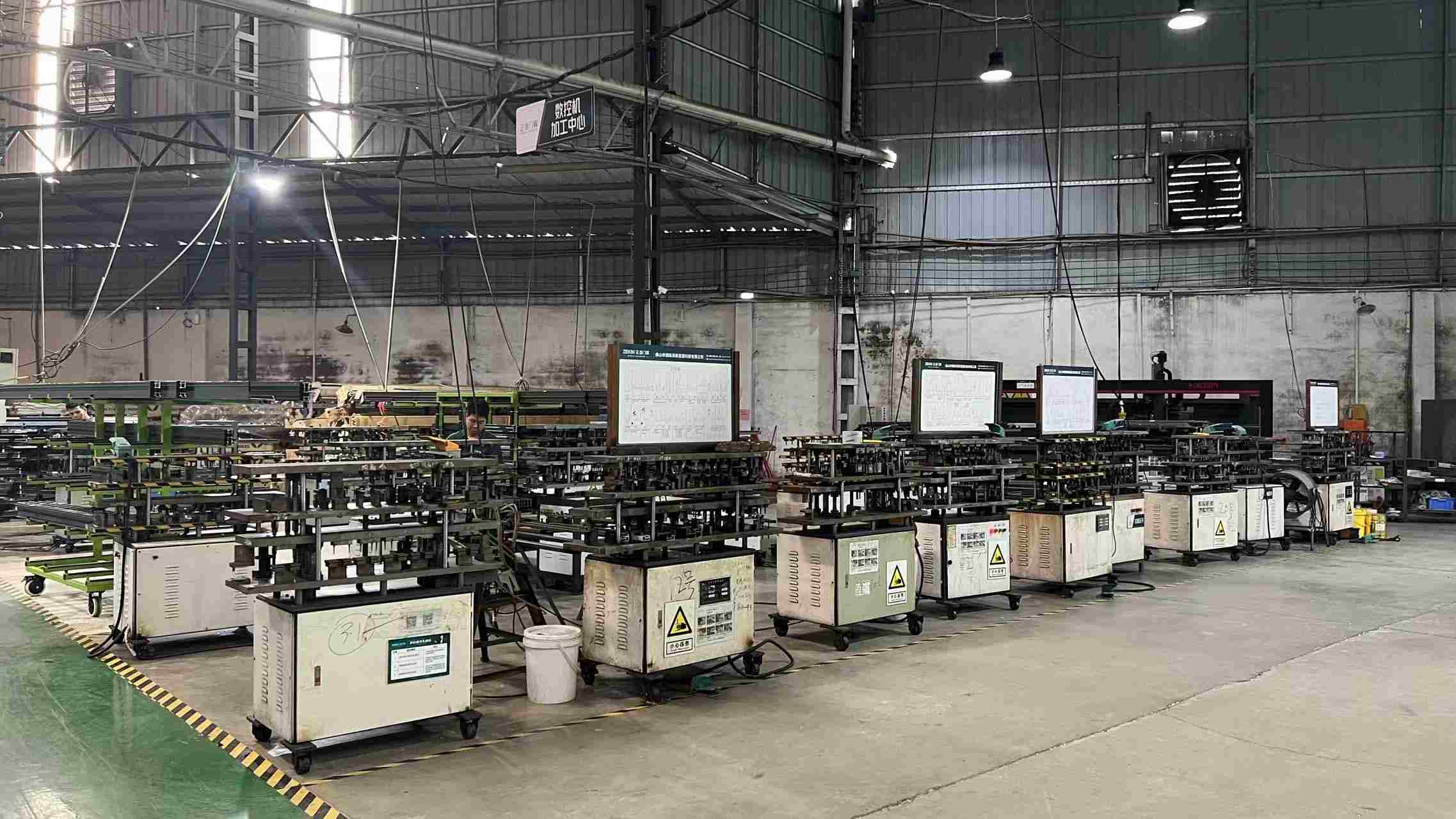
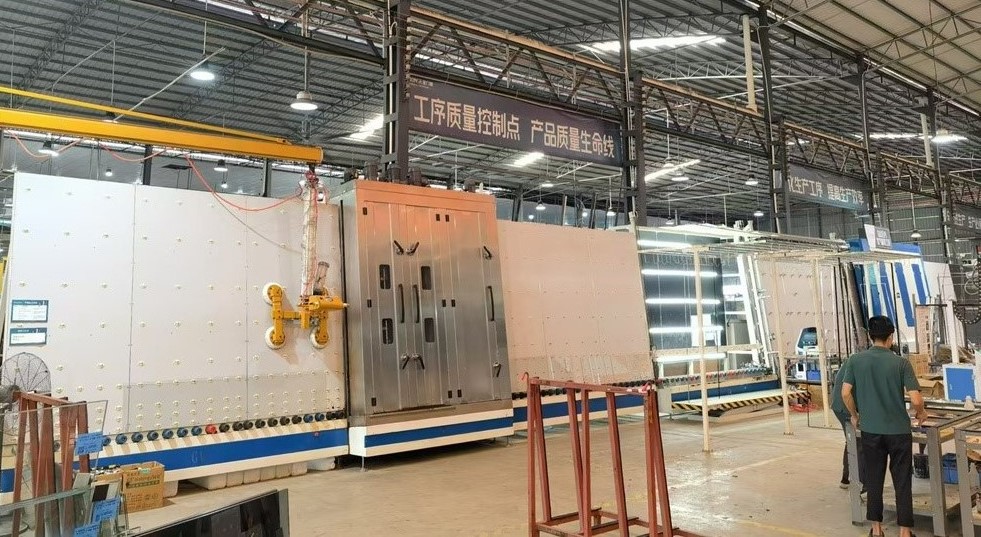
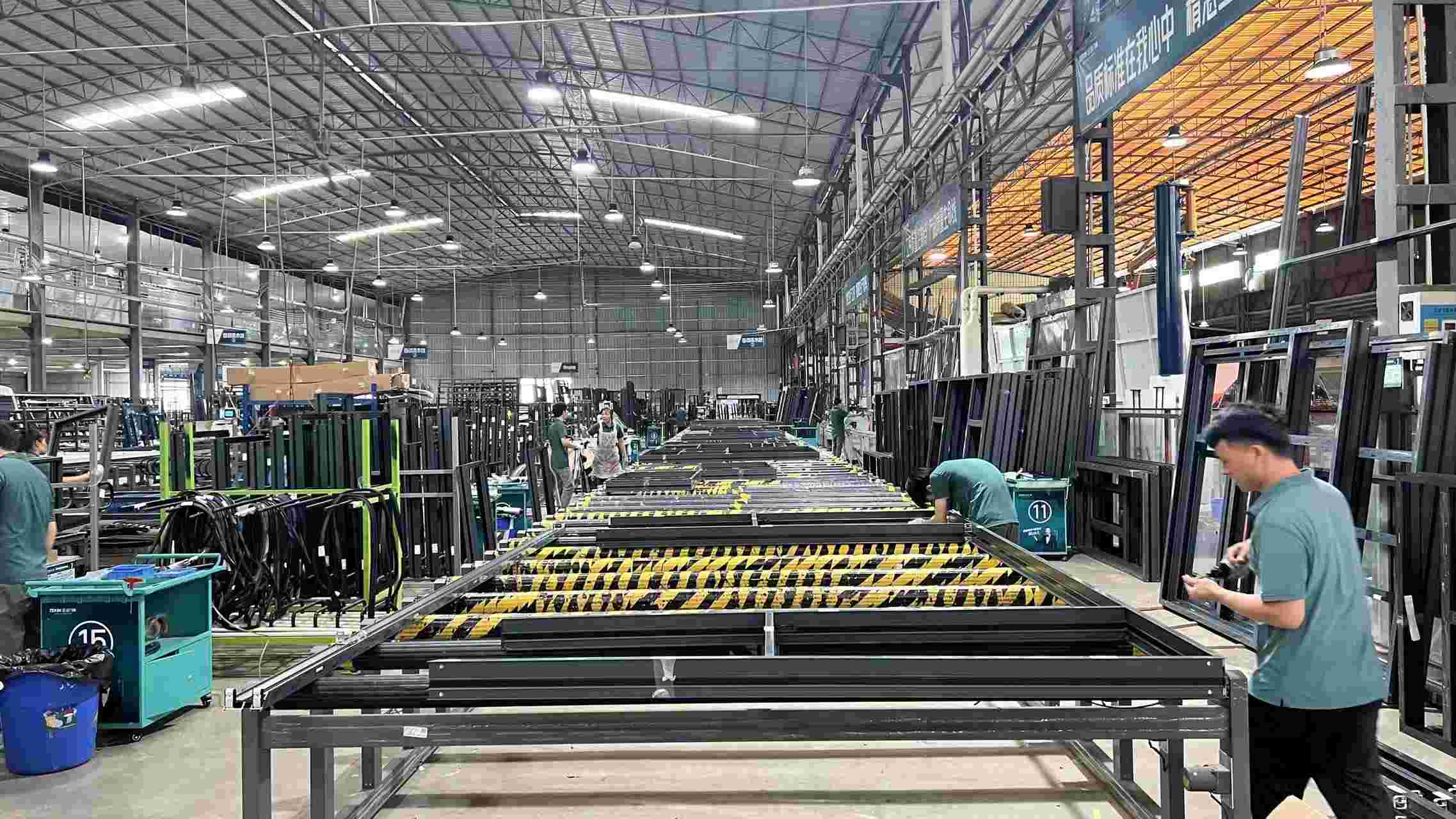
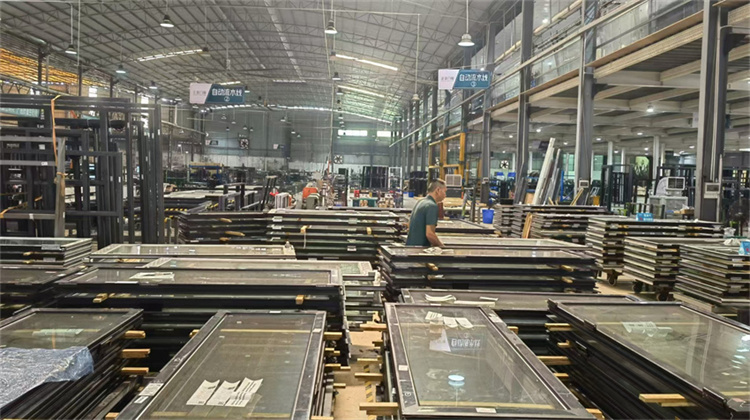
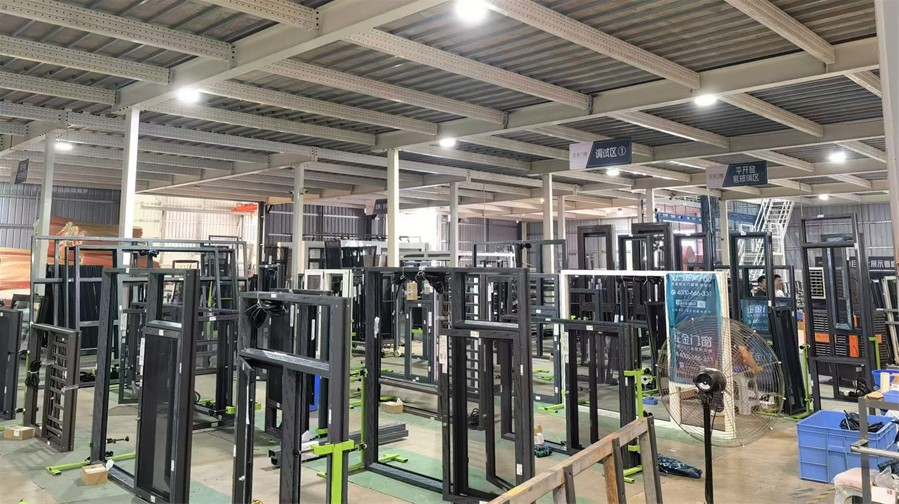
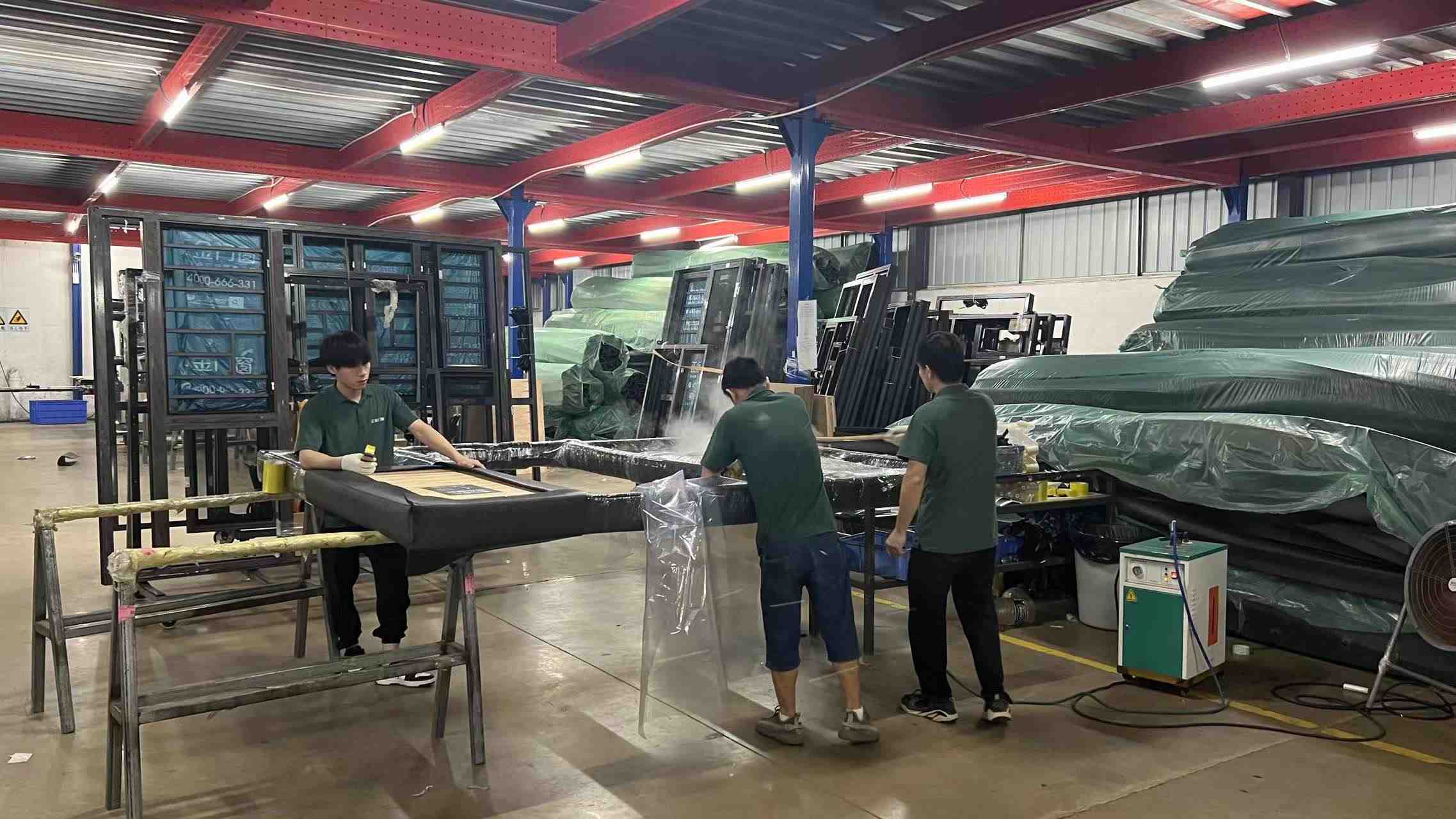
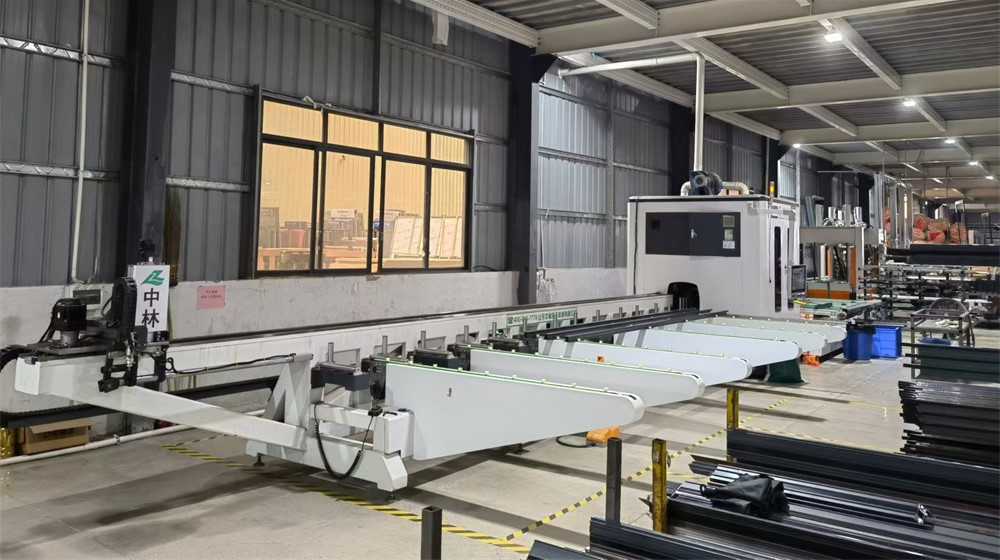
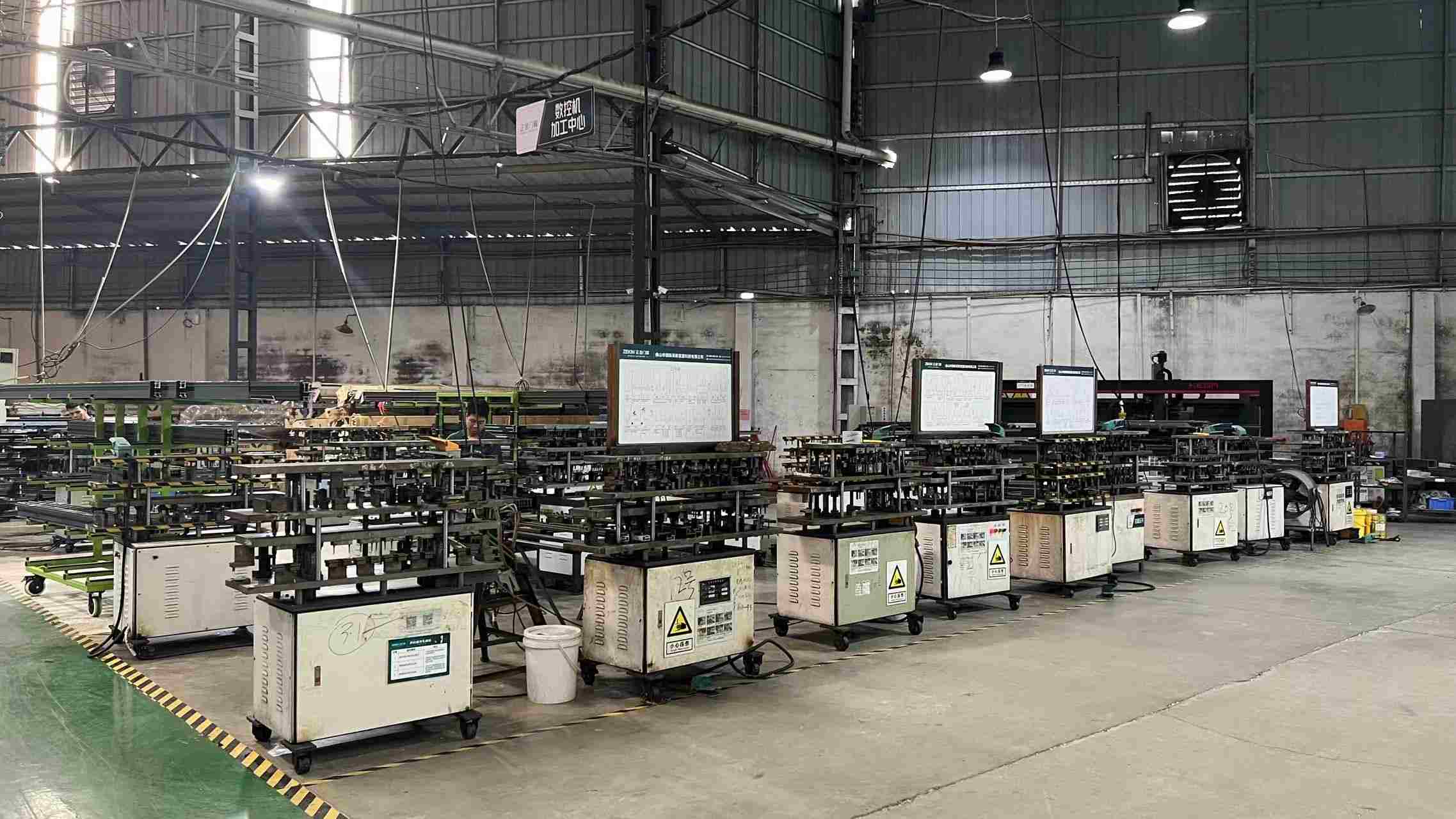
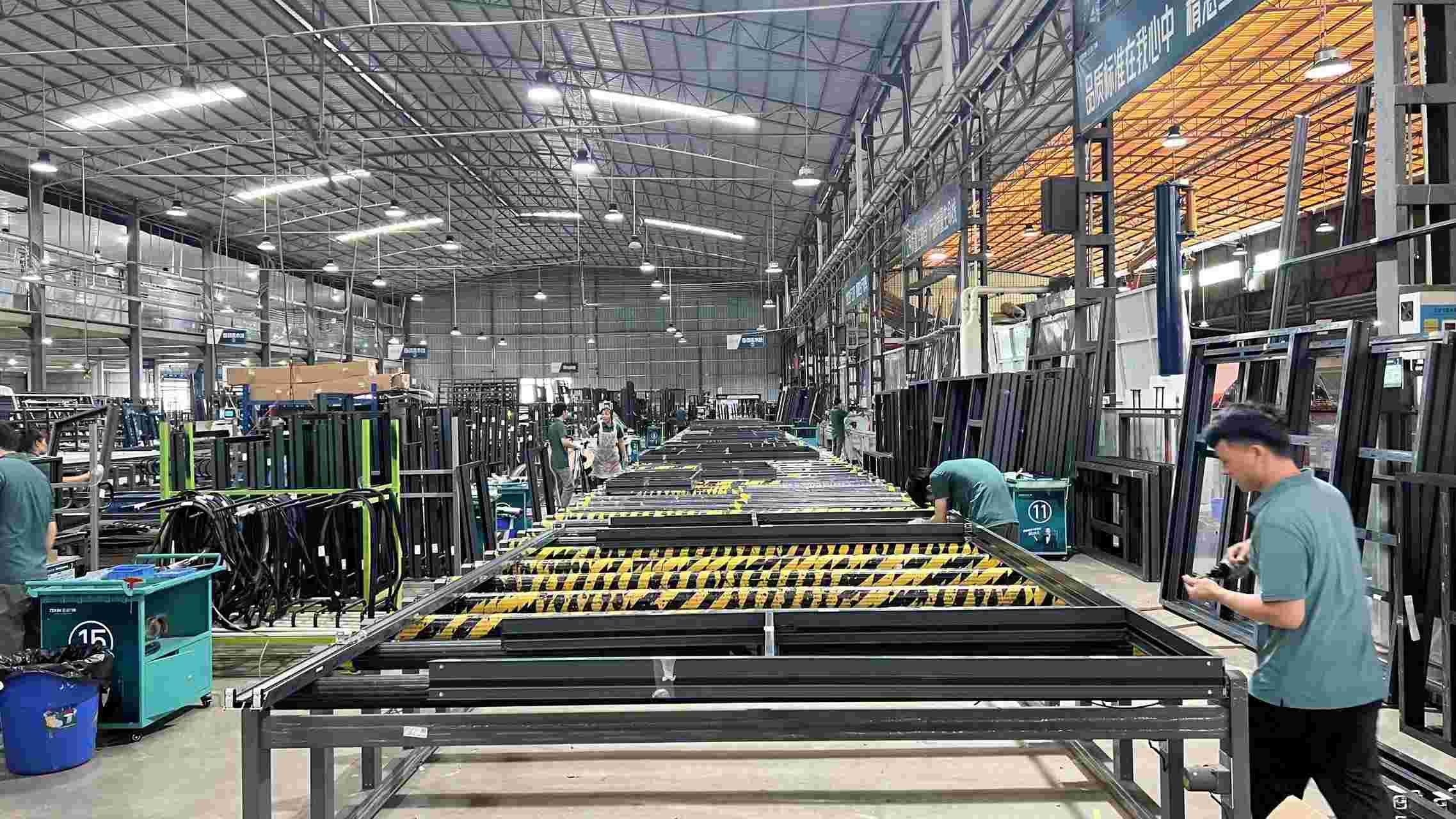
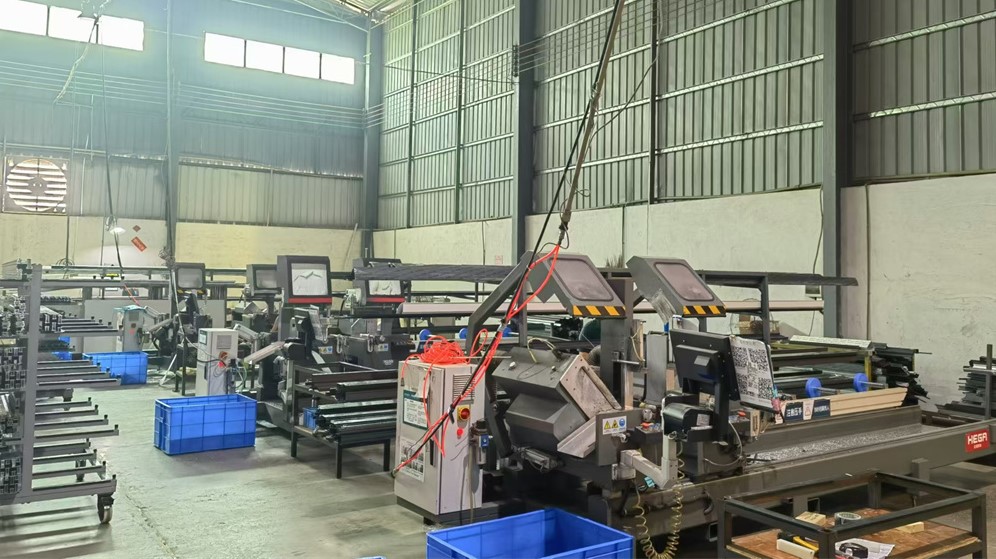
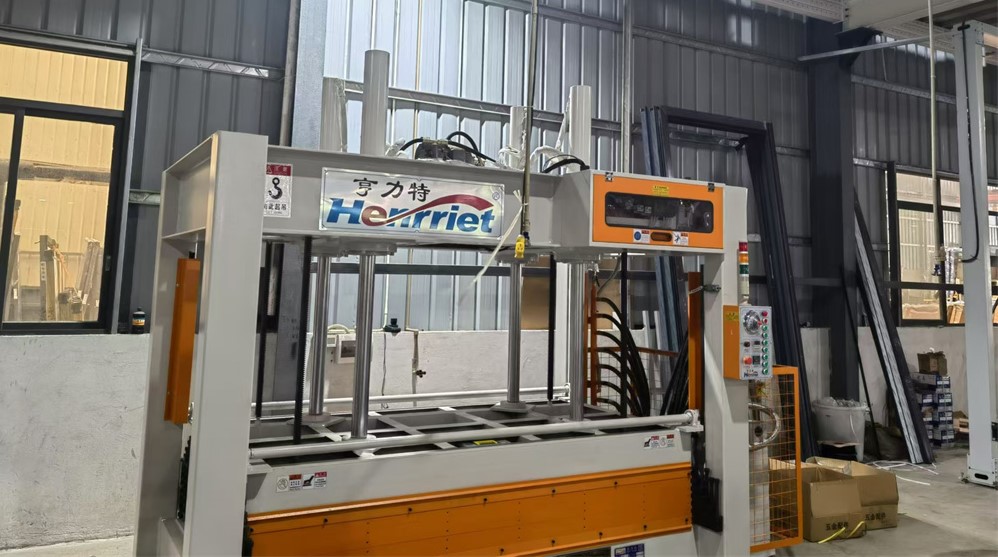
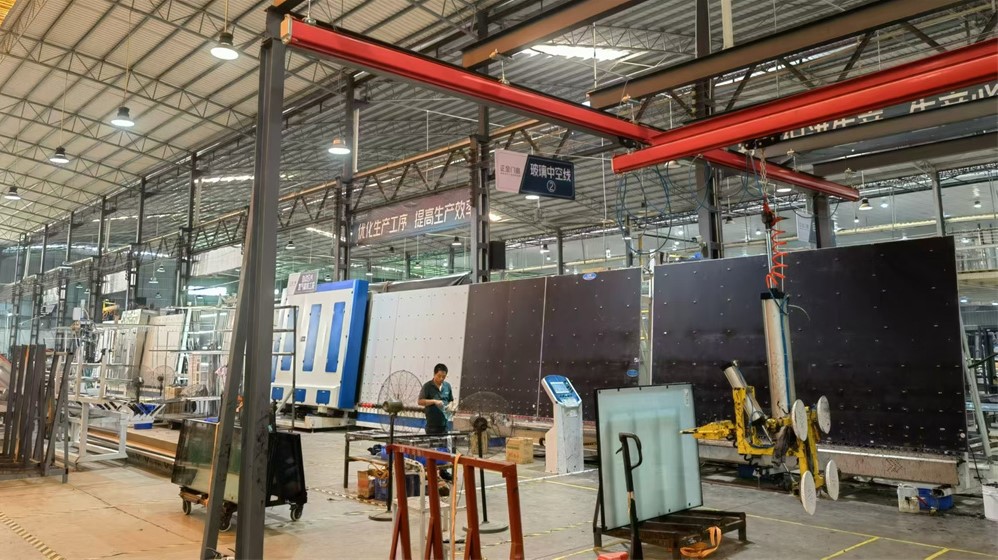
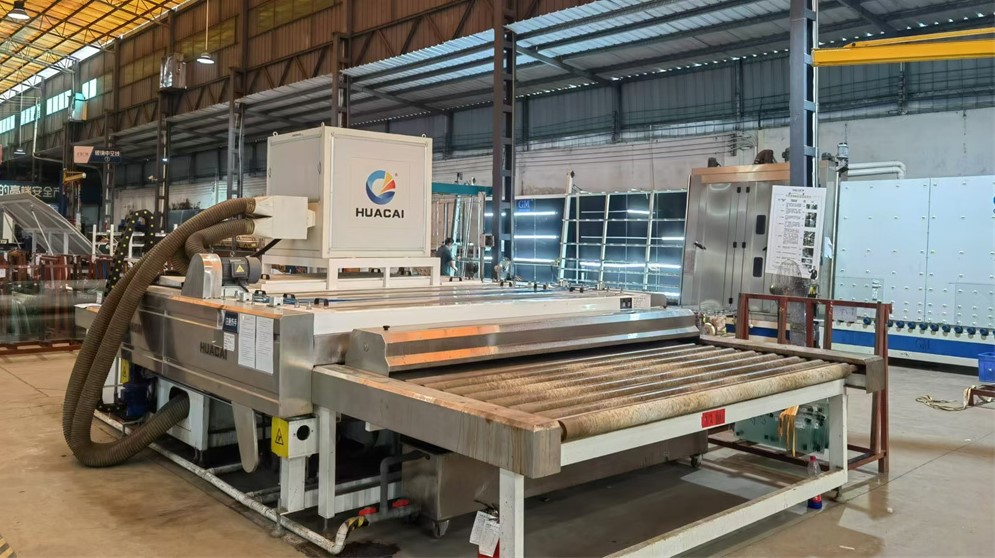
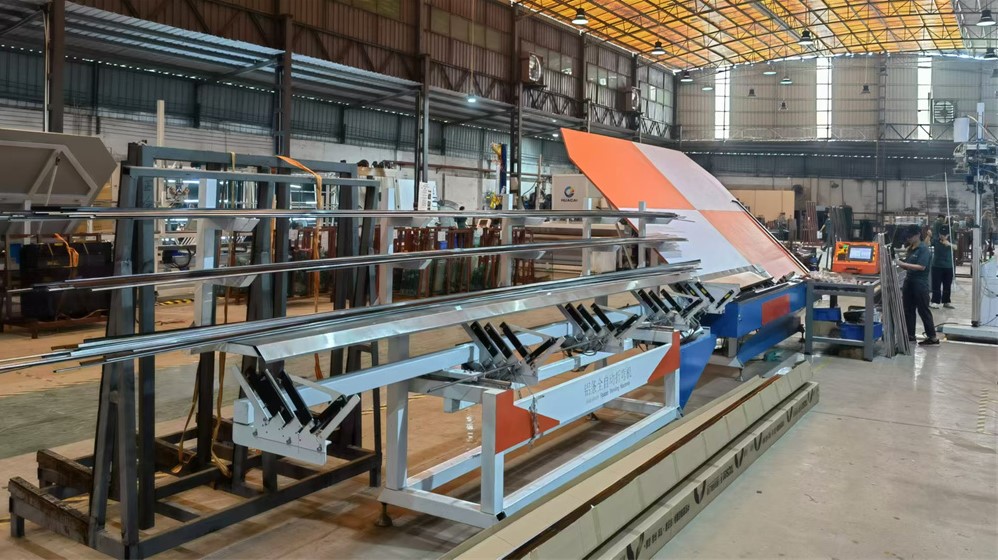
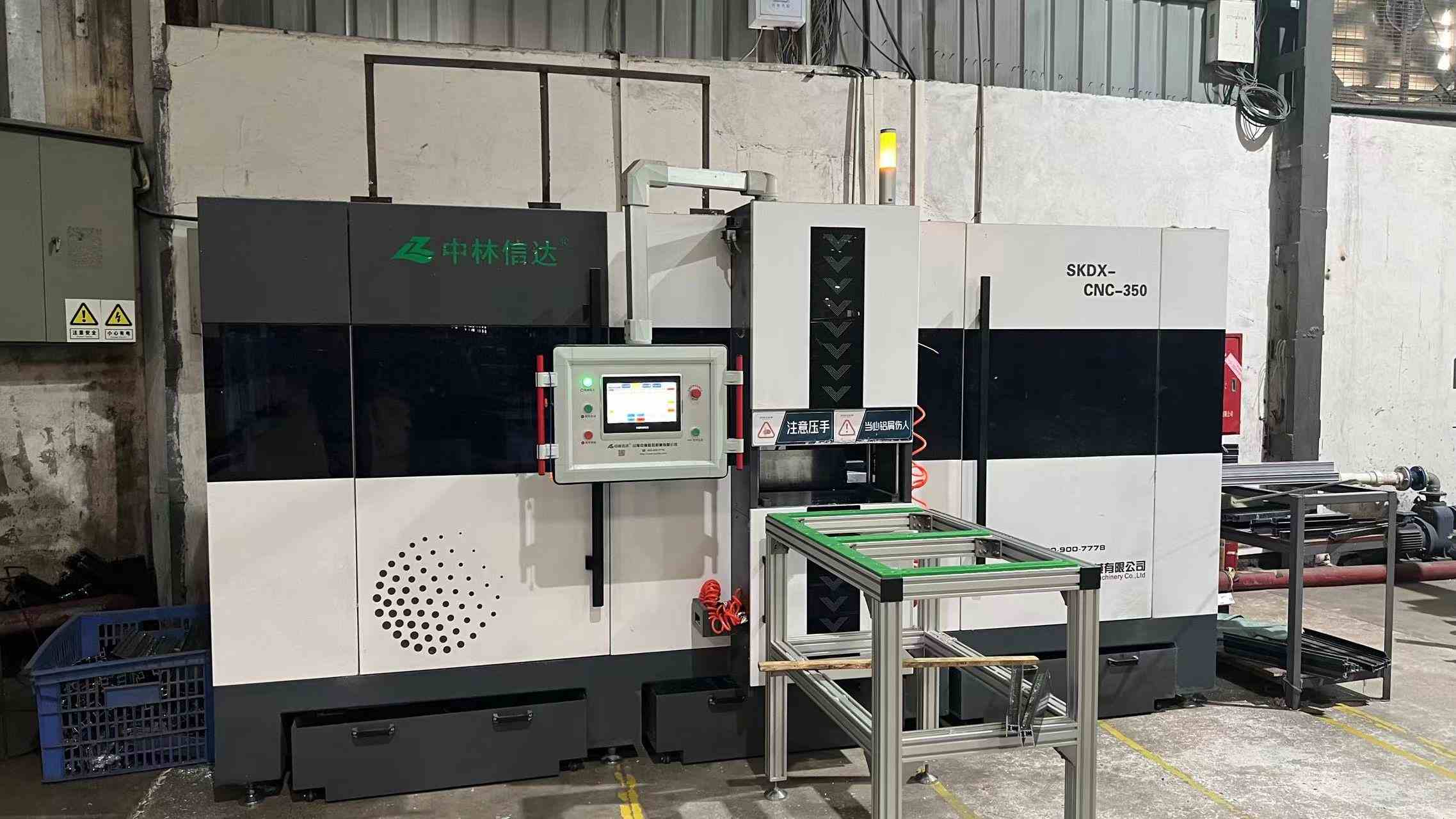
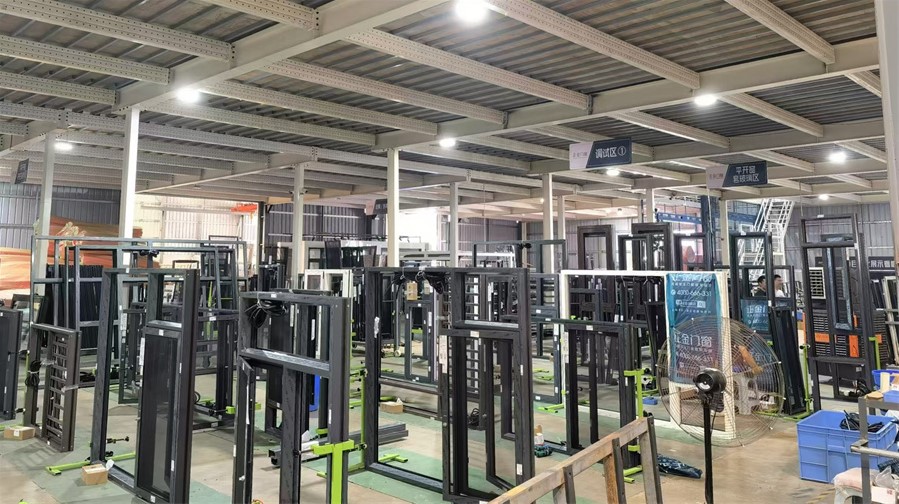
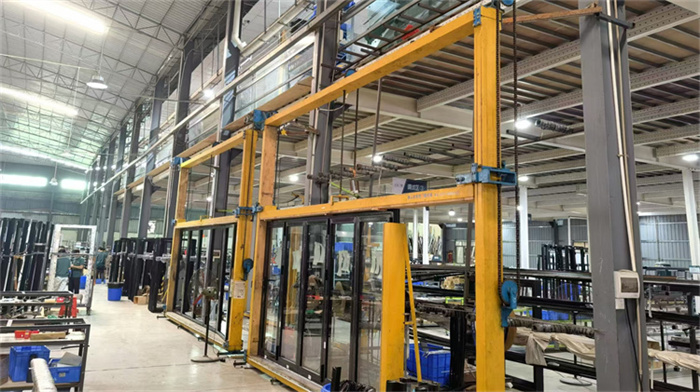
Precision door fabrication requires state-of-the-art machinery and rigorous step-by-step quality control. Luxfront's 26,000 m² smart plant utilizes continuous inline automated processing to guarantee dimensional tolerances within ±0.3mm.
Exporting structural door systems across international borders requires rigorous compliance harmonization with local building codes:
Full declaration of performance (DoP) according to EN 14351-1, meeting REACH environmental compliance for all anodized and powder-coated surface treatments (Qualicoat Class 2 standard).
Designs cross-tested to TAS 201/202/203 for High-Velocity Hurricane Zones (HVHZ), featuring Miami-Dade NOA equivalency, NFRC thermal ratings, and AAMA 2605 fluoropolymer coatings resistant to intense UV exposure.
Rigid structural validation under AS2047 windows and external doors standard, passing intense cyclic water penetration pressure testing specifically calibrated for tropical coastal weather conditions.
A: Pivot doors transfer panel weight downward directly onto floor-mounted hydraulic pivot spindles rather than side hinges mounted to vertical door frames. This mechanics enables doors to carry loads exceeding 500-1000 kg and span widths over 3 meters without causing frame sag, jamb warping, or hardware failure over time.
A: Engineering weatherproofing on pivot systems involves dual-layer EPDM gaskets combined with dynamic drop-seal technology. When the door reaches the closed position, integrated internal plungers automatically drive double-lip rubber seals against floor thresholds and head jambs, creating an airtight and watertight pressure seal tested up to 600 Pa (Class 4 EN 12207).
A: Luxfront utilizes structural thermal breaks constructed from high-tensile Polyamide PA66 GF25 (25% glass fiber reinforced). These strips separate inner and outer aluminum profiles, effectively stopping thermal conduction and yielding overall U-factors ($U_d$) as low as 0.85 W/(m²·K) when paired with double or triple Low-E insulated glass.
A: Yes. Doors can be factory-prewired with high-torque electromechanical multi-point latching hardware (such as Winkhaus or Fuhr systems) and motorized concealed pivot drives. They interface seamlessly with biometric finger scanners, keypad entry, RFID sensors, and home automation protocols like KNX or Crestron.
A: Custom engineering drawings and BIM modeling take 5–7 days. Manufacturing and assembly take 25–35 days depending on specification complexity. Products are packed in fully enclosed fumigated plywood crates with internal foam edge protection, corner guards, and moisture-absorbing VCI anti-corrosion barrier film for global ocean shipping.
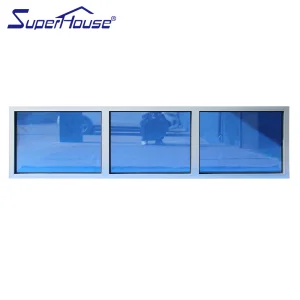
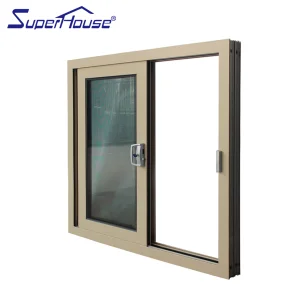
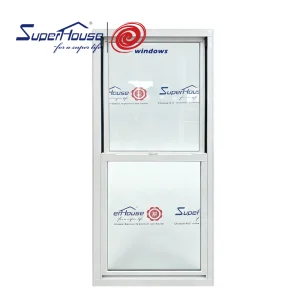
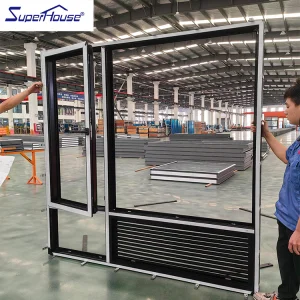
Review additional high-performance window and door configurations engineered for global commercial and residential applications.
 Luxfront