Explore our top-tier export range, engineered to meet demanding structural waterproofing standards, wind-load parameters, and strict energy efficiency thresholds across North America, Europe, and Australia.
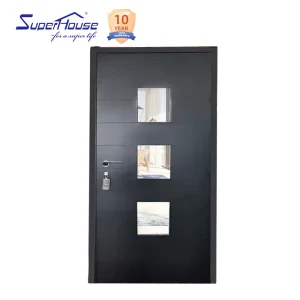
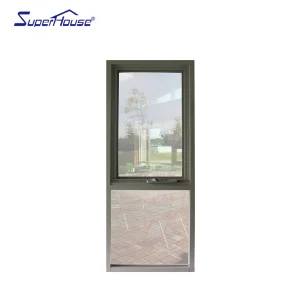
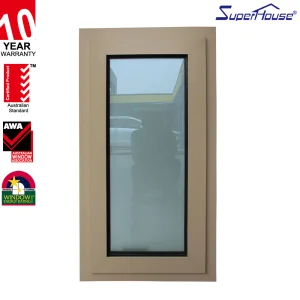
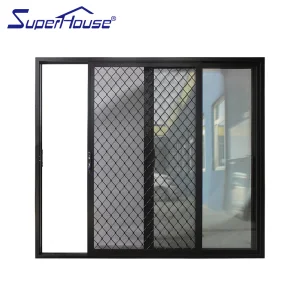
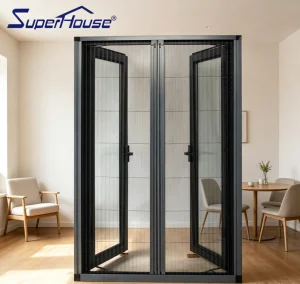
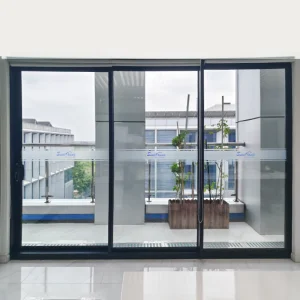
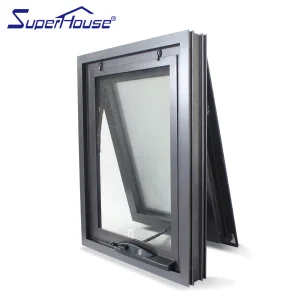
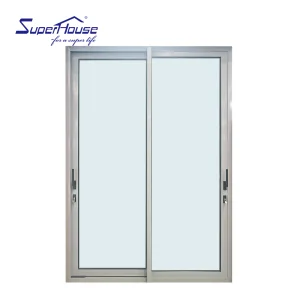
In contemporary high-end architecture, fenestration systems are no longer passive exterior envelopes. They serve as critical structural barriers engineered to withstand micro-climatic stressors, intense hydrostatic heads, dynamic thermal expansion, and coastal air salinity. The market demand for high-performance waterproof aluminum doors has seen unprecedented growth driven by the rising frequency of severe weather events globally, combined with modern architectural demands for ultra-slim sightlines and expansive floor-to-ceiling glass openings.
Historically, traditional wood-frame entrance systems suffered from dimensional distortion, rot, and moisture absorption leading to continuous seal failures. Vinyl (PVC) profiles offered moisture resistance but lacked structural integrity under high wind-load regimes. Today, architectural-grade 6063-T6 extruded aluminum alloys engineered with multi-chamber thermal breaks and pressure-equalized rainscreen principles represent the gold standard for global B2B procurement in residential and commercial developments.
Modern structural engineering demands fenestration that withstands dynamic wind-driven rains exceeding 700 Pa, mitigating interior water penetration during coastal storms and hurricane conditions.
Integrating high-density Polyamide (PA66GF25) thermal barriers prevents interior condensation formation (dew point barrier) while optimizing overall building envelope U-factors to < 0.20.
Using primary extrusion-grade aluminum with fluoropolymer PVDF or 25-micron anodic coatings guarantees 30+ year resistance against corrosion, salt spray, and UV deterioration.
Achieving certified 100% water tightness in heavy-duty aluminum doors requires an integrated engineering methodology that manages physical forces including gravity, surface tension, capillary action, and differential air pressure. Leading Chinese exporters utilize continuous innovation in multi-seal dynamics to solve water infiltration challenges.
The fundamental cause of water leakage during heavy storms is differential air pressure between the interior exterior profile face. By establishing an internal isobaric pressure-equalization chamber within the aluminum frame, the pressure inside the drainage cavity immediately matches the external wind pressure. Without a pressure gradient, wind-driven rain is blocked from migrating into the interior threshold.
Instead of standard PVC or low-cost TPE seals, premium waterproof doors employ continuous automotive-grade Ethylene Propylene Diene Monomer (EPDM) vulcanized gasket loops. These gaskets feature seamless corner vulcanization to eliminate microscopic gaps where joinery meets.
| Performance Parameter | Structural Thermal-Break Aluminum | uPVC / Vinyl Profiles | Solid Wood / Clad Systems | Structural Steel Systems |
|---|---|---|---|---|
| Water Penetration Resistance | Superior (> 700 Pa Isobaric) | Moderate (300 - 450 Pa) | Low-Moderate (Prone to swelling) | High (If coated correctly) |
| Structural Wind-Load Capacity | Extreme (Up to 5000 Pa / Hurricane) | Low (Requires steel reinforcement) | Moderate | Extreme |
| Corrosion & Salt-Spray Resistance | Grade A (PVDF / Anodized 25µm) | Excellent | Poor (Rot & Mold potential) | Poor (Prone to rusting) |
| Frame Sightline / Strength Ratio | Ultra-Slim (High Modulus) | Bulky & Thick Profiles | Medium to Thick Profiles | Ultra-Slim (High Cost) |
| Lifespan & Recyclability | 50+ Years (100% Recyclable) | 15 - 20 Years (Degrades under UV) | 20 - 30 Years (High Maintenance) | 40+ Years (Needs refinishing) |
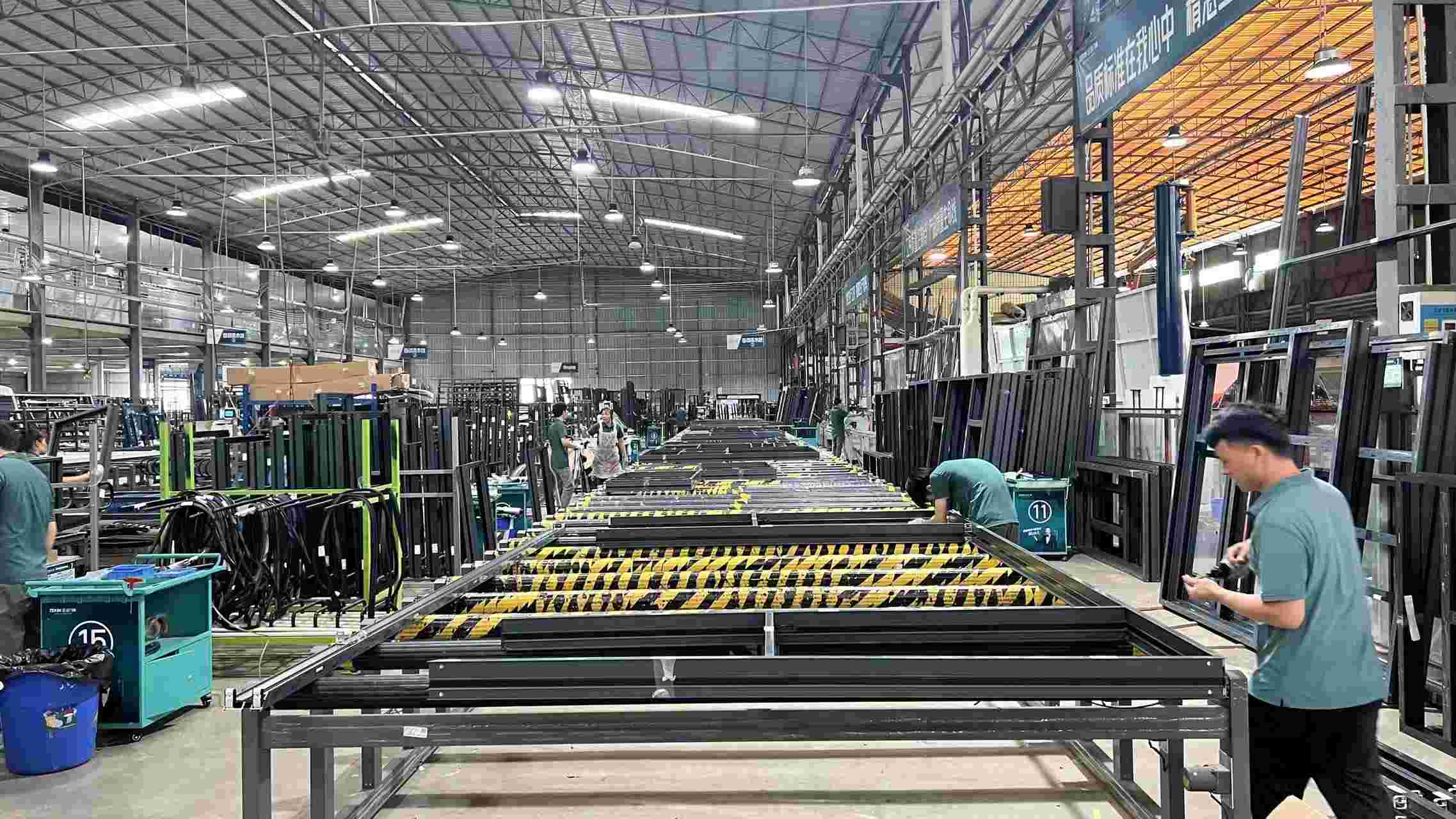
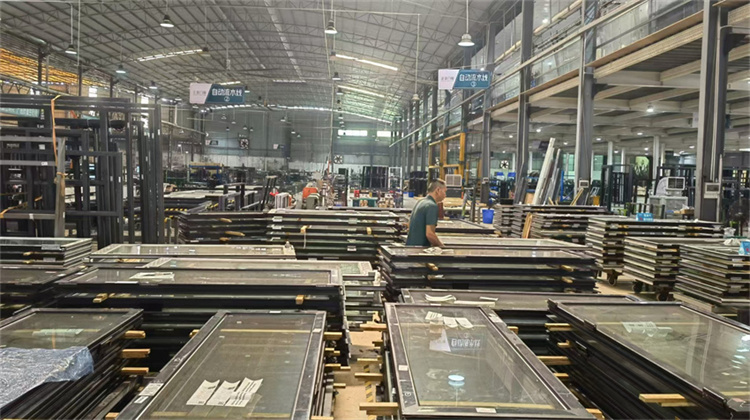
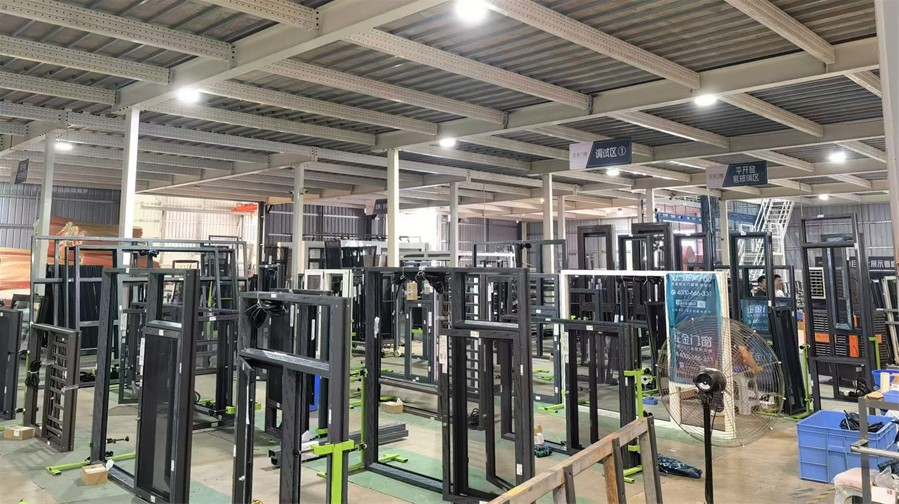
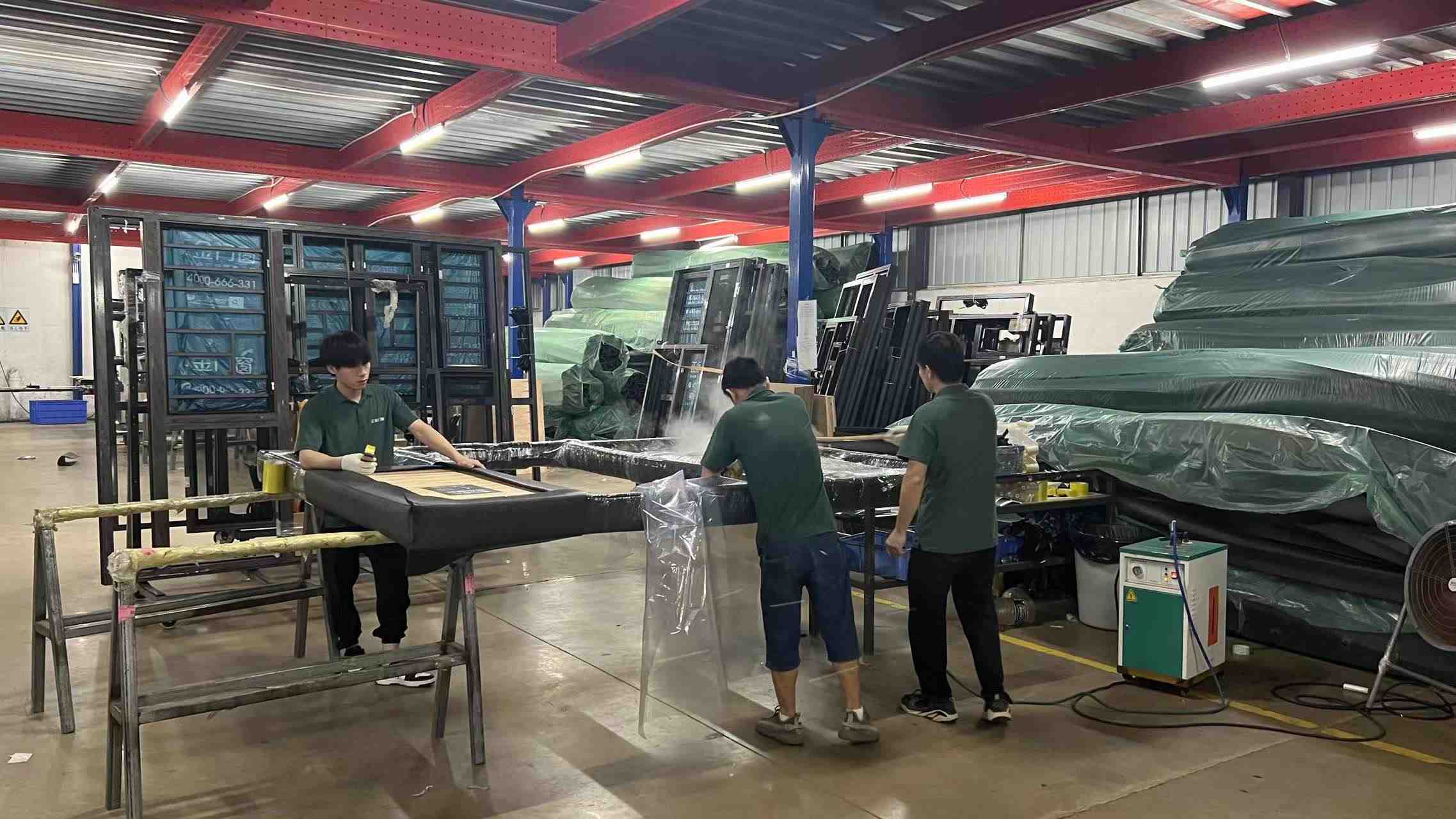
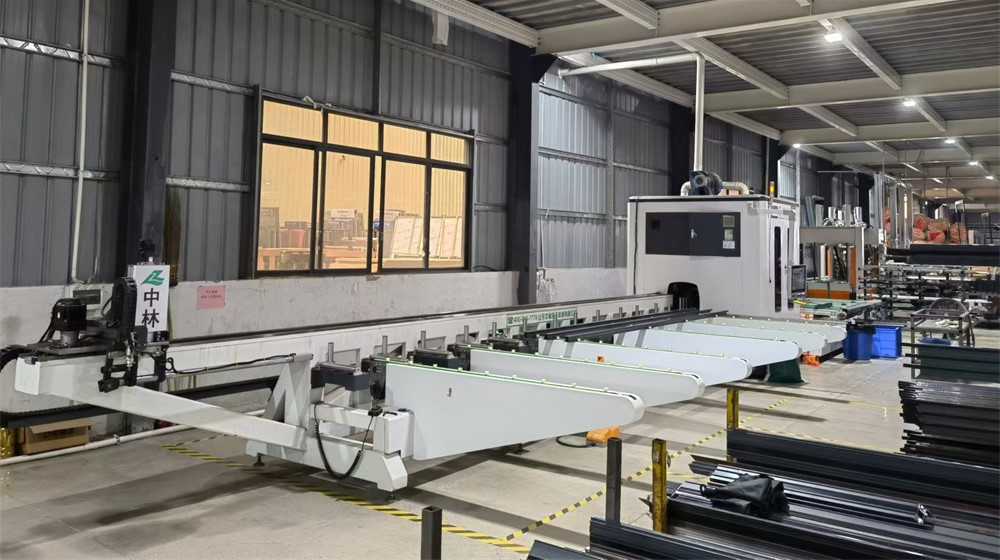
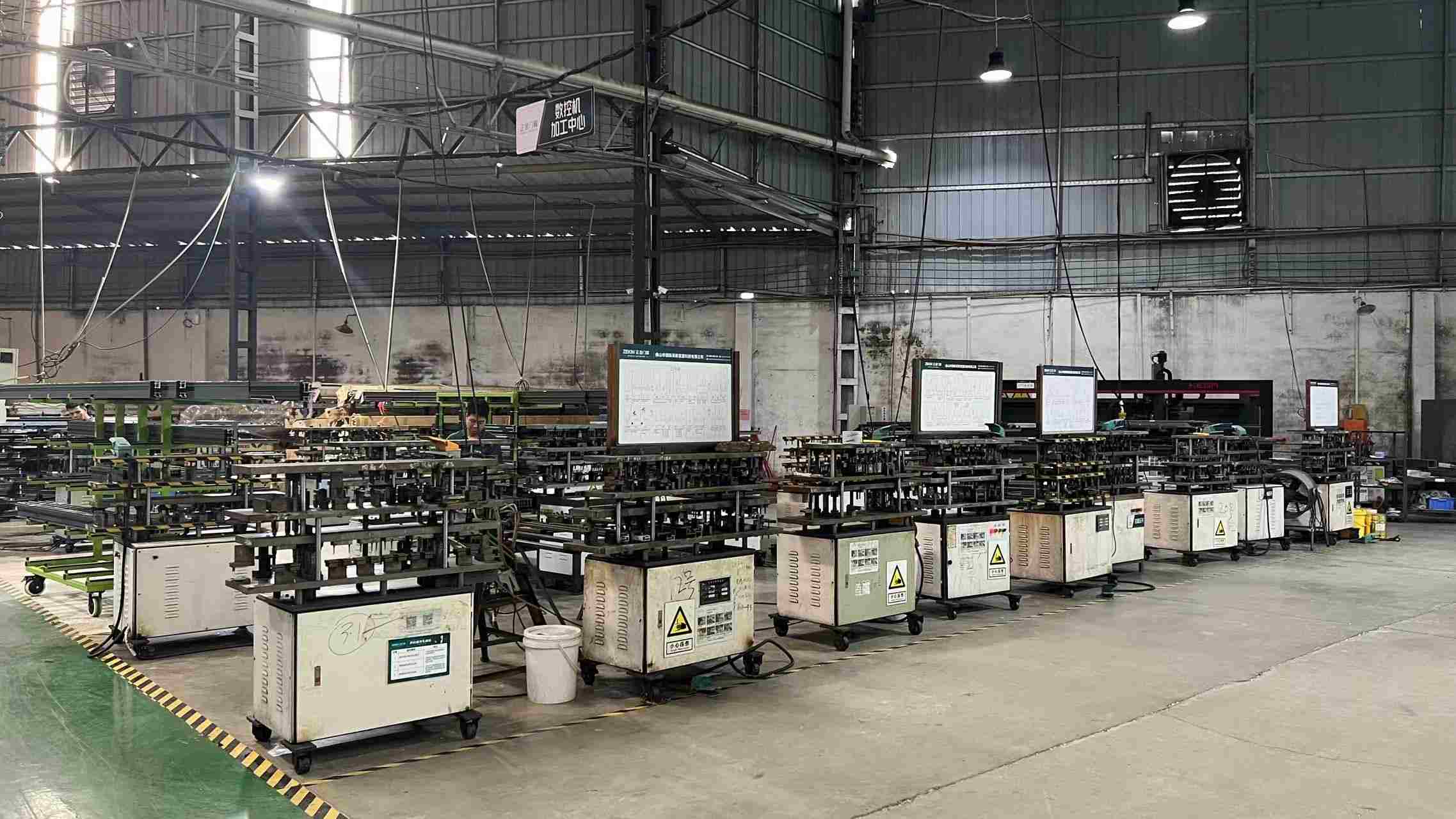
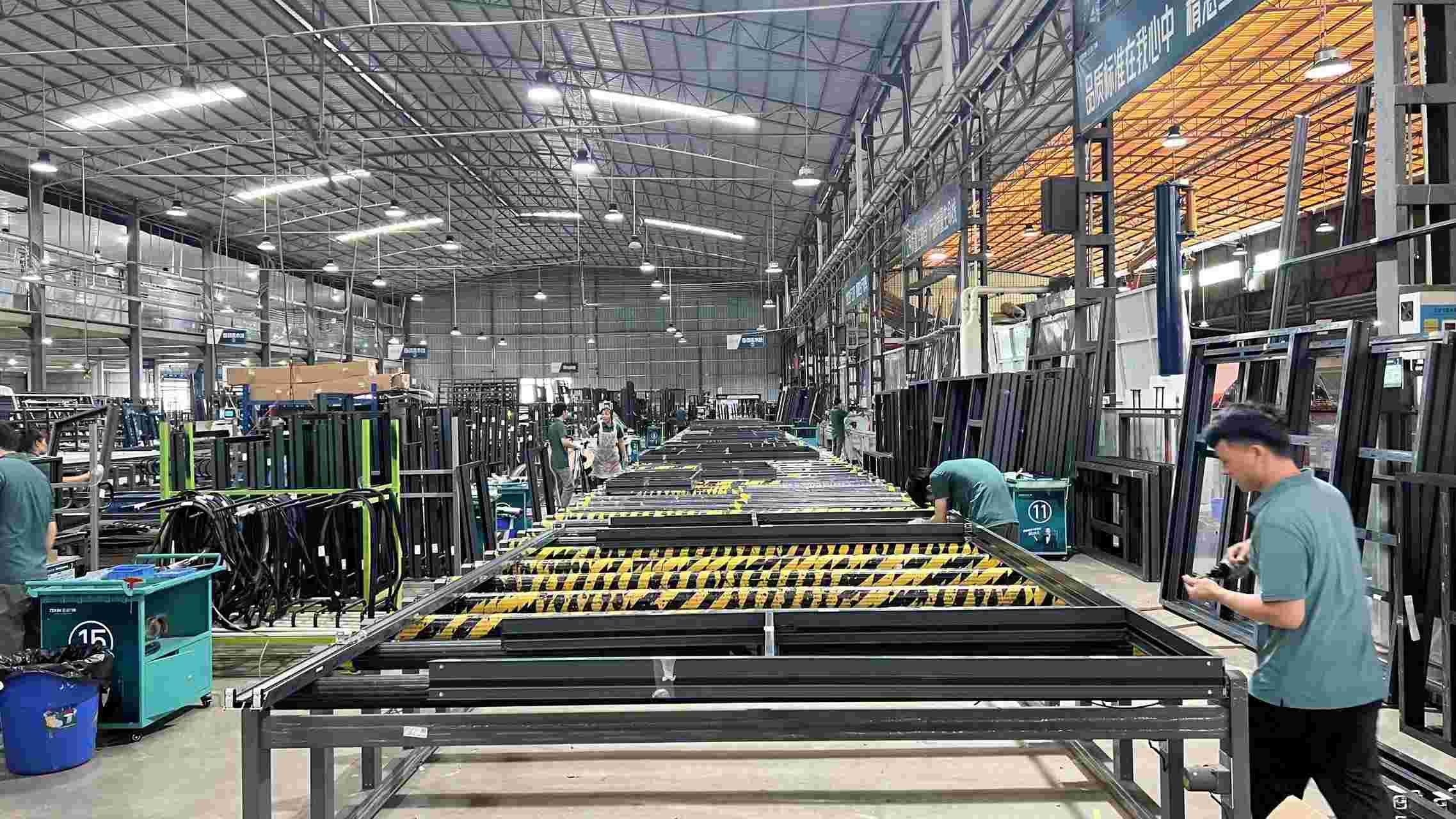
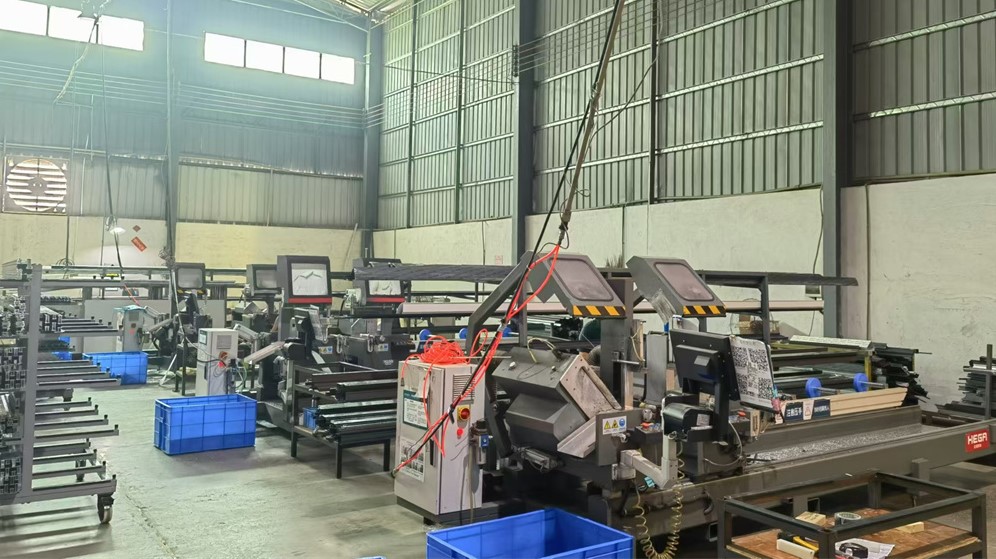
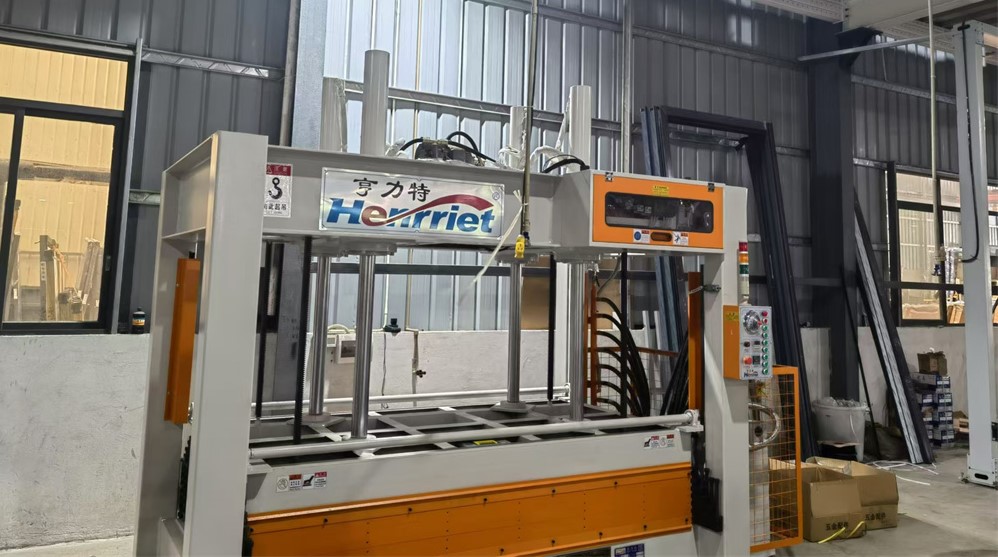
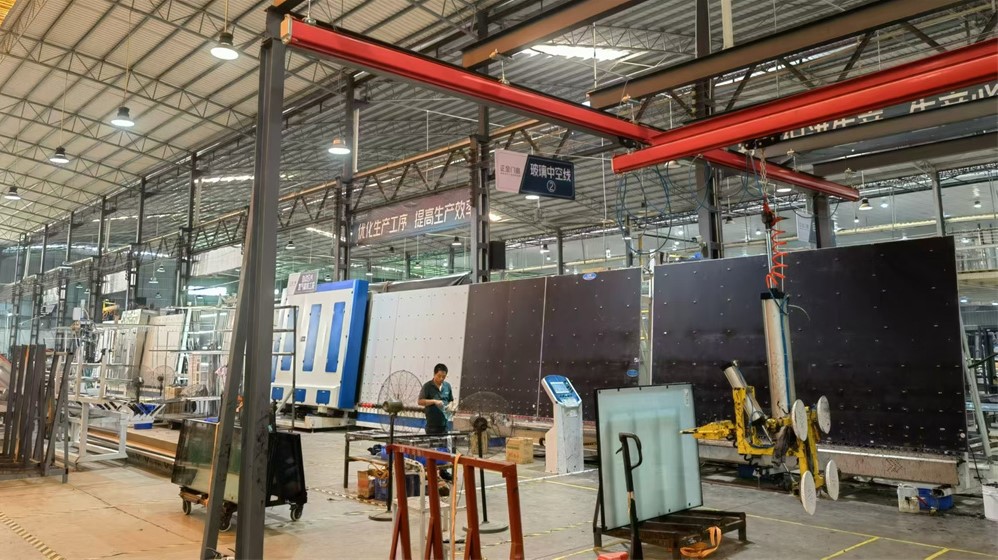
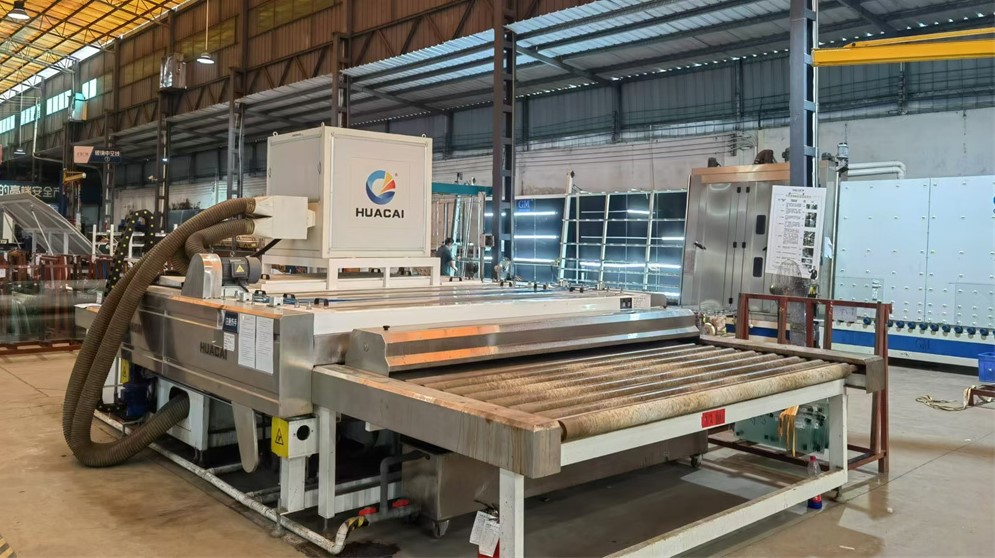
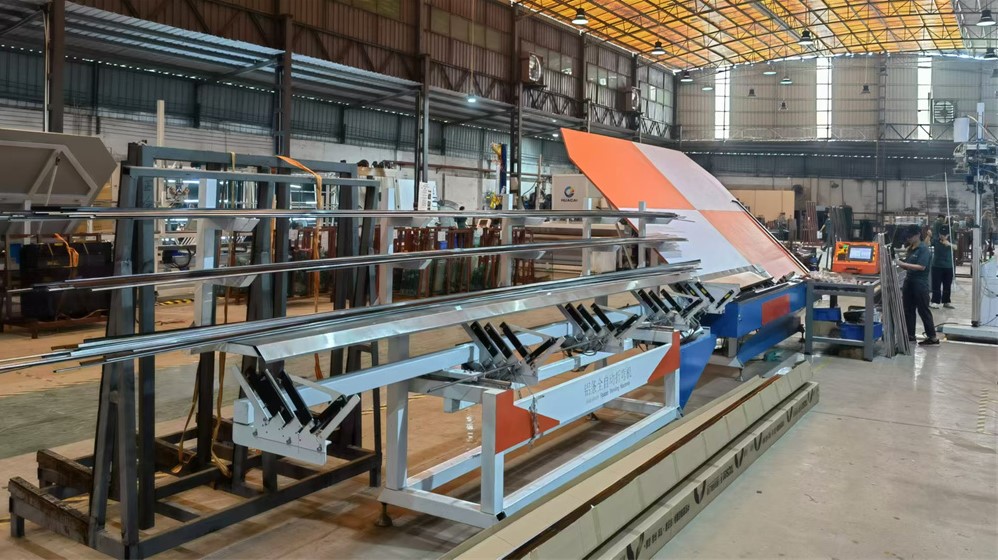
China’s advanced architectural manufacturing ecosystem provides an unbeatable synthesis of raw material availability, skilled engineering talent, high-precision automated tooling, and cost-efficient export logistics. At the center of this industrial cluster, Luxfront Architectural Doors Ltd. operates a model smart-factory engineered to supply high-end overseas developments.
Luxfront maintains direct relationships with 720 specialized raw material supply partners, guaranteeing batch-to-batch consistency in T6-tempered billet profiles, German hardware sets (Siegenia, Hoppe, GU), and structural weather sealants. Every production unit undergoes full-process sampling, Coordinate Measuring Machine (CMM) dimensional verification, and simulated air-water hydrostatic pressure testing prior to export packing.
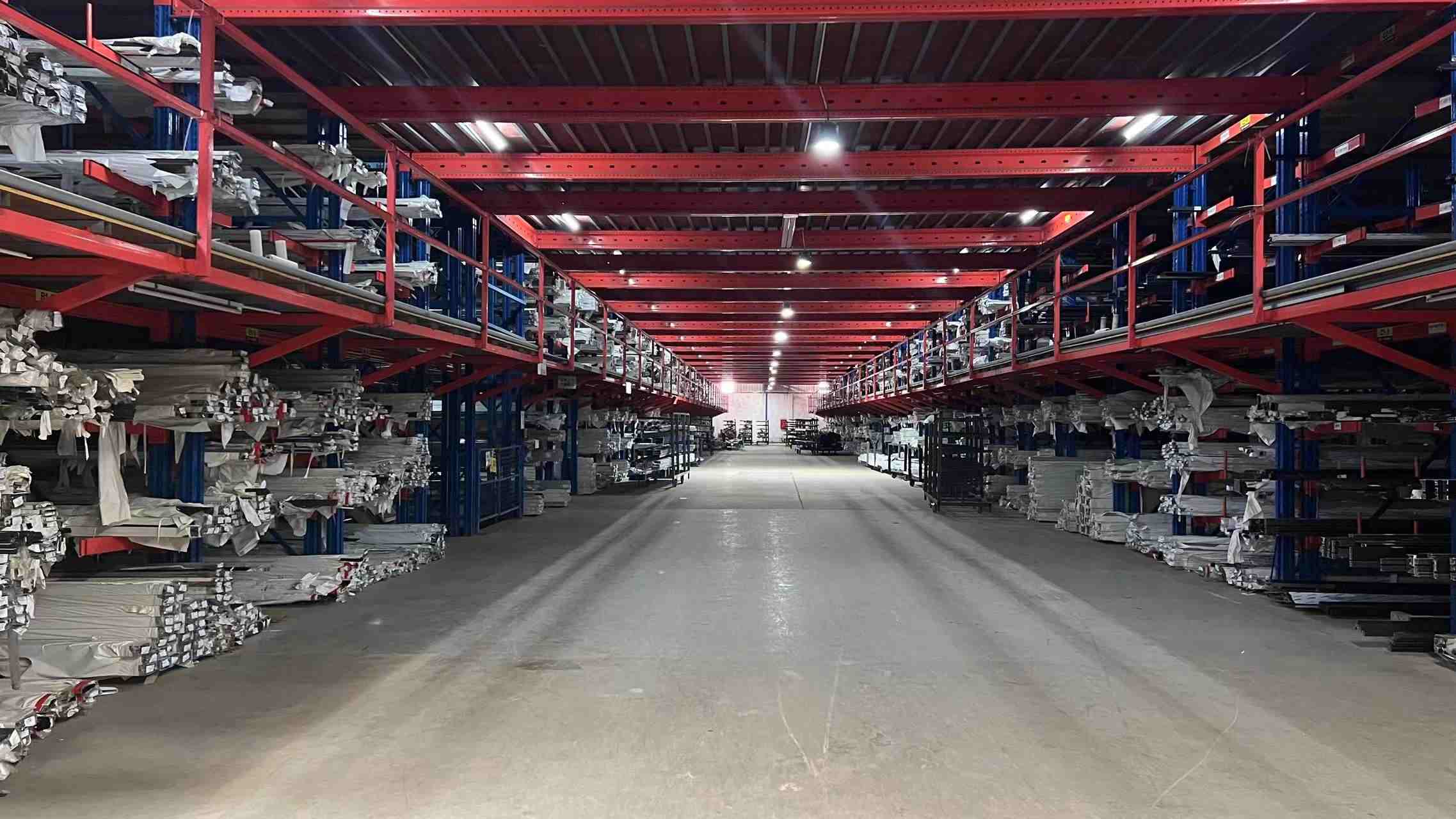
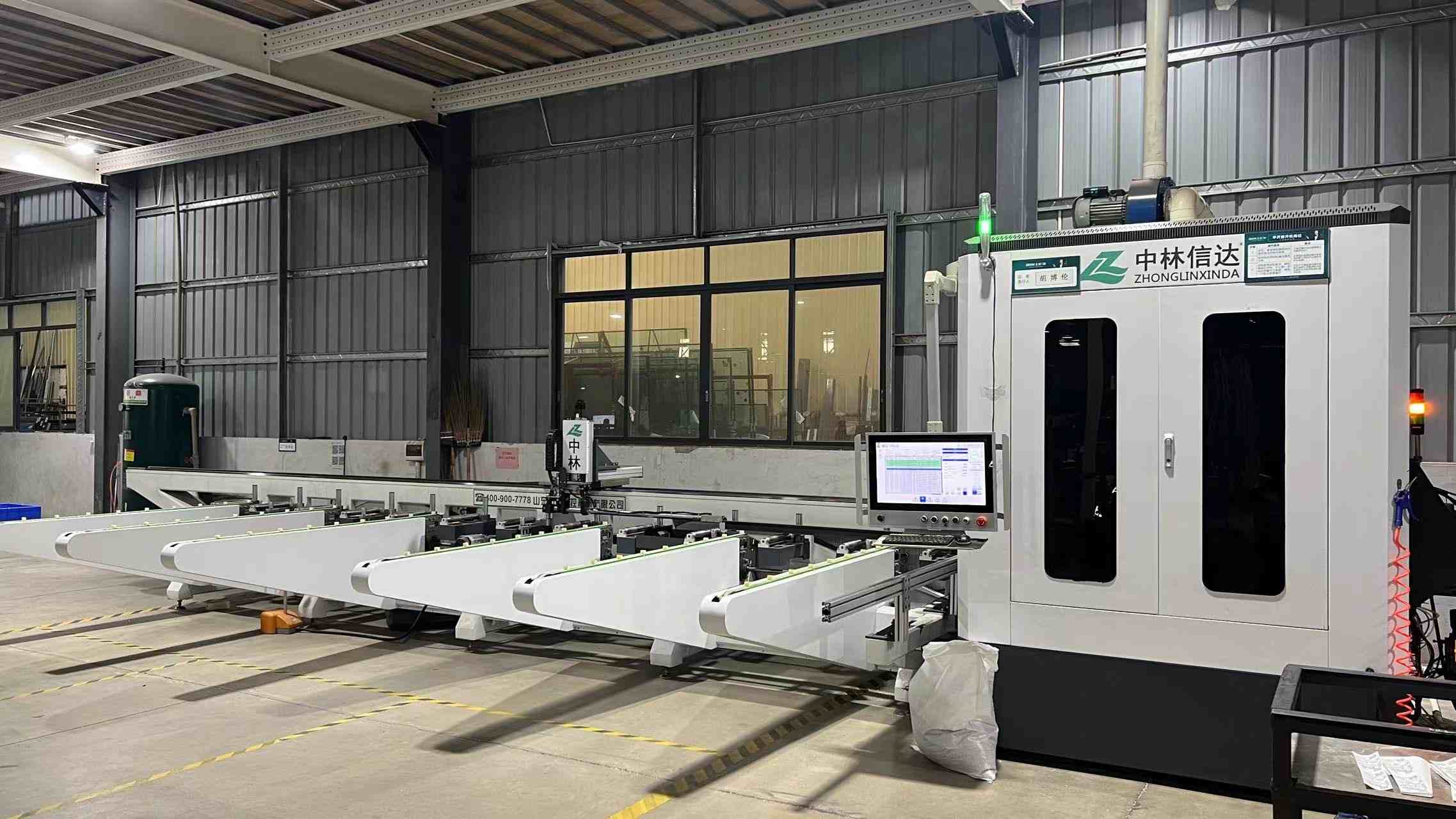
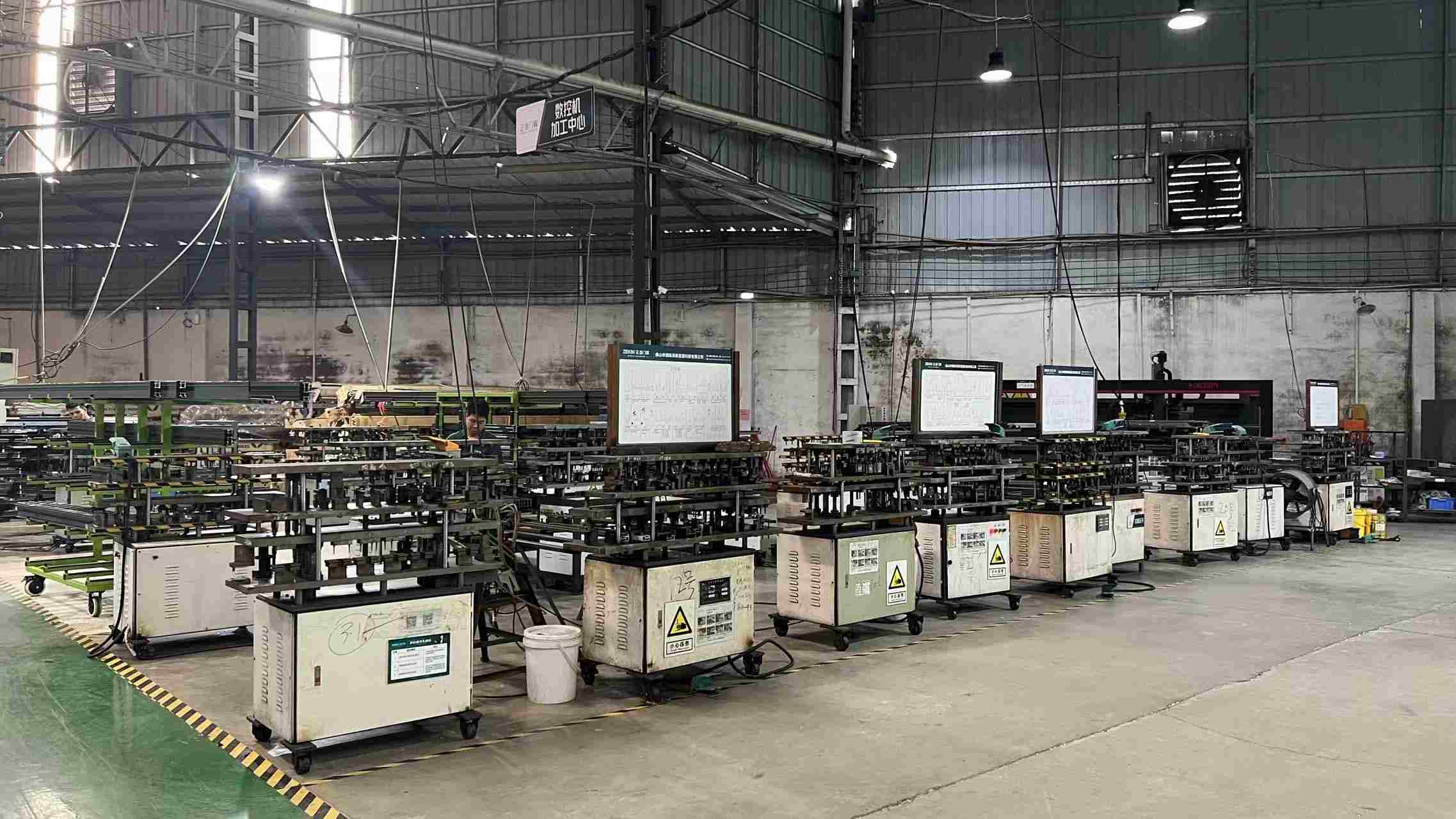
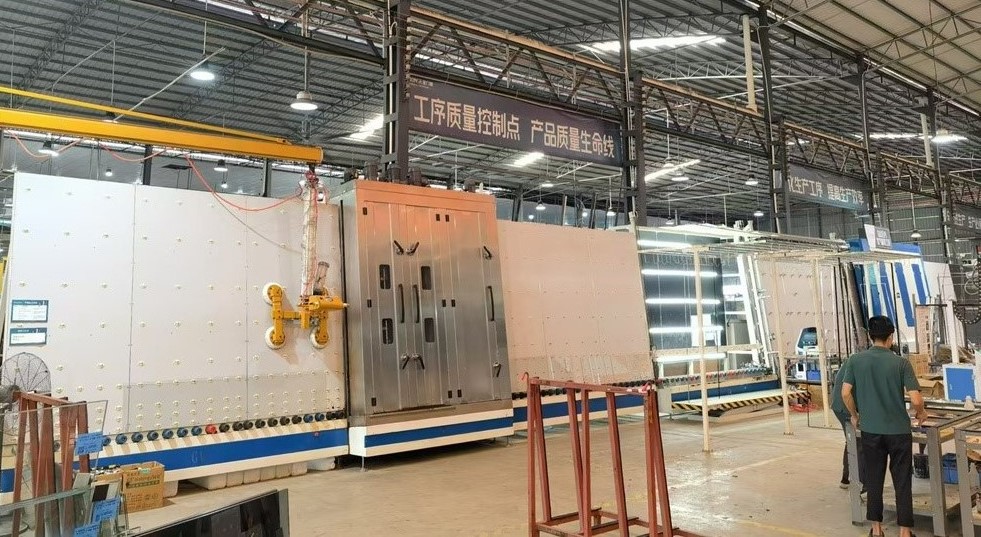
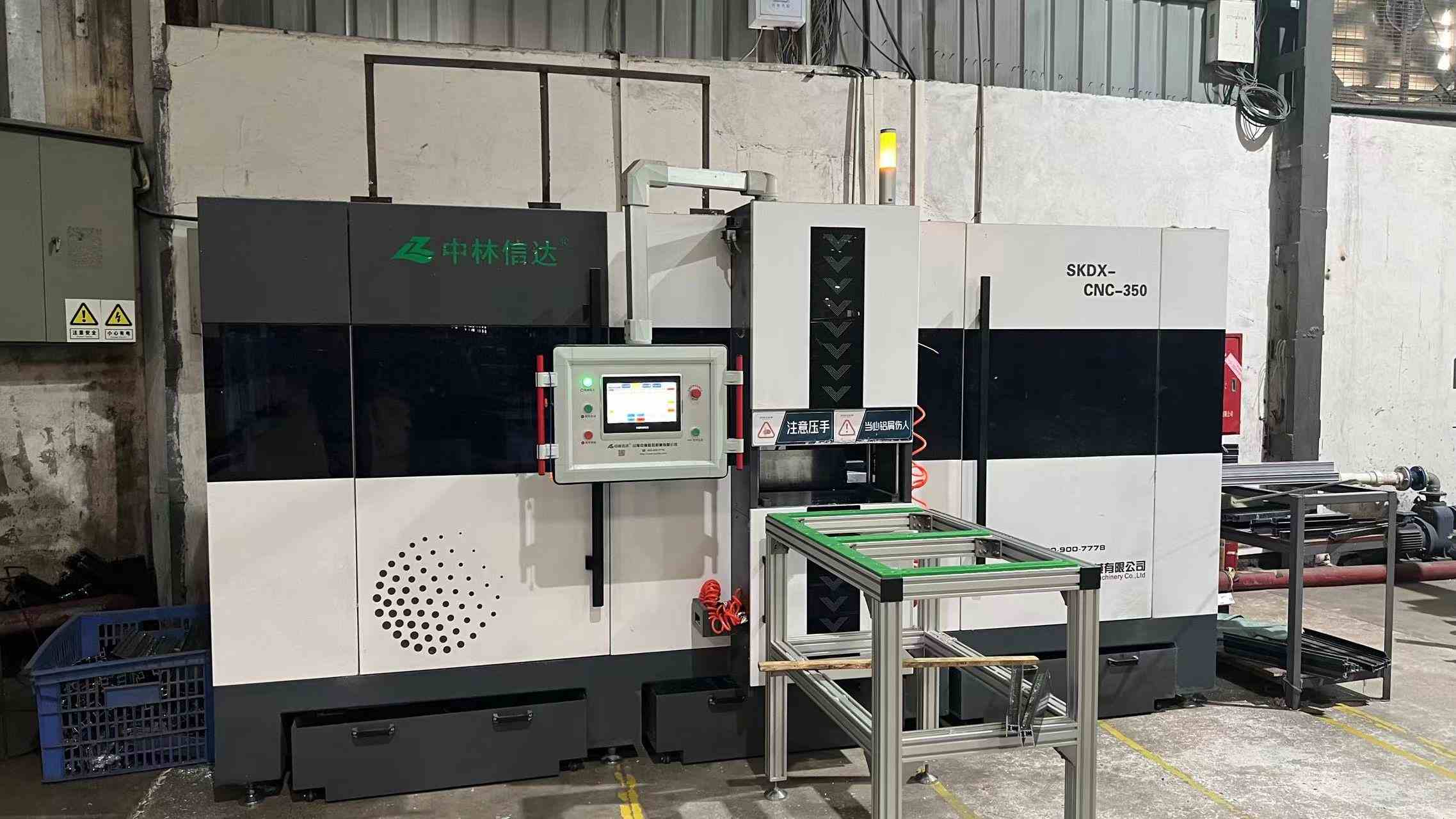
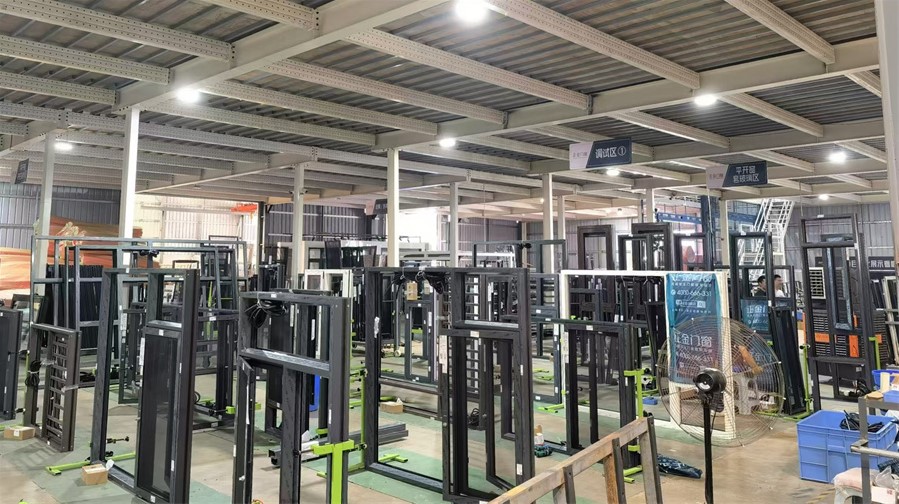
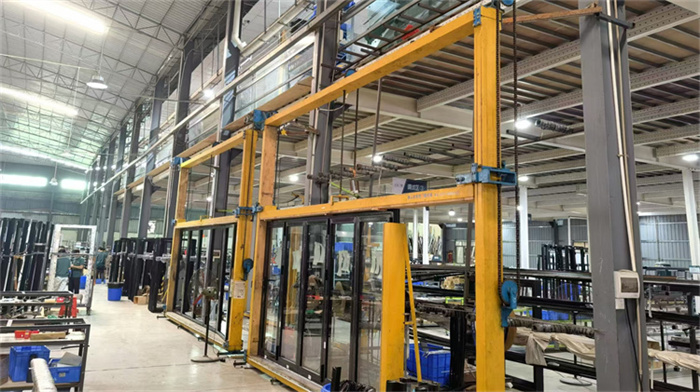
Navigating international building codes is a central priority for global commercial contractors, boutique real estate developers, and design firms. Sourcing aluminum doors from China requires verified compliance with regional performance standards:
Fenestration imported into the United States and Canada must satisfy NFRC (National Fenestration Rating Council) ratings for thermal transmittance (U-Factor ≤ 0.22) and Solar Heat Gain Coefficient (SHGC). In hurricane zones such as Florida (Miami-Dade County compliance), doors must pass ASTM E1886/E1996 missile impact and cyclic pressure testing.
Compliance with AS2047 mandates rigorous physical testing for deflection, air infiltration, water penetration resistance (up to 450Pa - 700Pa+), and ultimate strength. Structural glass integration must follow AS1288 safety glazing requirements.
European commercial developments demand compliance with EN 14351-1, emphasizing air permeability (Class 4), watertightness (Class E900), and acoustic attenuation (Rw up to 45 dB) for urban noise mitigation.
Standard aluminum door manufacturers often rely solely on mechanical screws at corner joints, which loosen over time due to thermal expansion/contraction cycles (micro-shifting). Luxfront integrates dual-component corner crimping with high-tensile structural injection glue (German Weiss-Chemie formula) combined with stainless steel corner keys. This creates a solid, monocoque corner joint that retains 100% water tightness even under intense structural racking forces.
Waterproof aluminum door systems are custom-engineered to overcome localized climatic challenges across varied architectural topologies.
Challenge: Severe salt fog corrosion, dynamic onshore wind forces, and heavy driving rains during monsoon or storm seasons.
Engineering Solution: Heavy-duty oversized aluminum pivot and sliding door systems equipped with 25-micron anodized finishes, multi-point heavy locking systems, and flush-mounted recessed drainage channels with sub-floor sump drainage integration.
Challenge: Extreme temperature differentials (Delta T), freeze-thaw cycles causing seal cracking, and interior condensation rot.
Engineering Solution: Multi-chamber thermal break profiles filled with polyurethane insulation foams, triple-glazed Argon-filled Low-E glass units, and low-temperature elastic EPDM gasket compounds.
Challenge: High ambient pressure forces at elevated heights leading to air drafts and water seepage through slider tracks.
Engineering Solution: Lift-and-slide architectural door systems that drop down onto continuous gasket beds when locked, achieving zero air infiltration and superior wind-load resistance up to 5.0 kPa.
Challenge: Merging ultra-narrow sightlines with high acoustic insulation and weatherproofing.
Engineering Solution: Minimalist ultra-narrow frame sliding glass doors featuring concealed perimeter frames, integrated stainless steel mesh, and multi-seal track systems.
Explore our complete range of certified commercial entrance doors, thermal-break windows, and residential custom solutions engineered for direct factory export.
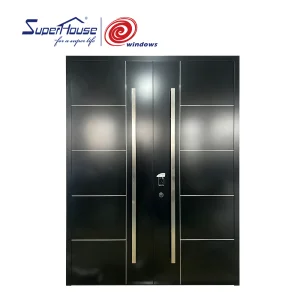
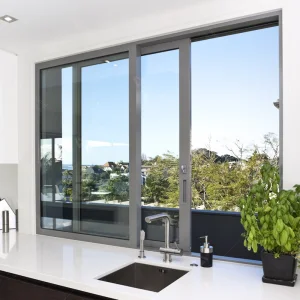
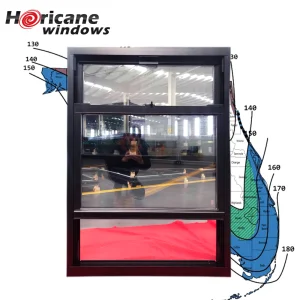
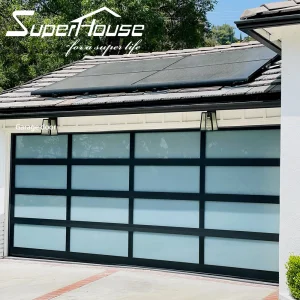
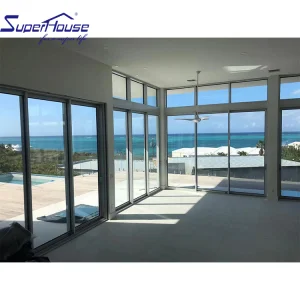
Detailed technical answers to common B2B procurement, structural engineering, and import questions for global buyers.
Large exterior pivot doors present unique sealing challenges at the top and bottom pivot axes. Premium manufacturers like Luxfront solve this by integrating drop-down automatic weather seal plungers combined with double-layer perimeter EPDM gaskets and sub-floor recessed rain channels. When closed, the locking mechanism forces the mechanical drop seals down against the sill, sealing any air or water gap.
Standard aluminum profiles conduct temperature rapidly, leading to cold frame interiors, thermal loss, and internal moisture condensation (sweating). Thermal Break profiles feature a structural polyamide bar (PA66GF25) inserted between the inner and outer aluminum extrusions. This breaks the thermal bridge, raising thermal insulation by up to 60% and preventing internal dew-point condensation.
Luxfront systems undergo physical lab testing by accredited third-party testing agencies (such as Intertek or Azuma Labs). Our windows and doors hold NFRC ratings for energy standards in North America, Miami-Dade Hurricane Impact certification for Florida/coastal zones, and AS2047 / AS1288 structural compliance for Australia.
For coastal environments within 1 km of ocean water, we specify fluoropolymer PVDF (Kynar 500) powder coatings or Class 1 (25-micron) Anodized finishes. These surface treatments withstand ASTM B117 salt spray testing in excess of 3,000 to 5,000 hours without chalking, blistering, or surface corrosion.
Our dedicated team of 32 QA inspectors follows an 8-stage manufacturing quality protocol: raw material spectral testing, cut-dimension tolerance checks, CNC hole accuracy, structural corner glue injection monitoring, frame squareness calibration, CMM dimensional checks, water-jet pressure sampling, and heavy export plywood crate packing.
 Luxfront