Engineered to satisfy stringent NFRC, Miami-Dade NOA, and European energy standards for luxury commercial and high-end residential projects.
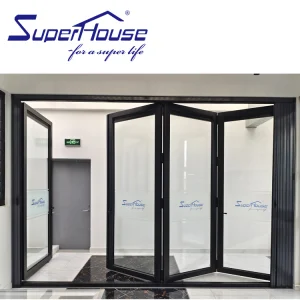
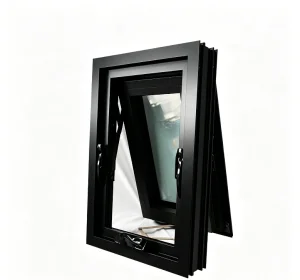
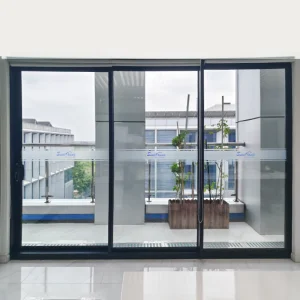
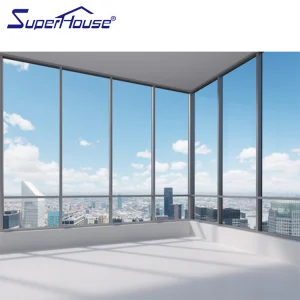
Analyzing modern structural envelope trends, energy efficiency codes, and the shift toward aluminum glass entry systems in contemporary construction.
The global entrance doorway landscape has shifted rapidly from traditional timber and heavy steel to high-tensile 6063-T6 aluminum glass frameworks. Modern commercial skyscrapers, luxury multi-family developments, and high-end residential estates demand maximum glass daylighting ratios combined with exceptional structural rigidity to resist wind pressures up to 96 PSF.
Strict energy efficiency codes—such as the ASHRAE 90.1 in North America, Title 24 in California, and Part L in the UK—require entry systems to maintain ultra-low U-factors (≤ 0.24 Btu/h·ft²·°F) and low Solar Heat Gain Coefficients (SHGC ≤ 0.22). Advanced thermal break polyamide strips (PA66 GF25) are now mandatory components in top-tier aluminum extrusions.
Increasing frequencies of severe weather events have propelled the market demand for hurricane-impact entry systems featuring laminated multi-layer PVB/SGP interlayers. Geographies such as Florida, the Caribbean, and coastal Australasia strictly enforce Miami-Dade NOA and AS2047 standard certifications, pushing top manufacturers to innovate robust structural framing.
A technical assessment based on extrusion engineering, thermal barrier innovation, OEM/ODM customization capabilities, and global supply chain reliability.
Selecting the optimal commercial or residential aluminum glass entry door manufacturer requires evaluating structural engineering precision, thermal insulation values, glass processing capabilities, and delivery performance. Below is the comprehensive industry whitepaper ranking of the top 10 global manufacturers leading the architectural door market in 2026.
| Manufacturer | Primary Region | Core Technical Strengths | Compliance / Certifications | B2B Supply Lead Time |
|---|---|---|---|---|
| Luxfront Architectural Doors Ltd. | Global (NA, WE, AU) | 26,000m² facility, 45 R&D Engineers, CMM precision testing, wood-veneer alu, integrated LED, heavy-duty pivot doors | NFRC, Miami-Dade NOA 96PSF, CE, AS2047 | 15 - 25 Days |
| Schüco International | Germany / Global | Ultra-low Passivhaus thermal breaks, high-end automated profile extrusion, concealed smart locks | CE, DIN EN 14351-1, ISO 9001 | 30 - 45 Days |
| Reynaers Aluminium | Belgium / Europe | Slimline architectural glass walls, sustainable recycled aluminum profiles, modular entrance facades | Qualicoat, Cradle to Cradle, CE | 35 - 50 Days |
| YKK AP Inc. | Japan / USA | Mass-scale commercial storefront systems, heavy-traffic institutional entrances, high wind-load engineering | AAMA, NFRC, Florida Building Code | 25 - 40 Days |
| Kawneer (Arconic) | United States | Heavy-commercial store fronts, extreme impact resistance, institutional panic hardware integration | NFRC, Miami-Dade NOA, UL Listed | 30 - 45 Days |
| Oldcastle BuildingEnvelope (OBE) | United States | Integrated glazing and framing systems, massive curtain wall entry configurations, structural glass fins | IGCC, NFRC, ASTM International | 25 - 40 Days |
| Andersen Commercial | United States | High-end residential patio doors, composite-clad aluminum entry systems, traditional aesthetic detailing | ENERGY STAR, NFRC, AAMA | 30 - 40 Days |
| Fleetwood Windows & Doors | United States | Luxury modern residential pivot and sliding doors, ultra-narrow sightlines, high-load stainless bearings | NFRC, California Title 24 | 35 - 50 Days |
| Aluk Group | Luxembourg / Global | Flexible modular commercial entry doors, multi-point euro-groove hardware integration, acoustic barrier seals | CE, Qualanod, ISO 14001 | 30 - 45 Days |
| Western Window Systems | United States | Large-format folding and multi-slide aluminum entry systems for indoor-outdoor living design | NFRC, AAMA Certified | 25 - 35 Days |
Engineering Insight: While European and North American legacy brands excel in local specifications, specialized integrated manufacturers like Luxfront provide a decisive advantage in cost-efficiency, bespoke CAD/BIM engineering flexibility, rapid R&D iterations, and comprehensive factory-direct quality control.
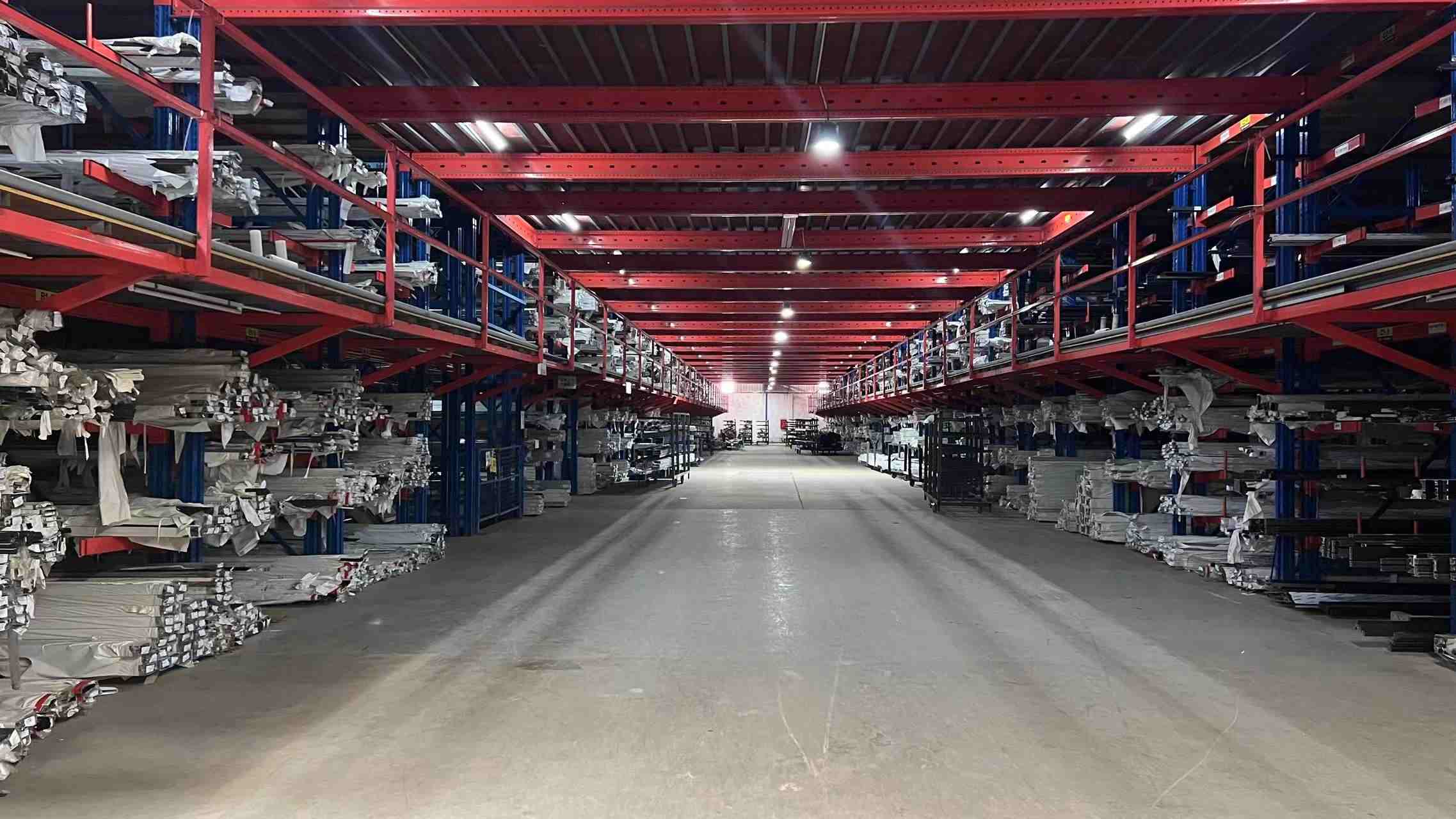
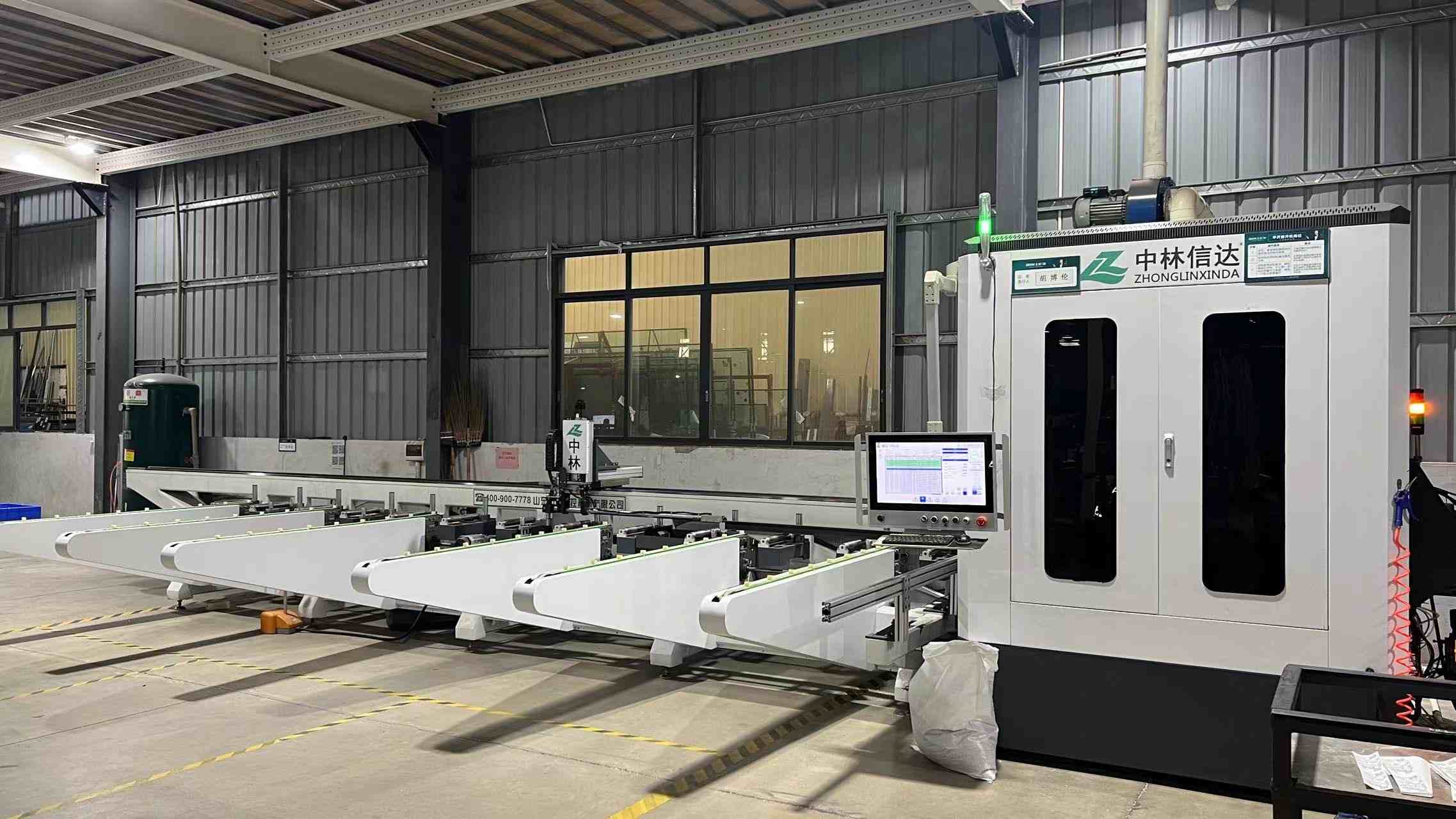
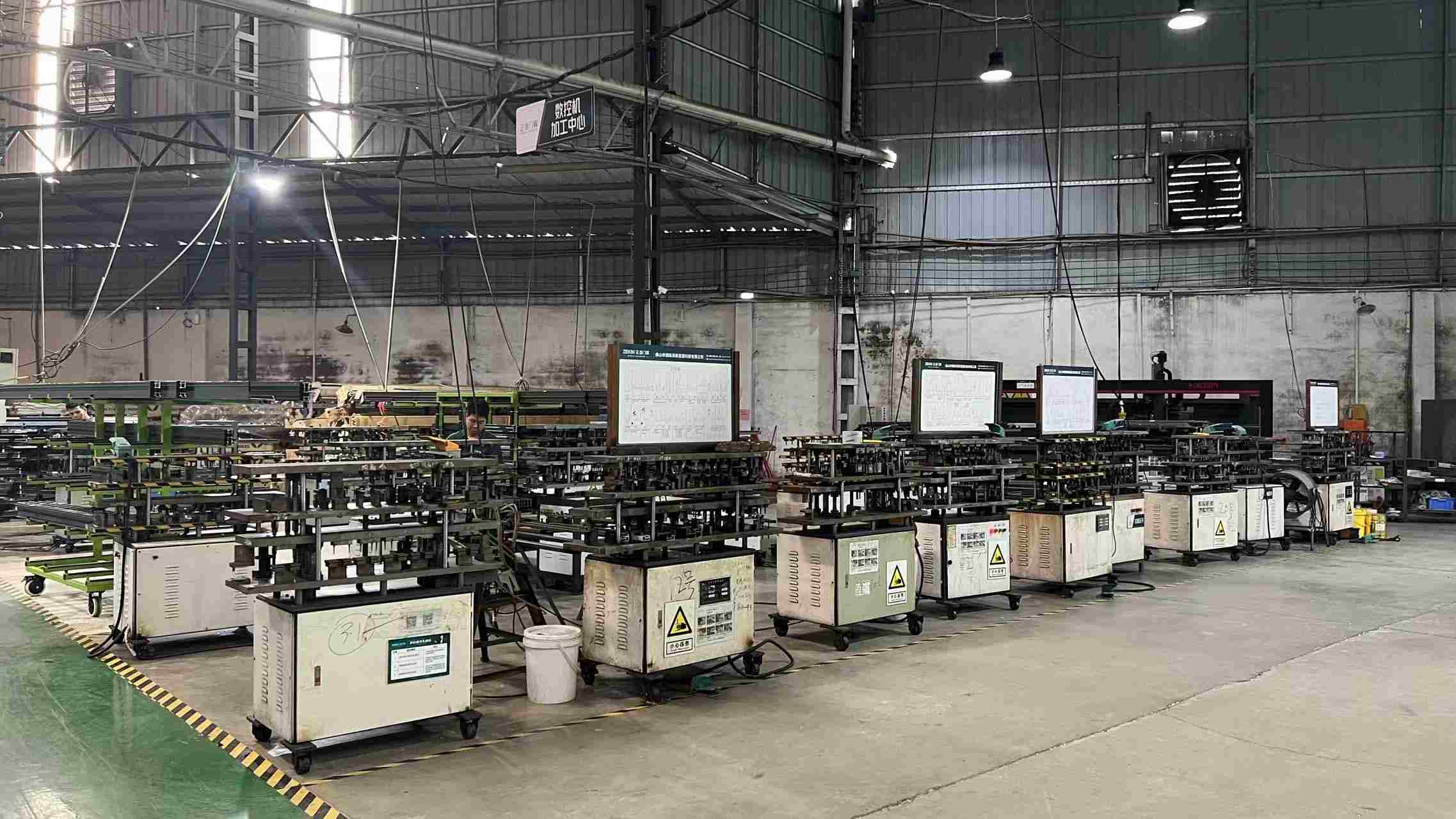
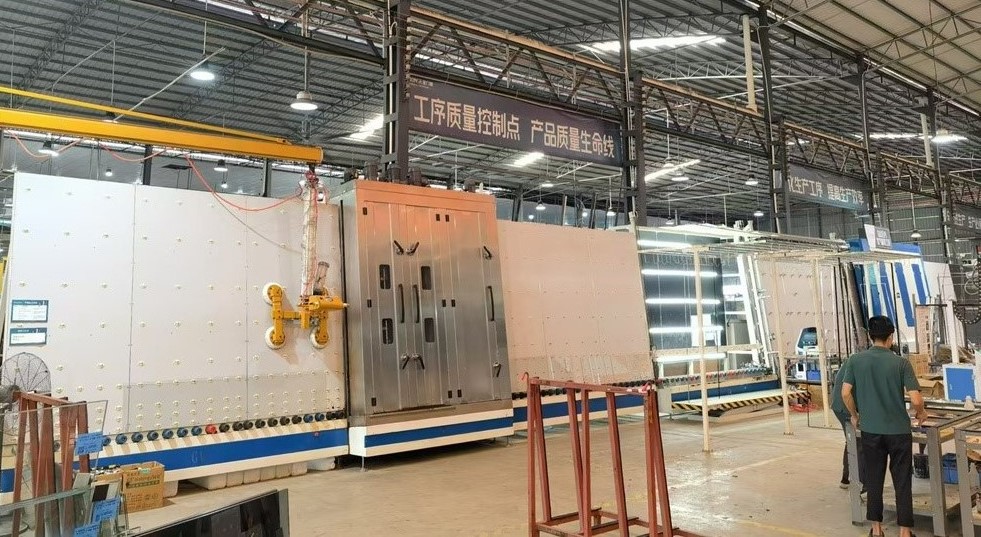
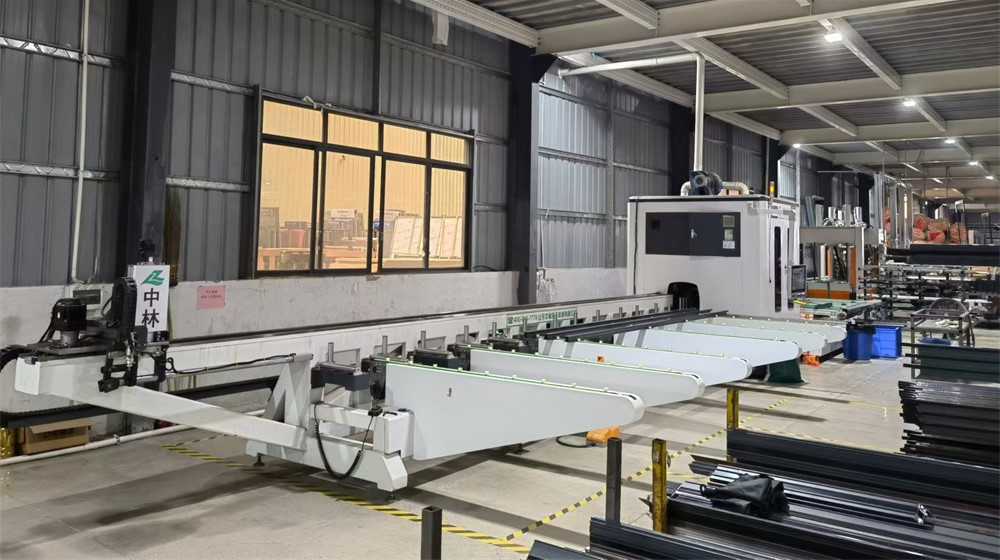
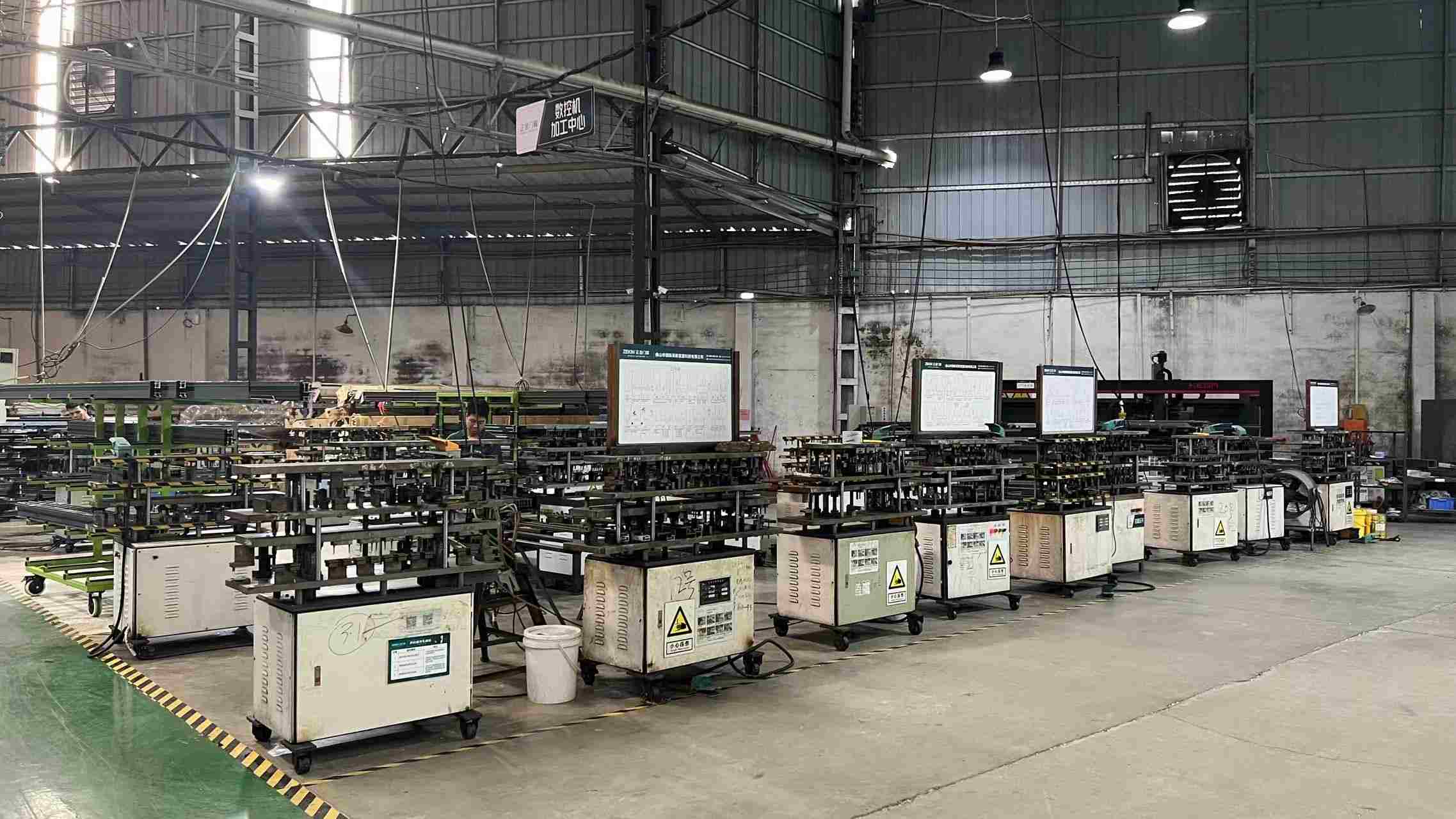
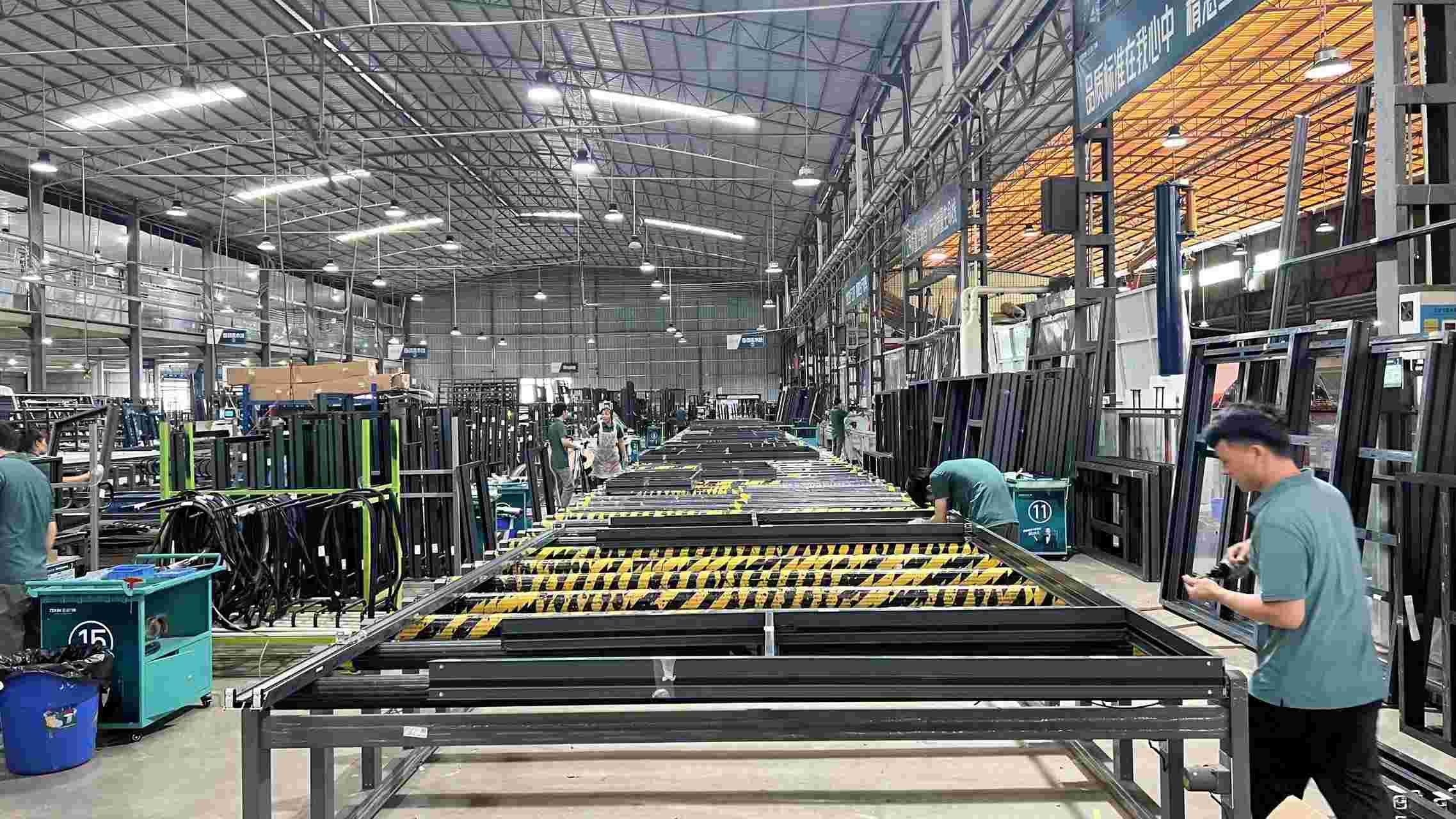
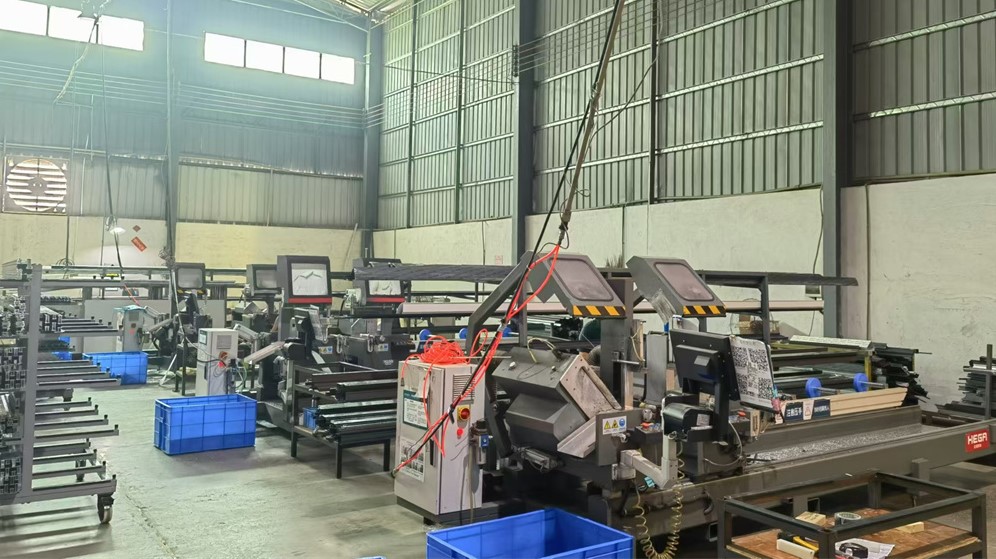
Founded in 2007, Luxfront Architectural Doors Ltd. operates a state-of-the-art 26,000 m² manufacturing ecosystem delivering precision-engineered entrance solutions worldwide.
Backed by 17 years of technical manufacturing heritage and 7 years of high-volume international trade operations, Luxfront achieves over $21 million in annual export revenue. The company caters predominantly to tier-one markets including North America, Western Europe, and Australia, serving boutique housing developers, luxury custom home builders, and prestigious architectural design agencies.
A crucial pillar of Luxfront's operational success is its robust material ecosystem, working alongside 720 specialized raw material supply partners. Quality assurance is meticulously embedded in every manufacturing stage: a dedicated team of 32 QA inspectors oversees full-process sampling, Coordinate Measuring Machine (CMM) dimensional measurements, structural load stress testing, and air-water-wind weather-seal performance evaluations.
Innovation remains the core driver of Luxfront's global competitiveness. Powered by 45 R&D engineers, the firm released 110 original door designs last season alone. Full bespoke customization options are available, ranging from massive large-format pivot door structures and concealed German-engineered heavy-duty hinges to integrated smart LED ambient lighting profiles and premium architectural wood-veneer aluminum finishes.
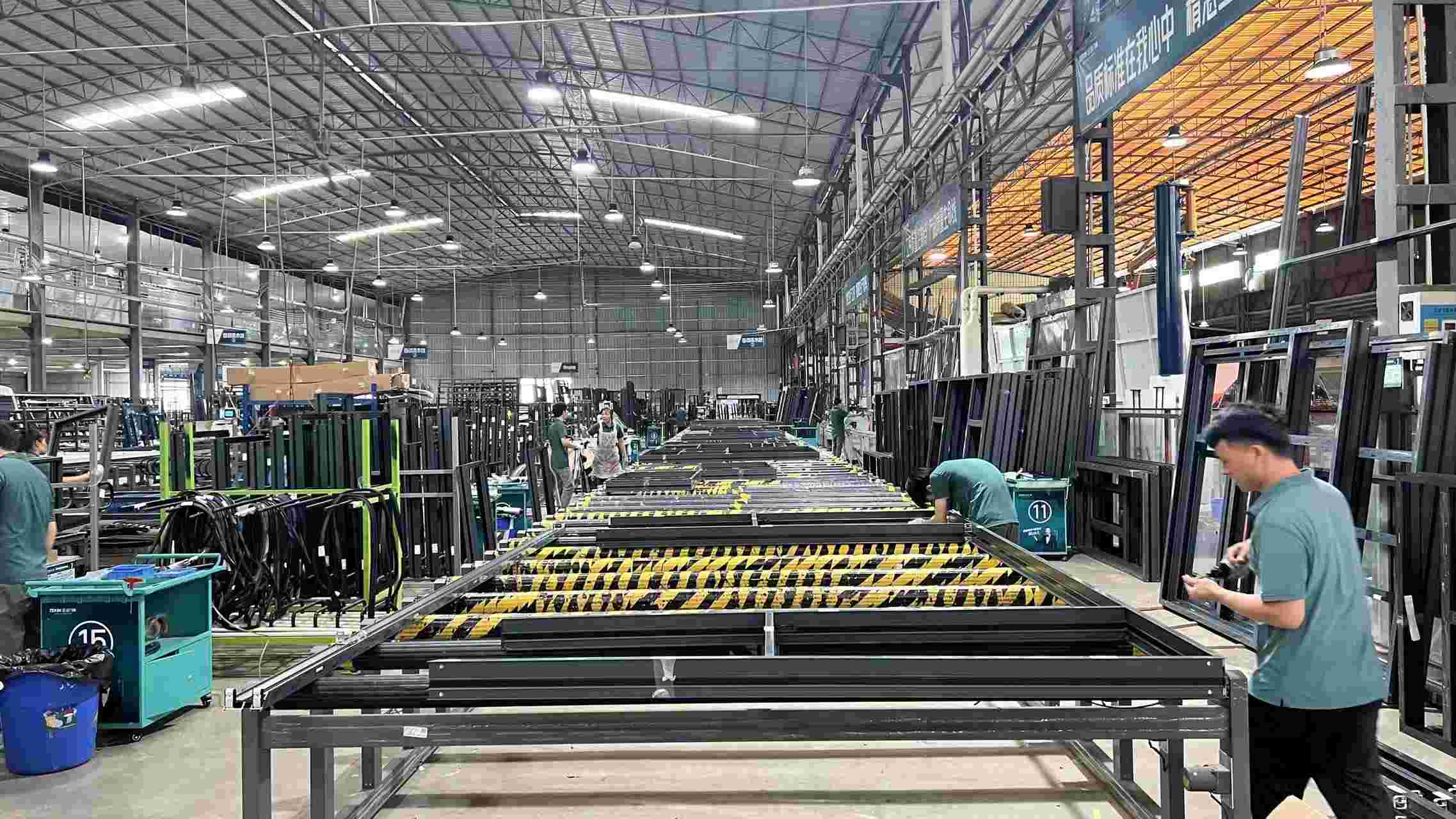
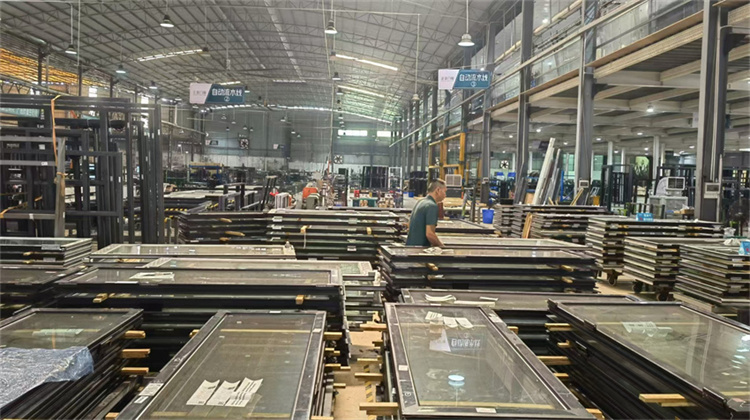
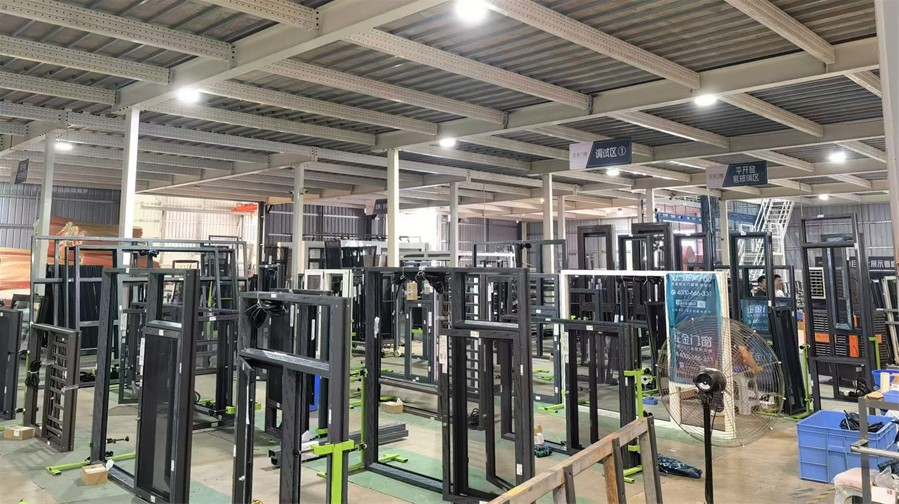
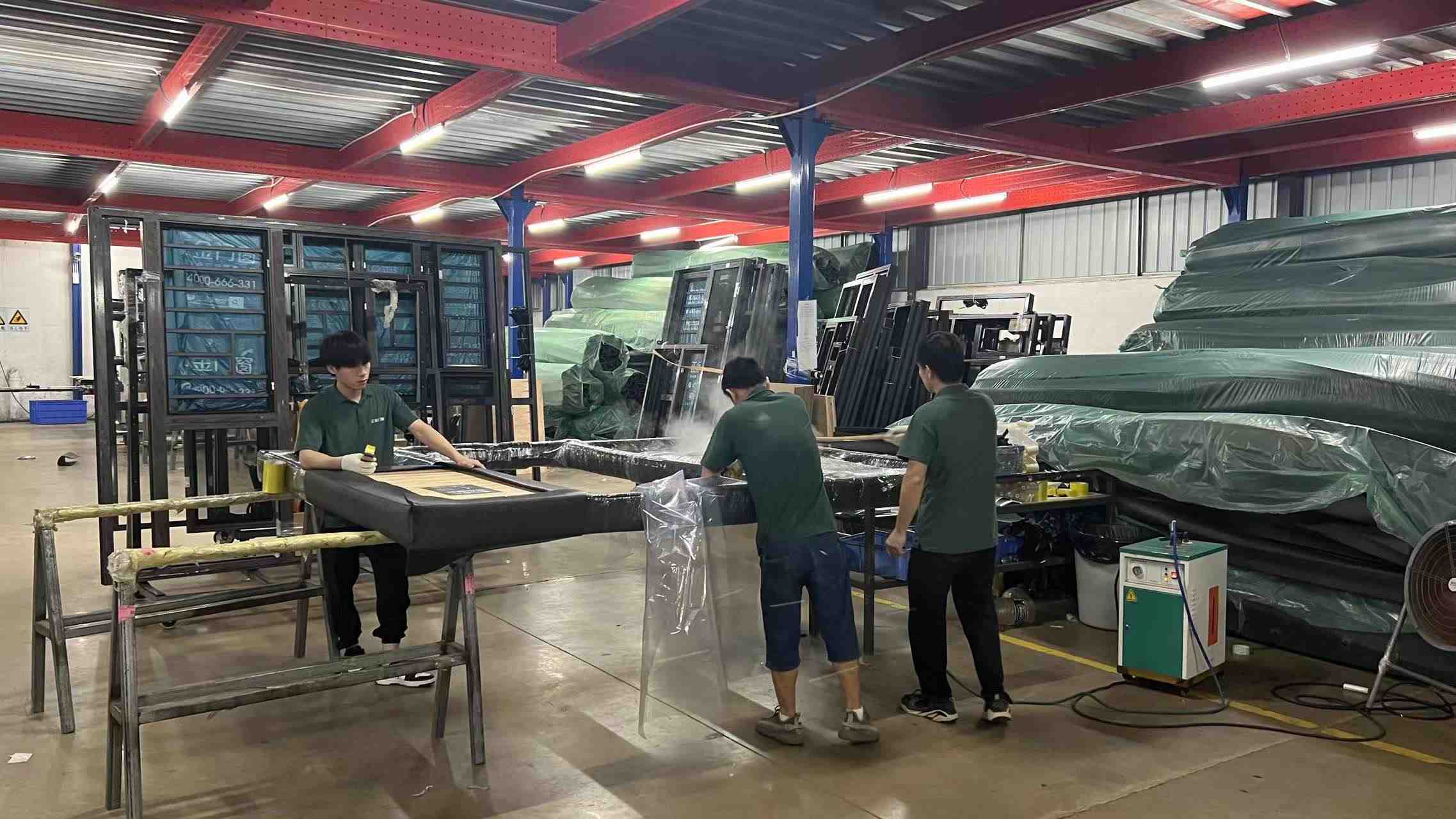
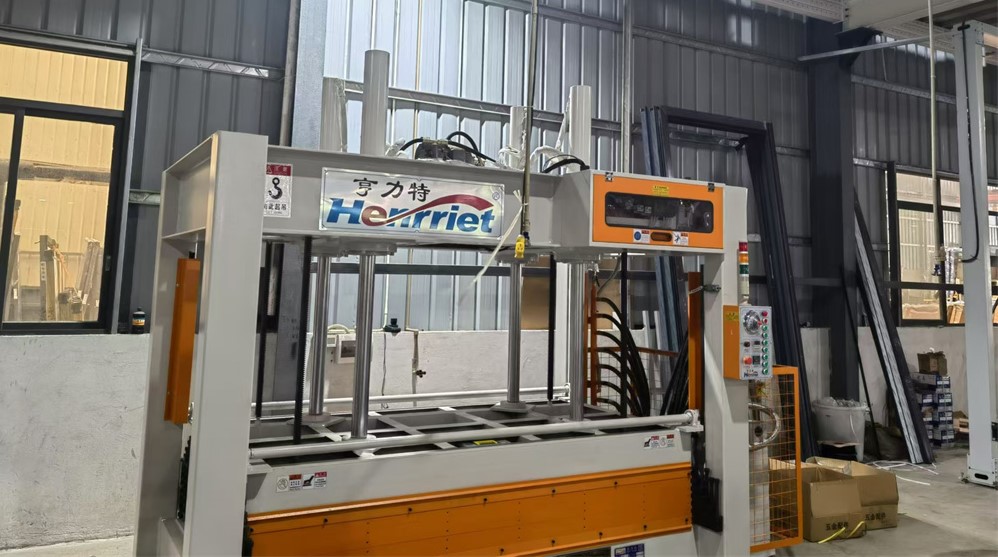
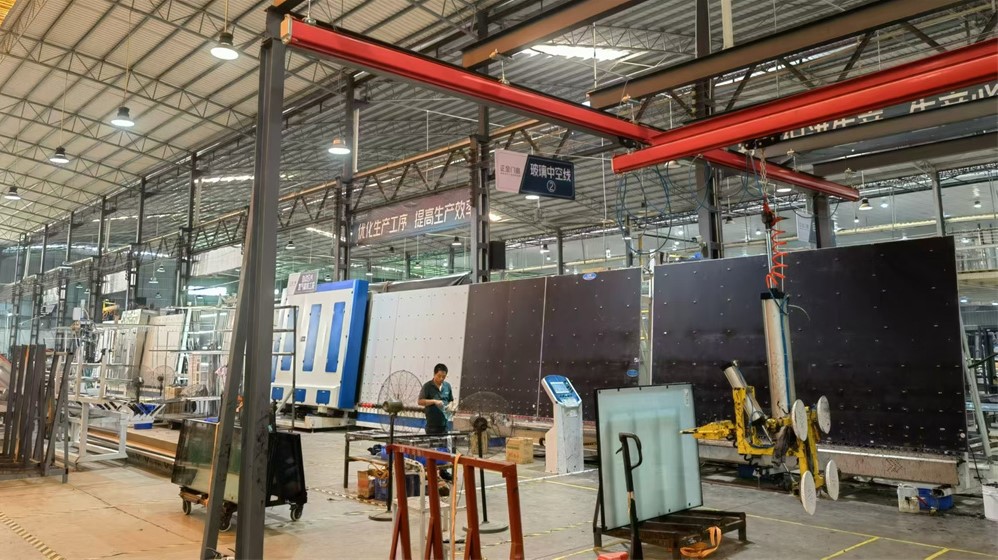
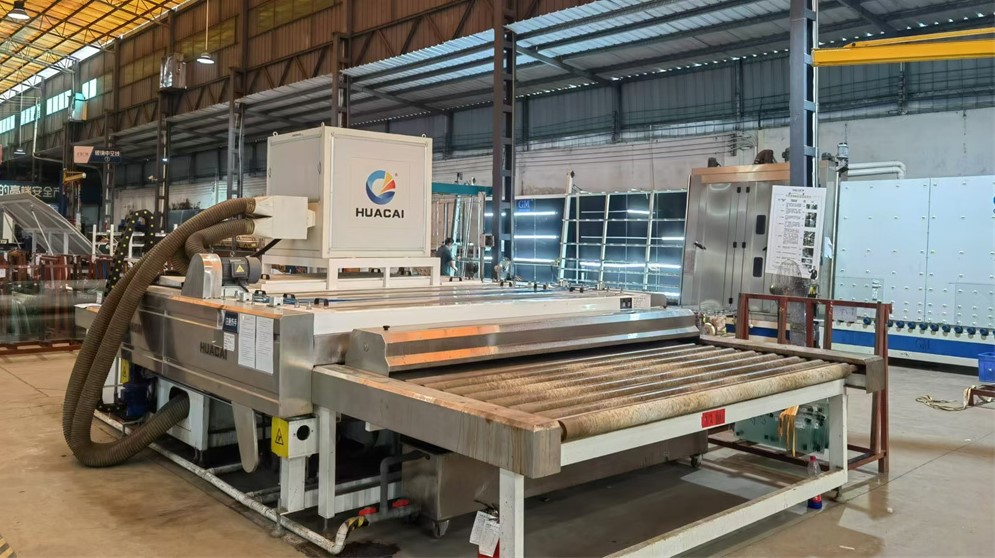
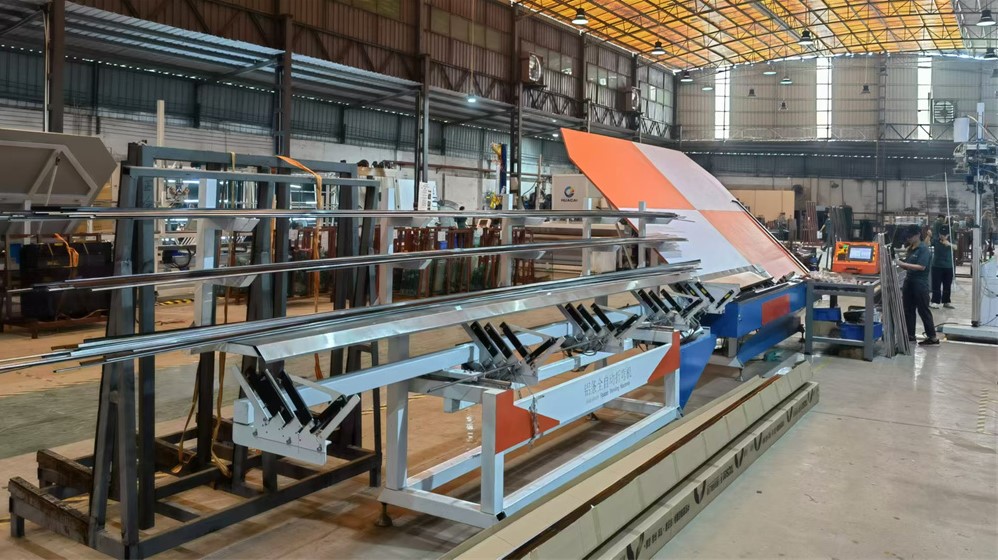
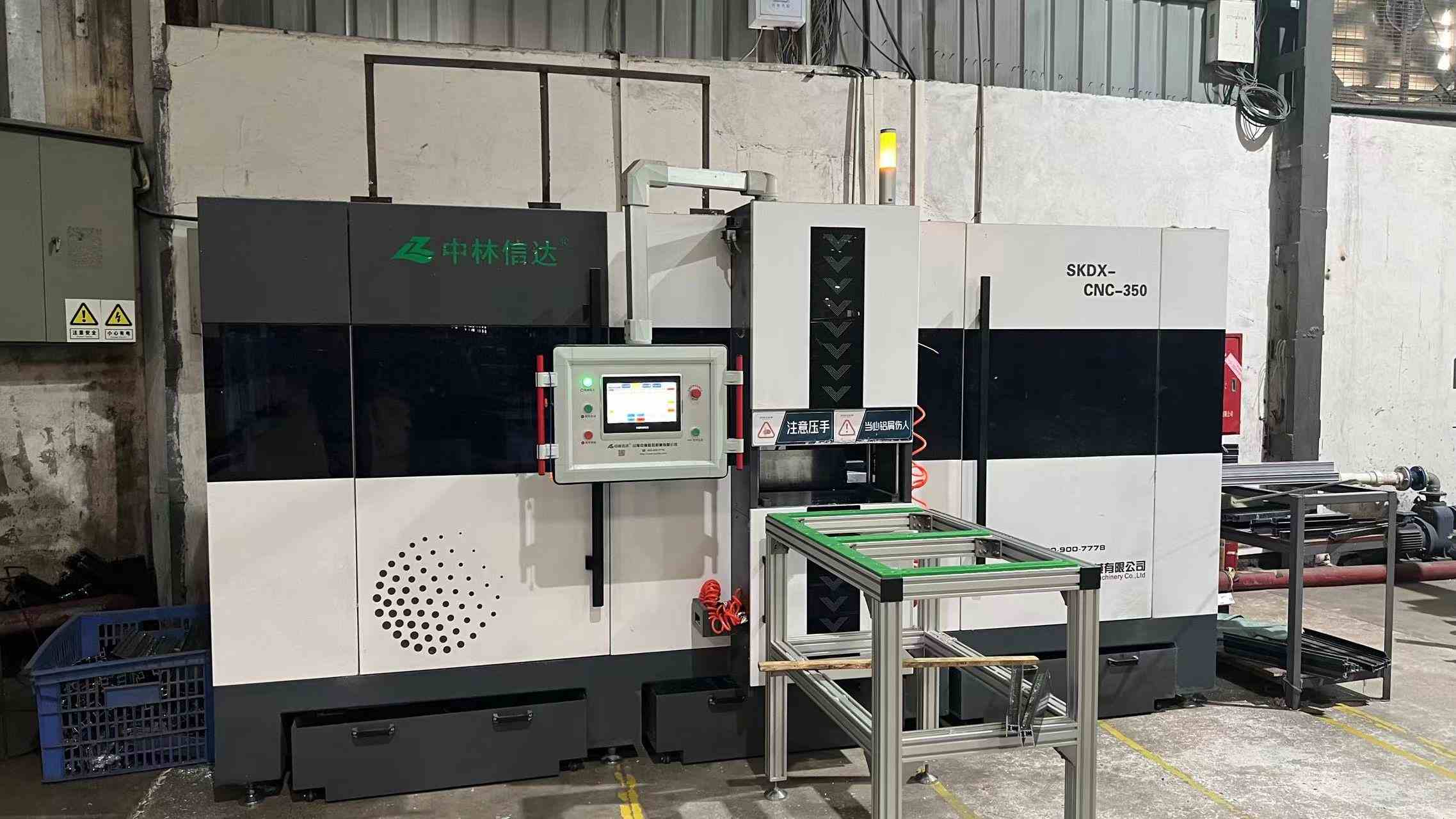
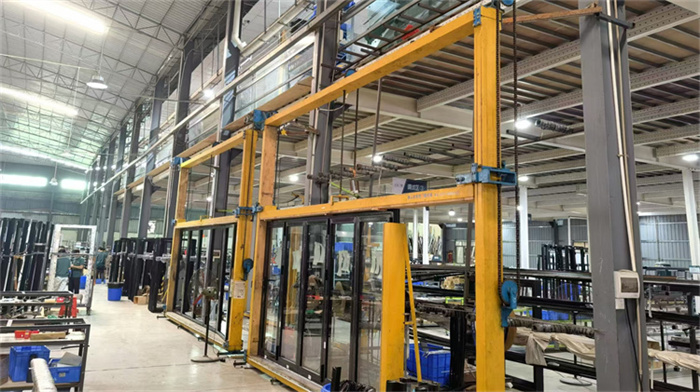
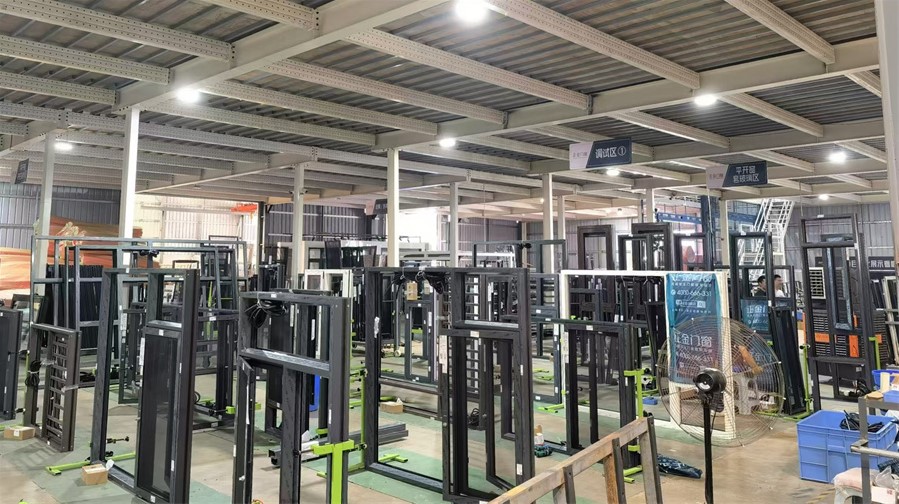
Custom-engineered aluminum glass door configurations tailored to specific regional climates, structural building codes, and environmental demands.
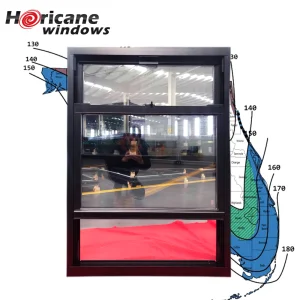
Technical Challenge: High wind velocities up to 180 mph, wind-borne debris impact, and saltwater atmospheric corrosion.
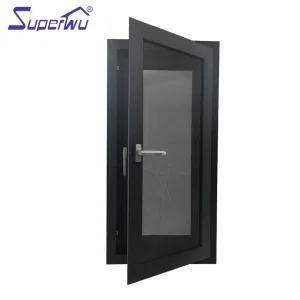
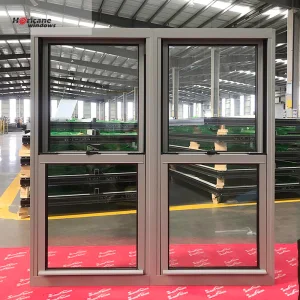
Engineering Solution: Implementation of heavy-duty 96PSF Miami-Dade NOA certified storefronts and casement entry doors. Utilizing multi-layered SentryGlas® (SGP) laminated glass, heavy-wall T6 aluminum extrusions, and Kynar 500® PVDF fluorocarbon coatings that resist salt-spray oxidation for over 20 years.
Technical Challenge: Extreme thermal energy loss, condensation build-up, and frost penetration across framing joints.
Engineering Solution: Multi-chamber thermal break profiles fitted with 34mm polyamide (PA66 GF25) insulation strips, triple-glazed Argon-filled Low-E glass units, and continuous EPDM triple weather-stripping. Achieves U-factors below 0.18 W/m²K to maintain indoor thermal equilibrium.
Technical Challenge: High mechanical wear, continuous foot traffic, noise pollution, and strict panic egress safety codes.
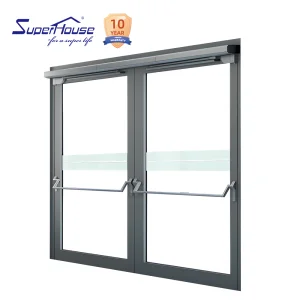
Engineering Solution: Heavy-commercial automatic electric anti-pinch entry doors and storefront panic exit hardware. Enhanced acoustic acoustic dampening glass configurations achieve STC 45+ ratings, isolating internal spaces from metropolitan noise.
Technical Challenge: Architectural demand for ultra-narrow sightlines, massive uninterrupted glass spans, and seamless threshold transitions.
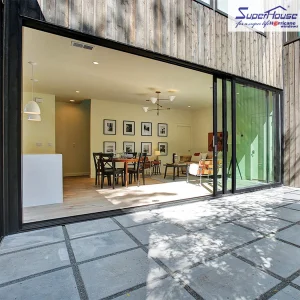
Engineering Solution: Concealed frame sliding and large-format offset pivot doors with ultra-narrow vertical interlocking stiles (18mm visible width). Integrated floor-recessed drainage tracks provide barrier-free flush entry while maintaining watertight integrity.
Next-generation technological developments transforming aluminum glass entry systems into intelligent, carbon-neutral architectural boundaries.
Future entry door systems are rapidly integrating electrochromic dynamic smart glass that alters light transmission via mobile apps or building automation systems. Embedded biometric sensors, micro-electromechanical locks, and concealed magnetic contact sensors are becoming standard in high-security commercial and residential entries.
To align with global Scope 1-3 net-zero targets, extrusions are transitioning toward ultra-low carbon primary aluminum produced via hydroelectric power, along with high percentage post-consumer recycled aluminum alloy profiles, reducing carbon footprint by up to 75% per ton of extrusion.
Replacing standard inert gas-filled IGUs, Vacuum Insulated Glass (VIG) technology creates an ultra-thin 8mm to 10mm glass envelope with thermal performance rivaling solid insulated walls (U-factors as low as 0.06 Btu/h·ft²·°F). This allows for dramatically slimmer aluminum door profiles without sacrificing energy efficiency.
Navigating global building codes, cross-border logistics, and structural certification requirements with complete engineering backing.
All Luxfront product lines undergo rigorous third-party physical testing to satisfy strict regional building codes:
From initial architectural drawings to site delivery, Luxfront provides comprehensive localized B2B service guarantees:
Detailed engineering and procurement answers for architects, developers, and trade buyers.
Explore our complete range of certified hurricane-resistant, soundproof, and thermal break opening systems.
 Luxfront