An authoritative analysis of high-velocity hurricane zone (HVHZ) fenestration technology, structural glass laminates, thermal break optimization, and OEM manufacturing workflows for enterprise procurement.
Engineered to withstand extreme wind pressures, debris impacts, and harsh coastal environments while delivering superior thermal efficiency.
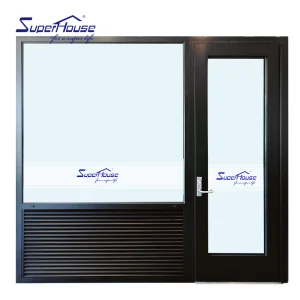
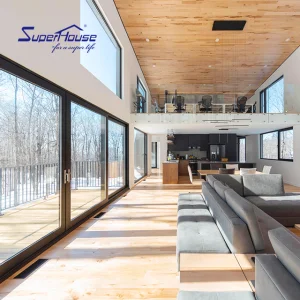
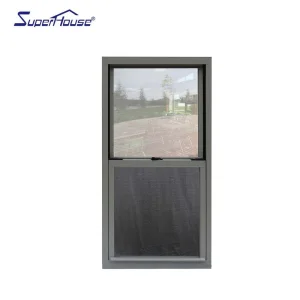
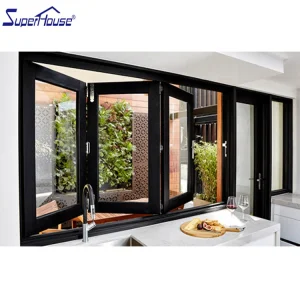
Modern architectural fenestration for coastal and storm-prone regions demands a fundamental shift from traditional aesthetic framing to high-performance structural engineering. In high-velocity hurricane zones (HVHZ), front entrance doors serve as the primary defensive seal for entire building envelopes. Structural failure at the main entry point leads to rapid internal pressurization, frequently culminating in catastrophic roof blowouts and total structural loss.
Utilizing SentryGlas® Plus (SGP) ionoplast interlayers, which offer 100 times the stiffness and 5 times the tear strength of conventional PVB films. Under severe impact, the laminated pane retains structural integrity even if both outer tempered glass layers fracture, resisting continuous cycling wind loads up to ±100 PSF (Pounds per Square Foot).
Engineered structural aluminum frames feature minimum wall thicknesses of 3.0mm to 5.0mm. Coupled with polyamide PA66GF25 thermal breaks, these profiles mitigate thermal bridging while sustaining heavy design pressure (DP70 to DP100) performance thresholds under ASTM E1300 standards.
Concealed continuous stainless steel 316 multi-point lock rods distribute dynamic torsional loads evenly across the perimeter frame. This prevents door sashes from unlatching under negative wind suction pressure caused by Category 5 hurricane force winds (>157 mph).
Founded in 2007, Luxfront Architectural Doors Ltd. is a modern high-end door enterprise utilizing a 26,000 m² production facility. Backed by 17 years of technical manufacturing heritage and 7 years of international trade operations, the firm achieves $21 million in annual export revenue. Luxfront caters predominantly to North America, Western Europe, and Australia, serving boutique housing developers, luxury home builders, and architectural design agencies.
Working alongside 720 specialized raw material supply partners, quality assurance remains central to operations. A dedicated team of 32 QA inspectors oversees full-process sampling, CMM dimensional measurements, and weather-seal performance evaluations. Driven by market-leading architectural innovation, Luxfront's 45 R&D engineers released 110 original door designs last season. Complete custom options are available, covering large-format pivot door structures, concealed hinges, integrated LED ambient lighting, and premium wood-veneer aluminum finishes.
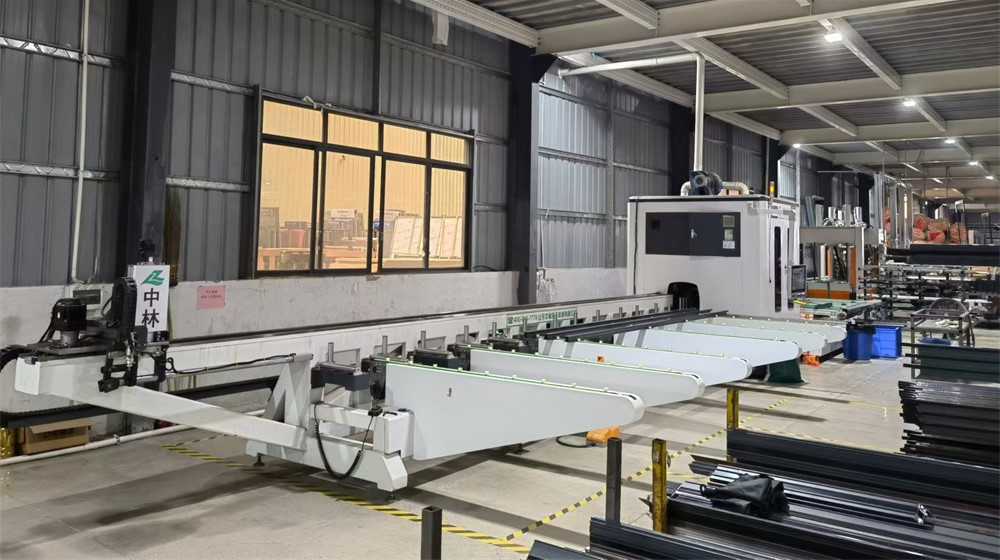
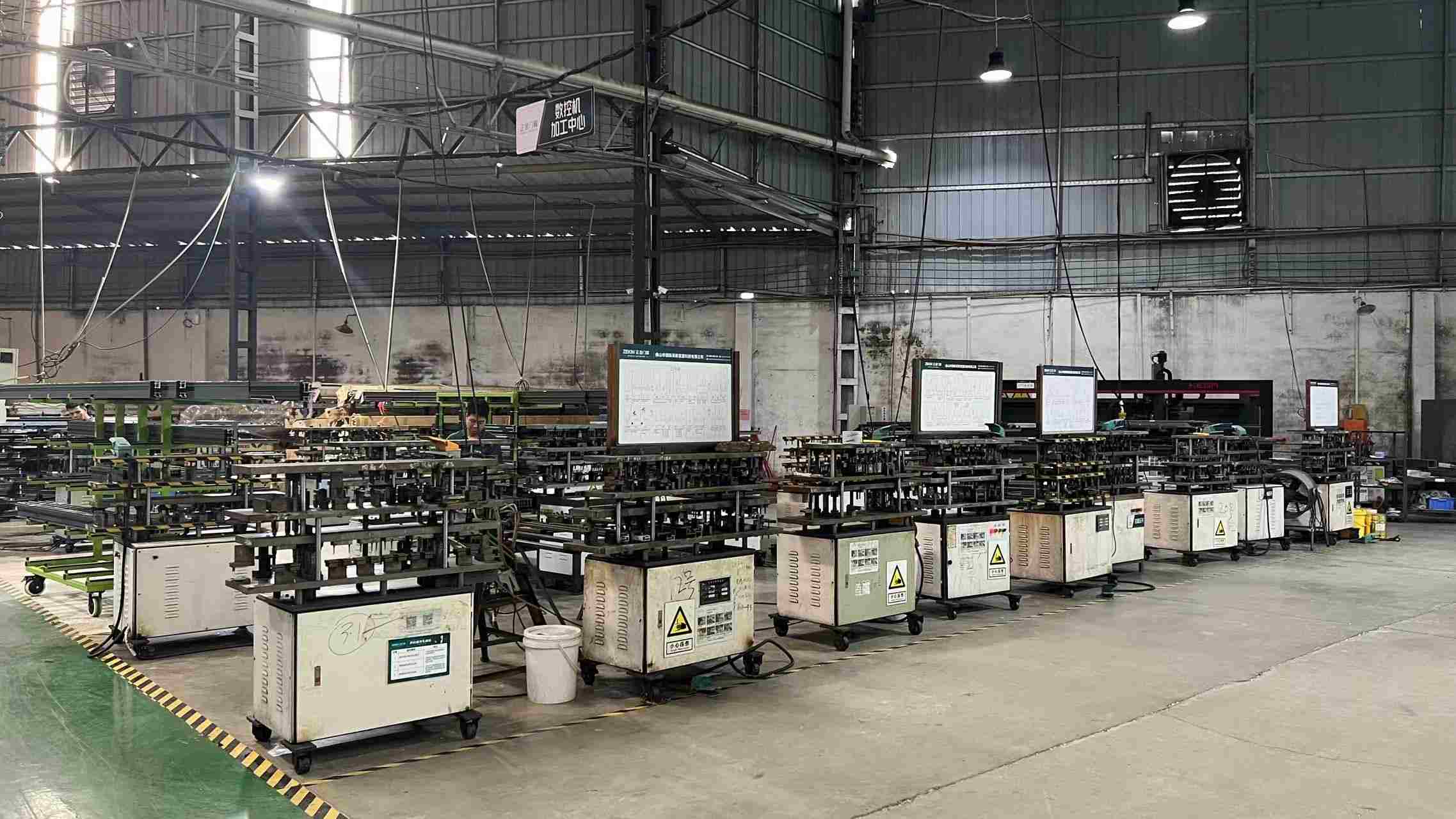
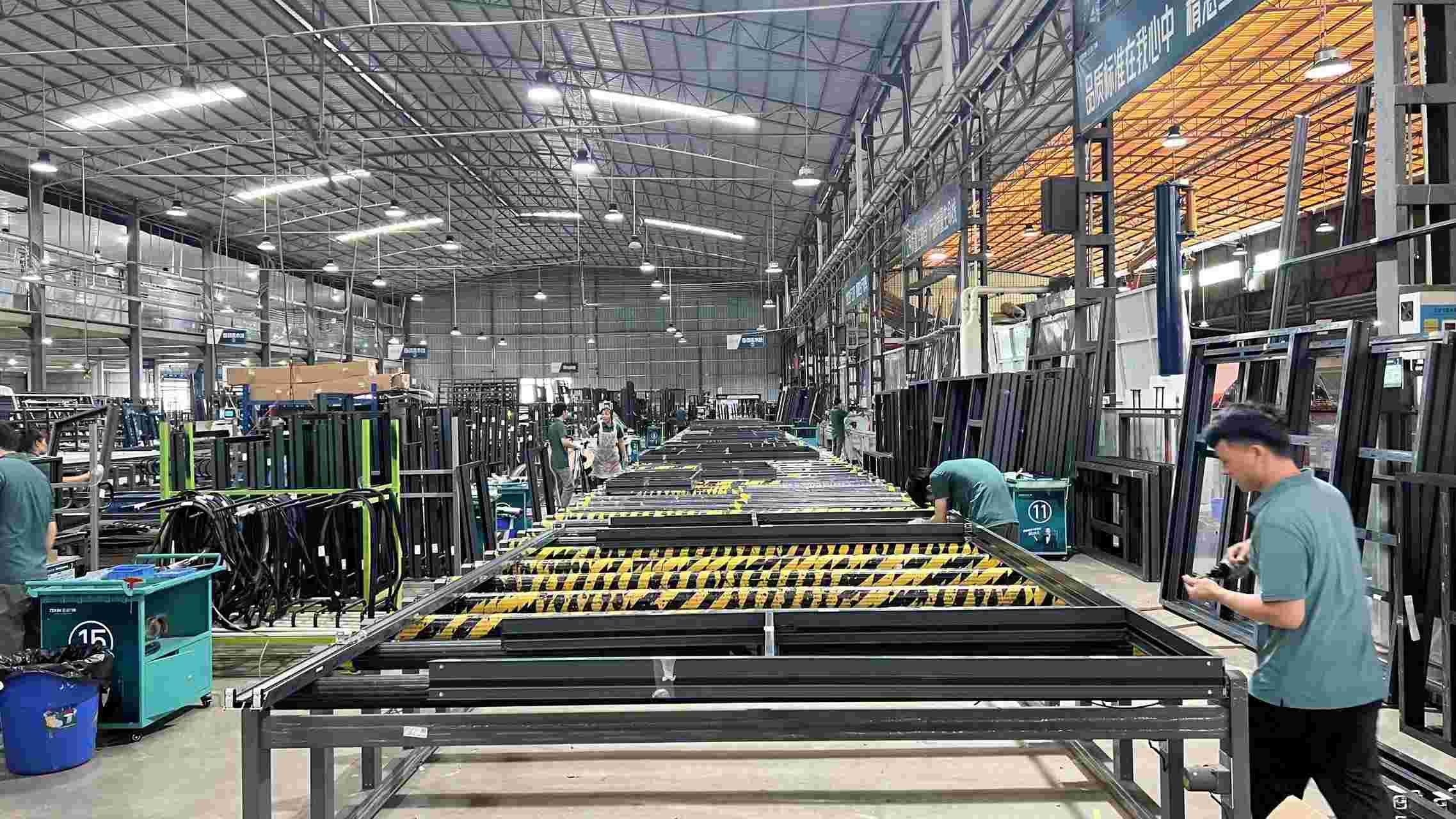
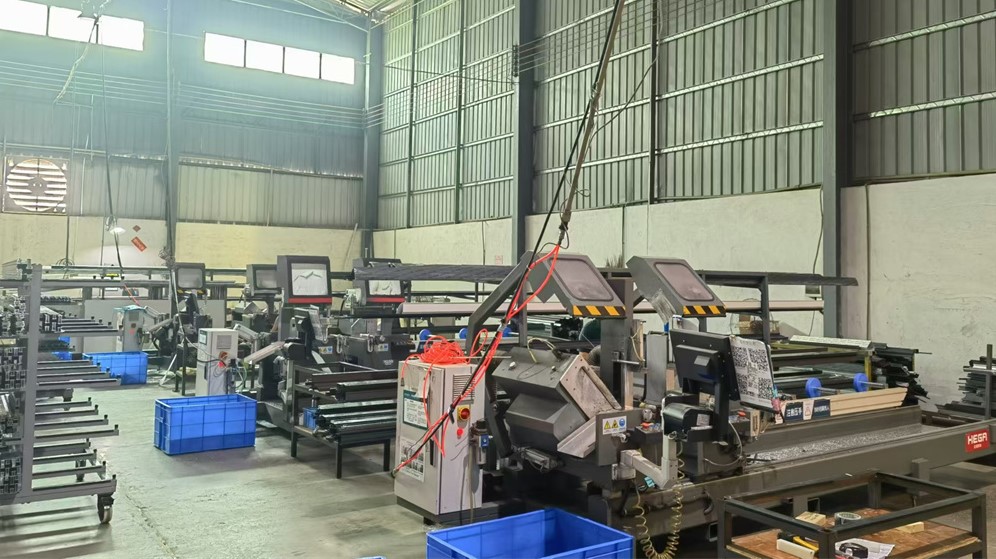
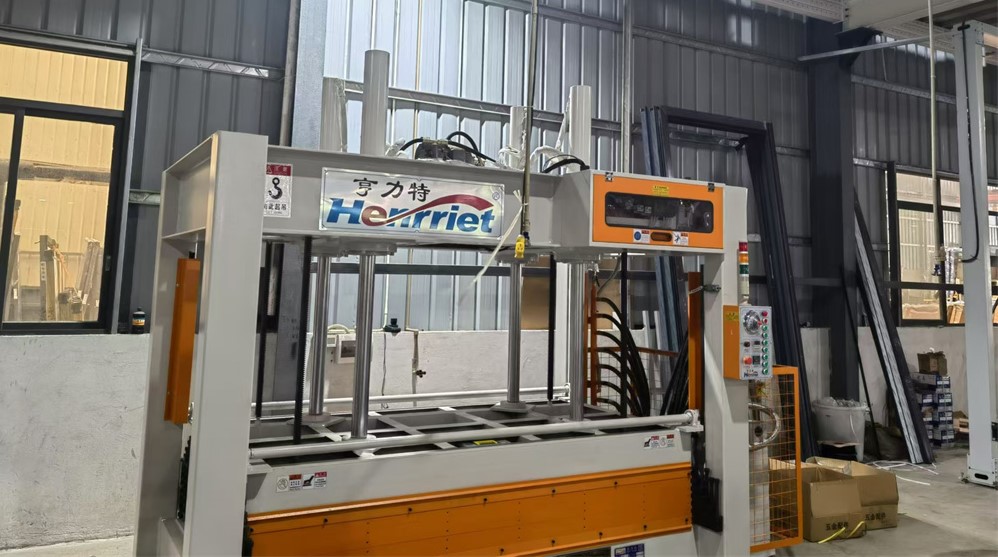
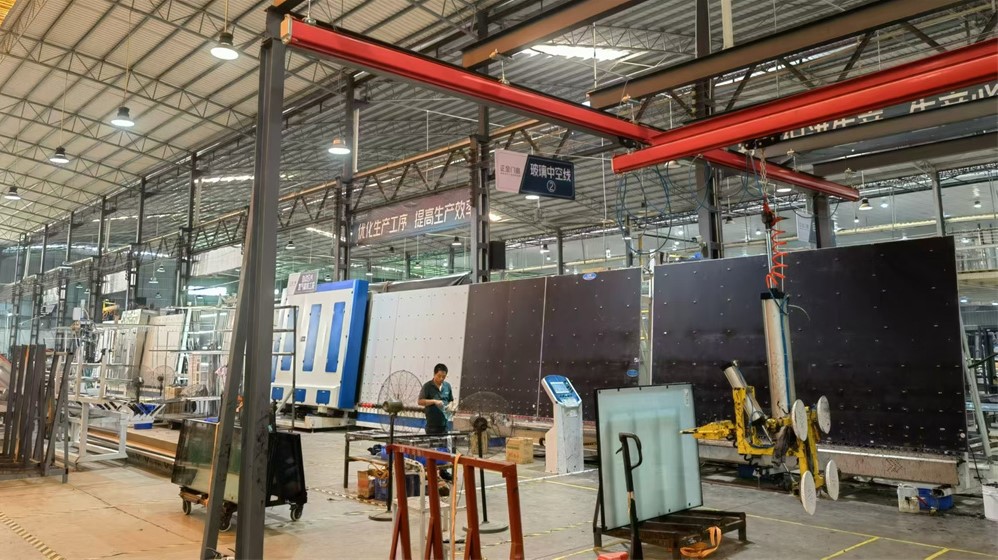
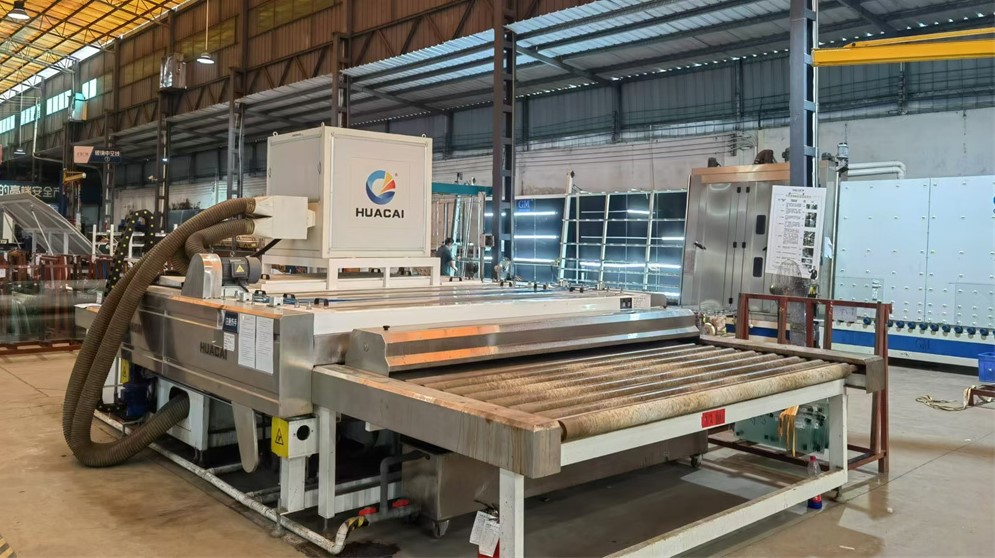
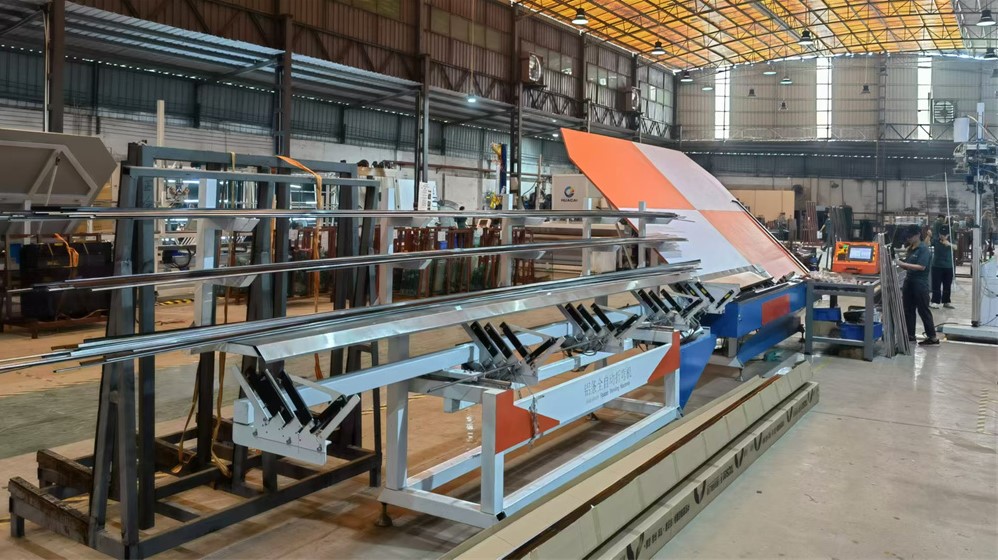
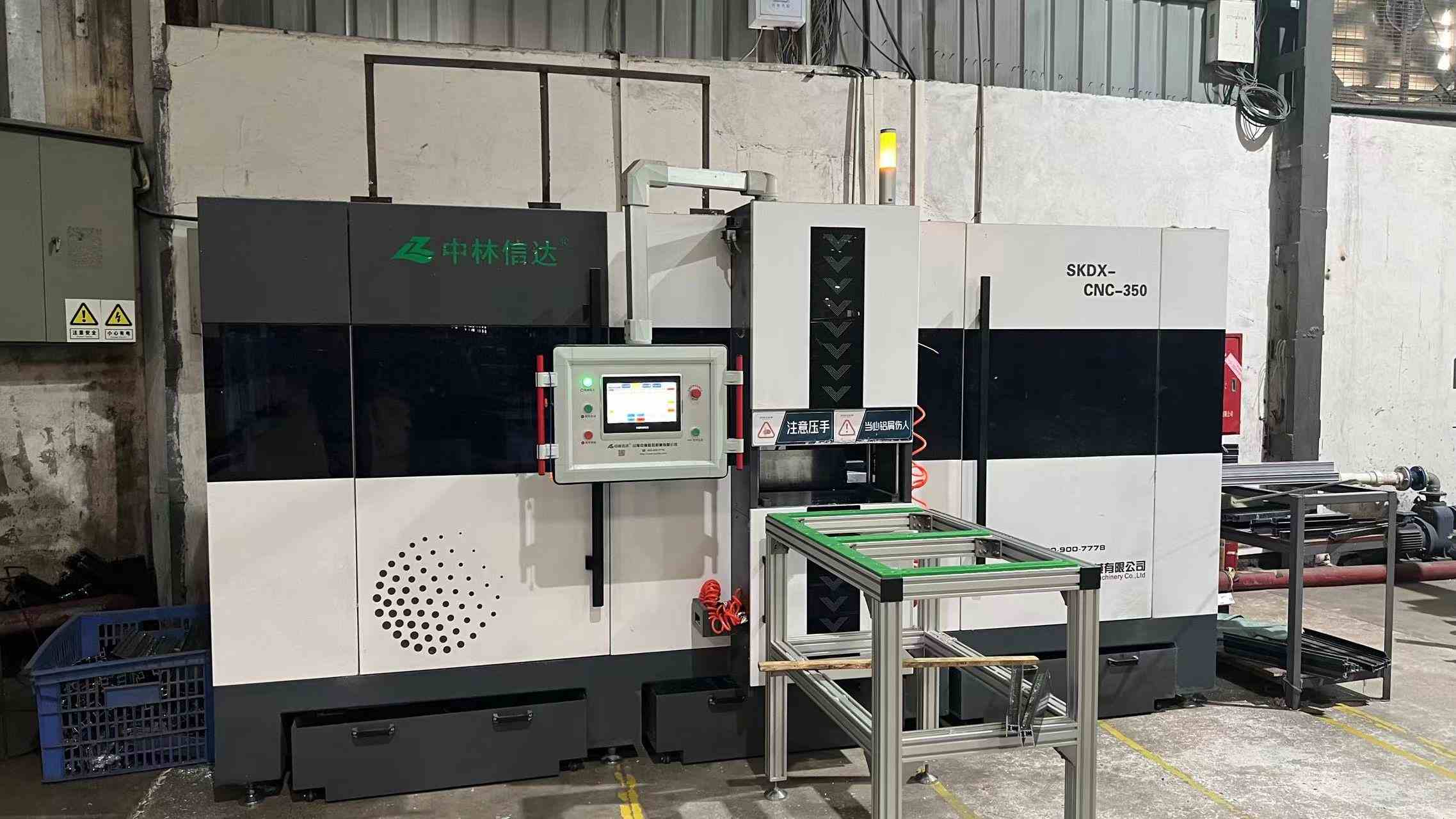
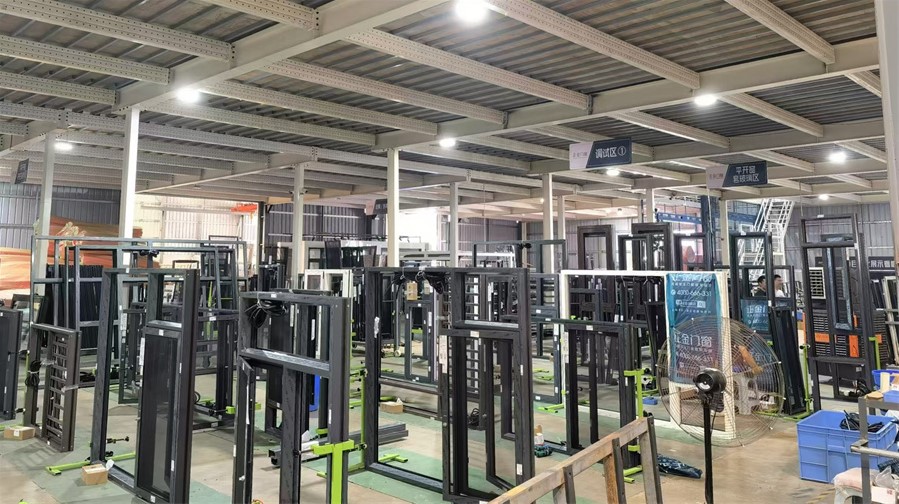
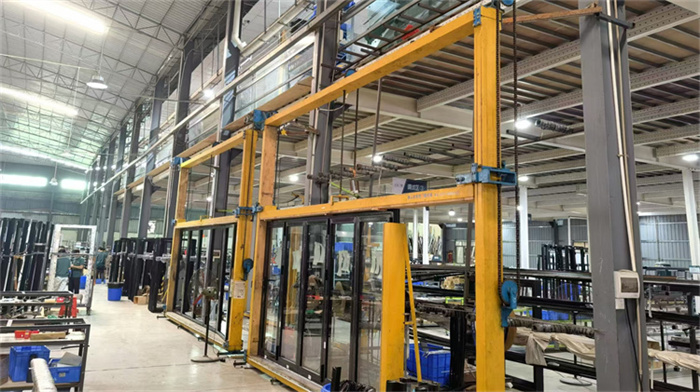
Every hurricane-resistant front door undergoes 18 rigorous processing stages. Below is an audited view of Luxfront’s automated manufacturing lines, precision machining tools, and quality debugging stations.
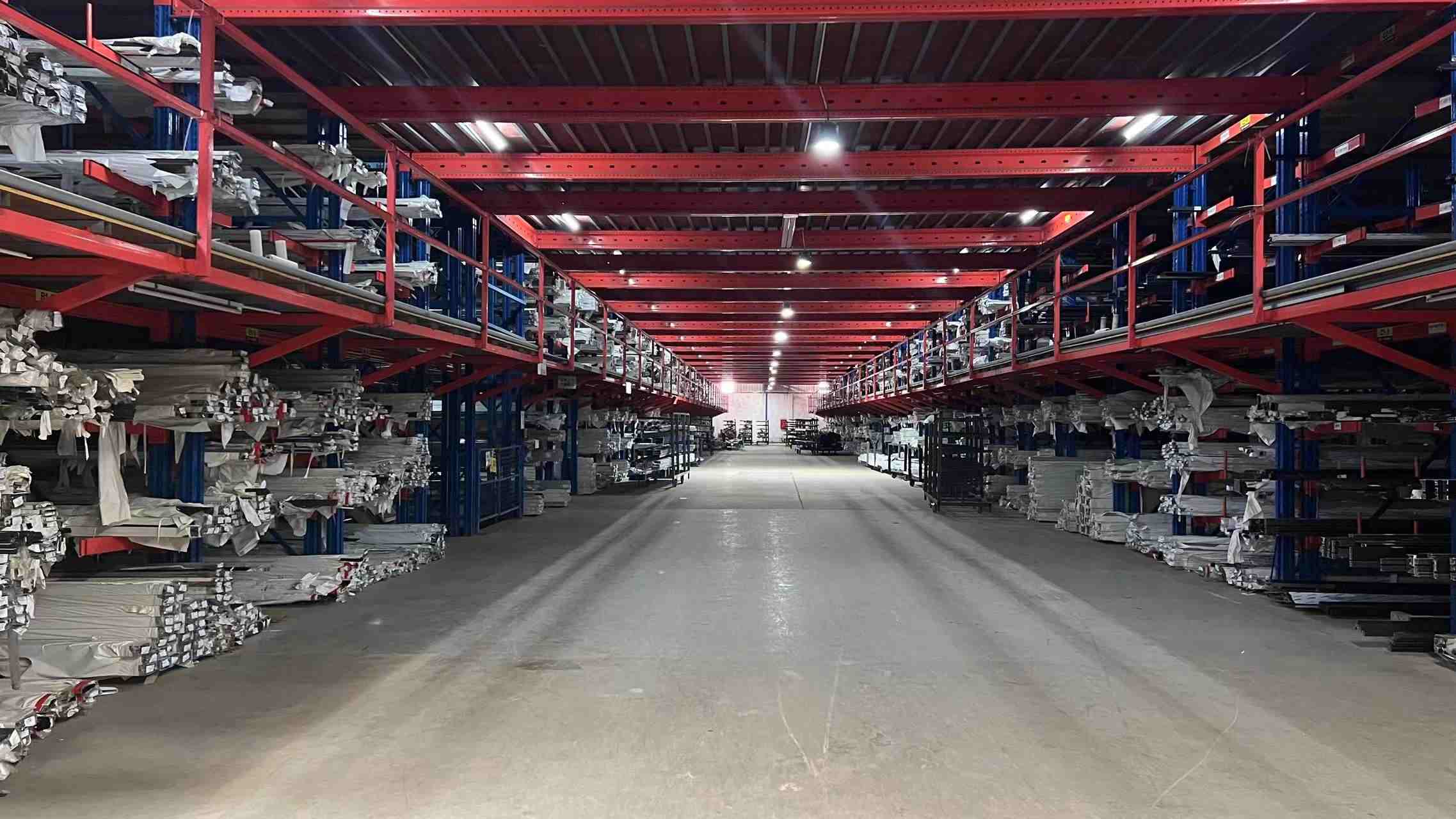
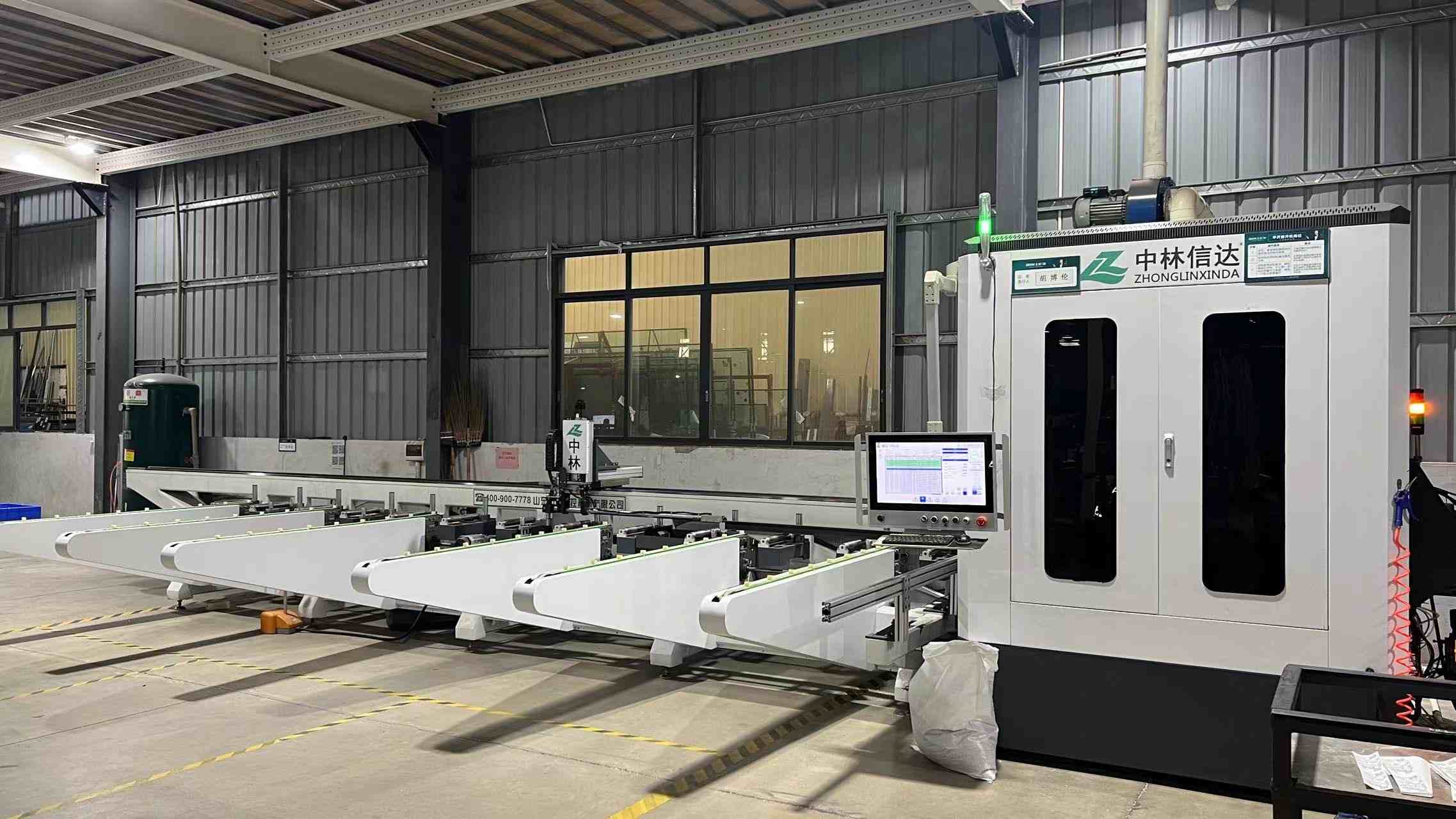
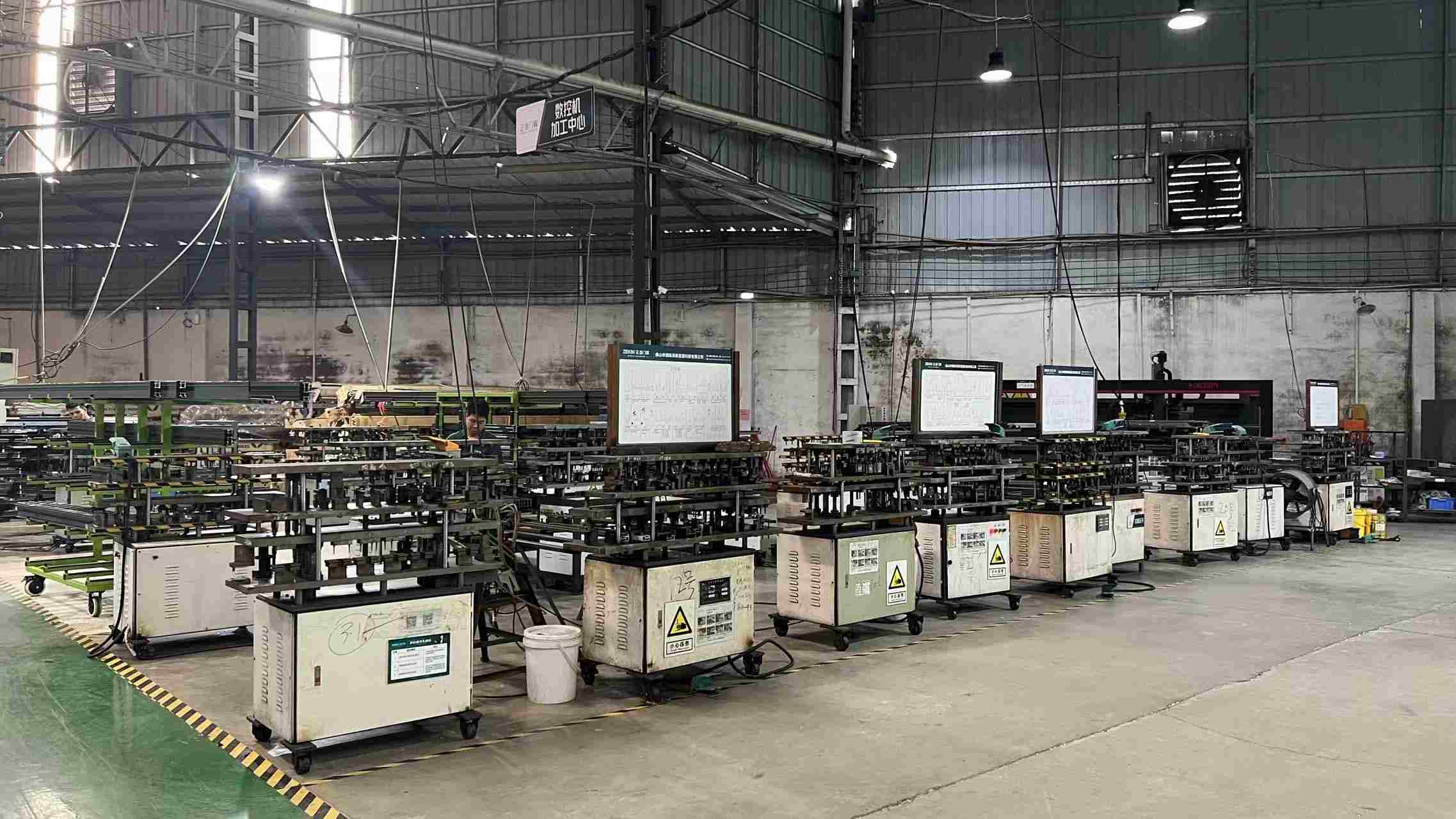
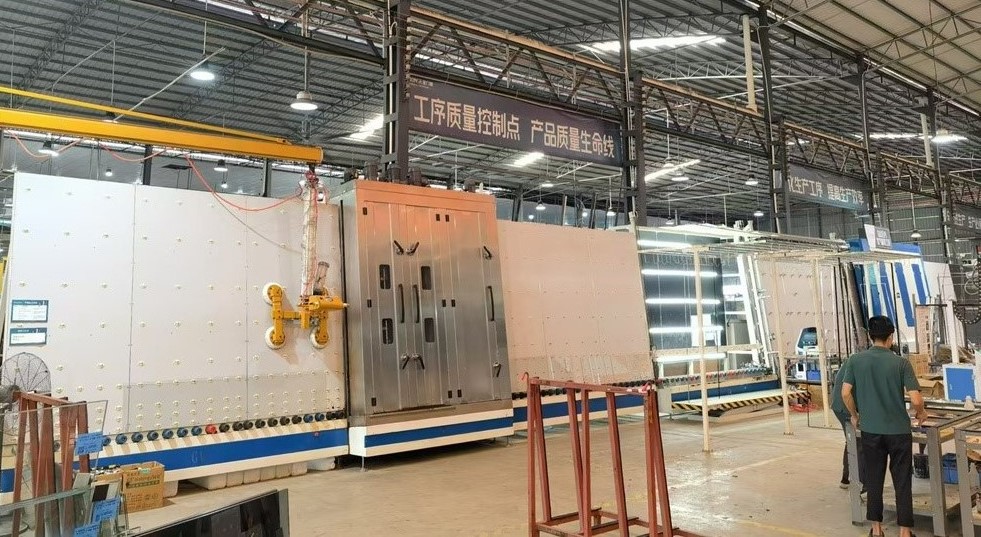
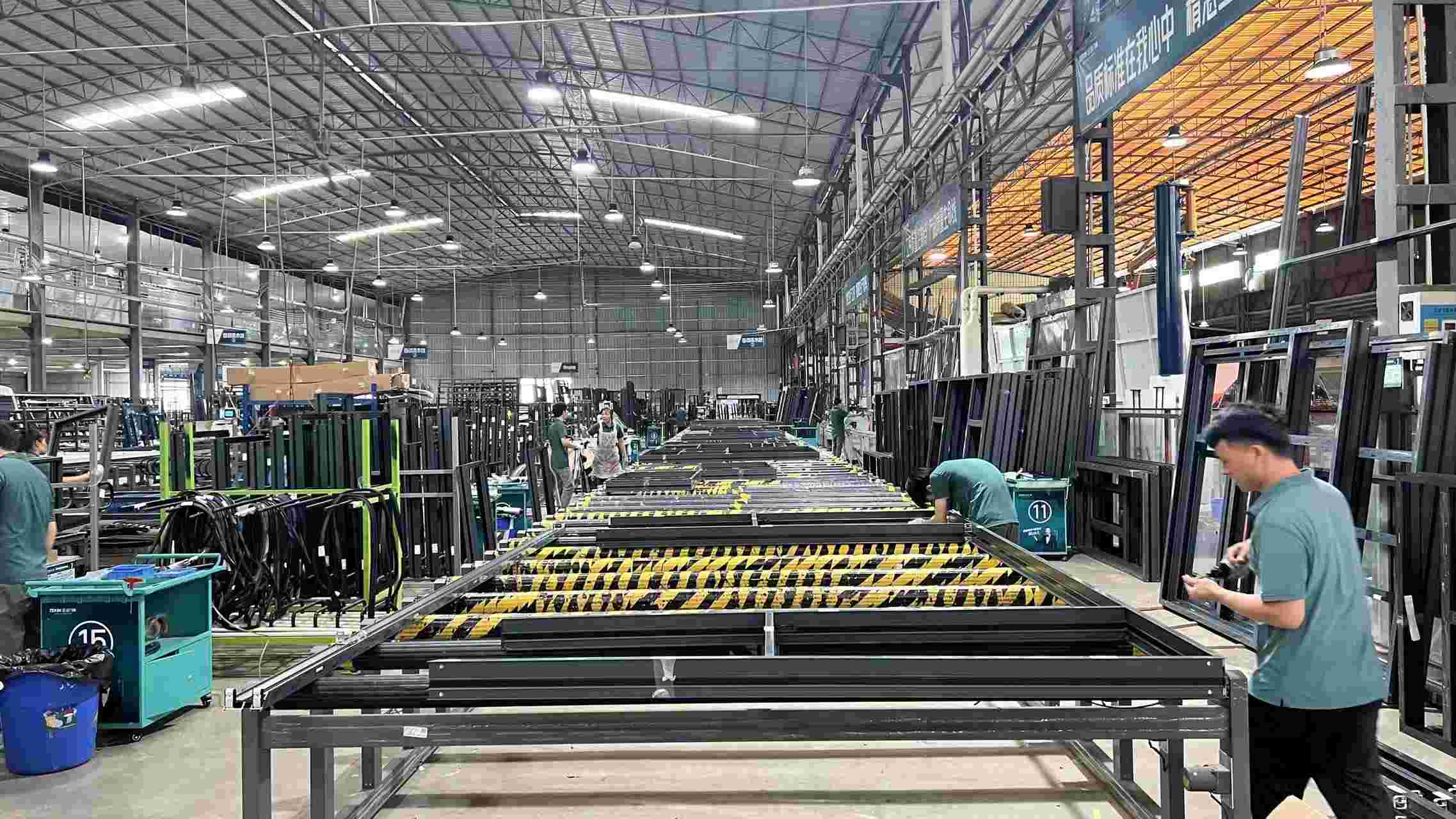
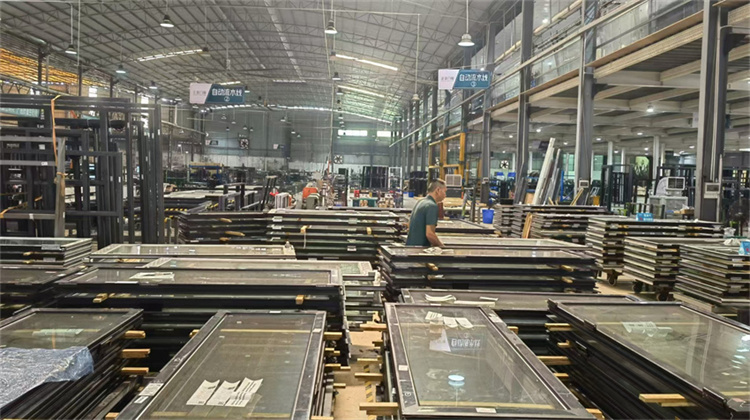
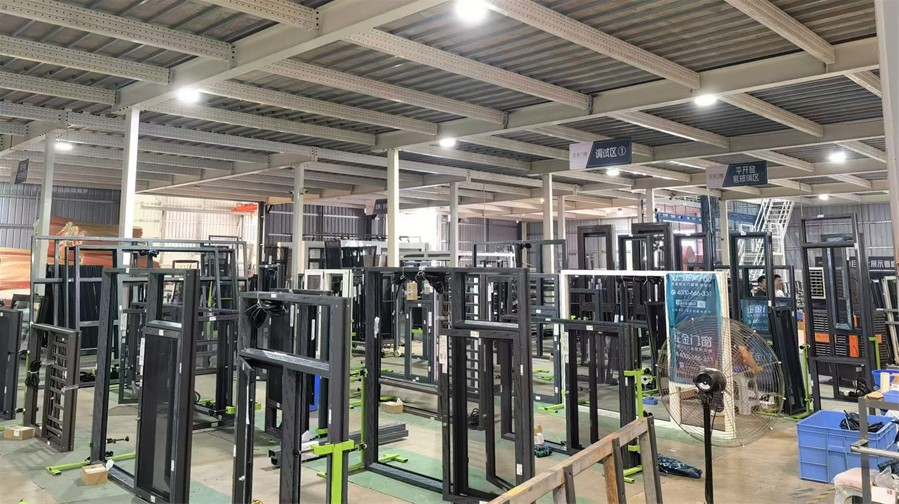
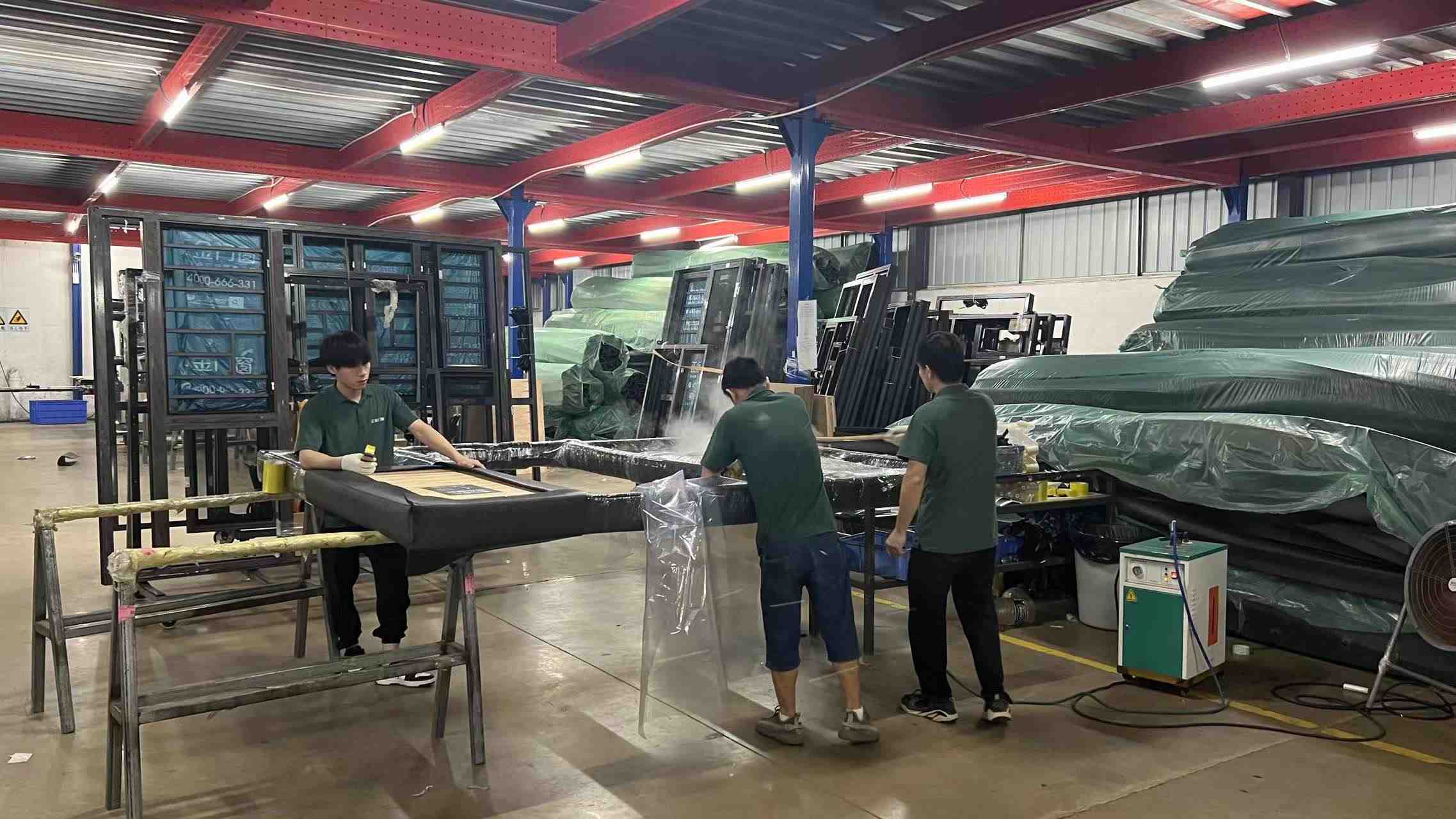
The global demand for impact-rated architectural fenestration is experiencing exponential growth, driven by intensifying weather events, stricter regional building codes, and rising luxury residential development in coastal zones worldwide. Today’s architectural entrance systems must resolve the historical tension between structural resilience and minimalist design aesthetics.
Modern luxury villas demand grand entrances reaching heights up to 4 meters and widths of 2 meters. Engineering pivot systems that comply with High-Velocity Hurricane Zone (HVHZ) requirements requires heavy-duty floor-concealed hydraulic pivots, structural steel reinforcement inserts, and perimeter dual-EPMD pneumatic seals to prevent water infiltration under driving rains exceeding 120 km/h.
High-end developers increasingly specify smart access controls seamlessly integrated into bullet-resistant and impact-tested frames. Luxfront's 3D facial recognition, encrypted remote keypad controls, and electromagnetic latching operate via dual power backups embedded within thermal break profiles, ensuring uncompromised security during grid failures during severe storms.
| Performance Specification | Standard Residential Door | Commercial Impact Door | Luxfront HVHZ Architectural Door |
|---|---|---|---|
| Design Pressure (DP) Rating | DP 25 - DP 35 | DP 50 - DP 65 | DP 70 - DP 100+ (TAS 201/202/203) |
| Large Missile Impact Resistance | None | Basic PVB (9-lb 2x4 @ 34 fps) | SGP Ionoplast (9-lb 2x4 @ 50 fps + Cyclic 9000 Cycles) |
| Thermal Performance (U-Value) | > 0.50 BTU/h·ft²·°F | ~ 0.38 BTU/h·ft²·°F | ≤ 0.22 BTU/h·ft²·°F (Thermally Broken) |
| Max Oversize Capacity | 2.1m Height x 0.9m Width | 2.4m Height x 1.2m Width | 4.0m Height x 2.2m Width (Pivot Configuration) |
| Finishing & Corrosion Standard | Standard Powder Coating | AAMA 2604 Coating | AAMA 2605 Kynar 500® / Fluorocarbon PVDF |
Exporting structural architectural doors across North America, Western Europe, and Australia requires compliance with rigorous regional regulatory frameworks. Factory certifications serve as verifiable proof of structural integrity, air/water resistance, and energy conservation efficiency.
Recognized as the gold standard for hurricane impact testing. Products undergo Large Missile Impact Testing (TAS 201), Uniform Static Air Pressure (TAS 202), and Cyclic Wind Pressure Loading (TAS 203) to secure Notice of Acceptance (NOA) for HVHZ deployment.
National Fenestration Rating Council certification validates U-Factor, Solar Heat Gain Coefficient (SHGC), and Visible Transmittance (VT). Thermal break profiles ensure structural energy compliance across Sunbelt states and cold climate zones alike.
Mandatory performance standards for window and door assemblies in Australia. Certification involves rigorous structural deflection, air infiltration, water penetration resistance (up to 450Pa), and ultimate stress load evaluations.
Luxfront’s 45 R&D engineers are actively prototyping advanced dynamic material solutions designed to redefine architectural capabilities over the next decade.
Electronically switchable smart glass laminated with impact-grade SGP interlayers allows instant transition from transparent to opaque via smart home protocols while rejecting 99% of UV radiation and reducing heat gain under harsh sun exposure.
Integrating continuous carbon-fiber composite strands into key aluminum structural chambers to boost flexural modulus by 40% while reducing profile weight, allowing for ultra-slim sightlines in massive hurricane-rated entrance doors.
Applying hydrophobic and micro-scratch self-repairing surface coatings to exterior powder-coated aluminum profiles, extending salt-spray corrosion resistance to over 5,000 hours in coastal marine environments.
Expert insights answering critical engineering, customization, and logistics questions for B2B buyers and structural engineers.
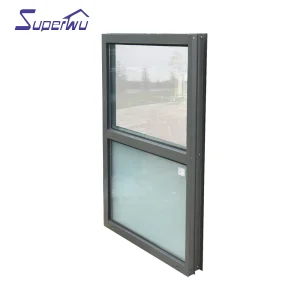
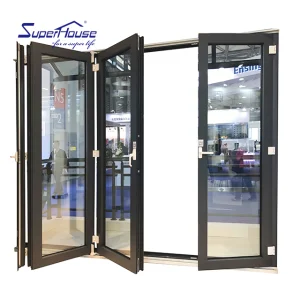
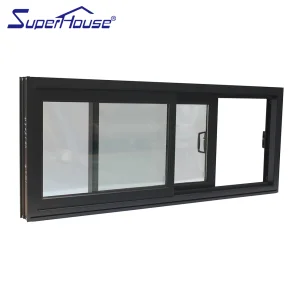
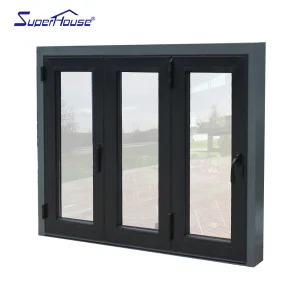
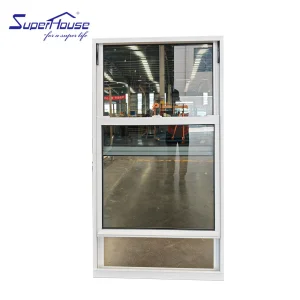
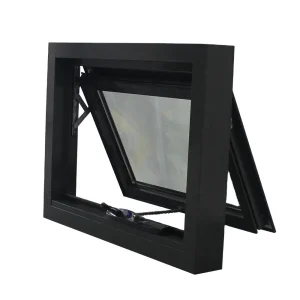
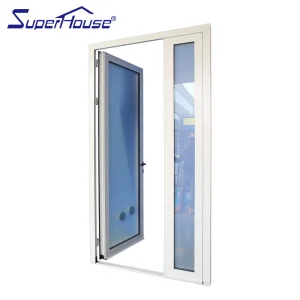
Explore our full range of certified impact entrance doors, high-span sliding systems, thermal break folding units, and commercial glass windows.
 Luxfront