Precision-engineered structural aluminum windows, entryways, and thermal barrier systems.
Evaluating structural alloy advancements, smart locking infrastructure, and global adoption metrics.
The global entry door market is experiencing a profound shift away from traditional timber and unreinforced PVC toward high-tensile aluminum alloy profiles (6063-T6 and 6060-T66). Aluminum offers superior dimensional stability, non-warping durability in variable microclimates, and exceptional structural rigidity required for modern large-format residential and commercial entry points.
With the adoption of advanced Polyamide Thermal Barriers (PA66 GF25), aluminum front doors achieve thermal insulation values competitive with high-end composite systems while maintaining ultra-slim sightlines and superior physical security ratings (EN 1627 RC2 to RC4).
Smart lock technology has evolved from surface-mounted aftermarket deadbolts into fully integrated, mechatronic multi-point locking hardware recessed directly within the door structure's internal profile cavity during OEM production.
Modern commercial and luxury residential specifications require multi-modal access governance—combining 3D biometric facial recognition, capacitive fingerprint sensors, encrypted RFID, wireless Bluetooth Low Energy (BLE), and Matter-compliant smart home mesh connectivity. Factory-installed wiring channels ensure clean aesthetic execution and permanent hardwired power reliability.
Strict building envelope regulations—such as California Title 24, Florida Building Code (HVHZ), Australia’s AS2047, and Europe’s EPBD directive—are accelerating demand for certified, high-performance smart aluminum doors.
B2B developers, luxury hotel chains, and architectural project managers demand factory-integrated systems certified for thermal efficiency (U-factors below 1.2 W/m²K), air infiltration, acoustic dampening (STC ratings >38), and forced-entry deterrence.
Information Gain Benchmark: Unlike standardized off-the-shelf entry doors, OEM custom-engineered aluminum doors feature structural thermal break profiles combined with IP65-rated mechatronic mortise locks. This hybrid engineering delivers a 40% increase in structural flexural strength while reducing thermal conductivity across the building envelope by up to 65%.
Detailed architectural parameter breakdown for OEM and ODM custom manufacturing.
| Performance Index | Technical Parameter Range | Engineering Standard / Certification | OEM Customization Capability |
|---|---|---|---|
| Profile Alloy & Temper | 6063-T6 High-Precision Extrusion / 2.0mm - 3.0mm Wall Thickness | ASTM B221 / GB 5237.1-2017 | Custom structural mullions, reinforced pivot stiles |
| Thermal Insulation | U-Factor: 0.95 – 1.45 W/m²K (Thermal Break PA66 GF25 24mm-34mm) | NFRC 100/200 / ISO 10077-1 / Title 24 | Multi-cavity polyurethane foam insertion option |
| Smart Lock Enclosure | IP65 Weatherproof rating, anti-drill manganese steel backplate | EN 14846 / ANSI/BHMA A156.13 Grade 1 | Integrated hidden wiring harness & concealed magnetic sensors |
| Multi-Point Locking | 3-Point to 7-Point motorized dynamic hook/latch locking systems | PAS 24 / EN 1627 Resistance Class 3 (RC3) | Fail-safe / Fail-secure solenoid configurations |
| Glazing Integration | Double/Triple Tempered Low-E Laminated Glass (Argon filled) | IGCC / SGCC / Miami-Dade NOA (Impact resistant) | Custom frosted, switchable smart tint, acoustic PVB interlayers |
| Surface Finishing | Qualicoat Class 2 Powder Coating, Fluorocarbon (PVDF), Anodized 25μm | AAMA 2605 / ISO 2360 | Wood-veneer aluminum transfer, metallic textures, dual-color frames |
Engineered front door assemblies incorporate concealed power transfer hinges (EPT) or continuous power tracks, eliminating loose external wiring. Smart lock control units interface seamlessly with commercial access management systems (RS485, Wiegand, TCP/IP, Zigbee 3.0, Z-Wave, Matter). Battery backup units (Lithium UPS) ensure operation during total power interruptions, augmented by emergency USB-C override ports.
Utilizing co-extruded EPDM weather-stripping alongside continuous dual-threshold drop seals, Luxfront smart aluminum doors effectively eliminate air infiltration and water ingress under high wind pressures (tested up to 600 Pa water resistance). Hidden drainage systems within the sub-sill route heavy rainfall outwards, safeguarding sensitive electronics from humidity accumulation.
Original Enterprise Data & Production Facility Operations.
Founded in 2007, Luxfront Architectural Doors Ltd. is a modern high-end door enterprise utilizing a 26,000 m² production facility. Backed by 17 years of technical manufacturing heritage and 7 years of international trade operations, the firm achieves $21 million in annual export revenue. Luxfront caters predominantly to North America, Western Europe, and Australia, serving boutique housing developers, luxury home builders, and architectural design agencies.
Working alongside 720 specialized raw material supply partners, quality assurance remains central to operations. A dedicated team of 32 QA inspectors oversees full-process sampling, CMM dimensional measurements, and weather-seal performance evaluations. Driven by market-leading architectural innovation, Luxfront's 45 R&D engineers released 110 original door designs last season. Complete custom options are available, covering large-format pivot door structures, concealed hinges, integrated LED ambient lighting, and premium wood-veneer aluminum finishes.
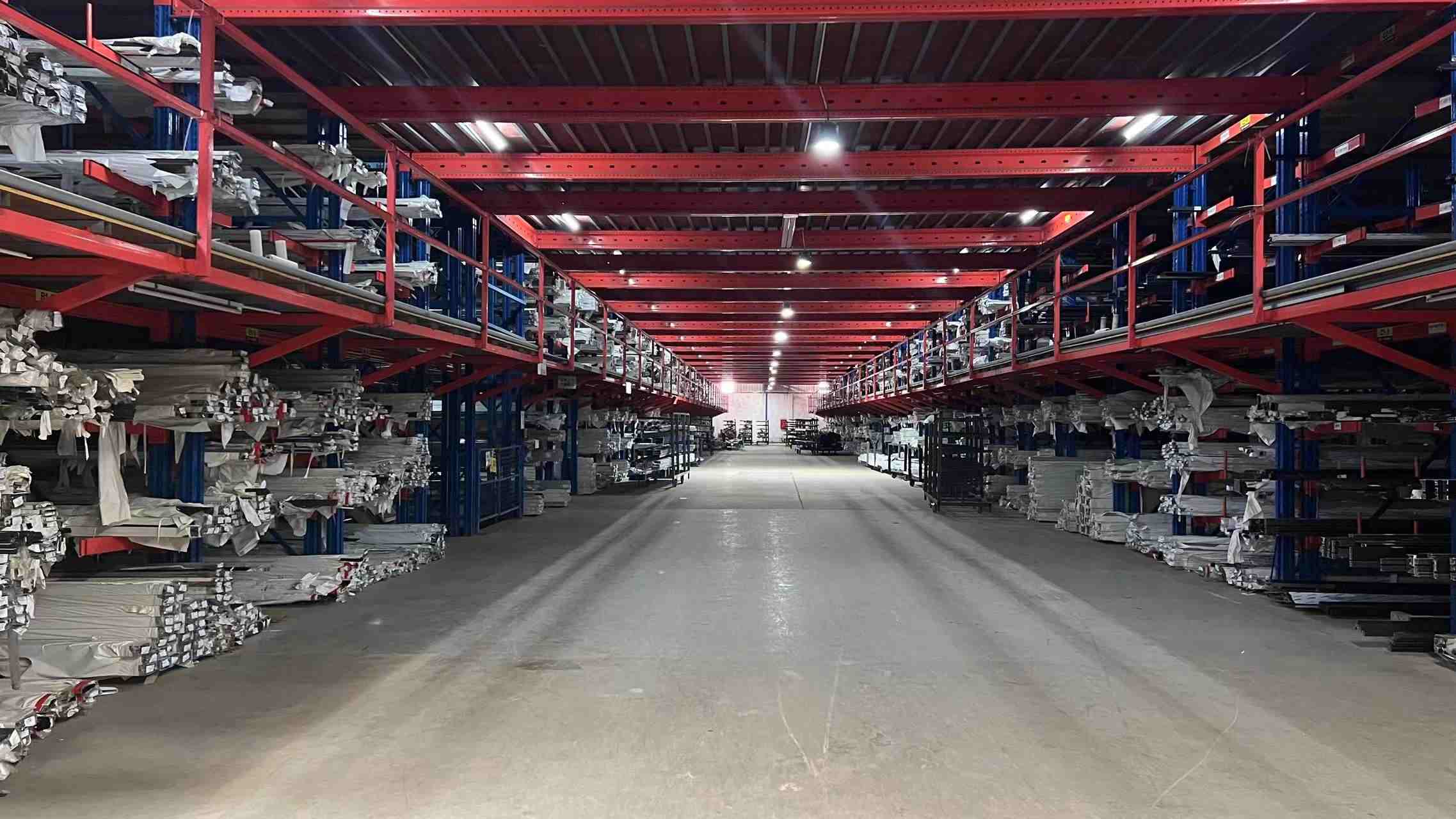 Raw Materials
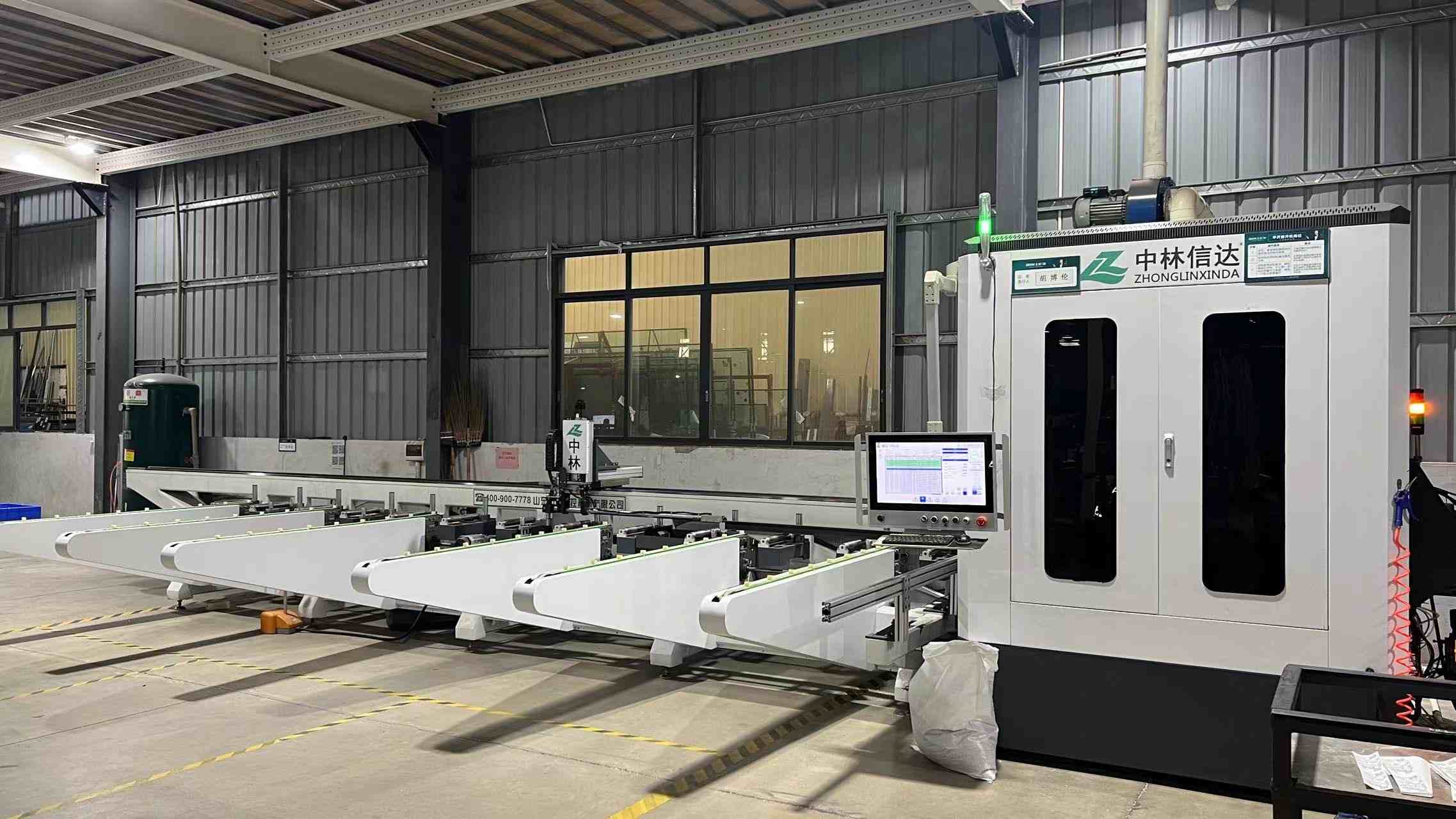 Cutting
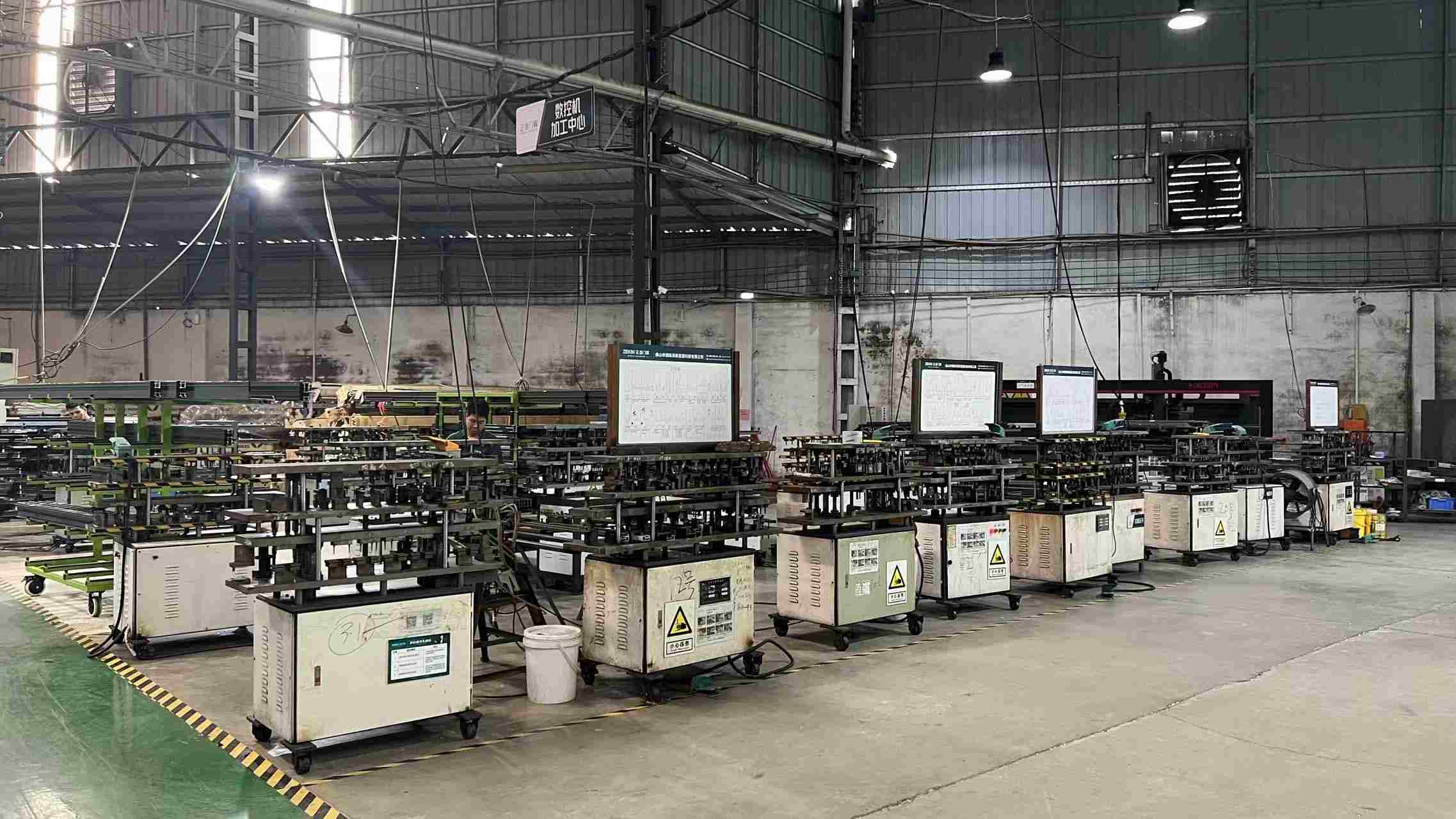 Punching
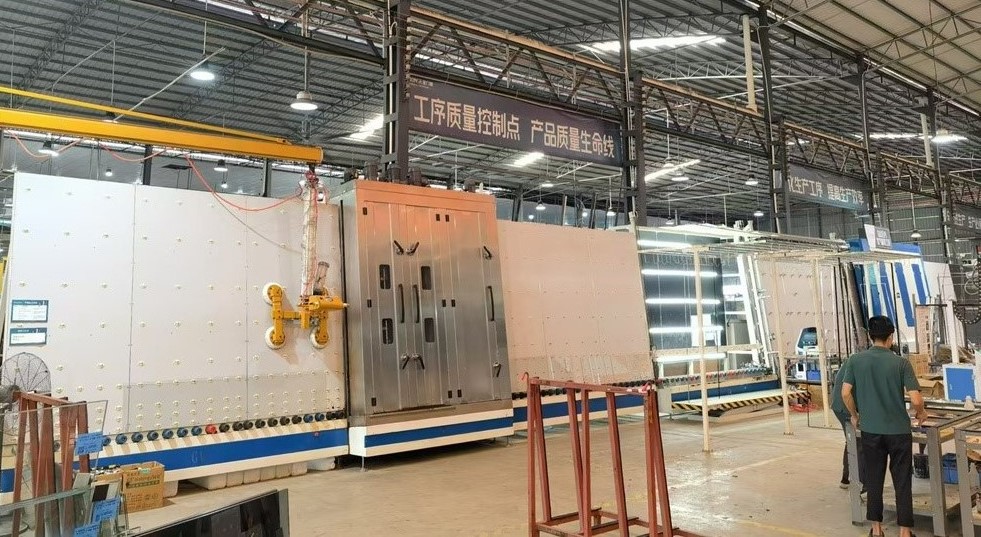 Hollow Processing
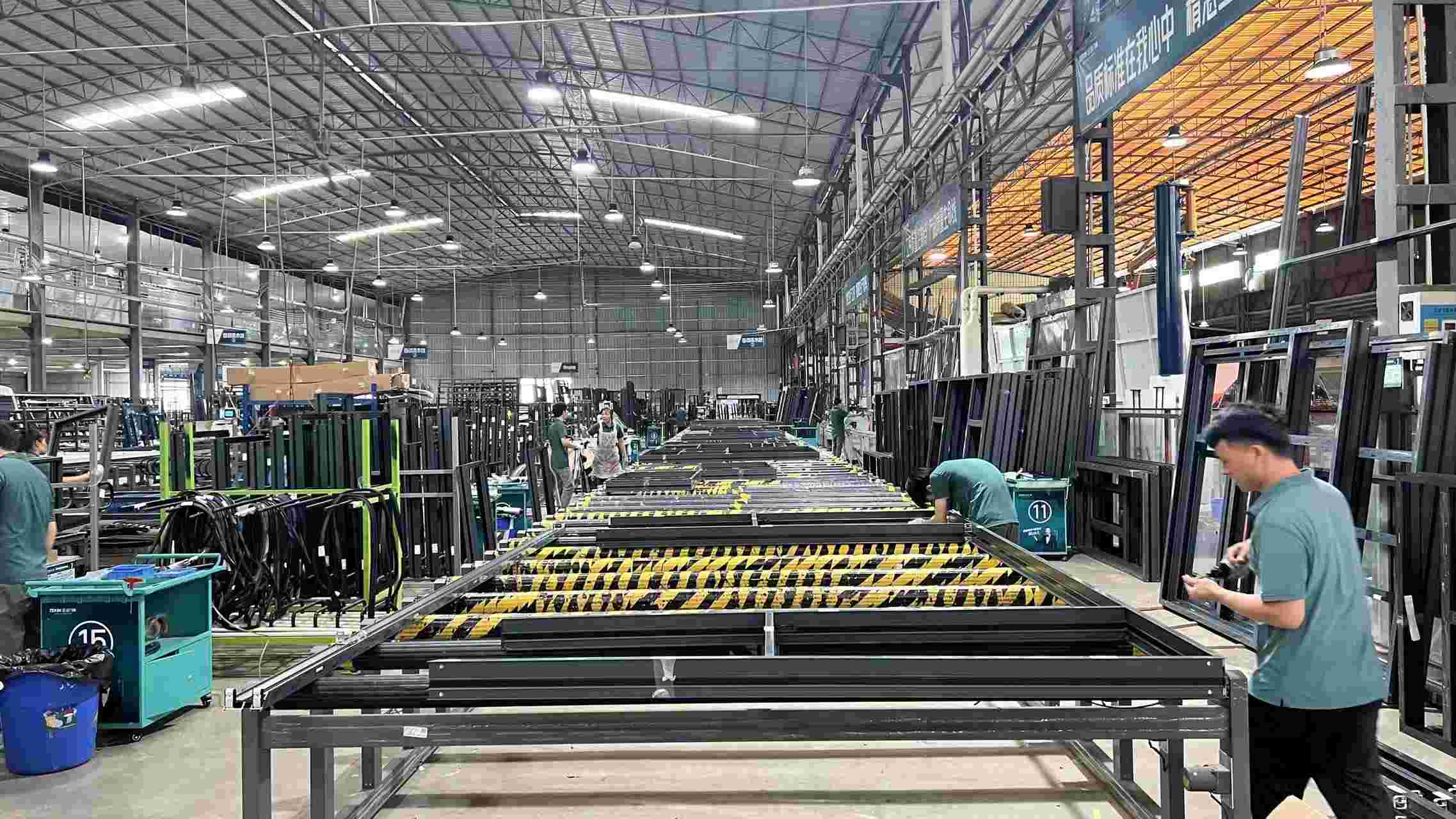 Gluing
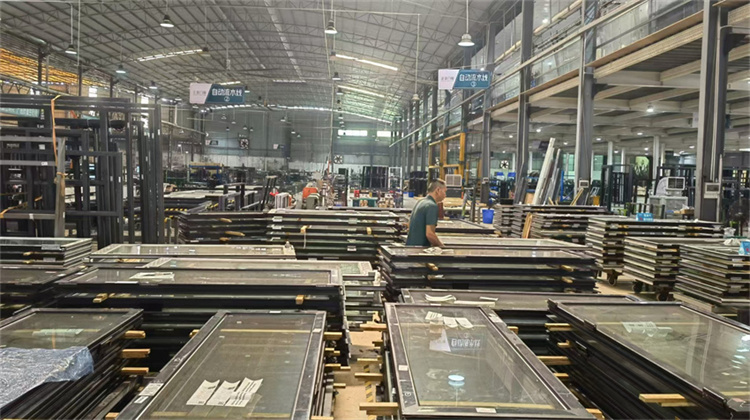 Assembly
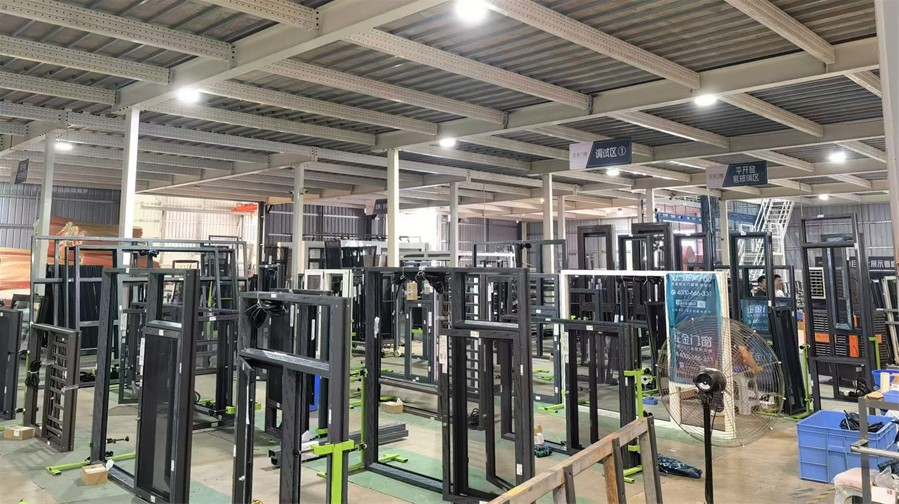 Debugging
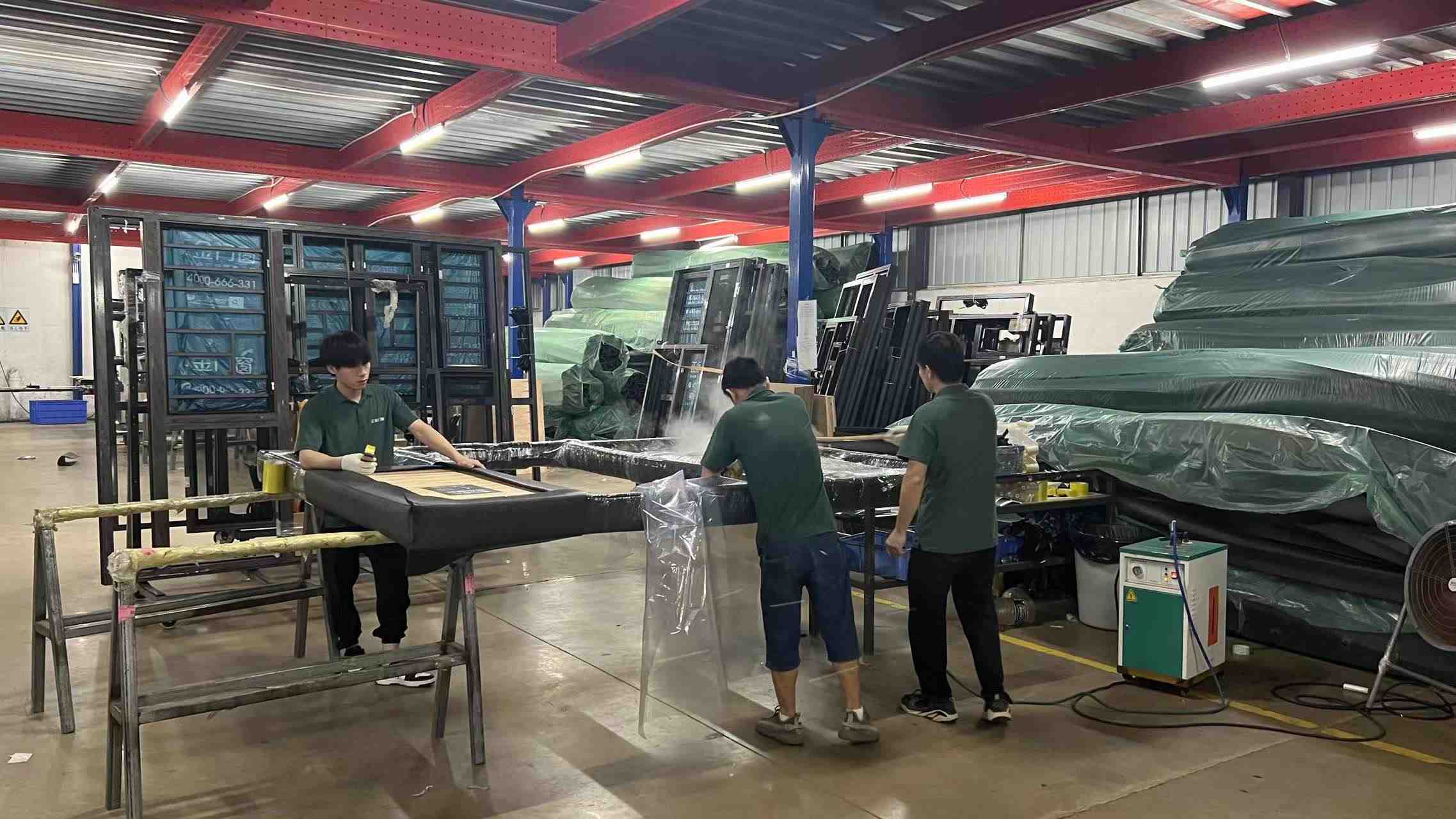 Packing
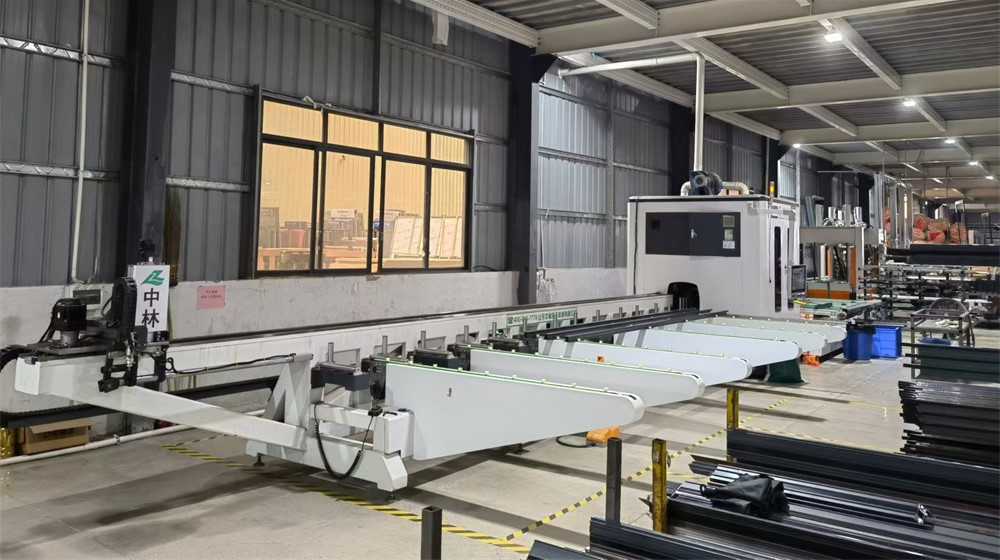 Laser Cutting Machine
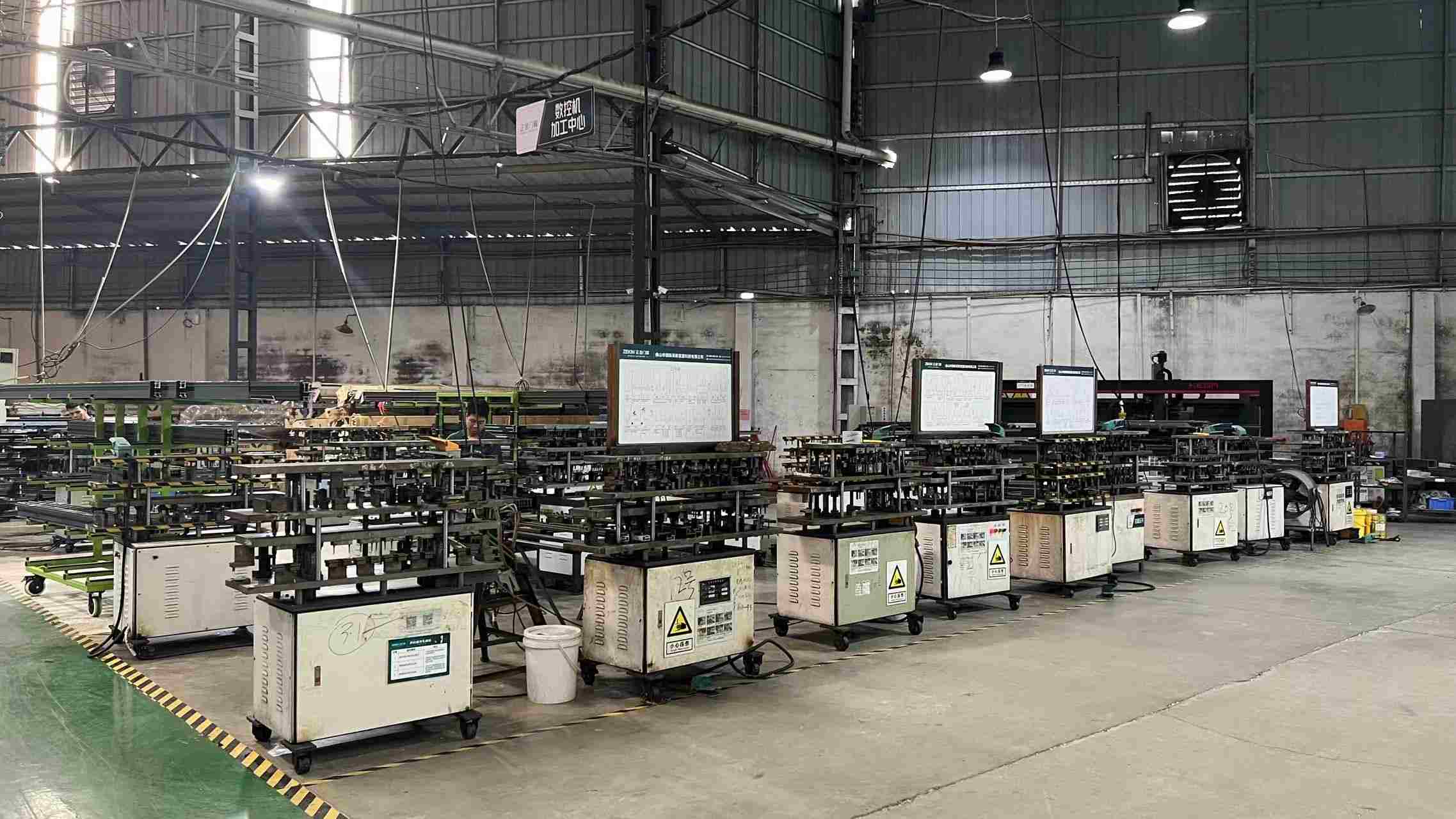 Punching Machine
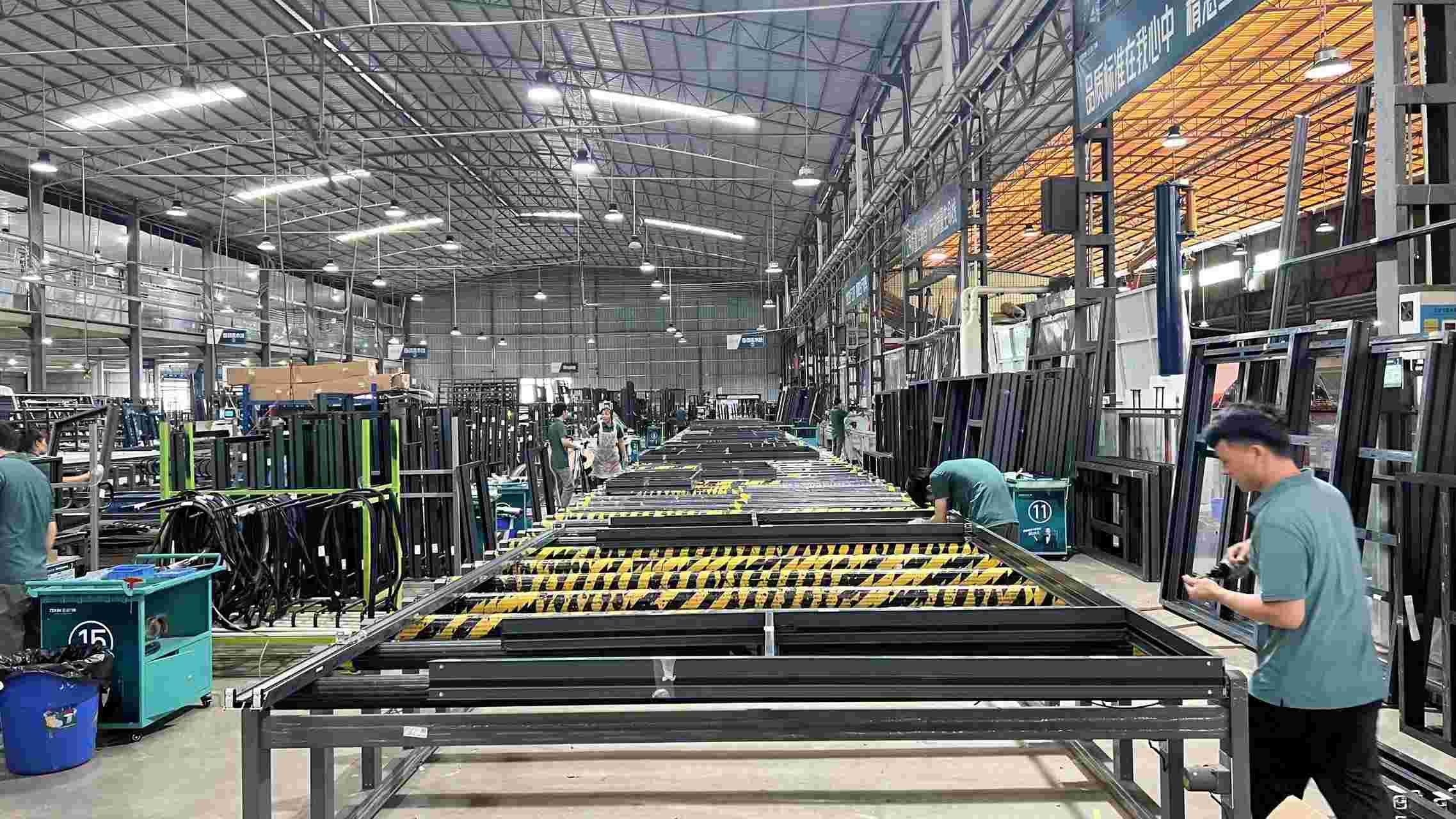 Assembly Line
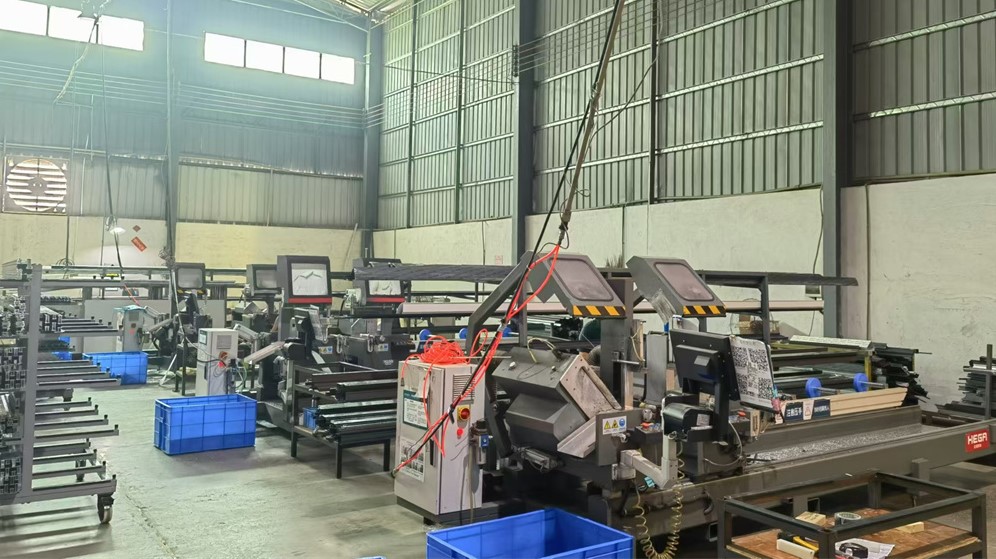 Double Head Sawing Machine
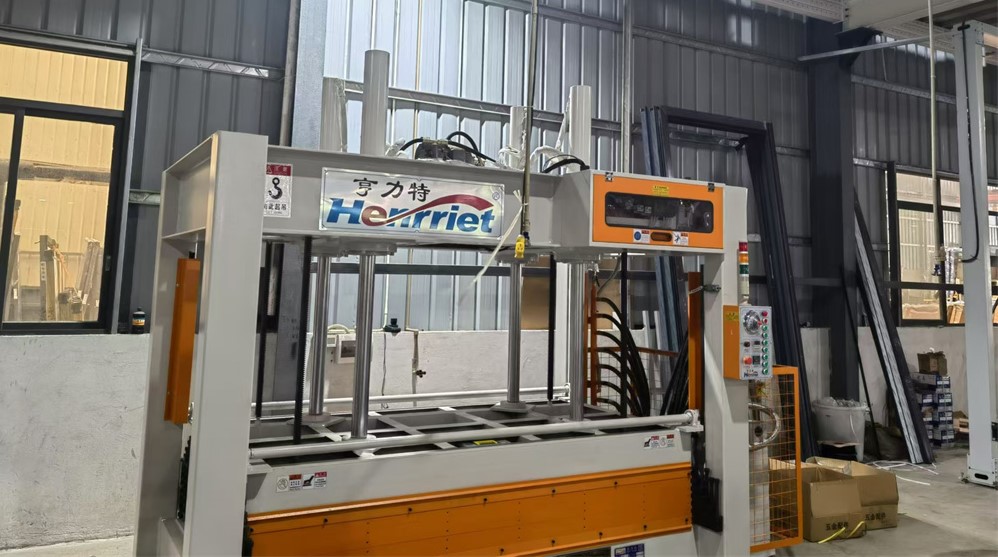 Pressing Machine
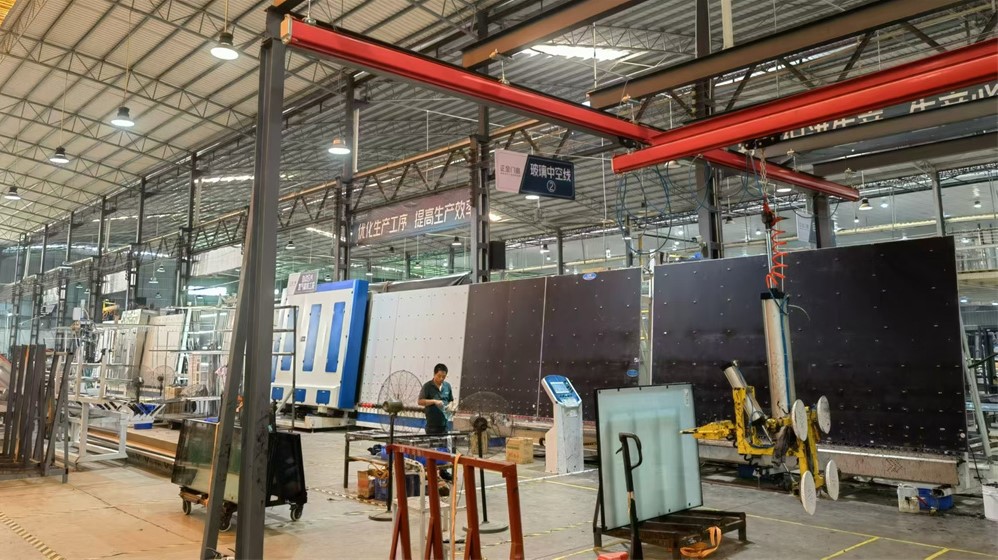 Hollow Line
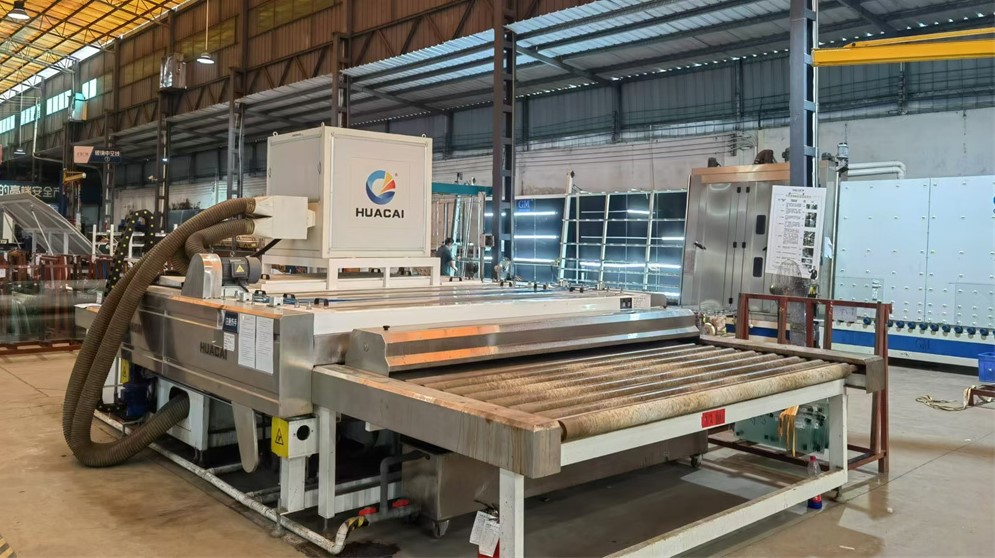 Glass Cleaning Machine
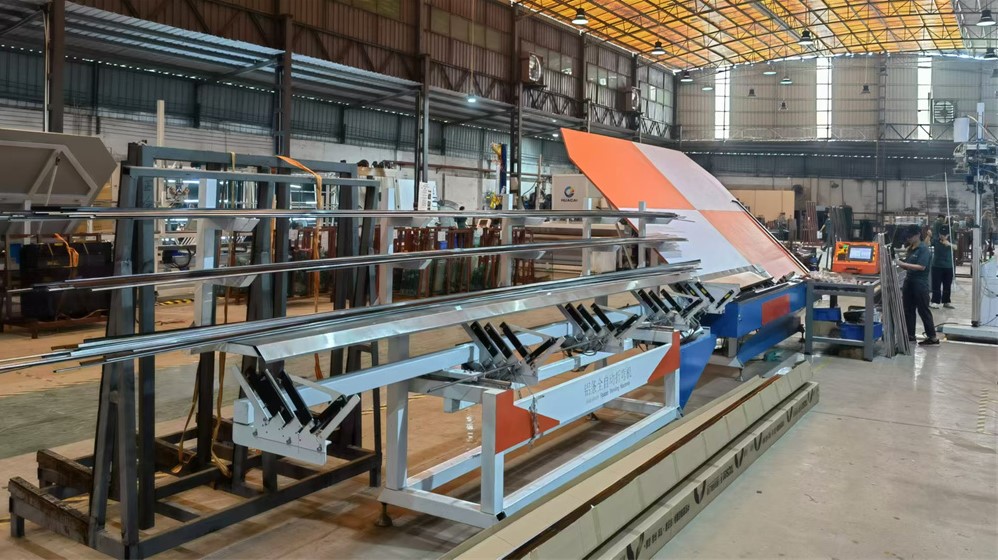 Bending Machine
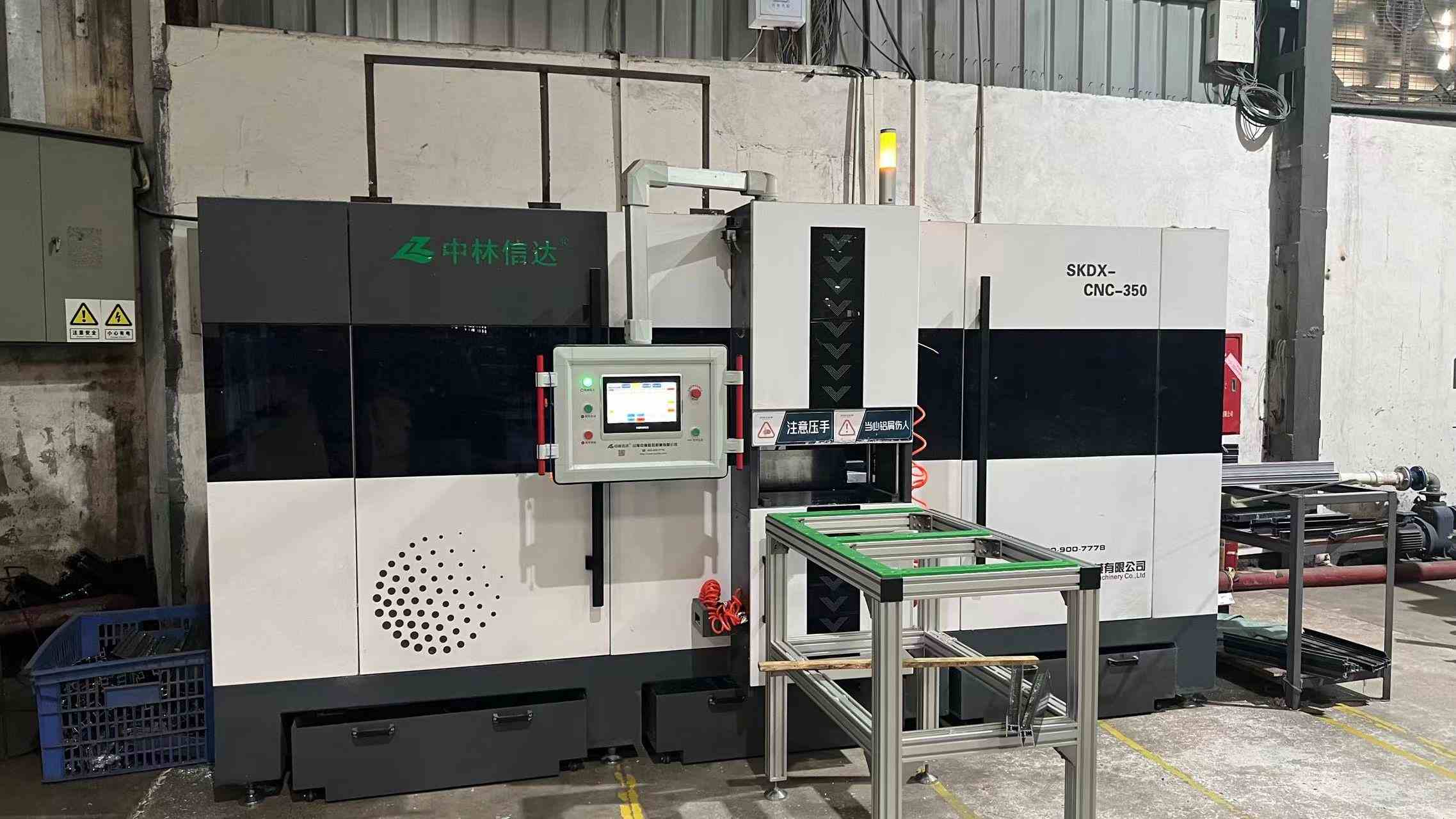 Automatic End Milling Machine
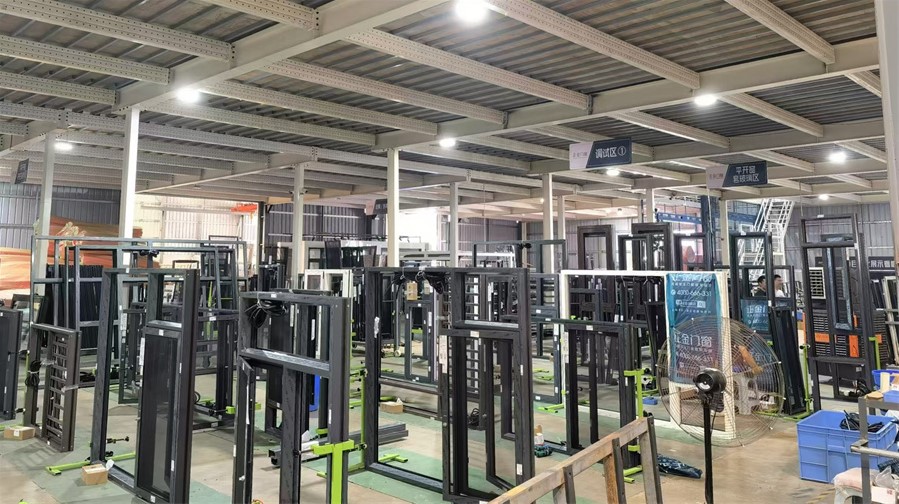 Debugging Station
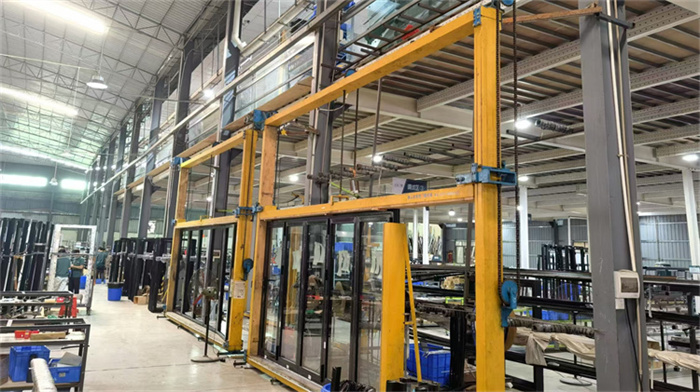 Debugging Frame
Tailored engineering packages for demanding international regional standards.
Core Focus: High-velocity hurricane zone (HVHZ) compliance, Florida Building Code (NOA), NFRC thermal performance, and California Title 24 energy standards.
OEM Solution: Heavy-gauge 3.0mm aluminum profile structures fitted with SentryGlas® laminated impact glass. Smart locks feature sealed IP67 battery compartments to withstand severe rain penetration and salt-spray corrosion (tested over 1,000 hours salt fog exposure).
Core Focus: Ultra-low energy transmission (Passive House standards Uf < 0.8 W/m²K), EN 1627 Burglar Resistance Class RC3/RC4, and discrete aesthetic integration.
OEM Solution: Multi-chamber thermal break profiles filled with Aerogel insulation, combined with 3D adjustable concealed hinges and fully hidden motorized multi-point lock actuators synchronized with KNX smart home systems.
Core Focus: AS2047 structural rating, AS3959 Bushfire Attack Level (BAL-40 / BAL-FZ), and high solar radiation defense.
OEM Solution: Qualicoat Class 2 ultra-durable fluorocarbon coatings that resist extreme solar oxidation, accompanied by fire-resistant ceramic gasket seals and stainless steel insect mesh integrated directly into smart entryway portals.
The next decade of intelligent architectural envelope development.
Future OEM smart door systems will transition away from proprietary gateways toward universal Matter-over-Thread connectivity. On-device Edge AI chips embedded within the aluminum door stile will enable instant offline facial recognition, gait analysis, and predictive maintenance alerts for lock motors without relying on cloud servers, ensuring absolute data privacy.
The integration of Building-Integrated Photovoltaics (BIPV) within decorative door cladding panels will allow entryways to generate continuous solar power. This energy charges internal supercapacitors, making smart locking mechanisms, illuminated LED thresholds, and motorized pivot actuators completely off-grid self-sustaining.
As decarbonization mandates tighten, smart front door manufacturing will utilize 100% recycled aluminum extrusions processed with green hydrogen smelting. Combined with 8mm thin Vacuum Insulated Glass (VIG) units offering thermal performance equivalent to a solid brick wall (U-factor < 0.4 W/m²K), entryways will set new benchmarks for zero-emission buildings.
Traditional mechanical spring latches will be replaced by active kinetic electromagnetic deadbolts that engage silently upon door closure. Next-generation acoustic seals using smart materials will dynamically adjust seal compression based on real-time external atmospheric pressure and wind loading.
In-depth technical clarifications for developers, procurement heads, and architects.
Comprehensive list of certified commercial and residential door solutions.
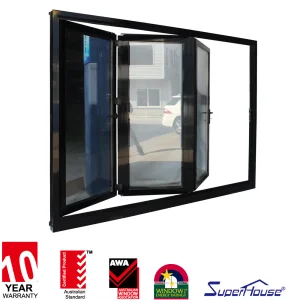
 Luxfront