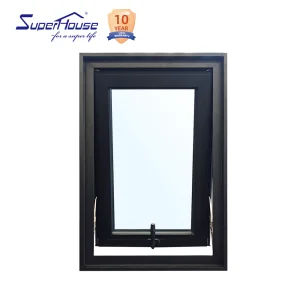
Q1: What does Miami-Dade NOA approval mean for aluminium awning windows?
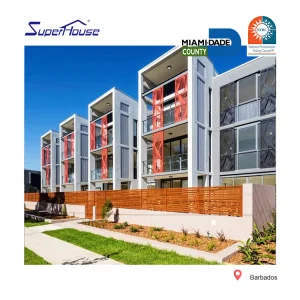
A Miami-Dade Notice of Acceptance (NOA) confirms that the window has undergone rigorous structural and impact testing, proving it can withstand severe weather conditions, high wind loads, and debris forces in coastal hurricane zones.
Q2: Why is NFRC certification important for window insulation?
NFRC (National Fenestration Rating Council) ratings provide independent verification of energy efficiency metrics, including U-factor and Solar Heat Gain Coefficient (SHGC), ensuring reduced thermal transfer and lower energy bills.
Q3: How does an installation flange assist during window installation?
An integrated nail/installation flange simplifies outer frame positioning, provides a robust attachment interface directly to the wall framing, and ensures an effective weatherproofing seal to block moisture infiltration.
Q4: What advantages does a powder-coated aluminium finish offer?
Powder coating creates a hard, durable layer that resists chalking, fading, scratching, and salt-air corrosion, preserving aesthetic appeal over long periods with minimal maintenance required.
Q5: What is the AS2047 standard compliance?
AS2047 is the Australian standard that specifies structural requirements, air infiltration, water resistance, and deflections for window assemblies, assuring high durability and structural safety.
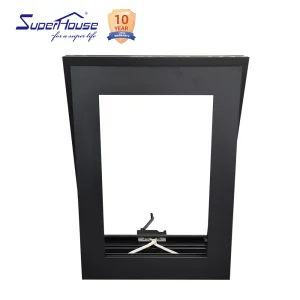
Q6: Are small awning windows suitable for high-moisture spaces like bathrooms?
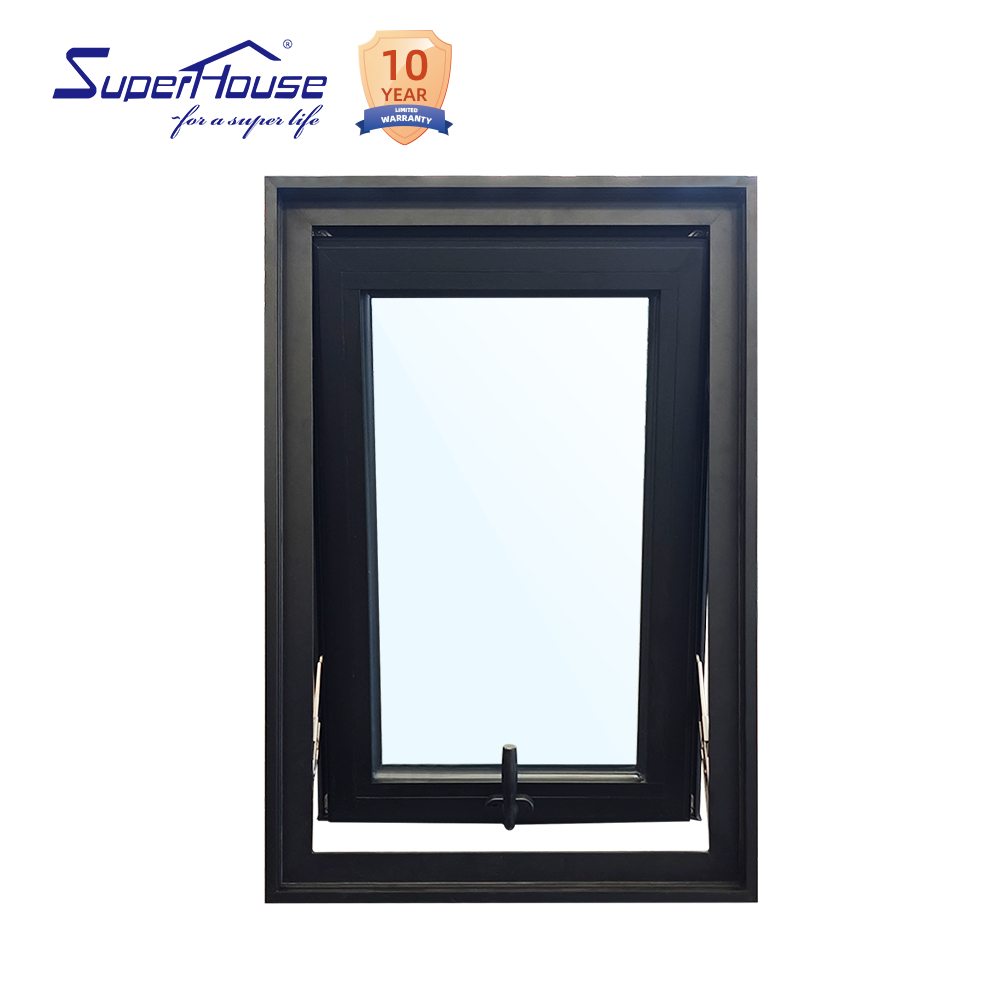
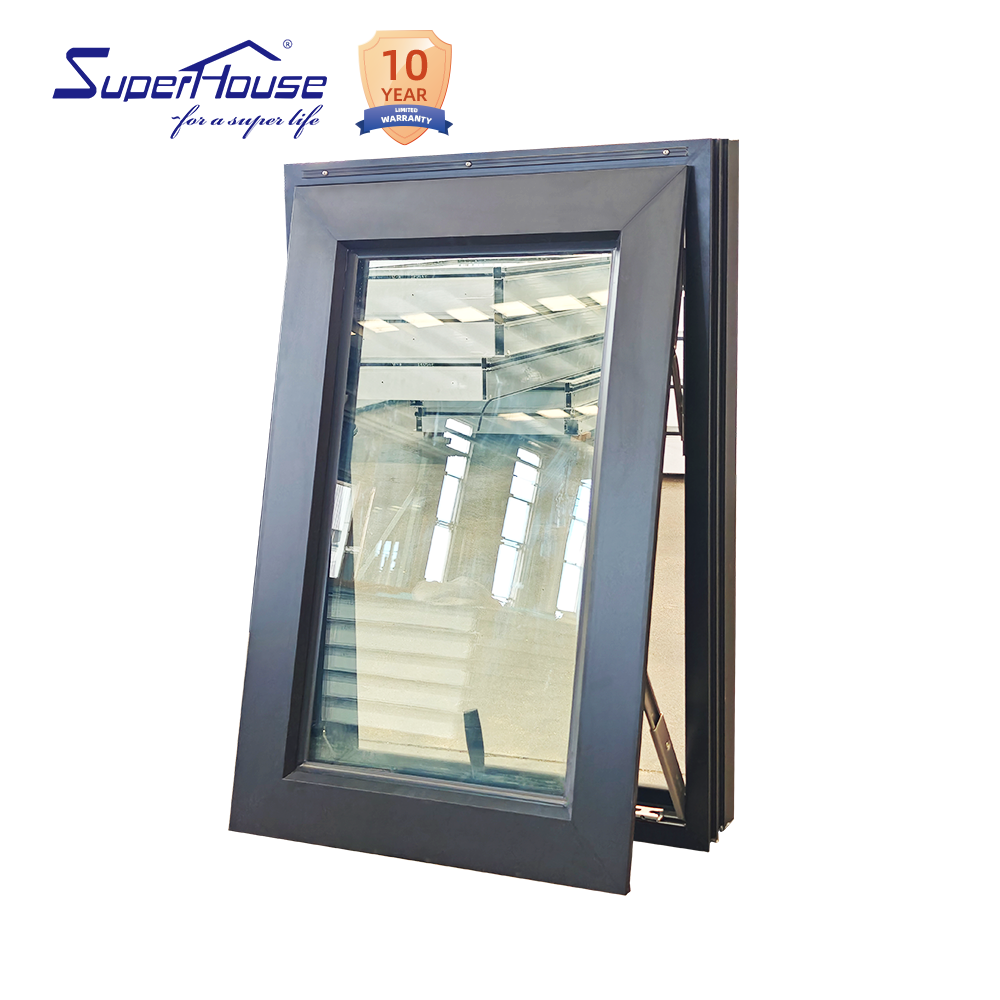
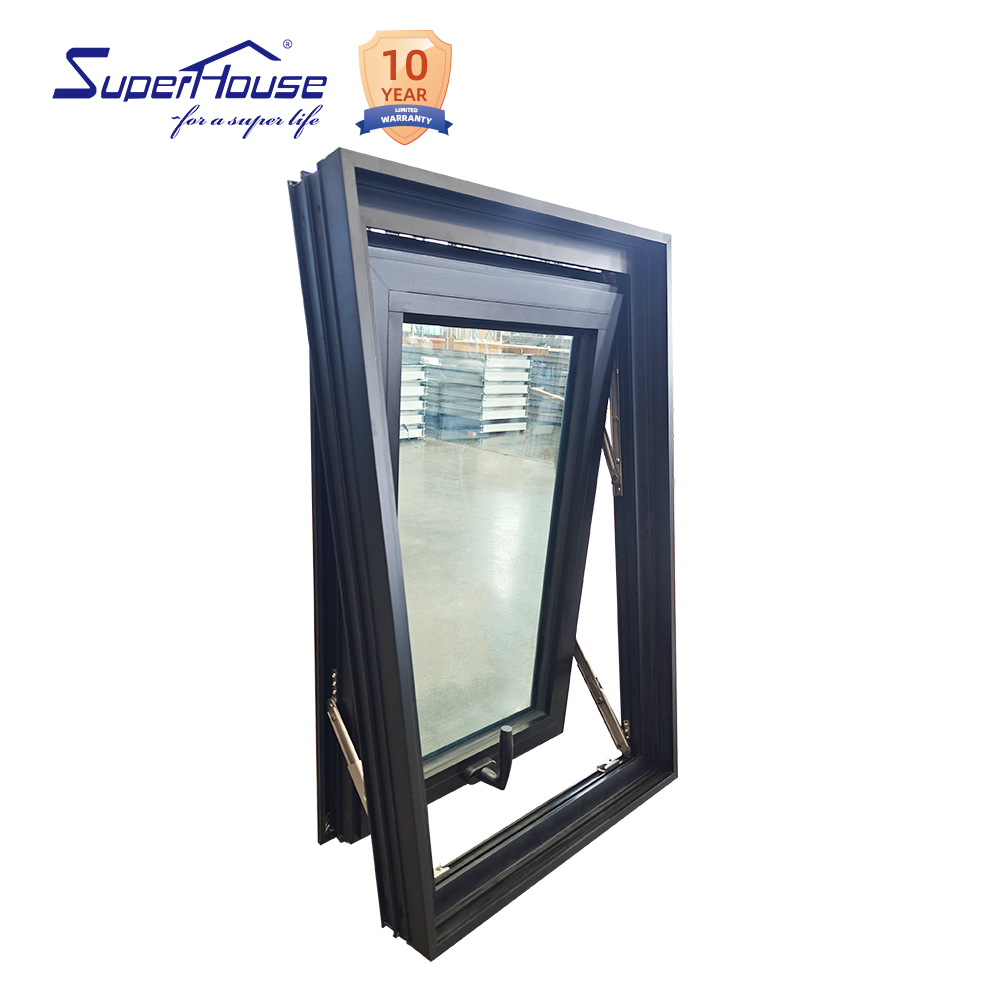
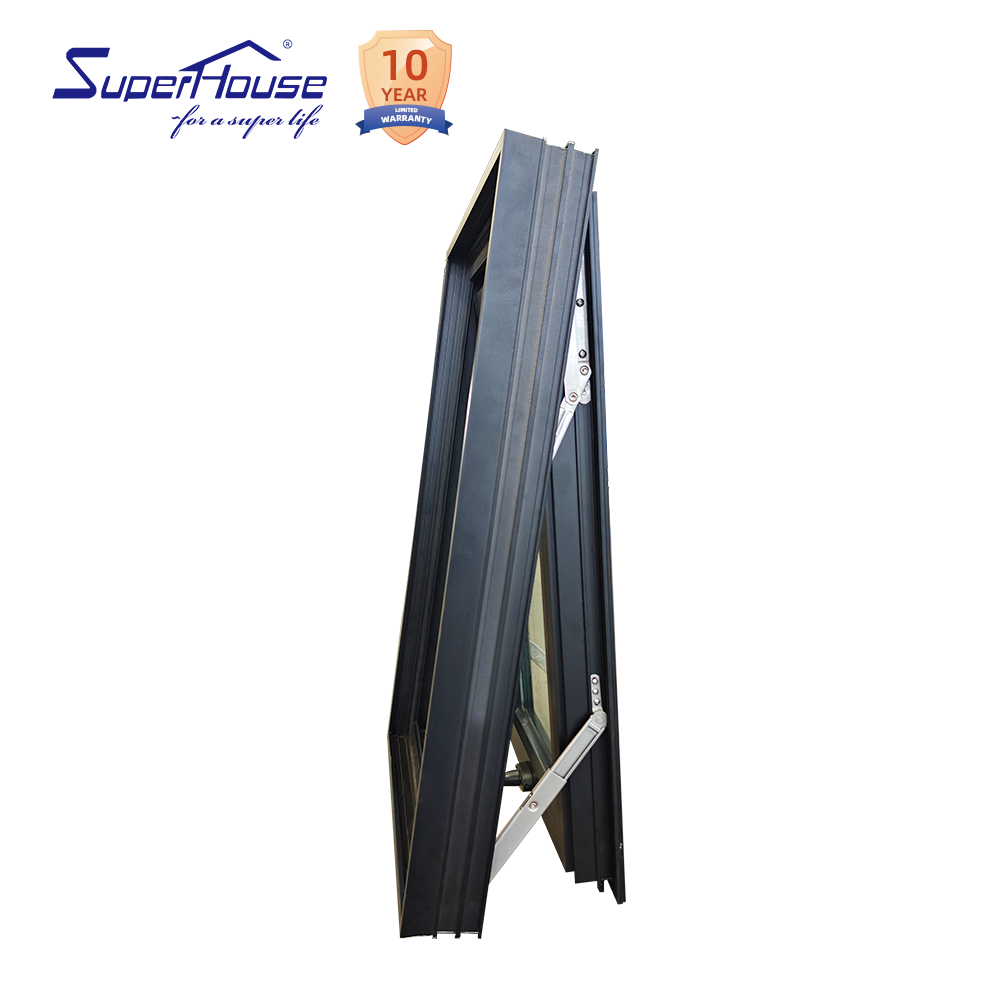
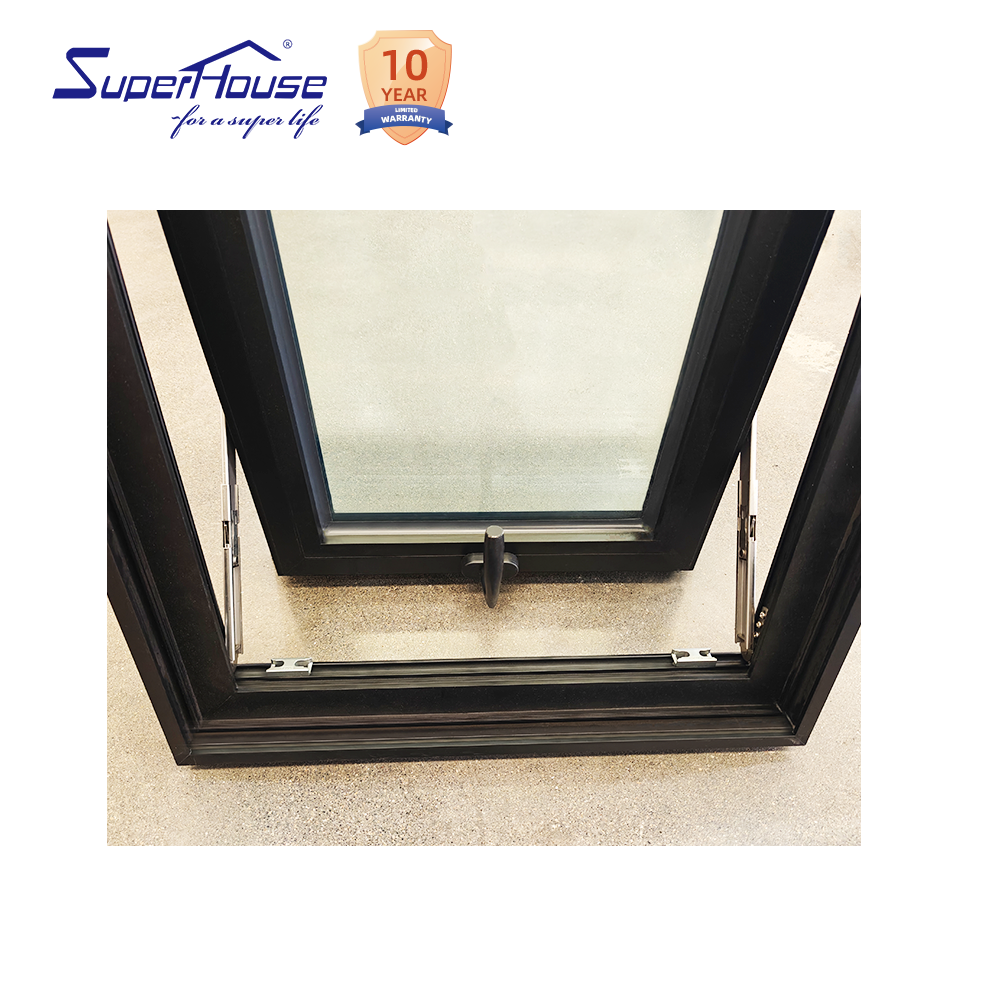
Yes, top-hinged awning windows open outward from the bottom, permitting continuous ventilation even during light rain while protecting privacy and ensuring superior water resistance in bathrooms and basements.
 Luxfront